
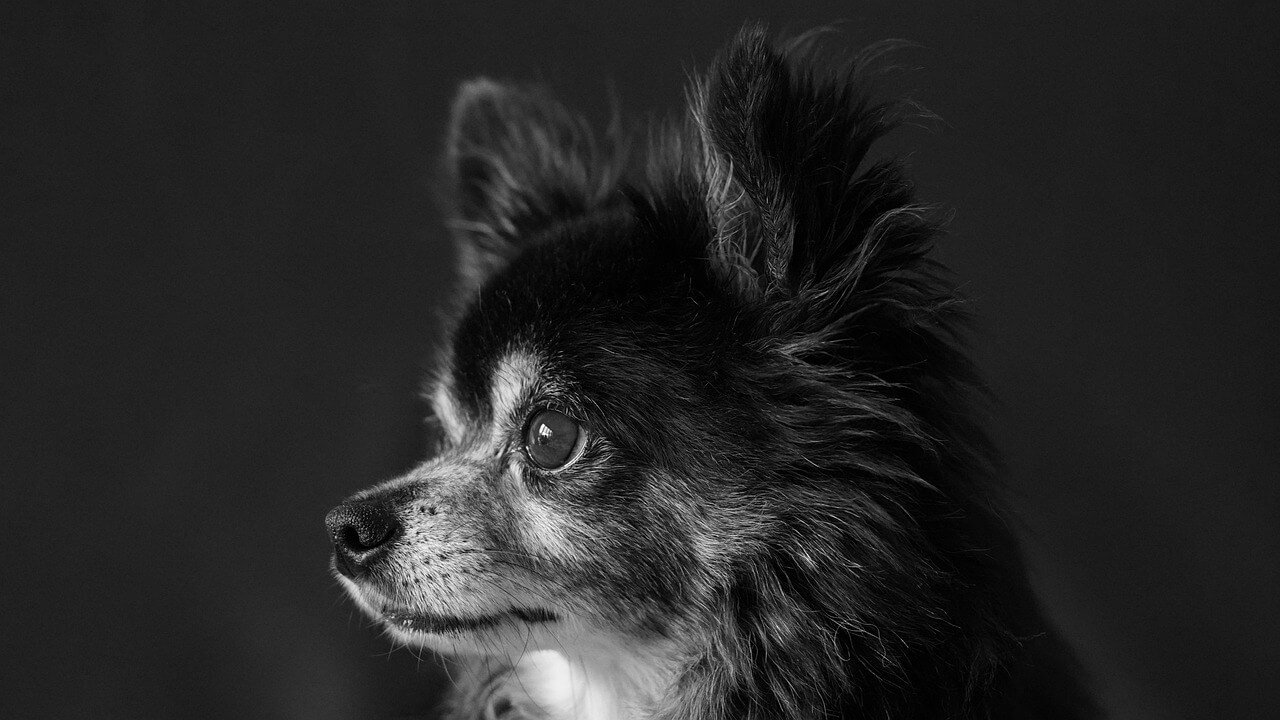


What Are Chihuahuas Allergic To? A Guide to Keeping Your Tiny Companion Healthy
Chihuahuas, with their big personalities and tiny frames, are beloved pets for many dog lovers. However, like all dogs, they can suffer from allergies that affect their health and happiness. Allergies in Chihuahuas can manifest in various ways, from itchy skin to digestive issues, making it essential for owners to recognize potential allergens and take steps to manage them. Whether you’re a new Chihuahua parent or have had your furry friend for years, understanding what your Chihuahua might be allergic to is key to ensuring their well-being. In this blog post, we’ll explore common allergens, symptoms to watch for, and how to create a safe environment for your tiny companion.
Common Allergens That Affect Chihuahuas
Chihuahuas can be sensitive to a variety of substances, ranging from food ingredients to environmental factors. Identifying these allergens is the first step toward managing your dog’s allergies effectively.
Food Ingredients:
Common culprits include beef, chicken, dairy, wheat, and soy. These proteins and grains can trigger adverse reactions in sensitive Chihuahuas.Environmental Pollutants:
Dust mites, mold spores, and pollen are frequent environmental allergens that can cause discomfort during certain seasons or year-round.Flea Bites:
Flea allergy dermatitis is a common issue in Chihuahuas, where even a single flea bite can lead to intense itching and skin irritation.Household Cleaners:
Harsh chemicals found in cleaning products can irritate a Chihuahua’s skin or respiratory system if not used properly.Fabrics and Materials:
Some Chihuahuas may develop allergies to synthetic fabrics, detergents, or fabric softeners used on bedding or clothing.
By identifying these allergens early, you can take proactive measures to minimize exposure and alleviate your Chihuahua’s symptoms.
Signs Your Chihuahua May Have an Allergy
Recognizing the signs of an allergic reaction is crucial for addressing the issue promptly. Here are some common symptoms to watch for in your Chihuahua.
Itchy Skin:
Persistent scratching, licking, or chewing at their paws, ears, or belly can indicate an allergic reaction.Red or Inflamed Skin:
Areas of redness, swelling, or hot spots often accompany skin-related allergies.Ear Infections:
Frequent ear infections or excessive head shaking may signal an underlying allergy.Gastrointestinal Issues:
Vomiting, diarrhea, or excessive gas can point to a food allergy or intolerance.Respiratory Symptoms:
Sneezing, coughing, or wheezing may occur if your Chihuahua is allergic to airborne particles like pollen or dust.
If you notice any of these symptoms, consult your veterinarian to determine the cause and appropriate treatment plan.
Check this guide 👉Bite Force of a Chihuahua: Best 7 Expert Tips!
Check this guide 👉How Long Do Chihuahua Mixes Live? Best 7 Expert Tips!
Check this guide 👉How Many Teeth Do Chihuahuas Have? Best 7 Expert Tips!
Common Allergens for Chihuahuas | Symptoms of Allergic Reactions |
|---|---|
Beef, chicken, dairy | Itchy skin and gastrointestinal upset |
Dust mites, mold, pollen | Sneezing, coughing, watery eyes |
Flea bites | Intense itching and red skin |
Harsh cleaning chemicals | Skin irritation or respiratory issues |
Synthetic fabrics | Rashes or discomfort on skin |
How to Manage Your Chihuahua’s Allergies
Managing your Chihuahua’s allergies involves a combination of prevention, dietary adjustments, and environmental changes. Here are some practical steps to help reduce their exposure to allergens.
Switch to Hypoallergenic Food:
Consider feeding your Chihuahua a limited-ingredient diet or hypoallergenic food to identify and eliminate problem ingredients.Use Natural Cleaning Products:
Opt for eco-friendly or pet-safe cleaning products to avoid irritating your dog’s skin or respiratory system.Regular Flea Prevention:
Use vet-recommended flea treatments to keep your Chihuahua free from flea bites and related allergies.Wash Bedding Frequently:
Clean your Chihuahua’s bedding weekly with hypoallergenic detergent to remove dust mites and other allergens.Bathe Your Dog Regularly:
Use a gentle, hypoallergenic shampoo to soothe irritated skin and remove allergens trapped in their coat.
By implementing these strategies, you can create a healthier and more comfortable environment for your Chihuahua.
Testing and Diagnosis for Chihuahua Allergies
If you suspect your Chihuahua has allergies, visiting your veterinarian is the best course of action. Here’s what to expect during the testing and diagnosis process.
Physical Examination:
Your vet will assess your Chihuahua’s skin, ears, and overall condition to identify potential allergy-related issues.Food Elimination Trials:
A controlled diet trial helps pinpoint specific food allergens by eliminating and reintroducing ingredients over time.Skin or Blood Tests:
Allergy testing can identify environmental allergens through skin prick tests or blood samples.Response to Treatment:
Monitoring your Chihuahua’s response to medications or dietary changes can help confirm the presence of allergies.Consultation with Specialists:
For complex cases, a veterinary dermatologist may provide advanced diagnostics and treatment options.
Accurate diagnosis ensures targeted treatment and long-term relief for your Chihuahua.
Preventing Allergies Through Diet
Diet plays a significant role in managing and preventing allergies in Chihuahuas. Here are some tips to help you make informed choices about your dog’s nutrition.
Choose Limited-Ingredient Diets:
Foods with fewer ingredients reduce the risk of triggering an allergic reaction.Avoid Common Allergens:
Steer clear of foods containing beef, chicken, wheat, or soy if your Chihuahua has shown sensitivity.Incorporate Novel Proteins:
Proteins like duck, venison, or fish are less likely to cause allergies in sensitive dogs.Add Probiotics:
Probiotic supplements can support gut health and strengthen your Chihuahua’s immune system.Monitor Portion Sizes:
Overfeeding can exacerbate allergies, so stick to recommended serving sizes for your dog’s weight and activity level.
A thoughtful approach to diet can significantly reduce allergy flare-ups and promote overall wellness.
Seasonal Allergy Management Tips
Seasonal allergies can be particularly troublesome for Chihuahuas, especially during spring and fall. Here’s how to minimize their discomfort during peak allergy seasons.
Keep Windows Closed:
Prevent pollen from entering your home by keeping windows shut and using air purifiers.Wipe Paws After Walks:
Use damp cloths to clean your Chihuahua’s paws after outdoor adventures to remove pollen and dirt.Limit Outdoor Time:
Avoid taking your dog outside during high-pollen hours, typically early morning or late afternoon.Vacuum and Dust Regularly:
Frequent cleaning reduces indoor allergens like dust mites and pollen tracked inside.Consider Protective Clothing:
Lightweight dog jackets can shield your Chihuahua’s skin from direct contact with allergens.
These tips help reduce exposure and keep your Chihuahua comfortable year-round.
Natural Remedies for Chihuahua Allergies
While veterinary treatments are essential, natural remedies can complement conventional care and provide additional relief.
Coconut Oil:
Applying coconut oil to irritated skin can soothe inflammation and promote healing.Oatmeal Baths:
Oatmeal-based shampoos or DIY baths relieve itching and moisturize dry skin.Apple Cider Vinegar:
Diluted apple cider vinegar sprayed on your dog’s coat can repel fleas and soothe minor irritations.Herbal Supplements:
Herbs like chamomile or calendula have anti-inflammatory properties that may benefit allergic dogs.Hydration:
Ensuring your Chihuahua drinks plenty of water flushes toxins from their system and supports skin health.
Natural remedies can enhance your Chihuahua’s comfort, but always consult your vet before introducing new treatments.
Frequently Asked Questions About Chihuahua Allergies
Can Chihuahuas outgrow allergies?
While some puppies may outgrow food allergies, environmental allergies tend to persist into adulthood.
Are Chihuahuas more prone to allergies than other breeds?
Chihuahuas are not inherently more prone, but their small size makes symptoms like itching or skin irritation more noticeable.
What should I do if my Chihuahua has a severe reaction?
Contact your veterinarian immediately if your dog experiences difficulty breathing, swelling, or extreme discomfort.
Can I use over-the-counter allergy medications?
Always consult your vet before giving any medication, as some human antihistamines can be harmful to dogs.
How can I prevent seasonal allergies in my Chihuahua?
Keep your home clean, bathe your dog regularly, and limit outdoor time during high-pollen seasons.
Creating a Safe and Comfortable Life for Your Chihuahua
Allergies can be challenging for both you and your Chihuahua, but with proper care and attention, you can minimize their impact and improve your dog’s quality of life. By identifying allergens, recognizing symptoms, and working closely with your veterinarian, you can ensure your tiny companion stays happy and healthy. Remember, prevention and management are key—whether it’s choosing the right food, keeping your home allergen-free, or providing regular grooming. With love and dedication, you can help your Chihuahua thrive despite their sensitivities.
Newfoundland Dog Personality: Best 7 Expert Tips! – Discover the gentle, loyal, and protective nature of this giant breed perfect for families.
Can Hot Pavement Burn Your Cats Paws? Best 7 Expert Tips! – Learn how to protect your cat’s paws from hot surfaces and prevent painful burns this summer.
Can Hot Pavement Burn Your Dogs Paws? Best 7 Expert Tips! – Learn how to protect your dog’s paws from hot surfaces and ensure safe summer walks.
Irish Wolfhound Size: Best 7 Expert Tips! – Discover the ideal height, weight, and care tips for this majestic giant breed. Learn how to manage their impressive stature responsibly.


