
What Are Cat Paw Pads Made Of?
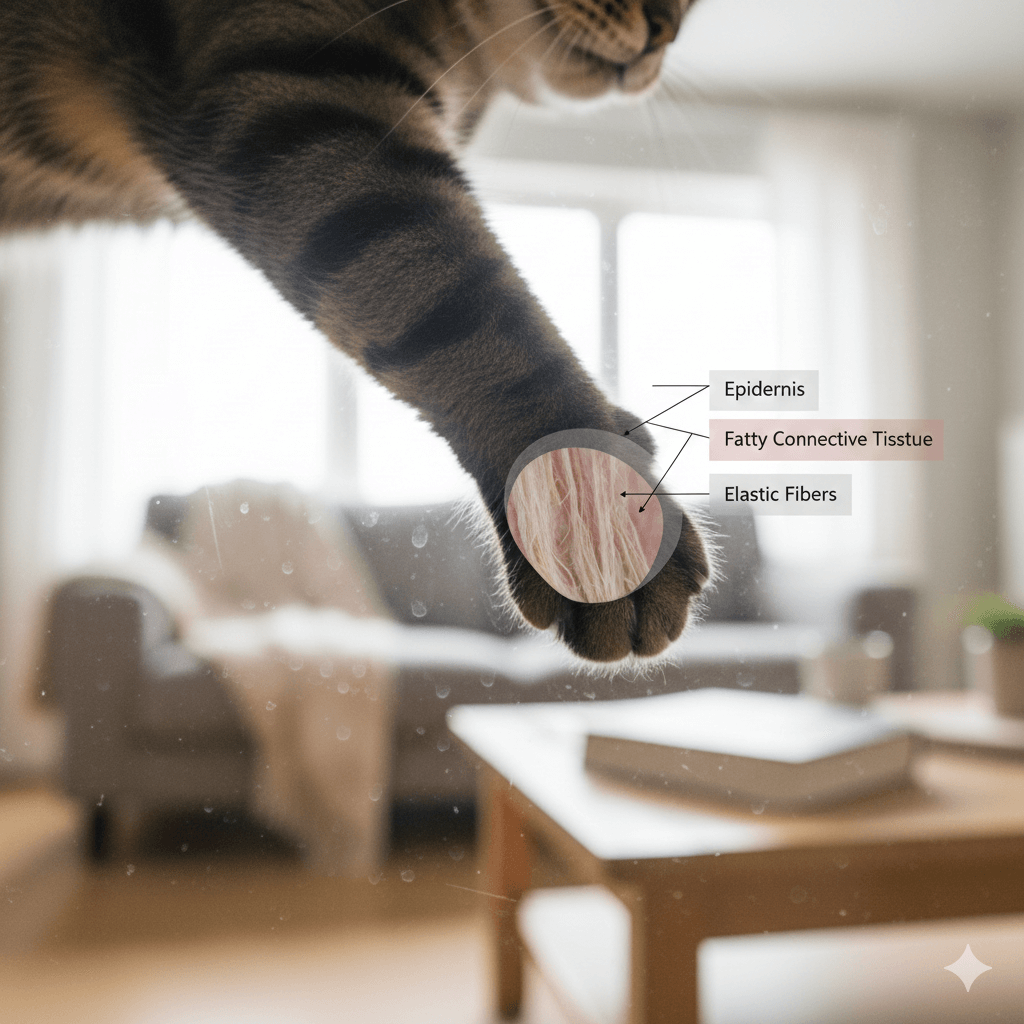
The Anatomy of Cat Paw Pads
- Epidermis (Outer Layer):
The outermost layer of cat paw pads is made of thickened skin, known as the epidermis. This tough, keratinized surface provides protection against abrasions, heat, and sharp objects while remaining flexible enough for movement. - Dermis (Middle Layer):
Beneath the epidermis lies the dermis, which contains blood vessels, nerves, and sweat glands. These components regulate temperature, provide sensation, and supply nutrients to the outer layers, ensuring the pads remain healthy and functional. - Subcutaneous Fat (Inner Layer):
The innermost layer consists of subcutaneous fat, which acts as a cushion to absorb shock during jumps or landings. This fatty layer also insulates the paws against cold surfaces, making it easier for cats to walk on chilly floors or snow. - Collagen and Elastic Fibers:
Within the dermis, collagen and elastic fibers provide structural integrity and flexibility. These proteins allow the paw pads to stretch slightly without tearing, accommodating the pressure exerted during running, climbing, or pouncing. - Nerve Endings for Sensitivity:
Cat paw pads are rich in nerve endings, making them highly sensitive to touch, pressure, and texture. This sensitivity helps cats gauge their environment, detect vibrations, and maintain balance on narrow surfaces.
Functions of Cat Paw Pads in Daily Life
- Shock Absorption During Movement:
The fatty layer in paw pads absorbs impact when cats jump from heights or land after a leap. This cushioning reduces stress on joints and bones, preventing injuries during high-energy activities. - Traction on Various Surfaces:
The textured surface of paw pads provides excellent grip, allowing cats to scale vertical surfaces, sprint across smooth floors, or maintain stability on uneven terrain. This traction is essential for hunting and playing. - Temperature Regulation:
Paw pads help regulate body temperature by dissipating heat in warm conditions and retaining warmth in cold environments. While cats don’t sweat through their paws like humans, the pads assist in minor thermoregulation. - Scent Marking and Communication:
Cats have scent glands located in their paw pads, which they use to mark territory by kneading or scratching surfaces. These scents communicate information to other cats about boundaries and ownership. - Silent Movement for Hunting:
The soft, padded structure allows cats to move stealthily, muffling the sound of their footsteps. This silent approach is crucial for stalking prey or navigating quietly around the house.
Check this guide 👉Frostbite on Cat Paws: Best 7 Expert Tips!
Check this guide 👉How to Take Care of Cat Paws: Best 7 Expert Tips!
Check this guide 👉Cat Paws vs Dog Paws: Best 7 Expert Tips!
| Features of Natural Cat Paw Pads | Benefits of Artificial Paw Protection |
|---|---|
| Thickened epidermis for durability and abrasion resistance | Silicone booties provide insulation against extreme temperatures |
| Fatty layer absorbs shock during jumps and landings | Anti-slip soles enhance traction on slippery surfaces |
| Nerve endings offer sensitivity for touch and balance | Paw balms with natural ingredients prevent dryness and cracking |
| Sweat glands assist in minor thermoregulation | Protective sprays create a waterproof barrier against moisture |
| Self-healing properties repair minor cuts or abrasions over time | Breathable fabrics ensure comfort during prolonged use |
Common Injuries Affecting Cat Paw Pads
- Cuts and Abrasions:
Sharp objects like glass shards, thorns, or rough surfaces can cause cuts or scrapes on the paw pads. These injuries may lead to bleeding, infection, or lameness if left untreated. - Burns from Hot Surfaces:
Walking on hot pavement, asphalt, or heated floors can result in thermal burns. Cats may lick their paws excessively or avoid walking altogether due to pain. - Dryness and Cracking:
Harsh weather conditions, lack of moisture, or aging can cause paw pads to become dry, cracked, or irritated. This discomfort may affect mobility and require moisturizing treatments. - Foreign Objects Embedded in Pads:
Splinters, burrs, or small stones can lodge themselves in the soft tissue of paw pads, causing irritation, swelling, or infection over time. - Allergic Reactions or Irritation:
Exposure to chemicals, cleaning products, or allergens may irritate paw pads, leading to redness, swelling, or excessive licking as cats attempt to soothe themselves.
How to Care for Your Cat’s Paw Pads
- Inspect Paws Regularly:
Check your cat’s paws weekly for signs of injury, foreign objects, or abnormalities like swelling or discoloration. Early detection prevents minor issues from worsening. - Clean Paws After Outdoor Adventures:
If your cat spends time outdoors, wipe their paws with a damp cloth to remove dirt, debris, or harmful substances like pesticides or road salt. - Moisturize Dry Pads:
Use pet-safe paw balm or moisturizer specifically formulated for cats to hydrate dry or cracked pads. Avoid human lotions, as they may irritate sensitive skin. - Trim Fur Between Pads:
Excess fur between paw pads can trap dirt, ice, or debris. Trimming this hair keeps the area clean and reduces the risk of irritation or infection. - Protect Paws in Extreme Weather:
In hot or cold climates, consider using protective booties to shield paw pads from burns, frostbite, or harsh conditions. Ensure the booties fit snugly but comfortably.
Signs Your Cat May Have Paw Pad Problems
- Limping or Favoring One Paw:
If your cat limps or avoids putting weight on a specific paw, it could signal an injury, foreign object, or infection affecting the pad. - Excessive Licking or Chewing:
Over-grooming of paws suggests irritation, pain, or the presence of a foreign body. Cats may also lick excessively due to anxiety or allergies. - Swelling or Redness:
Visible inflammation, redness, or puffiness around the paw pads indicates infection, trauma, or an allergic reaction requiring veterinary evaluation. - Bleeding or Discharge:
Any sign of blood, pus, or unusual discharge points to an open wound, abscess, or severe infection that needs immediate treatment. - Reluctance to Walk or Play:
A sudden decrease in activity levels or refusal to engage in normal behaviors like jumping or running may result from painful paw pad conditions.
Materials Used in Artificial Paw Protection
- Silicone-Based Booties:
Flexible silicone booties provide excellent grip and insulation without restricting movement. They’re ideal for protecting against sharp objects, extreme temperatures, or rough terrain. - Waterproof Coatings:
Some protective sprays create a waterproof barrier on paw pads, shielding them from moisture, chemicals, or icy conditions during winter walks. - Breathable Fabrics:
Soft, breathable fabrics line the interior of many cat boots, ensuring comfort and preventing chafing or irritation during prolonged wear. - Anti-Slip Soles:
Rubberized or textured soles enhance traction, reducing the risk of slips or falls on smooth or wet surfaces. These soles also mimic the natural grip of paw pads. - Natural Ingredients in Balms:
Paw balms often contain beeswax, coconut oil, or shea butter to nourish and protect pads while forming a protective layer against cracking or drying.
Fun Facts About Cat Paw Pads
- Unique Color Variations:
Paw pad colors often match a cat’s coat color. For example, black cats typically have black pads, while orange cats have pink pads. Tortoiseshell cats may display a mix of colors. - Sweat Glands for Cooling:
Although minimal compared to humans, cats have sweat glands in their paw pads that help regulate body temperature during intense activity or heat exposure. - Built-In Shock Absorbers:
The fatty layer in paw pads acts as a natural shock absorber, allowing cats to land gracefully from great heights without sustaining joint damage. - Sensitive Touch Sensors:
Paw pads are incredibly sensitive, capable of detecting slight changes in texture, pressure, or vibration. This sensitivity aids in hunting and navigation. - Kneading Behavior Linked to Pads:
Kittens knead their mother’s belly to stimulate milk flow, and adult cats continue this behavior as a comforting habit. The soft pads make kneading gentle and soothing.
“The paw pads themselves are composed of adipose or fat tissue bound by collagen, a type of connective tissue, and covered with tough skin. Each pad is like a fluid-filled sac with blood vessels, nerves, and scent glands.” – Dr. Chyrle Bonk, DVM
Frequently Asked Questions About Cat Paw Pads
What should I do if my cat cuts its paw pad?
Can I use human moisturizer on my cat’s paw pads?
No—human lotions often contain ingredients that can irritate your cat’s sensitive skin. Use only pet-safe paw balms specifically designed for cats.
Why does my cat lick its paws so much?
Excessive licking may indicate irritation, dryness, injury, or even anxiety. Inspect the paws for redness, swelling, or foreign objects, and consult your vet if the behavior continues.
Are cat paw pads waterproof?
While not completely waterproof, paw pads have a thick outer layer that resists moisture to some extent. However, prolonged exposure to water can soften and damage them over time.
Do cat paw pads change color as they age?
A Closer Look at Your Cat’s Amazing Paw Pads

Is Rawhide Bad for Cats? Best 7 Expert Tips! – Discover the risks, safe alternatives, and expert advice to keep your feline friend healthy and happy.

Is Rawhide Bad for Dogs? Best 7 Expert Tips! – Discover the risks, benefits, and safer alternatives to rawhides for your dog’s chewing needs.

Understanding Anorexia in Cats: Best 7 Expert Tips! – Learn why cats stop eating, spot warning signs, and discover how to help your feline regain appetite safely.

Understanding Anorexia in Dogs: Best 7 Expert Tips! – Learn causes, symptoms, and solutions to help your dog regain appetite and stay healthy.