

What Are Cat Nasal Polyps? Best 7 Expert Tips!

What Are Cat Nasal Polyps? Best 7 Expert Tips!

What Are Cat Nasal Polyps? Understanding the Condition


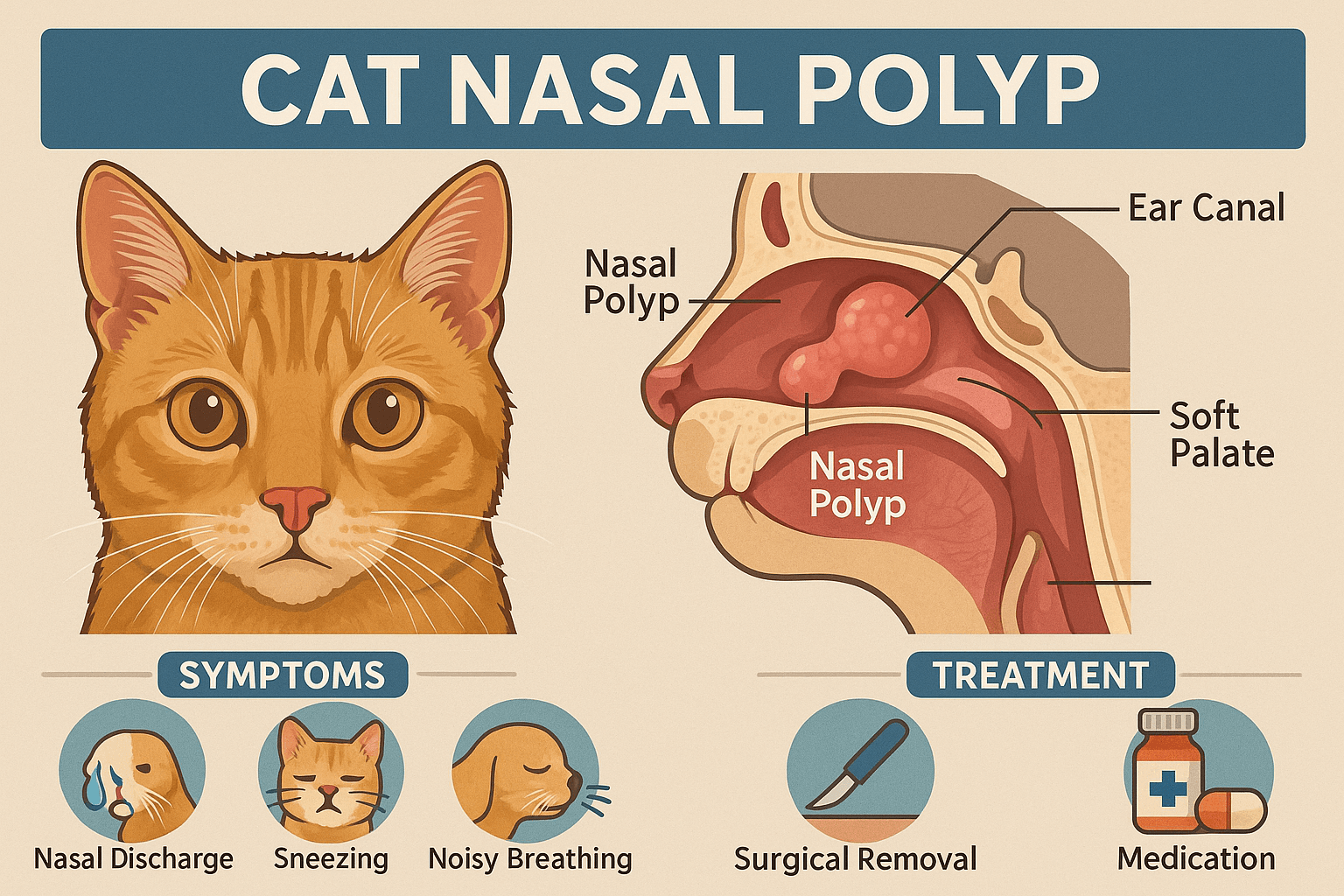
Cat nasal polyps are benign growths that can develop in a cat’s nasal cavity, sinuses, or throat. These soft, pinkish masses often arise from the lining of the respiratory tract and can cause discomfort, breathing difficulties, and other symptoms. While they are not cancerous, nasal polyps can significantly impact a cat’s quality of life if left untreated. As a cat owner, recognizing the signs of this condition and understanding its causes, diagnosis, and treatment options is essential for ensuring your furry friend stays healthy and comfortable. In this blog post, we’ll explore everything you need to know about cat nasal polyps and how to address them effectively.

Expert Insight on Cat Nasal Polyps

“Nasal polyps are non-cancerous growths that develop in a cat’s ears and nose. They are also called nasopharyngeal polyps because they often grow into the nasopharynx, the space in the back of your cat’s throat.”

Common Symptoms of Cat Nasal Polyps


Identifying the symptoms of nasal polyps early can help you seek veterinary care promptly, minimizing discomfort for your cat. Here are some signs to watch for:

 
  • Chronic Sneezing:
    Persistent sneezing is one of the most noticeable symptoms of nasal polyps, as the growths irritate the nasal passages.

  • Nasal Discharge:
    Cats with nasal polyps may experience clear, mucus-like, or even bloody discharge from one or both nostrils.

  • Difficulty Breathing:
    The presence of polyps can obstruct airflow, leading to noisy breathing or labored respiration.

  • Snoring or Gagging Sounds:
    If the polyp extends into the throat area, it may cause unusual snoring or gagging noises during sleep or eating.

  • Ear Infections or Head Tilting:
    Polyps located near the Eustachian tube can affect ear function, resulting in recurring ear infections or head tilting.


Recognizing these symptoms allows you to act quickly, ensuring your cat receives the care they need to manage this condition effectively.

What Are Cat Nasal Polyps? Best 7 Expert Tips!

Causes and Risk Factors for Cat Nasal Polyps


While the exact cause of nasal polyps in cats is not fully understood, certain factors may contribute to their development. Understanding these risks can help you take preventive measures where possible.

 
  • Chronic Inflammation:
    Prolonged inflammation in the nasal passages or middle ear may trigger the formation of polyps as part of the body’s healing response.

  • Young Age:
    Nasal polyps are more commonly diagnosed in younger cats, particularly those under two years old, though older cats can also be affected.

  • Viral Infections:
    Upper respiratory infections caused by viruses like feline herpesvirus or calicivirus may increase the risk of polyp development.

  • Genetic Predisposition:
    Some breeds or individual cats may have a genetic tendency toward developing nasal polyps due to their anatomy or immune system.

  • Environmental Irritants:
    Exposure to smoke, dust, or strong odors can irritate the nasal passages, potentially contributing to polyp formation over time.


By addressing these underlying factors, you can reduce the likelihood of your cat developing nasal polyps or worsening existing ones.

Symptoms of Nasal Polyps
Treatment Options for Nasal Polyps
Chronic sneezing
Surgical removal of the polyp
Nasal discharge
Anti-inflammatory medications
Difficulty breathing
Antibiotics for secondary infections
Snoring or gagging sounds
Steroid therapy to reduce swelling
Ear infections or head tilting
Post-surgical monitoring and care

Diagnosis of Cat Nasal Polyps


Proper diagnosis is crucial for confirming the presence of nasal polyps and ruling out other potential conditions. Veterinarians use a combination of methods to identify these growths accurately.

 
  • Physical Examination:
    A vet will examine your cat’s nose, throat, and ears for visible signs of polyps or related issues.

  • Imaging Tests:
    X-rays, CT scans, or MRIs may be used to visualize the size and location of the polyp within the nasal cavity or sinuses.

  • Rhinoscopy:
    A flexible scope is inserted into the nasal passages to directly observe the polyp and assess its characteristics.

  • Biopsy:
    In some cases, a small tissue sample is taken to confirm the polyp is benign and not cancerous.

  • Response to Treatment:
    Temporary improvement after anti-inflammatory medication may indicate the presence of a polyp, though further testing is needed for confirmation.


Accurate diagnosis ensures your cat receives the appropriate treatment plan tailored to their specific needs.

Treatment Options for Cat Nasal Polyps


Once diagnosed, treating nasal polyps typically involves a combination of medical and surgical interventions to alleviate symptoms and prevent recurrence.

 
  • Surgical Removal (Polypectomy):
    The most effective treatment is complete removal of the polyp through surgery, often performed under general anesthesia.

  • Steroid Therapy:
    Corticosteroids may be prescribed to reduce inflammation and shrink smaller polyps before or after surgery.

  • Antibiotics:
    If a secondary bacterial infection is present, antibiotics are administered to clear the infection and promote healing.

  • Post-Surgical Care:
    After surgery, follow-up visits and medications are necessary to ensure proper recovery and minimize complications.

  • Monitoring for Recurrence:
    Regular check-ups are recommended, as polyps can sometimes regrow despite successful initial treatment.


With timely intervention and diligent aftercare, most cats recover well and enjoy an improved quality of life.

Preventive Measures to Reduce Polyp Risks

Taking proactive steps can help minimize the chances of your cat developing nasal polyps or mitigate their severity. Here are some practical tips:

 
  • Maintain Good Hygiene:
    Keep your cat’s living environment clean and free of irritants like dust, mold, or smoke.

  • Prevent Respiratory Infections:
    Vaccinate your cat against common viral infections like feline herpesvirus and calicivirus.

  • Monitor for Early Signs:
    Pay close attention to changes in breathing patterns, sneezing, or nasal discharge.

  • Regular Vet Check-Ups:
    Schedule routine wellness exams to catch any potential issues early.

  • Minimize Stress:
    Stress weakens the immune system, making cats more susceptible to inflammatory conditions.


By incorporating these practices into your cat’s daily routine, you can create a healthier environment and reduce the risk of nasal polyps.


How to Comfort Your Cat During Recovery

Caring for your cat post-treatment is just as important as the procedure itself. Here’s how to support them during recovery:

 
  • Provide a Quiet Space:
    Ensure your cat has access to a calm, stress-free area where they can rest undisturbed.

  • Offer Soft Food:
    Serve moistened or blended food if chewing becomes uncomfortable due to throat irritation.

  • Administer Medications as Directed:
    Follow your vet’s instructions carefully to avoid complications or setbacks.

  • Keep Activity Levels Low:
    Limit jumping or strenuous play until your cat has fully healed.

  • Monitor for Complications:
    Watch for signs of infection, excessive bleeding, or behavioral changes, and contact your vet immediately if needed.


A little extra TLC goes a long way in helping your cat heal comfortably and quickly.

When to Seek Emergency Veterinary Care

Knowing when to seek urgent veterinary assistance is critical for addressing complications related to nasal polyps. Look out for these red flags:

 
  • Severe Bleeding:
    Significant bleeding from the nose or mouth requires immediate attention.

  • Labored Breathing:
    Struggling to breathe or gasping for air indicates a potential obstruction that needs urgent care.

  • Loss of Appetite or Lethargy:
    Refusal to eat or extreme fatigue may signal worsening health or infection.

  • Swelling Around the Face or Neck:
    Swelling could indicate an allergic reaction or abscess requiring prompt treatment.

  • Collapse or Unresponsiveness:
    Any sudden collapse or inability to respond is a medical emergency.


Being aware of these warning signs empowers you to act swiftly and protect your cat’s health in critical situations.

Frequently Asked Questions About Cat Nasal Polyps

 
Are nasal polyps dangerous for cats?

While benign, nasal polyps can cause significant discomfort and health issues if left untreated.

Rarely; most polyps require medical or surgical intervention to resolve completely.

Costs vary depending on location and complexity but typically range from $500 to $2,000.

Pain management protocols ensure your cat remains comfortable throughout the process.

Yes, recurrence is possible, though less common with thorough surgical removal and follow-up care.

Supporting Your Cat Through Nasal Polyps


Nasal polyps in cats may seem daunting, but with early detection, proper veterinary care, and attentive aftercare, most cats recover successfully and return to their playful selves. By staying informed about the symptoms, causes, and treatment options, you can advocate for your cat’s health and well-being. Remember, your compassion and vigilance play a vital role in helping your feline companion overcome this challenge and thrive once again.

Dog Tapeworm Life Cycle: Best 7 Expert Tips!

Dog Tapeworm Life Cycle: Best 7 Expert Tips! – Learn how tapeworms infect dogs, spot symptoms, and break the cycle with expert prevention strategies.

Anxious Cat Body Language: Best 7 Expert Tips!

Anxious Cat Body Language: Best 7 Expert Tips! – Learn to spot signs of stress, understand triggers, and help your cat feel safe and relaxed.

Anxious Dog Body Language: Best 7 Expert Tips!

Anxious Dog Body Language: Best 7 Expert Tips! – Learn to spot signs of anxiety, respond effectively, and help your dog feel safe and secure.

Is Breeding Dogs Bad? Best 7 Expert Tips!

Is Breeding Dogs Bad? Best 7 Expert Tips! – Explore the ethics, benefits, and risks of dog breeding to make informed decisions for a better future.

Leave a Reply

Your email address will not be published. Required fields are marked *

Post Category


