
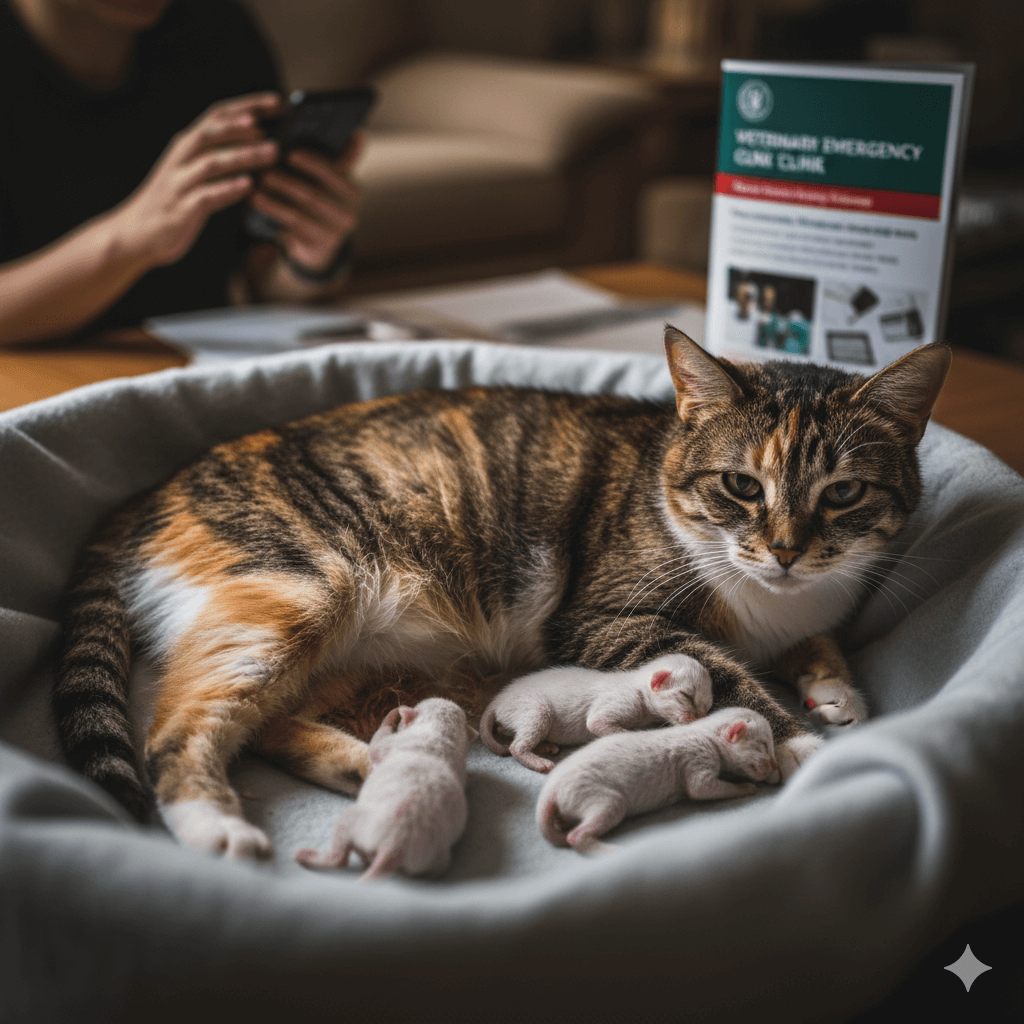

What Are Bad Signs After a Cat Gives Birth
Bringing new kittens into the world is a natural—and often smooth—process for most cats. Yet, complications can arise quickly, and knowing what’s not normal is critical for your queen’s health and her kittens’ survival. While mild tiredness or light discharge is expected, certain symptoms signal serious trouble that demands immediate action. Trust your instincts: when in doubt, contact your vet. Early intervention can make all the difference in postpartum recovery.
Common Warning Signs That Require Immediate Attention
After giving birth, a mother cat should gradually regain energy, care for her kittens, and show steady physical improvement. If you notice any of the following, don’t wait—these are red flags that could indicate infection, retained placenta, or internal bleeding:
- Prolonged, Heavy Bleeding:
Bright red blood flowing steadily for more than 10 minutes or soaking bedding is abnormal and potentially life-threatening. - Foul-Smelling Vaginal Discharge:
A strong, rotten odor—especially with green or dark brown discharge—often signals uterine infection (metritis). - Persistent Straining Without Delivering:
If your cat keeps pushing hard for over 30 minutes with no kitten or placenta emerging, she may have an obstruction or retained kitten. - Lethargy or Collapse:
Extreme weakness, inability to stand, or unresponsiveness after birth can indicate shock, hemorrhage, or eclampsia (low calcium). - Refusing to Nurse or Ignoring Kittens:
While first-time moms may be nervous, complete disinterest or aggression toward kittens may signal illness or pain.
Any of these signs warrant an urgent veterinary visit—delays can risk both the mother’s life and her kittens’ survival.
When to Worry: Subtle but Serious Postpartum Complications
Not all emergencies are dramatic. Some dangerous conditions present with quiet, easily missed changes in behavior or appearance. Stay vigilant during the first 72 hours—the highest-risk window for postpartum issues:
- Fever or Low Body Temperature:
A rectal temperature above 103°F (39.4°C) or below 99°F (37.2°C) suggests infection or metabolic imbalance. - Rapid or Labored Breathing:
Panting, open-mouth breathing, or abdominal effort to breathe may indicate pain, anemia, or cardiac stress. - Swollen, Hard, or Painful Abdomen:
This could signal retained placenta, uterine torsion, or peritonitis—conditions that worsen rapidly without treatment. - Vomiting or Diarrhea Lasting More Than 12 Hours:
Postpartum digestive upset isn’t normal and may point to systemic infection or toxin absorption. - Seizures, Muscle Tremors, or Restlessness:
These are classic signs of eclampsia (milk fever), a calcium deficiency that escalates to fatal seizures if untreated.
Trust your gut—if your cat “just doesn’t seem right,” it’s better to have her checked than to wait for symptoms to escalate.
Check this guide 👉Understanding Cat Pregnancy Tests: Best 7 Expert Tips!
Check this guide 👉How Soon Can a Cat Get Pregnant Again? Best 7 Expert Tips!
Check this guide 👉Wet Food for Pregnant Cats: Best 7 Expert Tips!
Normal Post-Birth Signs | Dangerous Warning Signs |
|---|---|
Light pink or clear discharge for 1–3 days | Thick, foul-smelling, green, or bloody discharge |
Quiet nesting and gentle kitten care | Aggression, disinterest, or constant leaving of nest |
Mild fatigue for 12–24 hours | Collapse, inability to stand, or unresponsiveness |
Occasional panting during labor | Persistent panting or labored breathing after birth |
Appetite returning within 24 hours | Refusing food or water for more than 12 hours post-birth |
Understanding Eclampsia (Milk Fever) in Postpartum Cats
Eclampsia is a sudden, severe drop in blood calcium that typically strikes 1–4 weeks after birth—when milk production peaks. It’s a true emergency that progresses from restlessness to life-threatening seizures in hours:
- Early Behavioral Changes:
Restlessness, pacing, stiffness, or excessive vocalization are often the first clues. - Muscle Tremors or Twitching:
Fine tremors may start around the face or legs and worsen quickly without treatment. - High Body Temperature:
Fever (often over 104°F/40°C) accompanies the calcium crash due to nervous system overstimulation. - Seizures or Collapse:
As calcium drops further, full convulsions or loss of consciousness can occur—requiring IV calcium immediately. - Risk Factors to Know:
Young first-time moms, large litters, or poor nutrition increase susceptibility—especially if the diet lacks calcium or is imbalanced.
Eclampsia won’t resolve on its own; it requires emergency veterinary care. If you suspect it, do not give oral calcium—it can worsen the crisis. Get to a vet immediately.
Infections After Birth: Recognizing Metritis and Other Threats
Uterine infection (metritis) is one of the most common—and dangerous—postpartum complications. It often follows retained placenta or difficult labor and can spread systemically within hours:
- Foul-Smelling Discharge:
The hallmark sign: a putrid, often greenish-brown vaginal secretion that smells like rotting tissue. - Fever and Depression:
Your cat may appear withdrawn, hunched, and refuse interaction—classic signs of systemic illness. - Loss of Milk Production:
Infected mothers often stop nursing, leaving kittens cold and crying—a secondary red flag. - Dehydration and Weakness:
Dry gums, sunken eyes, and reduced skin elasticity indicate the infection is progressing. - Rapid Heart Rate or Pale Gums:
These signal sepsis or shock, requiring intensive hospitalization and IV antibiotics.
Metritis is treatable with prompt antibiotics and supportive care—but delays can lead to infertility, organ failure, or death.
Behavioral Red Flags: When Maternal Instincts Go Wrong
Not all postpartum issues are physical. Behavioral changes can also signal pain, illness, or stress—and impact kitten survival:
- Complete Rejection of Kittens:
While occasional moving of the nest is normal, persistent avoidance or hissing at kittens is abnormal. - Overgrooming or Biting Kittens:
Excessive licking that causes injury or biting (especially on heads/neck) may indicate stress or neurological issues. - Frantic Nest-Hopping:
Constantly moving kittens to new locations—especially unsafe ones—can suggest anxiety or discomfort in the original space. - Aggression Toward Humans or Other Pets:
Extreme defensiveness beyond normal maternal protectiveness may indicate pain or fear. - Lack of Nesting Behavior:
A queen who gives birth on open floors or ignores newborns may be too weak or ill to care properly.
These behaviors often stem from an underlying medical problem—addressing the root cause usually restores maternal care.
Caring for the Mother and Kittens: What to Monitor Daily
The first week postpartum is critical. Set up a quiet, warm nesting area and check on them gently but thoroughly 2–3 times daily:
- Track Nursing Frequency:
Kittens should nurse every 1–2 hours; full bellies and quiet sleep indicate adequate milk intake. - Weigh Kittens Daily:
Healthy kittens gain 10–15 grams per day; weight loss or stagnation means the mom may not be producing enough milk. - Check Mom’s Appetite and Hydration:
She should eat and drink readily. Offer high-calorie kitten food to support milk production. - Observe Discharge Color and Smell:
Normal discharge is reddish-brown and fades over 3–5 days; foul odor or bright red blood is abnormal. - Monitor for Swelling or Redness:
Check mammary glands for heat, hardness, or pain—signs of mastitis that require treatment.
Consistent monitoring helps catch problems early and gives both mom and kittens the best chance at thriving.
Additional Postpartum Concerns Every Cat Owner Should Know
Even after the immediate post-birth period passes, subtle complications can still arise in the days or weeks that follow. Staying informed about less obvious—but equally serious—issues helps ensure both mother and kittens continue to thrive during this critical bonding phase:
- Declining Milk Supply:
If kittens seem constantly hungry, cry incessantly, or fail to gain weight, the mother’s milk production may be dropping due to stress, illness, or malnutrition. - Mastitis (Infected Mammary Glands):
Swollen, hot, painful, or discolored nipples—sometimes with pus or blood—indicate a mammary infection that requires antibiotics and vet care. - Unusual Weight Loss in the Mother:
While nursing burns calories, rapid or extreme weight loss suggests inadequate nutrition, parasites, or underlying disease. - Repeated Nest Abandonment:
A sudden change from attentive to detached behavior—especially if the queen leaves kittens alone for hours—may signal pain, fever, or hormonal imbalance. - Kittens Developing Diarrhea or Weakness:
This can reflect poor milk quality, infection passed from mom, or environmental stress—never ignore lethargic or dehydrated kittens.
Addressing these concerns early protects the entire litter and supports the mother’s long-term health and recovery.
“Signs that require urgent veterinary care after birth include fever, foul-smelling vaginal discharge, refusal to eat or drink, complete neglect of the kittens, swollen or painful mammary glands, and persistent straining without delivering a kitten.” — FirstVet Veterinary Team
Frequently Asked Questions About Postpartum Cat Warning Signs
How long is bleeding normal after a cat gives birth?
Light spotting or reddish discharge is normal for 1–3 days. Heavy, bright red flow beyond 10 minutes or lasting over 24 hours is dangerous.
Can a cat get eclampsia before giving birth?
It’s rare before birth but possible in late pregnancy. However, it most commonly occurs 1–4 weeks after delivery during peak lactation.
What should I feed my cat after she gives birth?
High-quality kitten food—it’s calorie-dense and supports milk production. Always provide fresh water and feed small, frequent meals.
Is it normal for a cat to pant after giving birth?
Mild, brief panting during or right after labor is common. Persistent panting for hours suggests pain, fever, or respiratory distress.
Should I touch the kittens right after birth?
Minimize handling for the first 24–48 hours unless necessary. Let the mother bond—only intervene if she ignores them or they seem cold/hungry.
Supporting Your Queen Through Recovery and Beyond
The days after birth are both miraculous and fragile. Your attentive care during this window protects not only your cat’s health but also the future of her kittens. By knowing the bad signs—and acting fast when they appear—you become her silent guardian during one of life’s most vulnerable transitions. Remember, a healthy, calm mother is the best gift her kittens can receive. Keep your vet’s number handy, trust your observations, and give her the quiet, nourishing space she needs. In return, you’ll witness one of nature’s most beautiful bonds unfold right before your eyes.
Is Rawhide Bad for Cats? Best 7 Expert Tips! – Discover the risks, safe alternatives, and expert advice to keep your feline friend healthy and happy.

Is Rawhide Bad for Dogs? Best 7 Expert Tips! – Discover the risks, benefits, and safer alternatives to rawhides for your dog’s chewing needs.

Understanding Anorexia in Cats: Best 7 Expert Tips! – Learn why cats stop eating, spot warning signs, and discover how to help your feline regain appetite safely.

Understanding Anorexia in Dogs: Best 7 Expert Tips! – Learn causes, symptoms, and solutions to help your dog regain appetite and stay healthy.