
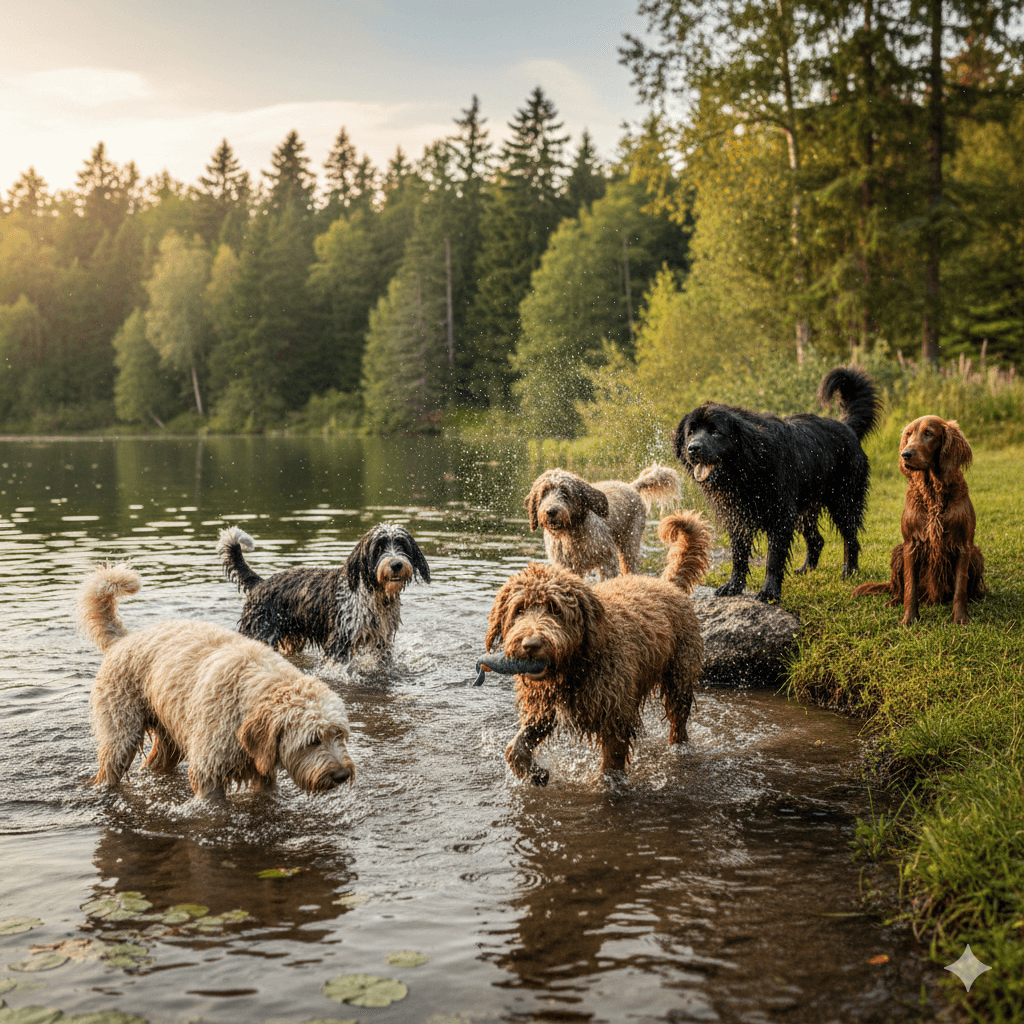

Water Dog Breeds: Best 7 Expert Tips!
If your idea of the perfect canine companion includes splashing through lakes, diving into rivers, or joyfully retrieving in the surf, water dog breeds might be your ideal match. Bred for aquatic work—from hunting waterfowl to rescuing sailors—these dogs possess unique physical and behavioral traits that make them natural swimmers. Their love for water isn’t just playful; it’s deeply rooted in centuries of selective breeding. Whether you live near the coast, enjoy kayaking, or simply want a dog who won’t shy away from rain puddles, these breeds bring enthusiasm, intelligence, and boundless energy to every wet adventure.
Origins and History of Water-Loving Canines
Many water dog breeds were developed in coastal regions or wetland areas where their swimming abilities provided essential help to humans. Their history is tied to fishing, hunting, and maritime rescue, shaping both their bodies and instincts over generations:
- Newfoundland:
Originating from Canada’s icy Newfoundland shores, these giants were prized by fishermen for retrieving nets and even saving drowning sailors. - Portuguese Water Dog:
Bred by Portuguese fishermen, they herded fish into nets, carried messages between boats, and guarded ships in port. - Labrador Retriever:
Descended from St. John’s Water Dogs in Newfoundland, Labs were imported to England as expert duck retrievers for hunters. - Irish Water Spaniel:
Ireland’s oldest spaniel was developed to flush and retrieve waterfowl in cold, marshy terrain—a task requiring both endurance and a waterproof coat. - Spanish Water Dog:
Used across Spain and Portugal as a multi-purpose farm and fishing dog, it herded livestock, retrieved game, and worked aboard boats.
These breeds didn’t just evolve near water—they were shaped by it, resulting in dogs whose bodies and minds are tuned to aquatic life.
Distinctive Physical Traits That Make Them Natural Swimmers
Water dogs share remarkable anatomical features that enhance buoyancy, propulsion, and protection in wet environments. These aren’t coincidences—they’re evolutionary masterpieces:
- Webbed Feet:
Nearly all true water breeds have pronounced webbing between toes, acting like paddles for powerful, efficient strokes. - Water-Resistant Coats:
Whether curly, oily, or dense undercoats (like the Newfoundland’s double layer), their fur repels water and retains body heat. - Strong, Muscular Builds:
Broad chests and powerful hindquarters provide the thrust needed to swim against currents or carry heavy loads. - Otter-Like Tails:
Thick, tapered tails act as rudders—especially in breeds like the Labrador—giving them precise steering underwater. - Eyes and Ears Built for Wet Work:
Many have slightly hooded eyes to reduce glare and ear flaps that help keep water out during prolonged swims.
Together, these traits transform them into canine amphibians—equally at home on land and in the water.
Check this guide 👉German Water Dog: Best 7 Expert Tips!
Check this guide 👉Understanding Italian Water Dog Size: Best 7 Expert Tips!
Check this guide 👉Do Portuguese Water Dogs Shed? Best 7 Expert Tips!
Aquatic Instincts | Grooming & Care Needs |
|---|---|
Strong natural drive to swim | Regular coat maintenance to preserve water resistance |
Enjoys retrieving in lakes, rivers, or pools | Ear cleaning after swimming to prevent infections |
Often initiates water play independently | Drying curly or dense coats thoroughly to avoid matting |
May “dive” for toys or scent trails underwater | Nail trimming to maintain paw efficiency on land |
Rarely hesitant around waves or deep water | Skin checks for irritation from chlorine or saltwater |
Top Water Dog Breeds for Active Families
Not all water dogs are the same—some are better suited to families, others to solo adventurers or working roles. These seven stand out for their blend of swimming prowess, temperament, and trainability:
- Labrador Retriever:
Friendly, eager-to-please, and endlessly energetic, Labs thrive in homes with pools, lakes, or beach access. - Golden Retriever:
Gentle and intelligent, they love water retrieval and are excellent with kids, making them ideal family swimmers. - Chesapeake Bay Retriever:
Tough and tenacious, this breed handles icy water with ease and bonds deeply with active outdoor owners. - Portuguese Water Dog:
Hypoallergenic, clever, and vocal, they’re perfect for allergy-sensitive families who enjoy boating or dock life. - Nova Scotia Duck Tolling Retriever:
Playful and fox-like, Tollers lure ducks within range with their wiggling tails—then dive in to retrieve them.
These breeds don’t just tolerate water—they crave it, making them joyful companions for water-centric lifestyles.
Training Your Water Dog: Safety and Skill Development
Even natural swimmers need guidance to stay safe and build confidence. Proper training turns instinct into controlled, reliable behavior around water:
- Start with Shallow Introductions:
Let puppies explore water gradually—never force entry—to build positive associations without fear. - Use Retrieval Toys in Water:
Floating bumpers or dummies encourage purposeful swimming and teach directional control. - Teach Exit Points:
Show your dog how to get out of pools using steps or ramps; many strong swimmers drown simply because they can’t find a way out. - Practice Recall in Water:
A reliable “come” command is crucial, especially in open water where currents or distractions may arise. - Avoid Cold Water Overexertion:
Even cold-tolerant breeds can suffer hypothermia; limit swim time in chilly conditions and dry them thoroughly afterward.
With consistent, positive training, your water dog becomes not just a swimmer—but a safe, responsive partner in aquatic adventures.
Health Considerations for Water-Loving Breeds
Frequent swimming brings unique health challenges that proactive owners can manage with routine care:
- Ear Infections (Otitis Externa):
Moisture trapped in floppy ears creates a breeding ground for bacteria—clean weekly with vet-approved solutions. - Dry or Irritated Skin:
Chlorine, salt, and algae can strip natural oils; rinse your dog after every swim and use moisturizing shampoos monthly. - Joint Strain in Senior Dogs:
While swimming is low-impact, older dogs may overexert trying to keep up—monitor energy levels and offer rest breaks. - Water Intoxication Risk:
Excessive water ingestion during play can cause dangerous electrolyte imbalance; limit frantic splashing sessions. - Parasites in Natural Water:
Lakes and rivers may harbor giardia or blue-green algae; avoid stagnant or discolored water and test if unsure.
Preventive care ensures your dog’s love for water remains a source of joy—not illness.
Choosing the Right Water Breed for Your Lifestyle
Not every water dog fits every home. Matching breed traits to your environment, activity level, and grooming tolerance is key:
- Apartment Dwellers:
Opt for smaller or moderate-energy breeds like the Spanish Water Dog—if you provide daily pool or beach access. - Cold Climate Residents:
Newfoundlands and Chesapeakes thrive in snow and ice, while short-coated breeds may need winter coats on land. - Allergy-Sensitive Households:
Portuguese Water Dogs and Poodles (often grouped with water dogs) offer low-shedding, hypoallergenic coats. - First-Time Owners:
Labrador and Golden Retrievers are forgiving, trainable, and adaptable—ideal for learning water safety together. - Working or Sport Enthusiasts:
Breeds like the Irish Water Spaniel or Toller excel in dock diving, hunting, or canine water sports with proper training.
The best match isn’t just the “best swimmer”—it’s the one whose needs align seamlessly with your daily life.
Why Water Dog Breeds Excel in Water Rescue and Therapy Roles
Beyond recreation, many water dog breeds are purpose-built for life-saving and emotional support work—thanks to their intelligence, trainability, and innate comfort in aquatic environments. Their historical roles have evolved into modern-day service opportunities that highlight their versatility and empathy:
- Natural Buoyancy and Strength:
Breeds like the Newfoundland possess incredible strength and stamina, enabling them to tow drowning individuals or carry rescue lines across currents. - Calm Demeanor in Crisis:
Water dogs often retain composure in chaotic situations—essential for water rescue teams or therapy settings near pools and beaches. - High Trainability for Complex Tasks:
Their eagerness to work with humans makes them ideal candidates for specialized training in coastal search-and-rescue or aquatic therapy programs. - Gentle Temperament with Vulnerable Populations:
Breeds such as Labradors and Portuguese Water Dogs are frequently used in hydrotherapy centers to support children or seniors during water-based rehabilitation. - Strong Bonding Instincts:
Their deep attachment to handlers translates into reliable performance during high-stakes rescue operations or emotional support sessions near water.
These qualities transform water dogs from playful companions into trusted partners in both emergency response and therapeutic healing.
Frequently Asked Questions About Water Dog Breeds
Do all water dog breeds love to swim?
Most have a strong instinct, but individual personalities vary—early, positive exposure is key to nurturing their natural drive.
Can water dogs live in homes without pools or lakes?
Yes, but they need alternative outlets like sprinklers, beach trips, or dog-safe splash pads to fulfill their aquatic instincts.
Are water dogs high-maintenance?
Many have curly or dense coats requiring regular grooming to prevent mats and preserve waterproofing—plan for weekly brushing.
Which water breed is best for beginners?
Labrador Retrievers are widely recommended for their trainability, gentle nature, and eagerness to please.
Do water dogs get cold in winter water?
Breeds like Newfoundlands and Chesapeakes have thick, oily coats for icy conditions, but all dogs should be monitored for shivering or fatigue.
Dive Into Life with a True Aquatic Companion
Bringing a water dog into your life is more than adopting a pet—it’s inviting a joyful, tireless partner for every riverbank walk, lake day, or ocean sunset. These breeds don’t just follow you into the water; they lead the way with wagging tails and boundless enthusiasm. Their loyalty, intelligence, and physical brilliance make them more than swimmers—they’re guardians, retrievers, and constant sources of wonder.
By understanding their history, honoring their needs, and sharing in their love of the liquid world, you form a bond that’s as deep and enduring as the sea itself. Whether you’re casting a line, paddling a canoe, or simply tossing a ball into the waves, your water dog will be right there—ready, radiant, and utterly in their element.
Pandango Dog: Best 7 Expert Tips! – Discover the perfect mix of Poodle smarts and Dachshund charm, plus care, health, and training advice for this lovable hybrid.
Why Is My Cats Skin Pink? Best 7 Expert Tips! – Discover causes, signs, and solutions for pink skin in cats. Learn when to worry and how to keep your feline healthy.
Why Is My Dogs Skin Pink? Best 7 Expert Tips! – Discover causes, symptoms, and solutions for pink skin in dogs. Learn when to act and how to keep your pup healthy!
Understanding Cat Skin Colors: Best 7 Expert Tips! – Explore the science, patterns, and care behind feline skin colors for a healthier, happier cat.


