

Vomit vs Regurgitation in Dogs: Best 7 Expert Tips!

Vomit vs Regurgitation in Dogs: Best 7 Expert Tips!

Vomit vs Regurgitation in Dogs: Why the Difference Matters

If your dog suddenly spits up food or fluid, your first thought might be, “Did they vomit?” But not all expulsions are created equal—what looks like vomiting could actually be regurgitation, a completely different process with distinct causes and concerns. Understanding the difference between vomit and regurgitation in dogs isn’t just veterinary trivia; it’s a crucial clue to your pet’s health. One stems from the stomach with warning signs like nausea, the other from the esophagus—often without warning. Getting it right helps you respond wisely, whether that means adjusting mealtime habits or calling your vet immediately. Because when your dog brings something back up, the details hold the answer.

Key Differences Between Vomit and Regurgitation


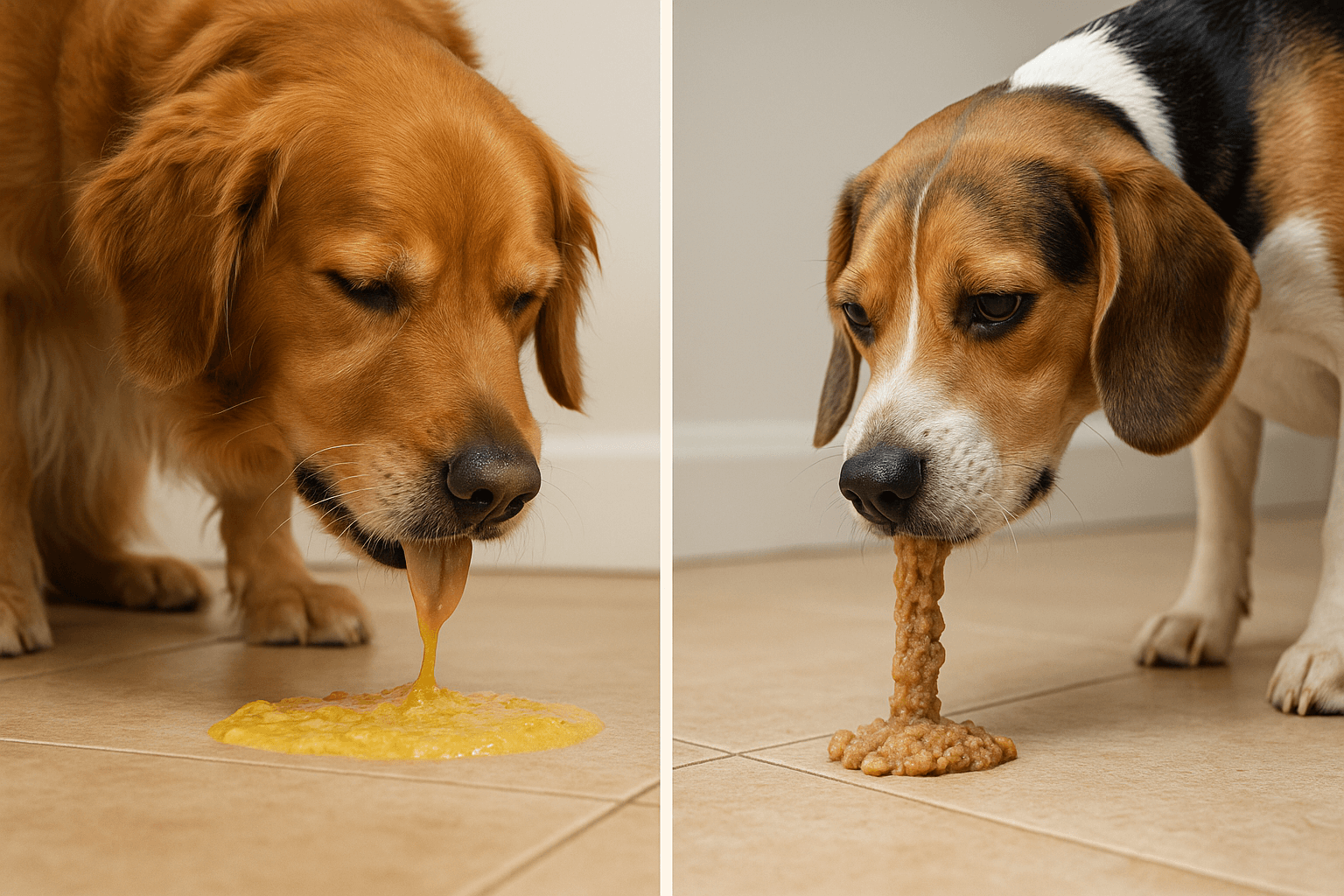
At first glance, vomit and regurgitation might seem interchangeable—but to a vet, they tell very different stories. The timing, appearance, and accompanying behaviors provide essential diagnostic clues.

 
  • Origin in the digestive tract:
    Vomit comes from the stomach (and sometimes upper intestines), while regurgitation originates in the esophagus, the tube connecting the mouth to the stomach.
     
  • Presence of effort or warning:
    Vomiting usually involves retching, drooling, abdominal contractions, and visible distress; regurgitation is passive—often just a sudden “spill” with no warning.
     
  • Content appearance:
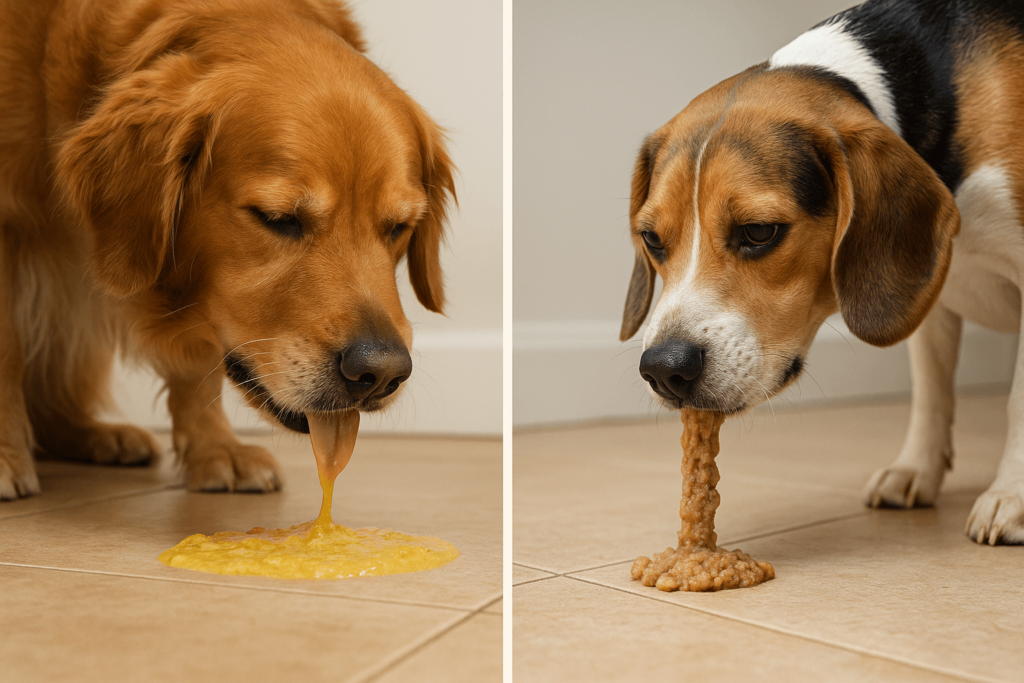
    Vomit typically contains bile (yellow-green), digested food, or mucus; regurgitated material looks undigested, tubular, and may contain whole kibble or saliva.
     
  • Timing after eating:
    Regurgitation often happens minutes after a meal; vomiting can occur hours later, even on an empty stomach.
     
  • Post-event behavior:
    Dogs often seem lethargic or queasy after vomiting; after regurgitation, they may act completely normal—or even try to re-eat the expelled food.
 

Recognizing these distinctions empowers you to describe symptoms accurately and seek timely, appropriate care.

Vomit vs Regurgitation in Dogs: Best 7 Expert Tips!

Common Causes of Vomiting in Dogs


Vomiting is a symptom, not a disease—and its triggers range from harmless to life-threatening. Identifying likely causes helps determine whether home monitoring is safe or a vet visit is urgent.

 
  • Dietary indiscretion:
    Scavenging trash, eating table scraps, or sudden food changes often lead to acute vomiting—but usually resolve within 24 hours.
     
  • Gastroenteritis:
    Inflammation from viruses (like parvovirus), bacteria, or parasites can cause persistent vomiting, often with diarrhea.
     
  • Toxin ingestion:
    Plants, medications, or household chemicals may induce vomiting as the body tries to expel the poison.
     
  • Pancreatitis or organ disease:
    Inflammation of the pancreas, liver, or kidneys can cause chronic or recurrent vomiting, especially in older dogs.
     
  • Motion sickness or stress:
    Some dogs vomit due to car rides, anxiety, or environmental changes—typically without other serious signs.
 

While occasional vomiting may be benign, repeated episodes or vomiting with blood, lethargy, or dehydration always warrant professional evaluation.

Vomiting Clues Regurgitation Clues
Retching or heaving before expulsion No retching—sudden, passive expulsion
Yellow, green, or foamy bile present Undigested food, often in a tube shape
May occur on an empty stomach Usually happens shortly after eating or drinking
Dog seems nauseous or lethargic afterward Dog often acts normal immediately after
Can include digested blood ("coffee grounds") May contain clear mucus or saliva

Common Causes of Regurgitation in Dogs


Regurgitation points to a problem in the esophagus—and while less common than vomiting, it’s often more concerning because it can signal structural or neurological issues.

 
  • Megaesophagus:
    A condition where the esophagus loses muscle tone and dilates, preventing food from reaching the stomach—common in certain breeds like Great Danes or German Shepherds.
     
  • Esophageal obstruction:
    Foreign objects (bones, toys) or strictures can block the esophagus, causing immediate regurgitation after eating.
     
  • Congenital defects:
    Puppies may be born with vascular ring anomalies (like a persistent right aortic arch) that compress the esophagus.
     
  • Neuromuscular disorders:
    Conditions like myasthenia gravis or botulism can impair esophageal motility, leading to regurgitation.
     
  • Inflammation or ulcers:
    Esophagitis from acid reflux (especially after anesthesia) can temporarily disrupt function.
 

Unlike vomiting, regurgitation rarely resolves on its own—and often requires imaging (like X-rays or barium studies) for diagnosis.

When to Seek Emergency Veterinary Care


Some episodes of vomiting or regurgitation are red flags that demand immediate attention—especially when paired with systemic signs.

 
  • Repeated vomiting over 2–3 hours:
    Could indicate obstruction, toxin exposure, or bloat—especially if nothing comes up (“dry heaving”).
     
  • Regurgitation in a puppy under 6 months:
    May signal a congenital issue needing early intervention to prevent malnutrition.
     
  • Expelled material contains blood:
    Bright red blood suggests fresh bleeding; dark, coffee-ground material indicates digested blood from the stomach.
     
  • Lethargy, collapse, or abdominal pain:
    Your dog is hunched, whining, or refusing to move—possible signs of pancreatitis, GDV, or internal injury.
     
  • Inability to keep water down for 12+ hours:
    Rapid dehydration can become life-threatening, especially in small or senior dogs.
 

When in doubt, err on the side of caution—delaying care for serious GI issues can have dire consequences.

Safe At-Home Monitoring Guidelines


If your dog has a single, mild episode with no other symptoms, home observation may be appropriate—but only under strict conditions.

 
  • Withhold food for 6–12 hours:
    Rest the stomach, but continue offering small sips of water or ice chips to prevent dehydration.
     
  • Reintroduce bland food gradually:
    Boiled chicken and rice (1:2 ratio) in small portions every few hours can test tolerance.
     
  • Watch for recurrence:
    One episode is often harmless; two or more within 24 hours warrants a vet call.
     
  • Check gum color and skin elasticity:
    Pale gums or slow skin recoil indicate dehydration or poor circulation.
     
  • Avoid human medications:
    Never give Pepto-Bismol, antacids, or anti-nausea drugs without vet approval—they can mask symptoms or cause toxicity.
 

Home care is only for truly mild cases—when symptoms persist beyond a few hours, professional guidance is essential.

Diagnostic Steps Your Vet May Take


If vomiting or regurgitation continues, your vet will work to pinpoint the root cause through a series of targeted evaluations.

 
  • Physical exam and history:
    Your description of timing, appearance, and behavior is often the most valuable diagnostic tool.
     
  • Bloodwork and urinalysis:
    Checks for organ dysfunction, infection, or metabolic imbalances like kidney disease.
     
  • X-rays or ultrasound:
    Reveals foreign bodies, obstructions, organ enlargement, or signs of megaesophagus.
     
  • Barium swallow study:
    For suspected regurgitation, this contrast test visualizes esophageal movement and structure.
     
  • Endoscopy:
    Allows direct visualization of the esophagus and stomach, and can retrieve foreign objects or biopsies.
 

Accurate diagnosis ensures treatment targets the cause—not just the symptom—leading to faster recovery and better outcomes.

Preventive Strategies for Future Episodes


Whether your dog has a sensitive stomach or a diagnosed condition, proactive habits can reduce recurrence.

 
  • Feed smaller, more frequent meals:
    Reduces stomach distension and lowers reflux or regurgitation risk—especially in dogs with megaesophagus.
     
  • Use elevated feeders (only if recommended):
    For certain esophageal conditions, upright feeding helps gravity move food downward—but never use without vet guidance.
     
  • Avoid rapid eating:
    Slow-feed bowls or puzzle feeders prevent gulping, which can trigger vomiting or bloating.
     
  • Secure trash and toxic substances:
    Curious dogs eat first and regret later—keeping hazards out of reach prevents dietary indiscretion.
     
  • Schedule regular wellness checks:
    Early detection of chronic issues like kidney disease or inflammatory bowel disease can prevent vomiting before it starts.
 

Prevention isn’t foolproof—but it significantly lowers the odds of repeat episodes and supports long-term digestive health.

Frequently Asked Questions

Can dogs regurgitate on purpose?

No—regurgitation is an involuntary reflex caused by esophageal dysfunction, not a behavioral choice.

No. Occasional vomiting (e.g., after eating grass) may be benign, but weekly episodes suggest an underlying issue like food allergy, IBD, or reflux.

Clear or foamy vomit often contains stomach secretions and saliva—common when the stomach is empty, but frequent episodes warrant investigation.

Anxiety typically causes vomiting (due to stress-induced nausea), not regurgitation—which points to a physical esophageal problem.

Bloat (GDV) involves unproductive retching, a distended abdomen, restlessness, and rapid decline. It’s a true emergency—seek help immediately.

Final Thoughts – Listen to What Your Dog’s Body Is Telling You


Vomit and regurgitation may look similar on your kitchen floor, but they speak very different languages. One whispers about a tummy upset; the other may shout about a serious anatomical or neurological issue. By learning the signs—the effort, the timing, the texture—you become fluent in your dog’s unspoken health signals. Trust your instincts: if something feels off, don’t wait for a second episode. A quick call to your vet, a clear description, and timely action can make all the difference between a minor hiccup and a major crisis. After all, your dog counts on you to be their voice—especially when they’re bringing something back up.

Understanding Cryptosporidium in Cats: Best 7 Expert Tips!

Understanding Cryptosporidium in Cats: Best 7 Expert Tips! – Spot symptoms, treat safely, and stop parasite spread in your home.

Understanding Cryptosporidium in Dogs: Best 7 Expert Tips!

Understanding Cryptosporidium in Dogs: Best 7 Expert Tips! – Learn symptoms, treatment & prevention for this stubborn gut parasite.

Understanding Syringomyelia in Cats: Best 7 Expert Tips!

Understanding Syringomyelia in Cats: Best 7 Expert Tips! – Recognize signs, manage pain, and support your cat’s neurological health with vet-backed guidance.

Understanding Syringomyelia in Dogs: Best 7 Expert Tips!

Understanding Syringomyelia in Dogs: Best 7 Expert Tips! – Expert insights on symptoms, MRI diagnosis, pain management & quality of life.

Leave a Reply

Your email address will not be published. Required fields are marked *


