
Understanding Where to Get Cat Rabies Vaccine
Rabies is a fatal but preventable disease, and vaccinating your cat isn’t just responsible pet care—it’s often required by law. Knowing where to get a safe, effective rabies vaccine for your feline friend ensures timely protection and peace of mind. From veterinary clinics to mobile units, several trusted options exist depending on your location, budget, and cat’s temperament. Whether your cat is indoor-only or ventures outside, securing this core vaccine is a non-negotiable step in safeguarding their health—and yours.
Primary Locations for Cat Rabies Vaccination
Most cat owners turn to professional veterinary settings for rabies vaccines, as these ensure proper handling, documentation, and legal compliance. These locations also offer the chance to address other health needs during the visit:
- Full-Service Veterinary Clinics:
Licensed veterinarians administer the vaccine, provide a signed certificate, and update your cat’s medical record—essential for licensing and travel. - Low-Cost or Nonprofit Animal Clinics:
Organizations like ASPCA or local humane societies often offer rabies shots at reduced rates, especially during wellness events or spay/neuter days. - Mobile Veterinary Units:
These traveling clinics bring basic services, including rabies vaccines, directly to neighborhoods—ideal for rural areas or owners with transportation barriers. - Veterinary Teaching Hospitals:
Affiliated with universities, these facilities offer high-quality care at lower costs, sometimes including free or discounted rabies clinics for the public. - Pet Retail Stores with In-House Clinics:
Some major pet retailers partner with licensed vets to provide vaccination services by appointment, though availability varies by state and brand.
Always verify that the provider uses USDA-approved vaccines and issues a legally recognized rabies certificate valid in your jurisdiction.
Legal and Documentation Requirements
Rabies vaccination laws differ by state, county, and even city—so understanding your local rules is crucial for compliance and avoiding fines:
- Mandatory Vaccination Laws:
In nearly all U.S. states, cats over a certain age (usually 3–6 months) must receive a rabies vaccine, regardless of lifestyle. - Licensed Veterinarian Requirement:
Most jurisdictions require rabies vaccines to be administered by—or under direct supervision of—a licensed veterinarian to be legally valid. - Official Rabies Certificate:
You’ll receive a printed or digital certificate with vaccine type, date, expiration, and vet’s license number—keep this for licensing, boarding, or emergencies. - Tag and Registration:
Many areas issue a metal rabies tag upon vaccination; this must be worn on your cat’s collar and often linked to local animal control registration. - Booster Timing Rules:
Initial vaccines may be valid for one year, with boosters extending to three years if using a 3-year approved product—always follow label and local law.
Ignoring these requirements can result in fines, quarantine orders, or even euthanasia if your unvaccinated cat bites someone or is exposed to wildlife.
Check this guide 👉Cat Rabies Vaccination Side Effects: Best 7 Expert Tips!
Check this guide 👉Can Cats Get Rabies from Mice? Best 7 Expert Tips!
Check this guide 👉How Often Do Cats Need Rabies Shots? Best 7 Health Tips!
Trusted Vaccination Sources | Key Considerations |
|---|---|
Private veterinary clinics | Full medical record, personalized care, higher cost |
Low-cost public clinics | Affordable, may require income verification or appointments |
Mobile vaccine units | Convenient location access, limited service days |
University veterinary hospitals | High expertise, potential waitlists or student involvement |
Pop-up community events | Seasonal availability, cash-only, bring prior records if possible |
What to Expect During the Vaccination Visit
A rabies vaccine appointment is typically quick but includes important steps to ensure safety and legality. Knowing what happens helps reduce stress for both you and your cat:
- Health Check Prior to Vaccination:
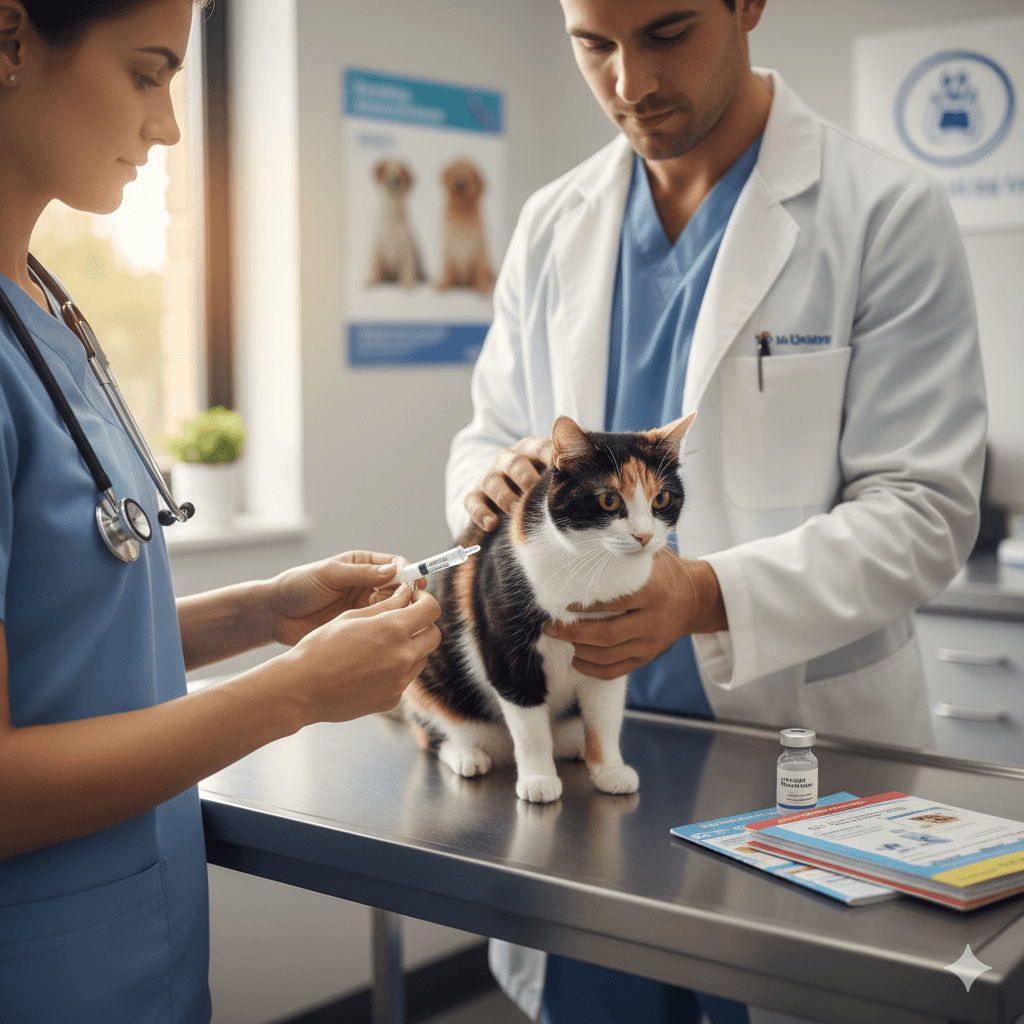
Vets will assess your cat’s temperature, eyes, ears, and overall condition—rabies vaccines shouldn’t be given to sick or feverish animals. - Injection Site and Procedure:
The vaccine is usually injected under the skin near the right hind leg; newer protocols aim to reduce vaccine-associated sarcoma risk. - Immediate Observation Period:
Though rare, allergic reactions can occur within minutes—most clinics monitor your cat for 10–15 minutes post-injection. - Issuance of Legal Documents:
You’ll receive a rabies certificate and often a metal tag; some clinics file records directly with local animal control. - Discussion of Future Boosters:
Your vet will advise whether your cat qualifies for a 1-year or 3-year booster based on vaccine type and local regulations.
This visit is also a chance to update other core vaccines or address flea, dental, or behavior concerns in one trip.
Special Considerations for Indoor Cats
Some owners assume indoor cats don’t need rabies vaccines—but laws and risk assessments say otherwise. Even strictly indoor cats can encounter rabies vectors:
- Bat Exposure Risk:
Bats can enter homes through open windows, chimneys, or attics—and are the leading source of rabies in domestic animals in the U.S. - Accidental Escapes:
A door left open or a loose harness can send an indoor cat outdoors, where encounters with raccoons, foxes, or stray animals are possible. - Legal Non-Exemption:
Most jurisdictions do not exempt indoor cats from rabies laws—your cat’s lifestyle doesn’t override public health mandates. - Travel or Boarding Requirements:
If you ever plan to fly with your cat, use a cattery, or visit a vet specialist, proof of rabies vaccination is almost always required. - Peace of Mind:
Vaccination eliminates the need for quarantine (which can last months) if your cat ever bites a human—even during play or fear-based nipping.
Protecting your indoor cat with a rabies vaccine is less about daily risk and more about legal safety and emergency preparedness.
Cost and Accessibility Options
While cost shouldn’t dictate life-saving care, financial barriers are real—fortunately, multiple affordable pathways exist for rabies vaccination:
- Standard Clinic Fees:
Private vets typically charge $20–$40 for a rabies vaccine, often bundled with an exam fee ($50–$80), though some offer vaccine-only appointments. - Municipal Low-Cost Clinics:
Many cities host annual or biannual rabies clinics for $10–$15, sometimes waiving fees for seniors or low-income residents with proof. - Nonprofit Spay/Neuter Events:
Organizations like FixNation or local rescues frequently include rabies vaccines during sterilization appointments at steep discounts. - Veterinary Financial Aid Programs:
Groups such as RedRover or Brown Dog Foundation offer grants or payment plans for essential vaccines in crisis situations. - State Rabies Control Programs:
Some states fund free rabies vaccines in high-risk counties—check your Department of Health or Agriculture website for announcements.
Always call ahead to confirm pricing, required documentation, and whether your cat needs to be microchipped or licensed first.
Preparing Your Cat for the Vaccination Appointment
Reducing stress improves safety and experience for everyone involved. Simple steps before and during the visit can make a big difference:
- Use a Secure Carrier:
Transport your cat in a hard-sided carrier with a familiar blanket; avoid soft carriers that offer less protection or restraint. - Familiar Scents and Calming Aids:
Spray the carrier with Feliway 15 minutes before travel or place a worn t-shirt inside to ease anxiety during transit. - Withhold Food Beforehand:
Offer a light meal 2–3 hours prior to reduce nausea risk if your cat gets stressed or needs sedation for handling. - Bring Medical Records:
If switching clinics, bring prior vaccine history to ensure correct booster timing and avoid unnecessary repeats. - Stay Calm and Reassuring:
Cats pick up on owner anxiety—speak softly, avoid sudden movements, and offer gentle pets if your cat tolerates touch at the vet.
A well-prepared cat is more cooperative, which helps the vet administer the vaccine quickly and safely.
Essential Resources and Support for Cat Rabies Vaccination
Beyond knowing where to go, accessing reliable information and community support can make the vaccination process smoother and less stressful. These resources help you stay informed, compliant, and confident in your pet care decisions:
- Local Animal Control Websites:
Most city or county animal services list licensed rabies clinics, legal requirements, and even online registration portals for pet licenses. - State Department of Health Directories:
These often publish annual rabies statistics, free clinic calendars, and guidelines for handling potential rabies exposures. - Veterinary Licensing Boards:
If you’re unsure whether a provider is legitimate, your state’s vet board website lets you verify credentials and report concerns. - Pet Owner Forums and Social Media Groups:
Local Facebook groups or Reddit communities frequently share real-time updates about pop-up clinics, wait times, and vet recommendations. - Rabies Hotlines and 24/7 Pet Poison Control Services:
Some offer free advice on post-vaccine reactions or what to do if your cat is exposed to a wild animal—keep these numbers saved.
Tapping into these support channels ensures you’re never navigating your cat’s rabies protection alone.
“Animal rabies vaccines should only be administered by a veterinarian or under veterinary supervision, in compliance with local laws.”
Frequently Asked Questions About Cat Rabies Vaccines
Is the rabies vaccine required for cats in all states?
Yes—every U.S. state has some form of rabies vaccination law for cats, though enforcement and age requirements vary by locality.
Can my cat get rabies from the vaccine?
No. The rabies vaccine for cats contains inactivated (killed) virus and cannot cause rabies infection.
How long does the rabies vaccine last for cats?
It depends on the product: some are labeled for 1 year, others for 3 years—your vet will choose based on law, cat’s age, and prior history.
Can a groomer or pet sitter give the rabies vaccine?
No. Only a licensed veterinarian (or vet tech under direct supervision in some states) may legally administer a rabies vaccine.
What happens if my unvaccinated cat bites someone?
In most areas, the cat must undergo a 10-day quarantine at a vet facility or animal control—at your expense—and may be euthanized if rabies is suspected.
Protecting Your Cat—and Your Community—Through Vaccination
Getting your cat a rabies vaccine is more than a legal checkbox; it’s a meaningful act of care that ripples outward. You’re not only shielding your feline companion from a terrifying, untreatable disease—you’re also helping protect your family, neighbors, and local wildlife ecosystem. Rabies control hinges on high vaccination rates in domestic animals, and every vaccinated cat contributes to that shield. Whether you visit a bustling urban clinic or a quiet mobile unit in a rural parking lot, that small injection represents a powerful commitment: to your pet’s well-being, to public safety, and to responsible ownership.
So take that step—locate a trusted provider, schedule the appointment, and rest easy knowing you’ve given your cat one of the simplest yet most vital gifts: protection for life.

Is Rawhide Bad for Cats? Best 7 Expert Tips! – Discover the risks, safe alternatives, and expert advice to keep your feline friend healthy and happy.

Is Rawhide Bad for Dogs? Best 7 Expert Tips! – Discover the risks, benefits, and safer alternatives to rawhides for your dog’s chewing needs.

Understanding Anorexia in Cats: Best 7 Expert Tips! – Learn why cats stop eating, spot warning signs, and discover how to help your feline regain appetite safely.

Understanding Anorexia in Dogs: Best 7 Expert Tips! – Learn causes, symptoms, and solutions to help your dog regain appetite and stay healthy.