
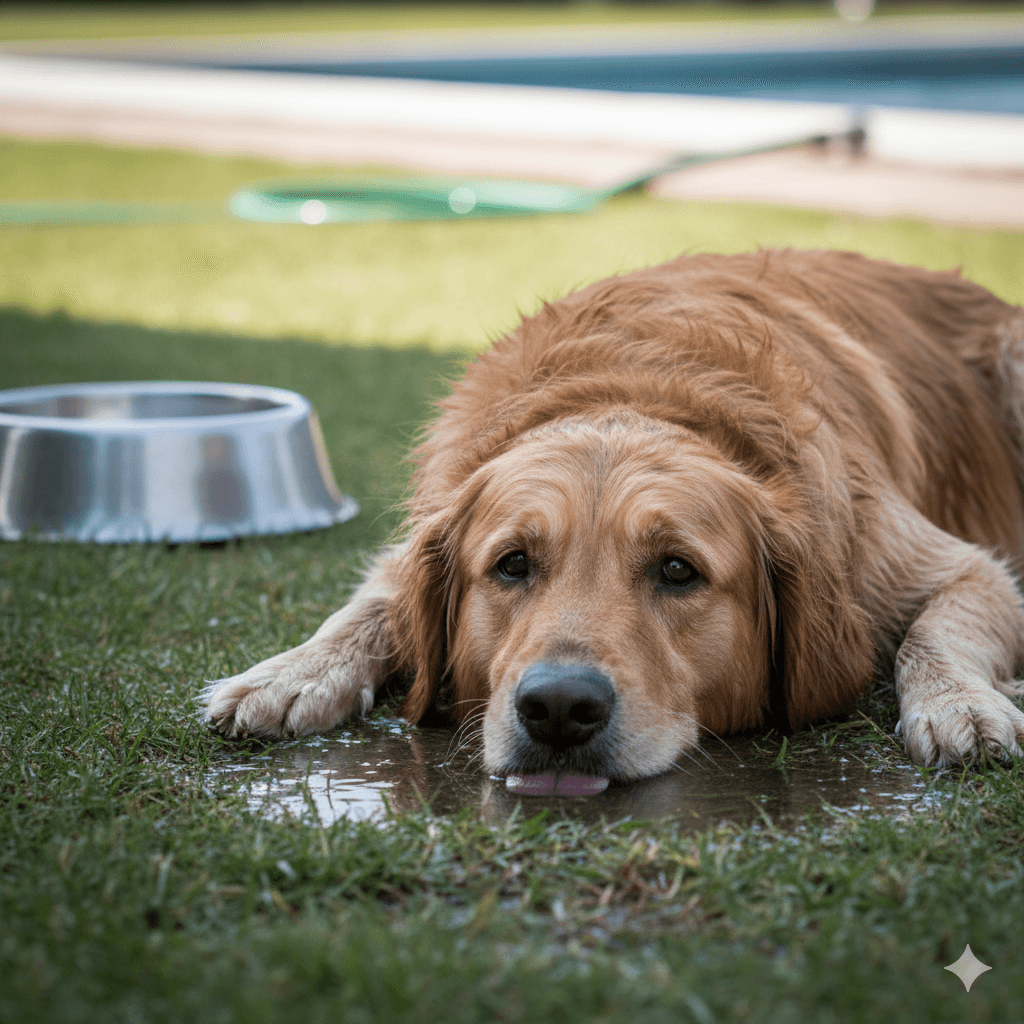

Understanding Water Intoxication in Dogs: Best 7 Expert Tips

Understanding Water Intoxication in Dogs: Best 7 Expert Tips

Understanding Water Intoxication in Dogs

Water intoxication—also known as hyponatremia—is a rare but life-threatening condition that can sneak up on dogs during play, swimming, or excessive water consumption. Unlike dehydration, which is more commonly recognized, water intoxication occurs when a dog ingests so much water that critical sodium levels in the blood drop dangerously low. This imbalance causes cells to swell, including those in the brain, leading to neurological distress and, in severe cases, organ failure. It’s often overlooked because it stems from something seemingly harmless: too much water. But with awareness and prevention, this emergency is entirely avoidable.

Common Causes of Water Intoxication in Dogs

Water intoxication typically happens during high-energy water activities or compulsive drinking behaviors. While any dog can be affected, certain situations dramatically increase the risk—especially in small breeds or enthusiastic swimmers. Understanding these triggers is the first step toward prevention:

 
  • Excessive Water Ingestion During Play:
    Dogs that bite at or gulp water while playing in sprinklers, pools, or lakes can swallow dangerous amounts without realizing it.
     
  • Retrieving Toys in Water:
    Repeated diving or fetching in lakes or pools often leads to unintentional water intake, especially with fast-paced or obsessive play.
     
  • Compulsive Water Drinking:
    Some dogs—due to medical issues like diabetes insipidus or behavioral conditions—drink far beyond their needs, overwhelming their system.
     
  • Use of Pressurized Water Sources:
    Playing with hoses or sprinklers that shoot water directly into a dog’s mouth increases the speed and volume of ingestion.
     
  • Post-Exercise Overhydration:
    After intense activity, some owners may overcorrect dehydration by offering unlimited water, which can backfire if consumed too rapidly.
 

Most cases occur suddenly during summer months or water-based outings—making vigilance during these times essential for safety.

Understanding Water Intoxication in Dogs: Best 7 Expert Tips

Early Warning Signs to Watch For

The initial symptoms of water intoxication can be subtle and easy to miss, often mimicking fatigue or mild stomach upset. However, they progress rapidly—sometimes within 30 to 60 minutes—so early detection is critical:

 
  • Lethargy or Weakness:
    Your dog may suddenly seem unusually tired, uncoordinated, or reluctant to move during or after water play.
     
  • Nausea or Drooling:
    Excessive salivation, lip-licking, or attempts to vomit (even if nothing comes up) can signal early distress.
     
  • Pale Gums and Dilated Pupils:
    These are subtle but important indicators of electrolyte imbalance and neurological stress.
     
  • Restlessness or Confusion:
    Your dog may pace, seem disoriented, or fail to respond normally to familiar commands or cues.
     
  • Bloating or Abdominal Distension:
    The stomach may appear swollen, not from gas (like in bloat), but from rapid fluid overload.
 

If you notice any of these signs during or shortly after water exposure, stop activity immediately and seek veterinary help—time is crucial.

High-Risk Scenarios
Protective Measures
Small breeds playing in pools or lakes
Limit water play to 10–15 minutes with frequent breaks
Dogs that “mouth” water continuously
Redirect to dry toys or supervised fetch on land
Post-exercise rehydration
Offer small amounts of water every 5–10 minutes instead of free access
Use of sprinklers or hoses
Avoid direct streams into the mouth; opt for shallow wading only
History of compulsive drinking
Consult a vet to rule out medical causes and manage access

Breeds and Dogs Most at Risk

While any dog can develop water intoxication, some are inherently more vulnerable due to size, behavior, or physiology. Recognizing your dog’s risk level helps you tailor prevention strategies:

 
  • Small and Toy Breeds:
    Dogs under 15 pounds (like Chihuahuas, Yorkies, or Maltese) have less body mass to buffer sodium imbalances, making them far more susceptible.
     
  • High-Energy Water Lovers:
    Breeds like Labradors or Spaniels may not be small, but their intense drive to retrieve in water increases ingestion risk during long sessions.
     
  • Dogs with Medical Conditions:
    Conditions such as Cushing’s disease, kidney issues, or psychogenic polydipsia can trigger abnormal thirst and water consumption.
     
  • Puppies:
    Their developing systems are less resilient, and their enthusiasm often overrides natural limits during play.
     
  • Senior Dogs with Cognitive Decline:
    Older dogs may forget normal drinking patterns and overconsume due to confusion or anxiety.
 

Knowing your dog’s profile allows you to set safer boundaries during warm-weather activities and water exposure.

Immediate First Aid and Emergency Response

If you suspect water intoxication, act quickly—this is a true veterinary emergency. While en route to the clinic, you can take a few critical steps to support your dog:

 
  • Stop All Water Intake Immediately:
    Remove access to water, hoses, or wet surfaces to prevent further ingestion.
     
  • Keep Your Dog Calm and Warm:
    Stress worsens neurological symptoms; wrap them gently in a dry towel and speak softly to reduce anxiety.
     
  • Do Not Induce Vomiting:
    Unlike toxin ingestion, vomiting won’t help and may worsen electrolyte shifts or cause aspiration.
     
  • Call Your Vet En Route:
    Alert the clinic so they can prepare IV fluids, sodium correction protocols, and monitoring equipment ahead of arrival.
     
  • Monitor Breathing and Consciousness:
    Note any seizures, collapse, or irregular breathing—these signal advanced stages requiring urgent ICU-level care.
 

Every minute counts; survival rates are high with rapid intervention, but delays can be fatal within hours.


Prevention Strategies for Safe Water Fun

You don’t need to avoid water play altogether—just approach it with smart limits and supervision. These practical habits keep hydration healthy and fun without crossing into danger:

 
  • Enforce Scheduled Breaks:
    Limit continuous water play to 10–15 minutes, followed by 20-minute rest periods on dry land.
     
  • Offer Electrolyte-Safe Hydration:
    After exercise, consider vet-approved canine electrolyte solutions (not human sports drinks) to maintain balance.
     
  • Teach “Leave It” Around Water:
    Train your dog to stop mouthing or gulping water on command—a lifesaving skill during lake or pool visits.
     
  • Use Floating Toys That Minimize Splashing:
    Choose toys that sit on the surface rather than requiring deep diving or snapping at jets.
     
  • Monitor Total Daily Water Intake:
    Know your dog’s baseline (typically ½ to 1 ounce per pound of body weight per day) and watch for sudden spikes.
 

Prevention isn’t about restriction—it’s about mindful enjoyment that honors your dog’s limits.

What Happens at the Vet: Diagnosis and Treatment

Veterinarians treat water intoxication as a critical sodium imbalance. Upon arrival, your dog will undergo rapid assessment and stabilization:

 
  • Bloodwork for Sodium Levels:
    A serum sodium level below 135 mmol/L confirms hyponatremia; severe cases drop below 120 mmol/L.
     
  • IV Fluids with Controlled Sodium:
    Carefully calibrated saline solutions are administered slowly to avoid osmotic shock to brain cells.
     
  • Neurological Monitoring:
    Seizures, coma, or brain swelling may require medications like mannitol or corticosteroids.
     
  • Hospitalization for 24–72 Hours:
    Even if symptoms improve, sodium must be corrected gradually to prevent rebound complications.
     
  • Follow-Up Testing:
    Underlying causes (like hormonal imbalances) may be investigated once the crisis is managed.
 

With prompt, expert care, most dogs recover fully—but the key is getting help before neurological symptoms escalate.

Long-Term Care and Behavioral Adjustments

After an episode—or even as a precaution—adjusting your dog’s routine can prevent recurrence and promote safer hydration habits:

 
  • Reintroduce Water Play Cautiously:
    If your dog had a mild incident, avoid high-risk activities for several weeks and reintroduce water slowly.
     
  • Work with a Behaviorist for Compulsive Drinking:
    If overdrinking is psychological, a certified trainer can help address anxiety or obsessive behaviors.
     
  • Install Water Flow Regulators:
    For dogs that gulp from bowls, consider slow-feed water dispensers that limit intake speed.
     
  • Create Alternative Cooling Methods:
    Use damp towels, shade, or cooling mats instead of relying solely on water for heat relief.
     
  • Educate Family and Dog Walkers:
    Ensure everyone who cares for your dog understands the risks and signs of overhydration.
 

Turning awareness into action ensures your dog stays cool, happy, and safe all summer long.

Frequently Asked Questions About Water Intoxication in Dogs

Can a dog get water intoxication from just drinking from a bowl?

It’s rare but possible—especially in small dogs with medical conditions that cause extreme thirst or compulsive drinking behaviors.

Generally, more than 2 ounces per pound in a single sitting or more than 24 ounces total in an hour for a small dog raises concern.

No—salt water causes hypernatremia (too much sodium), which is also dangerous. Both require caution during beach or ocean play.

Bloat (GDV) involves stomach twisting and gas buildup, while water intoxication is a blood electrolyte imbalance—different causes, different emergencies.

Yes—dogs may ingest excess water from melting ice, repeated licking of wet paws, or indoor play with hoses or bathtubs.

Keeping Your Dog Safe Without Sacrificing Joy

Water play brings dogs immense joy—the splash of a lake, the thrill of a sprinkler, the cool relief on a hot day. But as with all good things, balance is key. Water intoxication is a quiet, fast-moving danger that affects even the healthiest dogs when safeguards aren’t in place. By understanding the risks, recognizing early signs, and adjusting how your dog interacts with water, you protect their well-being without dimming their spirit. After all, the goal isn’t to stop the fun—it’s to ensure every wag, leap, and splash ends with a happy, healthy dog curled up safely at your feet.

Understanding Cryptosporidium in Cats: Best 7 Expert Tips!

Understanding Cryptosporidium in Cats: Best 7 Expert Tips! – Spot symptoms, treat safely, and stop parasite spread in your home.

Understanding Cryptosporidium in Dogs: Best 7 Expert Tips!

Understanding Cryptosporidium in Dogs: Best 7 Expert Tips! – Learn symptoms, treatment & prevention for this stubborn gut parasite.

Understanding Syringomyelia in Cats: Best 7 Expert Tips!

Understanding Syringomyelia in Cats: Best 7 Expert Tips! – Recognize signs, manage pain, and support your cat’s neurological health with vet-backed guidance.

Understanding Syringomyelia in Dogs: Best 7 Expert Tips!

Understanding Syringomyelia in Dogs: Best 7 Expert Tips! – Expert insights on symptoms, MRI diagnosis, pain management & quality of life.

Leave a Reply

Your email address will not be published. Required fields are marked *


