


Understanding the Dog Flank: Anatomy and Care
The flank of a dog is an important yet often overlooked part of their anatomy. Located on the sides of their body between the ribs and the hips, the flank plays a key role in movement, flexibility, and overall health. While it may seem like just another part of your dog’s body, understanding the flank can help you better care for your furry friend. Whether you’re checking for injuries, grooming, or simply learning more about your dog’s physiology, knowing what to look for in this area is essential. In this blog post, we’ll explore everything you need to know about the dog flank, including its anatomy, common issues, and tips for keeping it healthy.
What Is the Dog Flank?
The flank is a specific area on a dog’s body that serves both functional and protective purposes. Here’s what you need to know about this unique region:
Location : The flank is situated on the sides of the dog’s torso, stretching from the last rib to the pelvis.
Muscle Composition : It contains muscles that assist in movement, such as running, jumping, and turning.
Skin Sensitivity : The skin in this area is often thinner and more sensitive compared to other parts of the body.
Role in Grooming : The flank is a common spot for matting in long-haired breeds, requiring regular brushing.
Indicator of Health : Changes in the flank’s appearance, such as swelling or hair loss, can signal underlying health issues.
Understanding the flank’s anatomy helps you appreciate its importance and recognize when something might be wrong.
Common Issues Affecting the Dog Flank
The flank is prone to certain conditions that pet owners should be aware of. Here are some common issues that can affect this area:
Skin Irritation : Allergies, insect bites, or friction from harnesses can cause redness and discomfort.
Hair Loss : Patchy fur on the flank may indicate parasites, hormonal imbalances, or stress.
Lumps or Swelling : Growths or abscesses in the flank area should be evaluated by a veterinarian.
Infections : Bacterial or fungal infections can develop in the flank due to moisture or poor hygiene.
Trauma : Cuts, scrapes, or bruises are common in active dogs who run through dense vegetation.
Addressing these issues promptly ensures your dog remains comfortable and avoids complications.
Check this guide 👉Dog Heart Anatomy: Best 7 Expert Tips!
Check this guide 👉Understanding Dog Mouth Anatomy: Best 7 Expert Tips!
Check this guide 👉Understanding Dog Stomach Anatomy: Best 7 Health Tips!
Tips for Flank Care | Signs of Flank Problems |
|---|---|
Brush regularly to prevent matting | Redness or irritation |
Check for ticks and fleas after walks | Hair loss or bald patches |
Use gentle grooming tools for sensitive skin | Lumps, bumps, or swelling |
Avoid tight harnesses that rub the flank | Unusual odor or discharge |
Keep the area clean and dry | Excessive licking or chewing of the flank |
How to Groom and Maintain Your Dog’s Flank
Proper grooming is essential for keeping your dog’s flank healthy and free of issues. Here are some tips to help you care for this area:
Brush Regularly : Use a soft-bristle brush or comb to remove tangles and prevent matting, especially in long-haired breeds.
Inspect After Outdoor Activities : Check the flank for cuts, ticks, or debris after playing outside.
Use Hypoallergenic Products : Opt for shampoos and conditioners designed for sensitive skin to avoid irritation.
Trim Excess Hair : For dogs with thick coats, trimming the flank area can reduce the risk of matting and overheating.
Monitor for Changes : Keep an eye out for any unusual lumps, discoloration, or behavioral changes related to the flank.
Consistent grooming and attention to detail can keep your dog’s flank in excellent condition year-round.
Preventive Measures for Flank Health
Preventing problems before they arise is key to maintaining your dog’s flank health. Here are some proactive steps you can take:
Maintain a Healthy Diet : Proper nutrition supports skin and coat health, reducing the risk of dryness or irritation.
Avoid Harsh Chemicals : Steer clear of products containing harsh chemicals that could irritate the flank area.
Provide Adequate Exercise : Regular activity promotes circulation and reduces stiffness in the flank muscles.
Protect Against Parasites : Use flea and tick prevention methods to safeguard your dog’s skin.
Schedule Routine Vet Visits : Regular check-ups can catch potential issues early before they worsen.
Taking these preventive measures ensures your dog’s flank remains healthy and problem-free.
Signs of a Healthy Dog Flank
A healthy flank is an indicator of your dog’s overall well-being. Here are some signs that your dog’s flank is in good condition:
Smooth Coat : The hair on the flank should be shiny, soft, and free of mats or tangles.
No Redness or Irritation : The skin under the fur should appear normal, without redness, bumps, or flakiness.
No Unusual Odors : A healthy flank should not emit any strong or unpleasant smells.
Normal Movement : Your dog should move comfortably without signs of stiffness or discomfort in the flank area.
No Excessive Licking : If your dog ignores their flank, it’s a good sign that nothing is bothering them.
By regularly checking for these signs, you can ensure your dog’s flank remains healthy and address any issues early if they arise.
How to Spot Fleas or Ticks on the Flank
The flank is a common area where fleas and ticks tend to hide, making regular inspections crucial. Here’s how to identify these pests:
Visible Insects : Fleas are small, dark, fast-moving bugs that may scurry through the fur.
Black Specks : Flea dirt (tiny black specks) can often be found near the base of the fur.
Swollen Bites : Flea bites may cause raised, red bumps or patches of irritation.
Tick Presence : Ticks attach themselves to the skin and look like small, round bumps that grow larger as they feed.
Behavioral Cues : Excessive scratching, biting, or rubbing the flank area may indicate flea or tick activity.
Early detection and removal of fleas or ticks can prevent further complications and keep your dog comfortable.
When to See a Vet About Flank Issues
While minor flank issues can often be managed at home, some situations require professional veterinary attention. Here’s when you should seek help:
Persistent Hair Loss : If your dog continues to lose fur despite treatment, it could signal an underlying health issue.
Unexplained Swelling : Any sudden or unexplained swelling in the flank area should be evaluated by a vet.
Chronic Itching : Ongoing scratching or licking that doesn’t improve may indicate allergies or infections.
Open Wounds or Sores : Cuts, scrapes, or sores that don’t heal properly need medical attention.
Behavioral Changes : If your dog becomes lethargic or avoids movement due to flank discomfort, consult a vet immediately.
Prompt veterinary care ensures that serious conditions are diagnosed and treated before they escalate, keeping your dog healthy and happy.
Frequently Asked Questions About Dog Flanks
Why does my dog lick their flank excessively?
Excessive licking could indicate allergies, irritation, or pain in the flank area.
Can I shave my dog’s flank to prevent matting?
Yes, but consult a professional groomer to avoid cutting too close to the skin.
What causes hair loss on a dog’s flank?
Hair loss can result from parasites, hormonal imbalances, or skin infections.
How do I clean my dog’s flank safely?
Use a damp cloth or mild dog shampoo, avoiding harsh scrubbing or chemicals.
Should I worry about a lump on my dog’s flank?
Any new or unusual lump should be examined by a vet to rule out serious conditions.
Prioritizing Your Dog’s Flank Health
The flank may not be the most glamorous part of your dog’s body, but it plays a vital role in their overall well-being. By understanding its anatomy, recognizing potential issues, and practicing proper care, you can ensure this area remains healthy and comfortable for your furry companion. Whether through regular grooming, preventive measures, or prompt veterinary attention, there are countless ways to support your dog’s flank health. Remember, even small efforts can make a big difference in keeping your dog happy, active, and thriving.
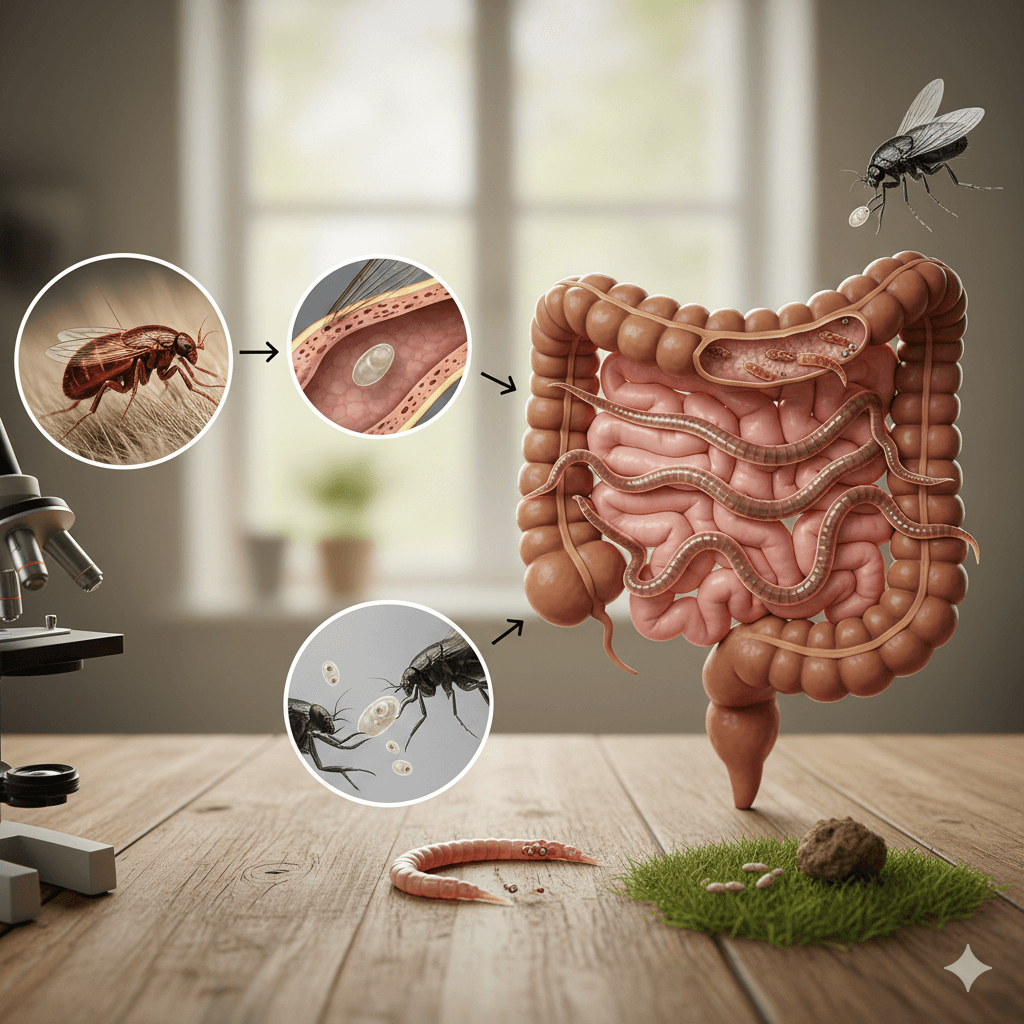
Dog Tapeworm Life Cycle: Best 7 Expert Tips! – Learn how tapeworms infect dogs, spot symptoms, and break the cycle with expert prevention strategies.

Anxious Cat Body Language: Best 7 Expert Tips! – Learn to spot signs of stress, understand triggers, and help your cat feel safe and relaxed.

Anxious Dog Body Language: Best 7 Expert Tips! – Learn to spot signs of anxiety, respond effectively, and help your dog feel safe and secure.

Is Breeding Dogs Bad? Best 7 Expert Tips! – Explore the ethics, benefits, and risks of dog breeding to make informed decisions for a better future.