

Understanding the Cat Sleep Cycle
Cats are known for their incredible ability to sleep—sometimes up to 16 hours a day or more! But have you ever wondered why your feline friend spends so much time napping? The cat sleep cycle is a fascinating blend of deep rest, light snoozing, and bursts of energy. Understanding this cycle not only helps you appreciate your cat’s behavior but also ensures they’re getting the rest they need to stay healthy and happy. Whether you’re a new cat owner or a seasoned feline enthusiast, let’s dive into the science and habits behind your cat’s sleeping patterns.
Expert Insight: The Science Behind Feline Sleep
“Cats fuel their energy and maintain physical and mental health by getting plenty of sleep. One of the most distinguishing things about feline slumber is how quickly they manage to fall asleep! Cats can do this because they are drifting in and out of ‘slow-wave’ sleep.”
The Stages of the Cat Sleep Cycle
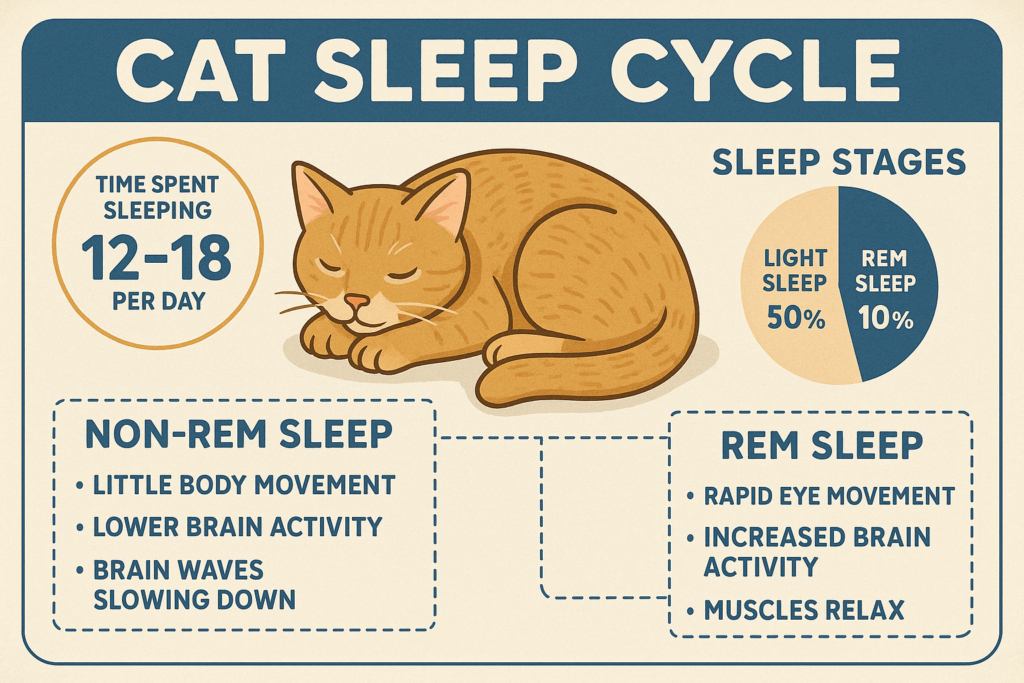
A cat’s sleep cycle is divided into distinct stages, each serving a unique purpose in their daily routine. These stages explain why cats alternate between deep slumber and quick, active moments.
Light Sleep (NREM):
During light sleep, cats remain semi-alert, ready to wake at the slightest sound. This stage makes up most of their sleep cycle and helps them conserve energy.Deep Sleep (REM):
In REM sleep, cats experience rapid eye movement and may twitch or dream. This stage is crucial for memory processing and overall brain health.Short Awake Periods:
Cats often wake briefly between sleep cycles to stretch, groom, or check their surroundings. These moments help them stay vigilant and refreshed.Energy Conservation:
The sleep cycle allows cats to conserve energy for hunting or play, even though domestic cats no longer hunt for survival.Adaptability to Environment:**
Cats adjust their sleep patterns based on their environment, sleeping more during the day if their home is quiet and active at night if stimulated.
Understanding these stages provides insight into your cat’s natural rhythms and how they balance rest with activity.
Why Do Cats Sleep So Much?
Cats’ impressive sleep habits are rooted in their biology and evolutionary history. Here’s why your furry companion spends so much time catching Z’s.
Nocturnal Ancestors:
Wild cats are crepuscular hunters, meaning they’re most active during dawn and dusk. Domestic cats retain this trait, sleeping during the day and playing at night.High-Energy Bursts:
Cats burn a lot of energy during short bursts of activity, such as chasing toys or climbing furniture. Their long naps help replenish this energy.Energy Efficiency:
Sleeping conserves calories, which was essential for wild cats who needed to hunt for food. Domestic cats still follow this instinct despite having meals provided.Warmth and Comfort:
Cats love cozy spots, and sleeping helps them regulate body temperature, especially in cooler environments.Age Factor:
Kittens and senior cats sleep more than adult cats, as they require extra rest for growth or due to reduced energy levels.
These factors explain why cats prioritize sleep as a key part of their daily lives, ensuring they’re ready for whatever comes next.
Check this guide 👉Why Does My Cat Sleep on Me? Best 7 Behavior Tips!
Check this guide 👉Why Wont My Cat Sleep With Me? Best 7 Expert Tips!
Check this guide 👉Can Cats Purr in Their Sleep? Best 7 Expert Tips!
Cat Sleep Habits | Tips for Supporting Healthy Sleep |
|---|---|
Cats sleep 12-16 hours per day | Provide a quiet, comfortable sleeping area |
Most active during dawn and dusk | Engage in playtime before bedtime |
Prefer warm, enclosed sleeping spots | Offer cozy beds or blankets |
Adjust sleep patterns to match owners | Maintain a consistent daily routine |
Dream during REM sleep | Avoid disturbing them during deep sleep |
How to Create an Ideal Sleep Environment for Your Cat
Providing a comfortable and safe space for your cat to sleep can enhance their rest and well-being. Follow these tips to design the perfect sleep sanctuary.
Choose Quiet Locations:
Place your cat’s bed in a low-traffic area where they won’t be disturbed by noise or sudden movements.Provide Warmth:
Cats love warmth, so consider adding heated pads or soft blankets to their sleeping area during colder months.Offer Enclosed Spaces:
Many cats feel secure in enclosed beds or boxes, mimicking the sheltered spaces they’d seek in the wild.Maintain a Routine:
Cats thrive on consistency. Stick to regular feeding, play, and sleep schedules to align with their natural rhythms.Limit Nighttime Disturbances:
If your cat wakes you at night, try engaging them in play earlier in the evening to tire them out before bed.
Creating a supportive sleep environment ensures your cat gets the rest they need while fostering harmony in your household.
Signs Your Cat Isn’t Sleeping Well
While cats naturally sleep a lot, certain behaviors may indicate they’re not resting properly. Recognizing these signs can help you address potential issues early.
Excessive Daytime Sleepiness:
If your cat seems unusually lethargic during the day, it could signal illness or discomfort.Restlessness at Night:
Pacing, meowing, or scratching at night might mean your cat isn’t getting enough exercise or mental stimulation.Changes in Sleep Patterns:
A sudden increase or decrease in sleep duration could indicate stress, pain, or underlying health problems.Aggression or Irritability:
Lack of proper rest can make cats cranky or overly reactive to stimuli.Hiding More Than Usual:
Cats that retreat frequently may be trying to find a quieter place to sleep, signaling dissatisfaction with their current setup.
Monitoring your cat’s sleep habits allows you to identify and resolve any issues affecting their rest.
Benefits of Understanding the Cat Sleep Cycle
Learning about your cat’s sleep cycle offers numerous benefits for both you and your pet. It helps you anticipate their behavior and respond appropriately to their needs.
Improved Bonding:
Knowing when your cat is most active allows you to engage in meaningful playtime, strengthening your connection.Better Health Monitoring:
Familiarity with their sleep patterns helps you notice irregularities that might indicate illness or discomfort.Reduced Stress for Your Cat:
Providing a predictable routine minimizes anxiety and promotes relaxation.Enhanced Household Harmony:
Aligning your schedule with your cat’s natural rhythms reduces disruptions like nighttime wake-ups.Tailored Care for Individual Needs:
Every cat is unique, and understanding their sleep preferences ensures personalized care.
By appreciating the nuances of your cat’s sleep cycle, you create a nurturing environment where they can thrive.
Fun Facts About Cat Sleep
Cats’ sleep habits are full of quirky and fascinating details that highlight their unique nature. Here are some fun facts to deepen your appreciation for your sleepy companion.
They Can Fall Asleep Anywhere:
Cats are masters of finding unconventional nap spots, from sinks to bookshelves.Kittens Sleep Up to 20 Hours Daily:
Young kittens spend most of their time sleeping to support rapid growth and development.Dreaming Starts Early:
Kittens begin dreaming during REM sleep within weeks of being born.Cats Nap Strategically:
Their sleep locations often reflect their desire for warmth, safety, or vantage points.Sleep Reflects Personality:
Some cats prefer curling up tightly, while others sprawl out—each style reveals something about their personality.
These tidbits showcase just how remarkable and endearing our feline friends truly are.
How to Encourage Healthy Sleep Habits
Promoting healthy sleep habits is essential for your cat’s physical and emotional well-being. These strategies can guide you in fostering a balanced sleep routine.
Establish a Play Routine:
Schedule daily play sessions to tire your cat out and encourage deeper, more restful sleep.Provide Mental Stimulation:
Puzzle feeders and interactive toys keep your cat mentally engaged, reducing boredom-related restlessness.Create a Cozy Bedding Setup:
Use soft materials and elevated surfaces to make their sleeping area inviting and secure.Limit Evening Treats:
Feeding treats too late can disrupt their sleep cycle; aim for earlier feeding times instead.Monitor Environmental Changes:
Sudden shifts in noise, lighting, or household activity can affect your cat’s sleep. Minimize disturbances whenever possible.
With these practices, you’ll help your cat develop healthy sleep habits that benefit both of you.
Frequently Asked Questions About the Cat Sleep Cycle
Why does my cat sleep so much during the day?
Cats are crepuscular, meaning they’re most active during dawn and dusk. Daytime naps prepare them for nighttime activity.
Do cats dream?
Yes, cats experience REM sleep, during which they may twitch or vocalize as they dream.
Is it normal for my cat to snore?
Occasional snoring is usually harmless, especially in brachycephalic breeds like Persians, but consult a vet if it’s excessive.
How can I stop my cat from waking me up at night?
Tire your cat out with play sessions before bed and provide toys or puzzles to keep them entertained overnight.
Should I worry if my cat sleeps less than usual?
A slight change may be temporary, but persistent changes in sleep patterns warrant a vet visit to rule out health concerns.
Respecting Your Cat’s Sleep Cycle for a Happier Life
Understanding the cat sleep cycle is key to providing the best care for your feline companion. From recognizing their natural rhythms to creating a peaceful sleep environment, small adjustments can make a big difference in their quality of life. By respecting their need for rest and ensuring they have opportunities for play and exploration, you’ll strengthen your bond and enjoy a harmonious home. After all, a well-rested cat is a happy—and adorable—cat!
Understanding Cryptosporidium in Cats: Best 7 Expert Tips! – Spot symptoms, treat safely, and stop parasite spread in your home.
Understanding Cryptosporidium in Dogs: Best 7 Expert Tips! – Learn symptoms, treatment & prevention for this stubborn gut parasite.
Understanding Syringomyelia in Cats: Best 7 Expert Tips! – Recognize signs, manage pain, and support your cat’s neurological health with vet-backed guidance.
Understanding Syringomyelia in Dogs: Best 7 Expert Tips! – Expert insights on symptoms, MRI diagnosis, pain management & quality of life.


