
Understanding Syringomyelia in Cats: Best 7 Expert Tips!
Syringomyelia is a rare but serious neurological condition that can affect cats, causing pain, nerve dysfunction, and changes in behavior or mobility. Though more commonly associated with certain dog breeds, it can occur in felines—often due to congenital malformations or trauma. Early recognition of subtle signs is crucial, as timely veterinary care can significantly improve your cat’s comfort and quality of life. If your cat seems unusually sensitive around the neck, cries out unexpectedly, or shows odd gait changes, it’s worth investigating further. With compassion, awareness, and expert guidance, you can support your feline through diagnosis and management of this complex condition.
What Is Syringomyelia and How Does It Develop?
Syringomyelia involves the formation of fluid-filled cavities (syrinxes) within the spinal cord, often triggered by disrupted cerebrospinal fluid flow. In cats, it’s frequently linked to structural abnormalities at the base of the skull, similar to Chiari-like malformations in dogs—though less documented. Understanding its origins helps clarify why symptoms appear and how progression may unfold:
- Congenital Skull or Spine Malformations:
Some cats are born with an abnormally shaped foramen magnum (the opening where the spinal cord meets the brain), compressing fluid pathways and leading to syrinx formation over time. - Traumatic Injury:
Spinal cord trauma from falls, bites, or accidents can damage tissue and disrupt fluid dynamics, potentially triggering syrinx development weeks or months later. - Tumors or Inflammatory Conditions:
Rarely, masses or chronic inflammation near the spinal cord can obstruct fluid flow and contribute to cavity formation. - Idiopathic Cases:
In many feline cases, no clear cause is identified—making diagnosis more challenging but no less urgent. - Progressive Nature:
Syrinxes often expand slowly, meaning symptoms may worsen gradually, starting subtly and becoming more pronounced over months or years.
While uncommon, syringomyelia in cats should never be dismissed—it requires neurological evaluation to rule out other conditions and determine appropriate care.
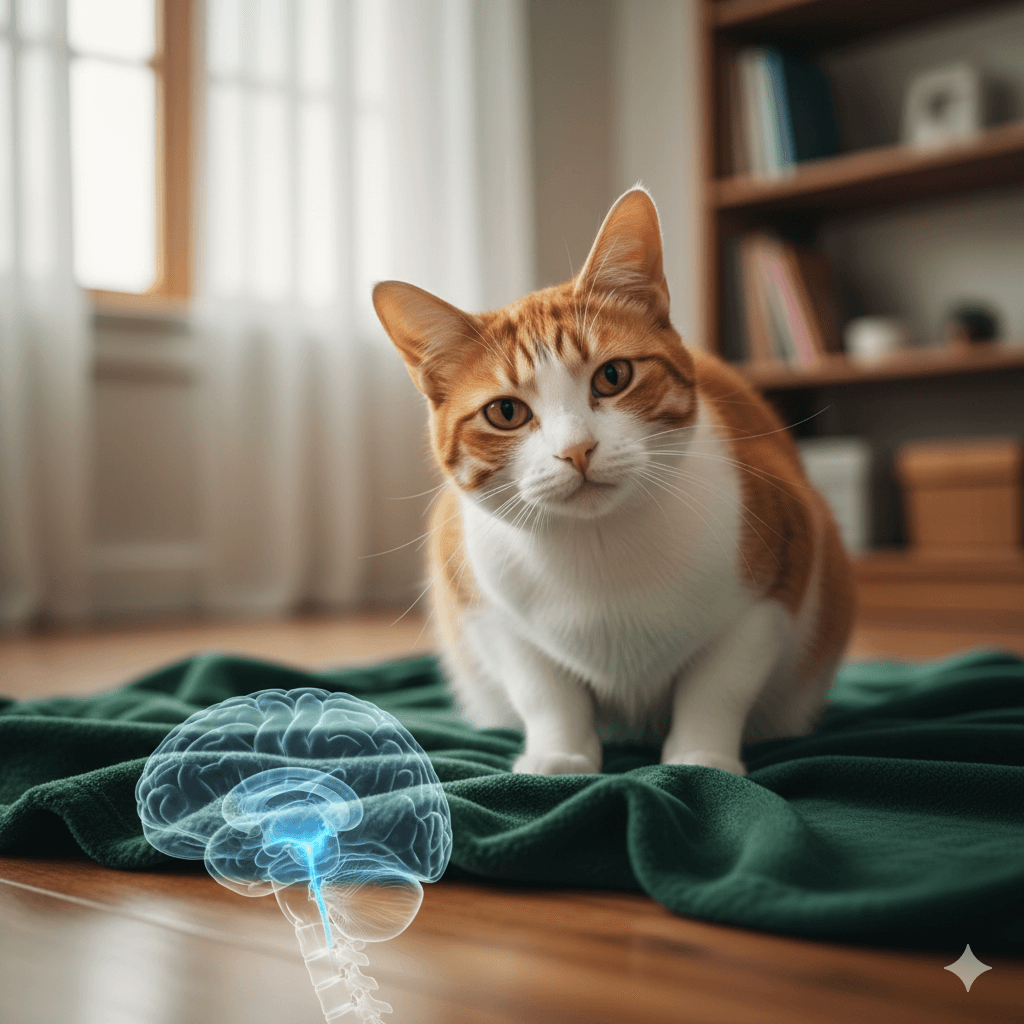
Common Signs and Symptoms to Watch For
Cats are masters at hiding discomfort, so symptoms of syringomyelia can be vague or easily mistaken for aging or arthritis. However, vigilant owners often notice subtle shifts in posture, movement, or behavior that signal something deeper:
- Neck Pain or Sensitivity:
Your cat may cry when picked up under the chest, avoid lowering their head to eat, or resist touch near the shoulders or base of the skull. - Abnormal Scratching or Pawing:
“Air scratching” with one hind leg—often without touching the body—can indicate nerve irritation in the cervical spinal cord. - Gait Changes or Weakness:
Stumbling, wobbliness, or dragging of the hind limbs may occur as the syrinx affects motor pathways. - Muscle Atrophy:
Visible thinning of shoulder or neck muscles on one side can develop due to nerve disruption and disuse. - Behavioral Shifts:
Increased irritability, hiding, reduced grooming, or reluctance to jump may reflect chronic pain or neurological discomfort.
Because these signs overlap with other feline conditions—like arthritis, disc disease, or even dental pain—professional diagnostics are essential for accurate identification.
Check this guide 👉Understanding Pemphigus in Cats: Best 7 Expert Tips!
Check this guide 👉Understanding Blastomycosis in Cats: Best 7 Expert Tips!
Check this guide 👉Understanding Halitosis in Cats: Best 7 Expert Tips!
Early Behavioral Clues | Physical & Neurological Signs |
|---|---|
Reluctance to be handled near neck | Uncoordinated walking or stumbling |
Sudden vocalization during rest | Asymmetric muscle loss in shoulders |
Decreased interest in play | Repetitive, non-productive scratching |
Hiding more than usual | Difficulty jumping onto favorite spots |
Changes in litter box posture | Head tilt or unusual neck positioning |
Diagnostic Process: How Vets Confirm Syringomyelia
Diagnosing syringomyelia in cats requires advanced imaging and a thorough neurological workup, as blood tests and X-rays alone won’t reveal spinal cord cavities. Your vet will likely refer you to a veterinary neurologist for definitive evaluation:
- Neurological Examination:
A detailed assessment of reflexes, posture, pain response, and gait helps localize the issue to the cervical (neck) spinal region. - MRI (Magnetic Resonance Imaging):
The gold standard for diagnosis—MRI clearly visualizes syrinxes, skull malformations, and surrounding soft tissue abnormalities. - CT Scan as an Alternative:
While less detailed for soft tissue, a CT scan can still identify bony anomalies contributing to fluid flow obstruction. - Ruling Out Other Conditions:
Tests may exclude feline infectious peritonitis (FIP), spinal tumors, discospondylitis, or trauma-related injuries with similar presentations. - Monitoring Over Time:
In mild cases, repeat imaging may be recommended to track syrinx size and progression before deciding on treatment intensity.
Early and accurate diagnosis not only confirms syringomyelia but also helps tailor a management plan that prioritizes your cat’s long-term comfort.
Treatment and Management Options
There is no universal cure for syringomyelia, but several strategies can reduce pain, slow progression, and improve your cat’s daily well-being. Treatment is highly individualized based on severity, cause, and your cat’s overall health:
- Pain Management Medications:
Gabapentin, opioids, or NSAIDs (used cautiously in cats) may be prescribed to control neuropathic or inflammatory pain—always under strict vet supervision. - Corticosteroids for Inflammation:
Short-term steroid use can reduce swelling around the spinal cord, though long-term use is avoided due to side effects like diabetes or immunosuppression. - Surgical Intervention (Rare):
In select cases with severe foramen magnum compression, decompressive surgery may be considered—but it’s uncommon in cats due to risks and limited data. - Environmental Modifications:
Provide low-sided litter boxes, elevated food bowls, and soft bedding to minimize strain on the neck and spine during daily activities. - Physical Therapy or Acupuncture:
Some veterinary rehab centers offer gentle therapies to maintain mobility and reduce discomfort, though evidence in cats is anecdotal.
The goal is not necessarily to “fix” the condition but to ensure your cat lives as comfortably and joyfully as possible for as long as possible.
Long-Term Care and Quality of Life Considerations
Managing syringomyelia is often a lifelong commitment, requiring patience, observation, and regular veterinary check-ins. With thoughtful adjustments, many cats maintain good quality of life for months or even years:
- Regular Pain Assessments:
Track subtle changes in behavior, appetite, or mobility—cats won’t limp like dogs, so watch for missed jumps or grooming gaps instead. - Hydration and Kidney Health:
Pain meds can affect kidney function; ensure access to fresh water and consider regular bloodwork to monitor organ health. - Avoid Stress and Overexertion:
Keep routines predictable and limit exposure to loud noises, new pets, or chaotic environments that may worsen discomfort. - Maintain Ideal Weight:
Extra pounds increase spinal strain; work with your vet to keep your cat lean and agile through measured feeding and gentle play. - Emotional Support:
Spend quiet time together—gentle petting (where tolerated), soft talking, and calm companionship provide deep comfort to a cat in chronic pain.
Quality of life isn’t just about mobility—it’s about dignity, safety, and the quiet joy of being loved through challenges.
Prognosis and When to Consider Difficult Decisions
The outlook for cats with syringomyelia varies widely. Some remain stable for years with minimal symptoms, while others experience progressive decline despite treatment. Honest conversations with your vet help guide compassionate choices:
- Stable, Mild Cases:
With good pain control and environmental support, many cats enjoy years of comfortable life with only minor limitations. - Progressive Neurological Decline:
Worsening weakness, incontinence, or inability to eat or move without distress may signal advancing disease. - Medication Side Effects:
If pain control requires drugs that severely impact organ function or behavior, benefits must be weighed against burden. - Loss of Joy in Daily Activities:
A cat that no longer purrs, seeks affection, or shows interest in windows or toys may be telling you they’re suffering. - Veterinary Quality-of-Life Scales:
Tools like the “HHHHHMM” scale (Hurt, Hunger, Hydration, Hygiene, Happiness, Mobility, More Good Days Than Bad) offer objective guidance during tough moments.
Letting go is never easy—but choosing peace over prolonged suffering is the deepest form of love you can offer your feline friend.
Expert Care Strategies for Managing Syringomyelia in Cats
Successfully managing syringomyelia requires a proactive, multi-faceted approach that prioritizes pain control, environmental safety, and emotional well-being. While the condition can’t always be reversed, these expert-backed strategies help minimize discomfort and support your cat’s daily quality of life:
- Prioritize Pain Assessment Tools:
Use veterinary-approved pain scales or apps to track subtle changes—like reduced purring, hesitation to jump, or altered sleeping positions—so adjustments can be made before suffering escalates. - Create a Low-Stress, Accessible Environment:
Place food, water, and litter boxes on the same floor; use ramps or steps for furniture access; and avoid rearranging furniture to reduce confusion and physical strain. - Schedule Regular Neurological Rechecks:
Even if your cat seems stable, quarterly vet visits (or as advised) help catch progression early and adjust medications before symptoms worsen. - Avoid Neck Collars and Use Harnesses Only If Needed:
Pressure on the neck can aggravate syrinx-related pain—opt for soft, snug harnesses only when absolutely necessary for outdoor access, or better yet, keep your cat indoors. - Integrate Calming Aids Thoughtfully:
Feline pheromone diffusers (like Feliway), quiet music, or gentle brushing (where tolerated) can reduce anxiety, which often amplifies pain perception in neurological conditions.
With consistency, observation, and compassion, you can turn daily routines into acts of care that truly ease your cat’s journey with syringomyelia.
Frequently Asked Questions About Syringomyelia in Cats
Is syringomyelia common in cats?
No—it’s considered rare, with far fewer documented cases than in dogs like Cavalier King Charles Spaniels.
Can syringomyelia be prevented?
Congenital forms cannot be prevented, but avoiding head/neck trauma and seeking early care for neurological signs may reduce risk or severity.
Do all cats with syringomyelia show obvious symptoms?
No—some have small, stable syrinxes found incidentally on MRI and never develop clinical signs.
Is an MRI always necessary?
Yes. X-rays and bloodwork can’t detect syrinxes; MRI is the only reliable diagnostic tool for this condition.
Can diet or supplements help?
No specific diet treats syringomyelia, but omega-3 fatty acids and joint-support formulas may support overall nerve and spinal health as part of a broader plan.
Supporting Your Cat Through a Complex Neurological Journey
A diagnosis of syringomyelia can feel overwhelming—but you’re not alone, and your cat isn’t beyond help. With careful observation, veterinary partnership, and unwavering compassion, you can create a safe, soothing world where your feline feels secure despite their condition. Remember, cats don’t measure life in years but in moments of warmth, safety, and love. By choosing to walk this path with patience and presence, you honor the quiet courage of your companion and the profound bond you share. In the end, your steady hand and gentle voice may be the greatest medicine of all.

Is Rawhide Bad for Cats? Best 7 Expert Tips! – Discover the risks, safe alternatives, and expert advice to keep your feline friend healthy and happy.

Is Rawhide Bad for Dogs? Best 7 Expert Tips! – Discover the risks, benefits, and safer alternatives to rawhides for your dog’s chewing needs.

Understanding Anorexia in Cats: Best 7 Expert Tips! – Learn why cats stop eating, spot warning signs, and discover how to help your feline regain appetite safely.

Understanding Anorexia in Dogs: Best 7 Expert Tips! – Learn causes, symptoms, and solutions to help your dog regain appetite and stay healthy.