

Understanding Struvite Crystals in Dogs: Causes, Symptoms, and Solutions
As a dog owner, you want nothing more than to see your furry companion happy and healthy. However, certain health conditions can arise that require your attention, such as the formation of struvite crystals in dogs. These tiny mineral deposits can lead to discomfort and urinary tract issues if left untreated. But what exactly are struvite crystals, and how do they affect your dog’s well-being? In this blog post, we’ll explore everything you need to know about struvite crystals in dogs—from their causes and symptoms to prevention and treatment options. By understanding this condition, you’ll be better equipped to support your dog’s urinary health and overall quality of life.
What Are Struvite Crystals? A Simple Explanation
Struvite crystals are mineral formations made up of magnesium, ammonium, and phosphate. They form in your dog’s urinary tract when the urine becomes too concentrated or overly alkaline. While these crystals are microscopic, they can grow larger and lead to bladder stones, which may cause significant discomfort. Below are some key points to help you understand what struvite crystals are and how they develop:
Struvite crystals are not a disease but a byproduct of imbalanced urinary chemistry
They often form due to dietary factors, such as high levels of certain minerals
Bacterial infections in the urinary tract can contribute to crystal formation
Alkaline urine creates an ideal environment for struvite crystals to thrive
Small amounts of crystals can sometimes pass unnoticed, but larger accumulations may cause blockages
Understanding the basics of struvite crystals is the first step toward preventing and addressing this issue. By recognizing how they form, you can take proactive measures to protect your dog’s urinary health.
Signs Your Dog May Have Struvite Crystals
Detecting struvite crystals early can prevent complications like bladder stones or urinary tract infections. While some dogs may not show obvious symptoms, others exhibit clear signs of discomfort. Here’s what to look out for if you suspect your dog might be dealing with struvite crystals:
Frequent urination or attempts to urinate without producing much urine
Blood in the urine, which may appear pink or red
Straining or pain while urinating
Licking the genital area excessively
Increased thirst and water consumption
If you notice any of these symptoms, it’s important to consult your veterinarian promptly. Early intervention can make a significant difference in managing struvite crystals and ensuring your dog’s comfort.
Check this guide 👉Can Dog Urine Make You Sick? Best 7 Health Tips!
Check this guide 👉Amorphous Phosphate Crystals in Dogs: Best 7 Health Tips!
Prevention Tips for Struvite Crystals | Benefits of Early Detection |
|---|---|
Provide fresh, clean water at all times | Reduces risk of bladder stones |
Feed a balanced, vet-approved diet | Prevents urinary tract infections |
Avoid excessive protein or mineral intake | Minimizes discomfort and pain |
Schedule regular vet check-ups | Identifies issues before they worsen |
Monitor your dog’s urinary habits | Promotes long-term urinary health |
Treatment Options for Struvite Crystals
If your dog has been diagnosed with struvite crystals, don’t panic—there are several effective treatment options available. The approach your veterinarian recommends will depend on the severity of the condition and whether bladder stones are present. Here are some common treatment strategies:
Prescription diets designed to dissolve struvite crystals
Increased water intake to dilute urine and flush out the urinary tract
Antibiotics to treat underlying bacterial infections
Medications to adjust the pH level of your dog’s urine
Surgical removal of large bladder stones if necessary
With the right treatment plan, most dogs recover fully and return to their normal routines. Always follow your vet’s guidance to ensure the best possible outcome for your pet.
Dietary Adjustments to Prevent Struvite Crystals
One of the most effective ways to manage and prevent struvite crystals is through proper nutrition. A well-balanced diet can help maintain optimal urinary health and reduce the risk of crystal formation. Consider these dietary adjustments to keep your dog’s urinary tract in top shape:
Choose high-quality commercial foods specifically formulated for urinary health
Limit foods high in magnesium, phosphorus, and calcium
Incorporate wet food to increase hydration and dilute urine
Avoid table scraps, which can upset the balance of nutrients
Gradually transition to new foods to avoid digestive upset
A thoughtful approach to your dog’s diet can go a long way in preventing struvite crystals. Always consult your vet before making significant changes to your dog’s meal plan.
Lifestyle Changes to Support Urinary Health
In addition to dietary adjustments, certain lifestyle changes can significantly reduce the risk of struvite crystals in dogs. These changes focus on promoting overall well-being while supporting your dog’s urinary system. Here are some practical steps you can take:
Encourage regular exercise to maintain a healthy weight and improve metabolism
Establish a consistent bathroom routine to prevent urine retention
Reduce stress through calming activities like gentle play or massage
Keep your dog’s living area clean to minimize exposure to harmful bacteria
Avoid abrupt changes in your dog’s environment, which can disrupt their routine
By incorporating these lifestyle changes, you create a supportive environment that reduces the likelihood of struvite crystal formation. Small adjustments can make a big difference in your dog’s health.
Monitoring Your Dog’s Progress
Once your dog has been treated for struvite crystals, ongoing monitoring is essential to ensure their urinary health remains stable. Regular observation and follow-up care can help catch potential issues early. Consider these tips for keeping track of your dog’s progress:
Note any changes in urination patterns, such as frequency or color
Schedule routine vet visits to check for recurring crystals or stones
Track your dog’s water intake to ensure they’re staying hydrated
Observe their energy levels and overall demeanor for signs of discomfort
Document improvements or setbacks to share with your veterinarian
Consistent monitoring allows you to stay ahead of potential problems and ensures your dog remains comfortable and healthy. Early detection is key to long-term success.
Natural Remedies to Complement Treatment
While veterinary treatment is crucial, some natural remedies can complement traditional approaches to managing struvite crystals. These remedies should always be used under the guidance of a professional but can provide additional support. Here are some options to consider:
Herbal supplements like cranberry extract to promote urinary tract health
Probiotics to support gut health and boost the immune system
Apple cider vinegar (diluted) added to water for its mild acidifying properties
Fresh parsley as a natural diuretic to encourage frequent urination
Coconut oil to reduce inflammation and improve overall wellness
Natural remedies can enhance your dog’s recovery process, but they should never replace professional advice. Always consult your vet before introducing new supplements or treatments.
FAQ
Are struvite crystals dangerous for my dog?
While small amounts of crystals may not be harmful, larger accumulations can lead to bladder stones or urinary blockages, which require medical attention.
Can struvite crystals dissolve on their own?
In some cases, dietary changes and increased water intake can help dissolve struvite crystals, but veterinary guidance is essential.
How can I tell if my dog has a urinary tract infection?
Symptoms include frequent urination, blood in the urine, straining, and excessive licking of the genital area.
Is surgery always needed for bladder stones?
Not always. Some stones can be dissolved with prescription diets, but surgery may be necessary for larger or stubborn stones.
Can struvite crystals recur after treatment?
Yes, they can return if preventive measures like dietary management and hydration are not maintained.
Conclusion: Prioritizing Your Dog’s Urinary Health
Struvite crystals in dogs may sound intimidating, but with the right knowledge and care, you can effectively manage and even prevent this condition. From recognizing the signs to implementing dietary changes and seeking veterinary advice, every step you take contributes to your dog’s long-term health. Remember, your dog relies on you to provide the best possible care, and staying informed is one of the greatest gifts you can give them. By prioritizing their urinary health, you’re ensuring a happier, healthier life for your loyal companion.
Understanding Bone Supplement for Cats: Best 7 Expert Tips! – Safe, vet-approved guidance for strong feline bones & balanced nutrition.
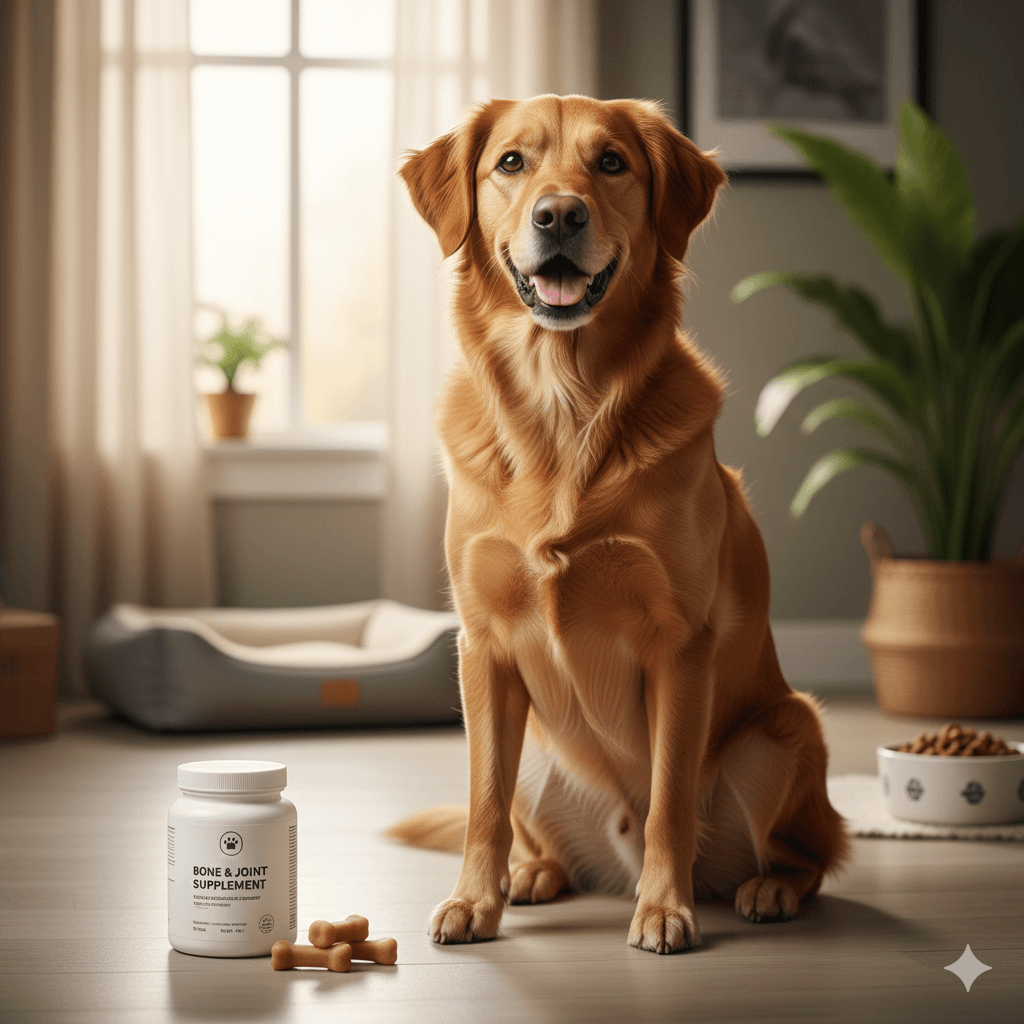
Bone Supplement for Dogs: Best 7 Expert Tips! – Expert guide to calcium, collagen & bone health for every life stage.
Understanding Can Cats Get Sunburn: Best 7 Expert Tips! – Protect your feline from UV damage with vet-backed prevention strategies.

How to Train a Seizure Alert Dog: Best 7 Expert Tips! – Learn expert-backed steps to nurture natural instincts into reliable, life-saving seizure alerts.