
Understanding Rapamycin for Cats: Best 7 Expert Tips!
Rapamycin, a compound once used primarily in human medicine, is now gaining attention in veterinary circles for its potential anti-aging and immune-modulating effects in cats. Originally developed to prevent organ transplant rejection, this drug is being explored for its ability to support longevity, reduce inflammation, and even slow certain age-related diseases in felines. While promising, rapamycin is not without risks—and its use in cats remains off-label and carefully monitored. If you’re considering this therapy for your cat, understanding the science, benefits, and cautions is essential to making an informed, compassionate decision.
Origins and Veterinary Interest in Rapamycin
Though rapamycin was discovered decades ago, its application in feline health is a recent and rapidly evolving field. Researchers are intrigued by its ability to influence cellular pathways tied to aging, prompting cautious optimism among cat owners and veterinarians alike.
- Discovered in Soil Bacteria:
Rapamycin was first isolated from Streptomyces hygroscopicus found in soil on Easter Island (Rapa Nui), hence its name. - Initial Use in Human Medicine:
It was developed as an immunosuppressant to prevent kidney transplant rejection and later used in cancer and cardiovascular treatments. - Shift Toward Longevity Research:
Studies in mice showed rapamycin extended lifespan by targeting the mTOR pathway—a key regulator of cell growth and aging. - Emergence in Feline Gerontology:
Veterinarians began exploring low-dose rapamycin for senior cats showing signs of cognitive decline, heart disease, or chronic inflammation. - Ongoing Clinical Observations:
While formal large-scale trials in cats are limited, anecdotal and pilot data suggest potential benefits when used under strict supervision.
Though still experimental in cats, rapamycin represents a fascinating frontier in proactive, science-backed feline wellness—if approached with caution and professional guidance.
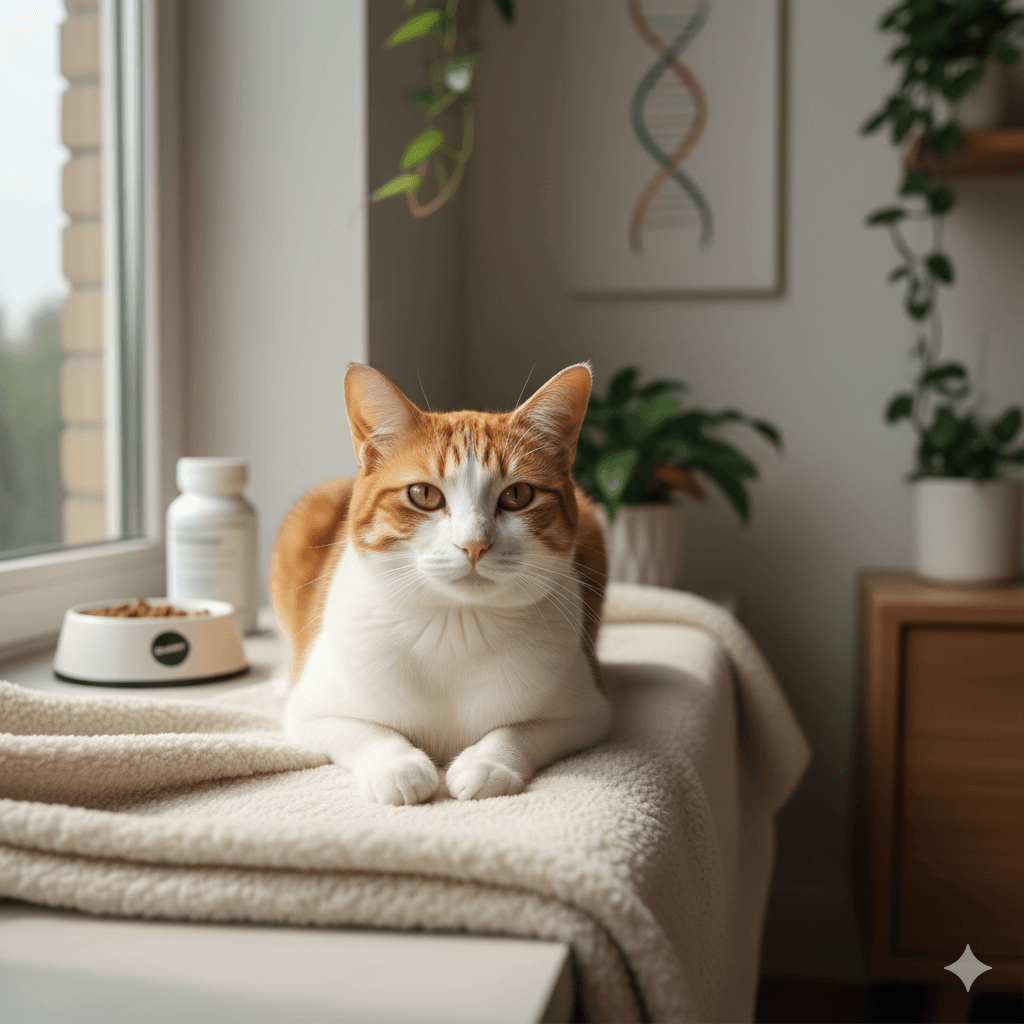
How Rapamycin Works in Feline Biology
Rapamycin exerts its effects by modulating a critical cellular pathway known as mTOR (mechanistic Target of Rapamycin), which influences metabolism, immunity, and aging. In cats, this interaction can lead to measurable physiological changes.
- Inhibition of mTOR Signaling:
By partially blocking mTOR, rapamycin may slow cellular aging and reduce the accumulation of damaged proteins in tissues. - Anti-Inflammatory Effects:
It can dampen chronic low-grade inflammation—common in older cats—which is linked to arthritis, kidney disease, and cognitive decline. - Cardioprotective Potential:
Early veterinary studies suggest low-dose rapamycin may improve heart function in cats with hypertrophic cardiomyopathy (HCM). - Neuroprotective Properties:
Some owners report improved alertness and interaction in senior cats, possibly due to reduced brain inflammation. - Immune System Modulation:
While it suppresses overactive immune responses, it doesn’t fully compromise immunity when dosed appropriately.
These mechanisms make rapamycin more than just a drug—it’s a potential tool for supporting healthy aging in cats, though long-term effects are still under investigation.
Check this guide 👉Fenbendazole for Cats: Best 7 Expert Tips!
Check this guide 👉Methimazole for Cats: Best 7 Expert Tips!
Check this guide 👉Understanding Meloxicam for Cats: Best 7 Expert Tips!
Potential Benefits | Important Cautions |
|---|---|
May support heart health in aging cats | Not FDA-approved for feline use |
Could reduce chronic inflammation | Risk of immunosuppression at high doses |
Might enhance cognitive function | Requires precise, vet-supervised dosing |
Low-dose protocols appear well-tolerated | Limited long-term safety data in cats |
Off-label use growing in integrative vet clinics | Not suitable for cats with active infections |
Current Evidence and Veterinary Perspectives
While enthusiasm for rapamycin is growing, the veterinary community emphasizes evidence-based caution. Most support comes from preclinical models, small case series, or extrapolation from human and canine studies.
- Pilot Studies Show Promise:
A 2023 feline pilot study noted improved cardiac output and activity levels in cats on low-dose rapamycin over 90 days. - Lack of Large-Scale Trials:
No peer-reviewed, randomized controlled trials in cats have been published—meaning benefits are still considered preliminary. - Integrative Veterinarians Lead Adoption:
Holistic and longevity-focused vets are more likely to offer rapamycin as part of a tailored wellness plan. - Dosing Is Not One-Size-Fits-All:
Effective doses for cats are typically microgram-based (e.g., 0.05–0.1 mg/kg once weekly), far lower than human transplant doses. - Monitoring Is Essential:
Bloodwork, including kidney values, white blood cell counts, and glucose, should be checked before and during treatment.
Until more robust data emerges, rapamycin should be viewed as a promising but experimental option—not a standard supplement.
Safety, Side Effects, and Risk Management
Like any bioactive compound, rapamycin carries potential risks, especially if misused. Fortunately, low-dose protocols in cats have shown a relatively favorable safety profile when properly managed.
- Gastrointestinal Upset:
Vomiting, soft stool, or reduced appetite may occur initially but often resolve with dose adjustment or food administration. - Increased Infection Susceptibility:
Even at low doses, immune modulation could theoretically increase vulnerability to viruses or opportunistic pathogens. - Oral Ulceration (Rare):
Seen in humans at high doses; not commonly reported in cats but remains a theoretical concern. - Drug Interactions:
Rapamycin is metabolized by the liver (CYP3A4 pathway) and can interact with antifungals, certain antibiotics, and grapefruit. - Contraindications:
Avoid in cats with active infections, uncontrolled diabetes, or severe liver/kidney disease unless under intensive supervision.
Always use pharmaceutical-grade rapamycin from a reputable compounding pharmacy—and never attempt human formulations without veterinary oversight.
Practical Considerations for Cat Owners
If you’re exploring rapamycin for your cat, preparation and partnership with your vet are critical. This isn’t a supplement you can buy off the shelf—it requires planning, testing, and commitment.
- Consult a Knowledgeable Veterinarian:
Seek a vet experienced in longevity medicine or integrative care who understands rapamycin’s mechanism and monitoring needs. - Start with Baseline Diagnostics:
Full blood panel, urinalysis, and possibly an echocardiogram (if heart concerns exist) should precede treatment. - Use Compounded Liquid or Capsules:
Most feline protocols use custom-compounded oral solutions for precise micro-dosing. - Administer with Food:
Giving rapamycin with a small fatty meal can improve absorption and reduce stomach upset. - Track Behavioral and Physical Changes:
Keep a journal noting energy, appetite, litter box habits, and interaction—subtle shifts matter.
Treating your cat with rapamycin is a partnership between science, observation, and deep care—never a casual experiment.
Ethical and Future Considerations in Feline Longevity
As pet lifespans increase, so does the desire to extend not just life, but quality of life. Rapamycin sits at the intersection of hope, science, and ethical responsibility.
- Focus on Healthspan, Not Just Lifespan:
The goal isn’t merely more years—it’s more vibrant, pain-free, engaged years with your feline companion. - Beware of Overhyped Claims:
Some wellness brands market “rapamycin analogs” or supplements with unproven efficacy—stick to peer-reviewed, vet-guided options. - Support Responsible Research:
Consider enrolling your cat in observational studies or registries that track long-term outcomes. - Respect Individual Variability:
What works for one cat may not suit another—genetics, age, and existing conditions all influence response. - Balance Innovation with Caution:
While innovation is exciting, the welfare of your cat must always come before trends or optimism.
The future of feline health may well include rapamycin—but only if used wisely, ethically, and with unwavering attention to your cat’s unique needs.
Expert Tips for Safely Exploring Rapamycin Therapy in Cats
If you’re seriously considering rapamycin for your cat—whether for heart support, cognitive health, or longevity—it’s vital to move forward with clarity, preparation, and professional oversight. These practical, vet-informed strategies can help you navigate this emerging option responsibly.
- Verify Your Vet’s Experience:
Choose a veterinarian familiar with rapamycin or integrative/longevity medicine; general practitioners may lack exposure to current feline protocols. - Request Pharmaceutical-Grade Compounding:
Only use rapamycin prepared by a reputable, veterinary-focused compounding pharmacy to ensure accurate dosing and purity. - Begin with the Lowest Effective Dose:
Most feline protocols start at 0.05 mg/kg once weekly—never assume human or dog doses apply to cats. - Schedule Regular Monitoring Appointments:
Bloodwork every 3–6 months (including CBC, chemistry panel, and glucose) helps catch subtle changes early. - Pair with Holistic Wellness Practices:
Combine rapamycin with species-appropriate nutrition, dental care, environmental enrichment, and stress reduction for best outcomes.
Used wisely, rapamycin can be part of a forward-thinking approach to feline health—but it should always complement, not replace, foundational care.
Frequently Asked Questions About Rapamycin for Cats
Is rapamycin approved for use in cats?
No—it’s used off-label in veterinary medicine, meaning it’s legal with vet supervision but not officially approved by regulatory agencies for feline use.
How is rapamycin given to cats?
Typically as a once-weekly oral dose in liquid or capsule form, compounded to precise microgram amounts based on your cat’s weight.
Can rapamycin reverse aging in cats?
It cannot reverse aging, but early data suggest it may slow certain age-related changes and support organ function in senior cats.
What’s the cost of rapamycin for cats?
Monthly costs range from $30 to $80, depending on dose, compounding pharmacy, and frequency—plus initial and follow-up vet testing.
Are there natural alternatives to rapamycin?
While no supplement fully mimics rapamycin, compounds like resveratrol or spermidine may support similar pathways—but with weaker evidence.
Supporting Your Cat’s Golden Years with Wisdom and Care
Exploring rapamycin for your cat reflects deep love and a desire to give them every possible comfort in their later years. While science continues to unfold, your role remains constant: to observe, advocate, and act with both hope and humility. If used thoughtfully under veterinary guidance, rapamycin may one day become a respected tool in the feline longevity toolkit—but it should never replace the fundamentals of excellent nutrition, dental care, mental enrichment, and regular check-ups. Ultimately, the best gift you can give your aging cat isn’t a miracle drug, but your steady presence, informed choices, and unwavering commitment to their quality of life.
Can I Give My Cat Midol? Best 7 Expert Tips! – Learn the risks, symptoms, and safe alternatives to keep your cat healthy and avoid toxic reactions.

Can I Give My Dog Midol? Best 7 Expert Tips! – Discover the risks, safe alternatives, and expert advice to keep your dog safe from accidental poisoning.

Maximum Weight for Cats on Planes: Best 7 Expert Tips! – Learn airline policies, tips to stay compliant, and ensure safe travels for your feline friend.

Max Weight for Dogs on Planes: Best 7 Expert Tips! – Discover airline weight limits, safe travel tips, and solutions for flying with your dog stress-free.