
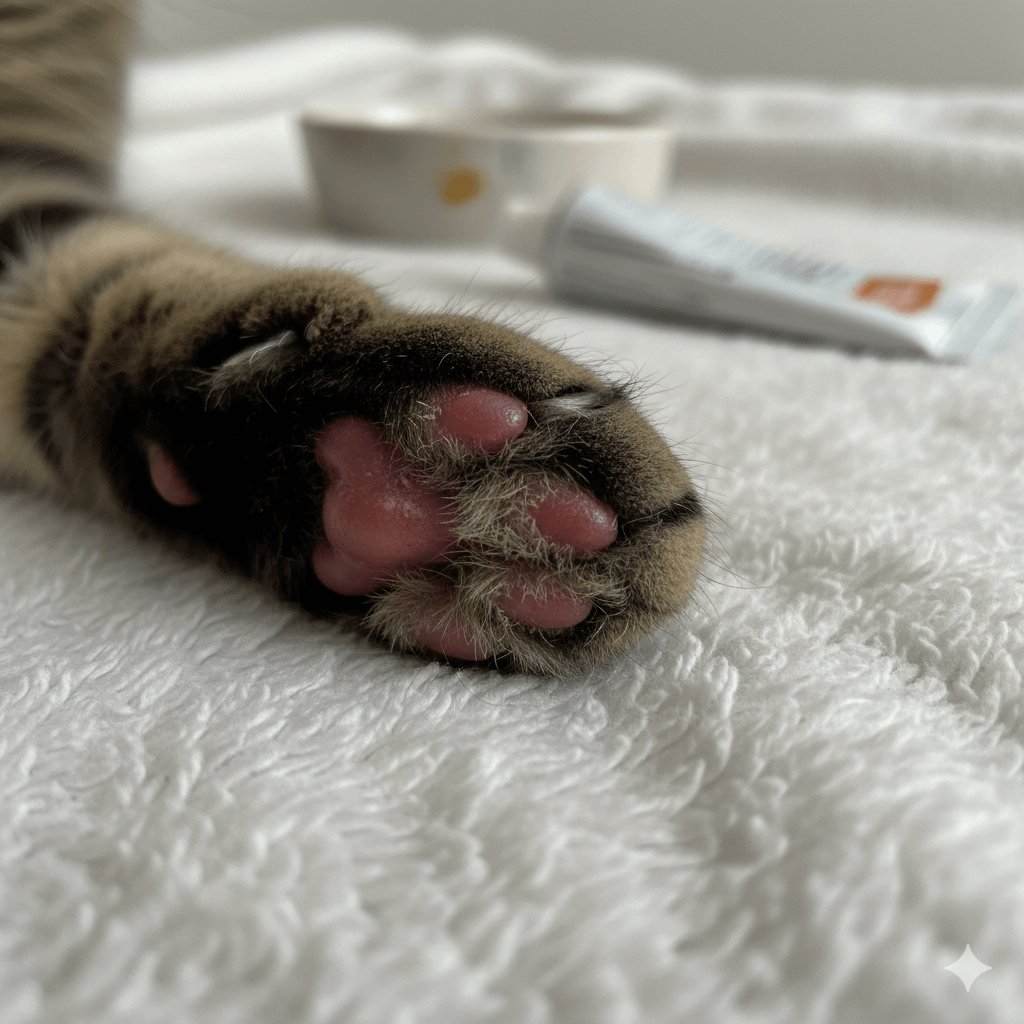

Understanding Pododermatitis in Cats: Best 7 Expert Tips!

Understanding Pododermatitis in Cats: Best 7 Expert Tips!

Understanding Pododermatitis in Cats: Best 7 Expert Tips!

If your cat is limping, licking its paws obsessively, or showing swollen, tender pads, it could be suffering from pododermatitis—a painful inflammatory condition affecting the footpads. Often mistaken for minor injury or allergy, this condition can significantly impact your cat’s comfort and mobility if left untreated. While it’s not common, early recognition and proper care make a huge difference in recovery. Whether caused by infection, immune dysfunction, or trauma, pododermatitis requires a thoughtful, vet-guided approach. With the right knowledge, you can help your feline friend step comfortably again.

Common Signs of Pododermatitis in Cats

Pododermatitis typically affects one or more footpads, causing visible changes and behavioral shifts. Because cats hide discomfort well, symptoms may be subtle at first—so close observation is key to early detection:

 
  • Swollen or Puffy Footpads:
    Pads may appear enlarged, soft, or even ulcerated, sometimes with a purplish or reddish tint due to inflammation.
     
  • Excessive Licking or Chewing:
    Your cat may obsessively groom its paws, leading to hair loss, raw skin, or even bleeding around the affected area.
     
  • Limping or Reluctance to Walk:
    Painful pads make walking uncomfortable—your cat might tiptoe, avoid jumping, or stay unusually still.
     
  • Discharge or Crusting:
    In advanced cases, pus, blood, or scabs may form on or between the pads, especially if secondary infection is present.
     
  • Warmth to the Touch:
    Inflamed pads often feel noticeably warmer than unaffected ones when gently palpated.
 

Most cats with pododermatitis remain otherwise alert, but persistent discomfort can lead to irritability or reduced activity over time.

Understanding Pododermatitis in Cats: Best 7 Expert Tips!

Underlying Causes Behind Feline Pododermatitis

Unlike simple cuts or splinters, true pododermatitis often stems from deeper systemic or immune-related issues. Identifying the root cause is essential for effective long-term management:

 
  • Immune-Mediated Disorders:
    The most common cause is “plasma cell pododermatitis,” an autoimmune condition where the body attacks footpad tissue.
     
  • Viral Infections:
    Feline immunodeficiency virus (FIV) is strongly linked to pododermatitis—up to 50% of affected cats test positive for FIV.
     
  • Bacterial or Fungal Infections:
    Deep infections from puncture wounds or contaminated surfaces can trigger localized or widespread inflammation.
     
  • Allergic Reactions:
    Contact dermatitis from new floor cleaners, litter types, or outdoor allergens may mimic or contribute to symptoms.
     
  • Trauma or Foreign Bodies:
    Stepping on thorns, glass, or hot pavement can initiate inflammation that evolves into chronic pododermatitis.
 

While symptoms may look similar, treatment varies drastically based on the underlying trigger—making veterinary diagnosis critical.

Behavioral Clues
Clinical Findings to Confirm
Limping on soft surfaces
Symmetrical pad swelling (common in immune form)
Increased grooming of paws
Ulceration or “pillow-like” softening of pads
Hiding or reduced jumping
Positive FIV test or elevated plasma cells on biopsy
Avoiding litter box (due to pain)
Culture showing bacterial or fungal growth
Vocalizing when walking
History of recent injury or environmental change

Diagnosis: What to Expect at the Vet

Because pododermatitis mimics other conditions, your vet will use a combination of tools to pinpoint the cause and rule out look-alikes like eosinophilic granuloma or neoplasia:

 
  • Physical and Paw Examination:
    The vet will assess pad texture, temperature, symmetry, and pain response—often noting a “mushy” or doughy feel in immune cases.
     
  • FIV/FeLV Testing:
    Blood tests for feline retroviruses are standard, given the strong association between FIV and pododermatitis.
     
  • Cytology or Biopsy:
    A small sample of pad tissue may be examined under a microscope to identify plasma cells, bacteria, or abnormal cells.
     
  • Culture and Sensitivity:
    If infection is suspected, a swab or tissue sample helps determine the right antibiotic or antifungal therapy.
     
  • Imaging (If Needed):
    X-rays may be used if trauma, fracture, or foreign object is suspected beneath the pad surface.
 

Accurate diagnosis ensures your cat receives precise, effective treatment—not just symptom relief.


Treatment Options Based on Cause

Treatment is tailored to the underlying issue, ranging from medication to lifestyle adjustments. Most cats respond well when therapy aligns with the root problem:

 
  • Immune-Mediated Cases:
    Doxycycline (an antibiotic with immune-modulating effects) is often first-line; severe cases may require steroids like prednisolone.
     
  • FIV-Positive Cats:
    Supportive care, immune boosters, and managing secondary infections are key—many cats live comfortably with proper monitoring.
     
  • Bacterial or Fungal Infections:
    Targeted antibiotics or antifungals (oral or topical) are prescribed based on culture results, usually for 3–6 weeks.
     
  • Pain and Inflammation Control:
    NSAIDs or other pain relievers (vet-approved only) may be used short-term to improve comfort and mobility.
     
  • Wound Care and Protection:
    Elizabethan collars, paw bandages, or soft booties prevent further trauma from licking or walking on rough surfaces.
 

Consistency and follow-up are crucial—many treatments take weeks to show full effect, and premature discontinuation can cause relapse.

Home Care and Comfort Measures

While medical treatment addresses the cause, your at-home support plays a vital role in your cat’s healing and emotional well-being:

 
  • Keep Paws Clean and Dry:
    Gently wipe paws with a damp cloth after litter use or outdoor access; avoid harsh soaps or alcohol-based cleaners.
     
  • Switch to Soft, Dust-Free Litter:
    Use paper-based or soft-clumping litter to reduce irritation and pain during elimination.
     
  • Provide Low-Entry Litter Boxes:
    Minimize jumping or stretching—place boxes on every floor if your home has multiple levels.
     
  • Limit Outdoor Access Temporarily:
    Protect healing paws from rough terrain, extreme temperatures, or contaminants until fully recovered.
     
  • Monitor for Changes Daily:
    Track swelling, discharge, or behavior shifts—and report worsening signs to your vet immediately.
 

Your calm presence and gentle handling reassure your cat during this uncomfortable time, speeding emotional recovery too.

Prevention and Long-Term Management

For cats prone to immune issues or with FIV, ongoing vigilance helps prevent recurrence or complications down the line:

 
  • Regular FIV Monitoring:
    Even asymptomatic FIV+ cats should have biannual check-ups to catch issues like pododermatitis early.
     
  • Avoid Paw Irritants:
    Skip scented floor cleaners, chemical de-icers, or rough rugs in areas your cat walks frequently.
     
  • Maintain Ideal Weight:
    Excess weight increases pressure on footpads—keeping your cat lean reduces mechanical stress.
     
  • Routine Paw Checks:
    Make weekly paw inspections part of grooming to spot redness, cracks, or foreign objects before they escalate.
     
  • Vaccination and Indoor Lifestyle:
    Keeping your cat indoors reduces exposure to trauma, infections, and FIV transmission from fights.
 

Prevention isn’t about perfection—it’s about creating a safer, more supportive environment for your cat’s delicate feet.

When to Seek Emergency Care

While most pododermatitis cases are manageable, certain signs indicate urgent complications requiring immediate attention:

 
  • Open Wounds or Bleeding Pads:
    Unprotected tissue is vulnerable to serious infection—prompt cleaning and coverage are essential.
     
  • High Fever or Lethargy:
    Systemic illness may be developing if your cat feels warm, stops eating, or becomes unresponsive.
     
  • Sudden Inability to Bear Weight:
    Complete refusal to stand on a limb could signal fracture, deep abscess, or severe pain.
     
  • Rapidly Worsening Swelling:
    Fast progression over hours may indicate aggressive infection or vascular compromise.
     
  • Pale Gums or Rapid Breathing:
    These signal shock or systemic distress—head to an emergency clinic without delay.
 

Never assume “it’s just a sore paw”—in cats, subtle signs can mask serious conditions.

Frequently Asked Questions About Pododermatitis in Cats

What does pododermatitis look like in cats?

Affected footpads appear swollen, soft, and often purplish or pink; they may feel “mushy” and show cracks, ulcers, or scabs.

No—the immune or viral forms aren’t contagious, though bacterial or fungal causes could potentially spread in rare cases with open wounds.

Mild cases might improve temporarily, but without treatment, most worsen or become chronic—especially immune-mediated forms.

Doxycycline often shows improvement in 2–4 weeks, but full resolution may take 6–8 weeks or longer in complex cases.

Yes—excessive licking delays healing and introduces bacteria; use a cone or soft collar as directed by your vet during recovery.

Supporting Your Cat’s Journey Back to Comfort

Pododermatitis may be uncommon, but for the cats who suffer from it, every step can be a challenge. Your attentiveness—spotting early signs, seeking timely care, and providing gentle support at home—makes all the difference in their recovery. With accurate diagnosis and consistent treatment, most cats regain full paw function and return to their curious, confident selves. Remember, your cat’s feet carry them through life; keeping them healthy is an act of love that echoes in every quiet pad-step across your floor.

Tetanus Shot After Cat Bite: Best 7 Expert Tips!

Tetanus Shot After Cat Bite: Best 7 Expert Tips! – Learn when you need a booster, how to care for the wound, and prevent serious infection.

Tetanus Shot After Dog Bite: Best 7 Expert Tips!

Tetanus Shot After Dog Bite: Best 7 Expert Tips! – Know when you need a booster, how to clean wounds, and prevent serious infection.

Normal Tear Production in Cats: Best 7 Expert Tips!

Normal Tear Production in Cats: Best 7 Expert Tips! – Learn what healthy eye moisture looks like and when to seek vet care.

Normal Tear Production in Dogs: Best 7 Expert Tips!

Normal Tear Production in Dogs: Best 7 Expert Tips! – Learn what healthy tears look like, signs of imbalance, and how to protect your dog’s eye health.

Leave a Reply

Your email address will not be published. Required fields are marked *

Post Category


