
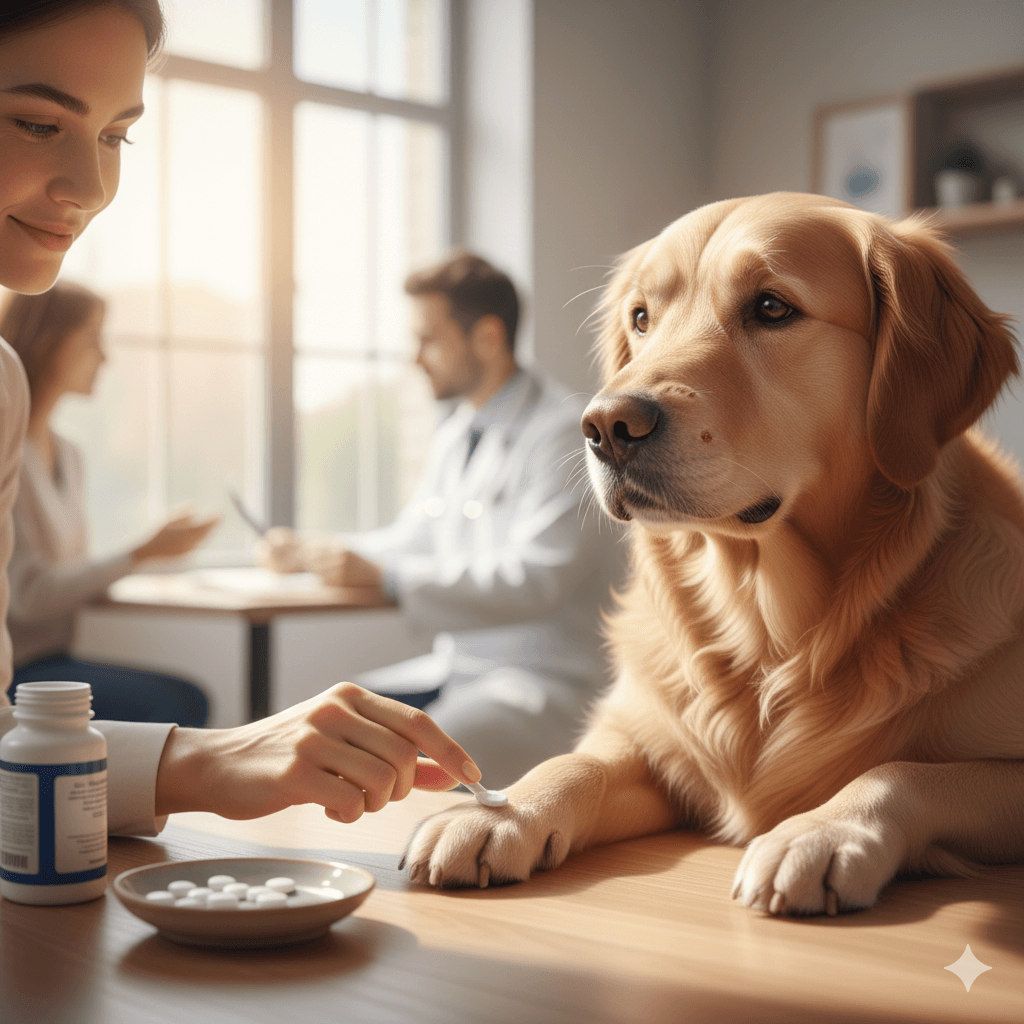

Understanding Pemphigus Treatment in Dogs: Best 7 Expert Tips!

Understanding Pemphigus Treatment in Dogs: Best 7 Tips!

Understanding Pemphigus Treatment in Dogs: Best 7 Tips!

Pemphigus is a rare but serious autoimmune skin disease that can deeply affect your dog’s comfort and quality of life. Unlike common allergies or infections, pemphigus occurs when the immune system mistakenly attacks healthy skin cells, leading to painful blisters, crusts, and sores—often around the face, ears, or paws. While it requires lifelong management, early diagnosis and consistent care can help your dog live comfortably. With expert guidance and dedicated support, many dogs with pemphigus maintain joyful, active lives despite this chronic condition.

What Is Pemphigus in Dogs? Recognizing the Core Condition

Pemphigus isn’t a single disease but a group of autoimmune disorders, with pemphigus foliaceus being the most common form in dogs. Understanding its nature helps you respond with informed care rather than fear:

 
  • Autoimmune Origin:
    Pemphigus arises when the immune system attacks desmoglein proteins that hold skin cells together, causing layers to separate and form lesions.
     
  • Four Main Types:
    Pemphigus foliaceus (superficial), pemphigus erythematosus (milder, face-focused), pemphigus vulgaris (severe, mucous membranes), and pemphigus vegetans (rare, wart-like growths).
     
  • Breed Predispositions:
    Akitas, Chow Chows, Dachshunds, Bearded Collies, and Schipperkes show higher incidence, suggesting a genetic component.
     
  • Onset Age Range:
    Most dogs are diagnosed between 4 and 7 years old, though it can appear at any age.
     
  • Not Contagious:
    Pemphigus cannot spread to other pets or humans—it’s an internal immune misfire, not an infection.
 

Though complex, pemphigus is manageable with veterinary partnership and consistent monitoring.

Understanding Pemphigus Treatment in Dogs: Best 7 Tips!

Common Signs and Symptoms of Pemphigus in Dogs

Early detection can prevent severe complications. Watch for these telltale signs, especially on hairless or lightly furred areas like the nose, ears, and paw pads:

 
  • Crusty, Scaly Skin Lesions:
    Yellowish crusts often form on the bridge of the nose, around the eyes, or on ear flaps—sometimes mistaken for dermatitis.
     
  • Painful Footpad Cracking:
    In pemphigus foliaceus, footpads may thicken, crack, or bleed, causing limping or reluctance to walk.
     
  • Hair Loss in Patches:
    Alopecia typically appears where lesions form, often symmetrical on both sides of the body.
     
  • Itching or Discomfort:
    While not always itchy, some dogs scratch, rub, or lick affected areas due to irritation or pain.
     
  • Systemic Signs in Severe Cases:
    Fever, lethargy, or loss of appetite may occur if inflammation becomes widespread.
 

If you notice persistent crusts or sores that don’t heal with standard treatments, request a skin biopsy—this is the gold standard for diagnosis.

Diagnostic Clues
Management Priorities
Symmetrical crusts on face/ears
Immunosuppressive therapy under vet supervision
Footpad involvement
Paw protection and pain management
Poor response to antibiotics
Rule out infection; consider autoimmune panel
Recurrent skin flares
Regular vet check-ins and medication adjustments
Breed history + skin changes
Early biopsy to confirm pemphigus type

Diagnosing Pemphigus: Why Accuracy Matters

Because pemphigus mimics allergies, fungal infections, or mite infestations, misdiagnosis is common. A precise diagnosis ensures your dog receives life-changing—not just symptomatic—care:

 
  • Skin Biopsy Is Essential:
    A small sample of affected skin, examined by a veterinary dermatopathologist, confirms cell separation and immune activity.
     
  • Cytology as a First Step:
    Your vet may perform a skin scrape or tape prep to rule out infections before proceeding to biopsy.
     
  • Blood Work for Baseline:
    Liver and kidney values are checked before starting long-term immunosuppressants to ensure organ health.
     
  • Rule Out Lupus:
    Discoid lupus erythematosus can look identical—biopsy helps differentiate and guide treatment.
     
  • Monitor for Secondary Infections:
    Broken skin is prone to bacterial overgrowth, which can worsen symptoms and delay healing.
 

Accurate diagnosis isn’t just about naming the disease—it’s about designing a safe, effective treatment roadmap.

Medical Treatment Options for Pemphigus in Dogs

There’s no cure for pemphigus, but immunosuppressive therapy can induce remission and maintain comfort. Treatment is tailored to severity and your dog’s overall health:

 
  • Corticosteroids as First Line:
    Prednisone or prednisolone is typically started at high doses to halt immune attacks, then tapered slowly.
     
  • Steroid-Sparing Agents:
    Drugs like azathioprine, cyclosporine, or mycophenolate reduce long-term steroid use and side effects.
     
  • Topical Therapies:
    Medicated shampoos (chlorhexidine, ketoconazole) or ointments soothe skin and prevent secondary infection.
     
  • Pain and Inflammation Control:
    NSAIDs or gabapentin may be added if footpad lesions or skin cracks cause discomfort.
     
  • Regular Blood Monitoring:
    Monthly checks track liver, kidney, and white blood cell counts to catch medication side effects early.
 

With consistent care, many dogs achieve remission within weeks—though lifelong management is usually necessary.

At-Home Care and Lifestyle Adjustments

Your role at home is vital to your dog’s stability. Small daily habits significantly impact long-term outcomes:

 
  • Protect Sensitive Skin:
    Avoid harsh shampoos; use fragrance-free, hypoallergenic wipes for gentle cleaning.
     
  • Sunlight Management:
    UV exposure can worsen lesions—limit midday sun and consider UV-protective dog clothing for outdoor time.
     
  • Soft Bedding and Clean Surfaces:
    Reduce skin irritation by washing beds weekly and using smooth, non-abrasive fabrics.
     
  • Hydration and Nutrition:
    A high-quality, anti-inflammatory diet rich in omega-3s supports skin healing and immune balance.
     
  • Stress Reduction:
    Stress can trigger flares—maintain routines, avoid sudden changes, and use calming aids if needed.
 

Your calm, consistent care creates a healing environment that complements medical treatment.

Potential Side Effects and Long-Term Monitoring

Immunosuppressive drugs are powerful—and require vigilant oversight to ensure safety over time:

 
  • Increased Infection Risk:
    Watch for coughing, sneezing, diarrhea, or slow-healing wounds—signs your dog’s immune system is too suppressed.
     
  • Gastrointestinal Upset:
    Steroids can cause vomiting, diarrhea, or ulcers; giving medication with food often helps.
     
  • Weight Gain and Thirst Changes:
    Excessive hunger, drinking, or panting are common steroid side effects—manage with portion control and vet guidance.
     
  • Liver or Bone Marrow Impact:
    Azathioprine or cyclosporine may affect organ function—never skip scheduled blood tests.
     
  • Relapse Signs:
    New crusts, limping, or lethargy may signal a flare—contact your vet before adjusting doses on your own.
 

Proactive monitoring turns potential crises into manageable adjustments.


When to Seek Emergency or Specialist Care

While most pemphigus cases are managed outpatient, certain signs demand immediate attention:

 
  • Widespread Ulceration:
    Open sores on gums, eyes, or genitals suggest pemphigus vulgaris—a medical emergency.
     
  • Inability to Walk:
    Severe footpad splitting or pain may require pain control and mobility support.
     
  • Vomiting Blood or Black Stool:
    Indicates possible steroid-induced gastrointestinal bleeding.
     
  • Lethargy with Fever:
    Could signal systemic infection due to immunosuppression.
     
  • Sudden Worsening Despite Treatment:
    May require hospitalization, IV medications, or dermatology consultation.
 

Early intervention in these scenarios can be life-saving—trust your instincts as your dog’s advocate.

Frequently Asked Questions About Pemphigus Dog Treatment

Can pemphigus in dogs be cured?

No—pemphigus is a chronic autoimmune condition, but most dogs achieve long-term remission with proper medication and care.

Yes, especially when lesions crack on footpads or around the eyes; pain management is a key part of treatment.

Improvement often begins in 2–4 weeks, but full remission may take 2–3 months of consistent therapy.

No—natural supplements alone cannot suppress the autoimmune response; they may support skin health alongside prescribed meds but never replace them.

Most dogs require long-term, low-dose immunosuppressants to prevent relapse, though some may eventually taper off under strict vet supervision.

Supporting Your Dog Through a Lifetime of Care

A pemphigus diagnosis can feel overwhelming—but with knowledge, partnership, and love, your dog can thrive. This condition asks for patience, vigilance, and a strong bond with your veterinary team, but it doesn’t define your dog’s joy or spirit. By responding to flares with calm action, prioritizing comfort at home, and celebrating small victories, you give your companion the stability they need to live fully. Remember: managing pemphigus isn’t just about controlling symptoms—it’s about honoring your dog’s resilience and ensuring their golden years remain golden, one gentle day at a time.

Is Rawhide Bad for Cats? Best 7 Expert Tips!

Is Rawhide Bad for Cats? Best 7 Expert Tips! – Discover the risks, safe alternatives, and expert advice to keep your feline friend healthy and happy.

Is Rawhide Bad for Dogs? Best 7 Expert Tips!

Is Rawhide Bad for Dogs? Best 7 Expert Tips! – Discover the risks, benefits, and safer alternatives to rawhides for your dog’s chewing needs.

Understanding Anorexia in Cats: Best 7 Expert Tips!

Understanding Anorexia in Cats: Best 7 Expert Tips! – Learn why cats stop eating, spot warning signs, and discover how to help your feline regain appetite safely.

Understanding Anorexia in Dogs: Best 7 Expert Tips!

Understanding Anorexia in Dogs: Best 7 Expert Tips! – Learn causes, symptoms, and solutions to help your dog regain appetite and stay healthy.

Leave a Reply

Your email address will not be published. Required fields are marked *