
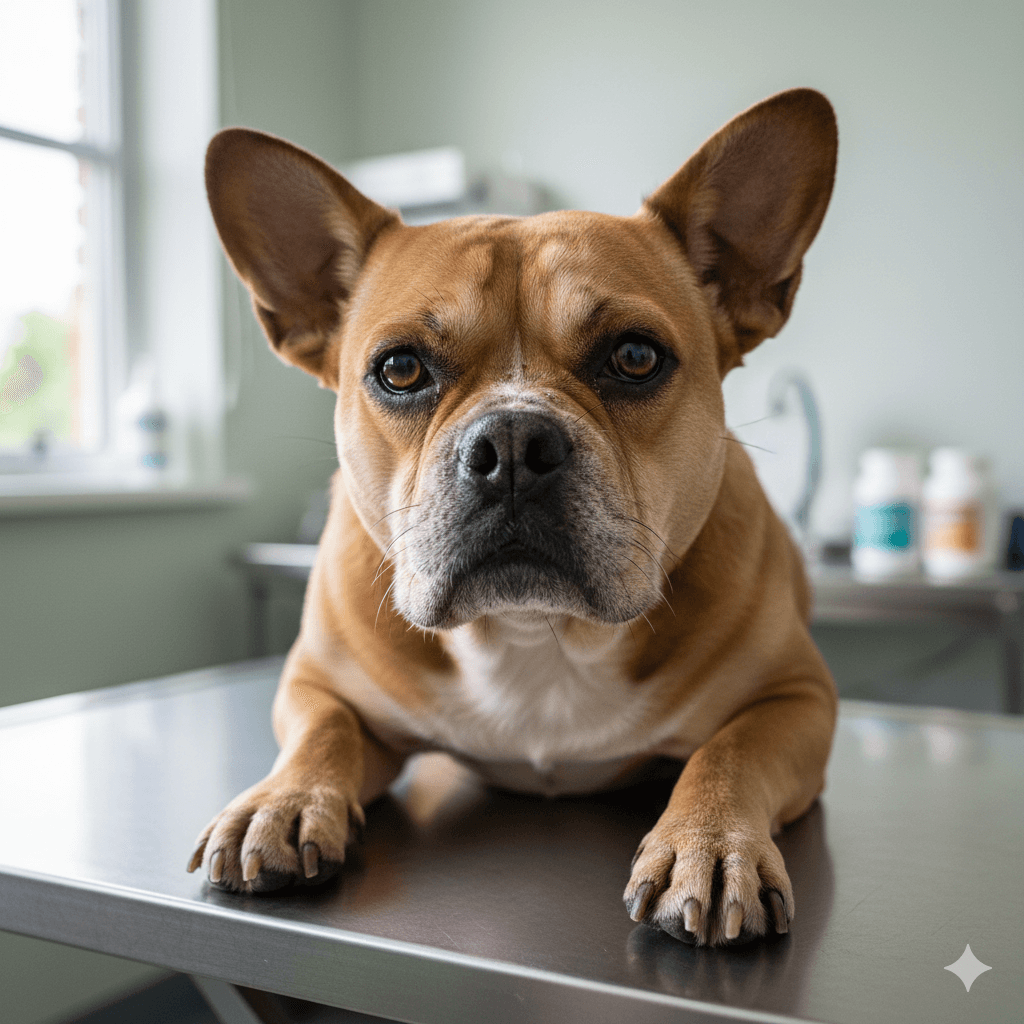

Understanding Pemphigus in Dogs: Best 7 Expert Tips!
Pemphigus is a rare but serious autoimmune skin disorder that can affect dogs of any breed or age. In this condition, the immune system mistakenly attacks healthy skin cells, leading to painful blisters, crusts, and sores—often starting on the face, ears, or paws. While not contagious, pemphigus requires prompt veterinary diagnosis and lifelong management to prevent complications. Early recognition of symptoms and consistent care can significantly improve your dog’s comfort and quality of life. If you notice unexplained skin lesions that don’t heal, it’s time to seek expert help.
What Is Pemphigus and How Does It Affect Dogs?
Pemphigus encompasses several autoimmune skin diseases, with pemphigus foliaceus being the most common form in dogs. These conditions disrupt the bonds between skin cells, causing them to separate and form blisters that quickly rupture. Unlike infections or allergies, pemphigus stems from internal immune dysfunction—making it both complex and chronic. Understanding its mechanisms helps owners respond with empathy and urgency:
- Autoimmune Misfire:
The dog’s immune system produces antibodies that attack desmoglein proteins, which normally hold skin cells together—leading to tissue breakdown. - Primary Skin Manifestation:
Lesions typically appear on the face, ears, footpads, and groin, but can spread across the body if untreated. - Not Caused by External Factors:
Unlike hot spots or fungal infections, pemphigus isn’t triggered by bacteria, parasites, or poor hygiene—it’s an internal immune error. - Chronic, Not Curable:
While manageable with medication, pemphigus usually requires lifelong treatment to keep symptoms under control. - Can Mimic Other Conditions:
Early signs resemble allergies, mange, or bacterial pyoderma, making accurate diagnosis essential to avoid ineffective treatments.
Because pemphigus is often mistaken for simpler skin issues, veterinary testing is critical for an accurate diagnosis and effective long-term plan.
Common Types of Pemphigus in Dogs
Not all pemphigus forms are the same—each type varies in severity, location, and treatment approach. Recognizing these differences helps owners understand their dog’s specific challenges and prognosis:
- Pemphigus Foliaceus (Most Common):
Causes superficial pustules, crusts, and scaling, especially on the head and ears; responds well to immunosuppressive therapy. - Pemphigus Erythematosus:
A milder variant often limited to the face and ears, seen more in Collies and German Shepherds, and may have a better outlook. - Pemphigus Vulgaris (Rare but Severe):
Forms deep, painful blisters in the mouth, groin, and armpits; can lead to systemic illness if not aggressively treated. - Pemphigus Vegetans:
An extremely rare form characterized by wart-like growths and oozing lesions, typically less aggressive than vulgaris. - Drug-Induced Pemphigus:
Triggered by certain medications (e.g., antibiotics or antifungals), usually resolving once the drug is discontinued.
Accurate identification of the pemphigus type guides treatment intensity and predicts long-term management needs.
Check this guide 👉Understanding Halitosis in Dogs: Best 7 Expert Tips!
Check this guide 👉Understanding Pododermatitis in Dogs: Best 7 Expert Tips!
Check this guide 👉Understanding Coccidia in Dogs: Best 7 Expert Tips!
Key Clinical Features | Management Priorities |
|---|---|
Crusting on nose, ears, or paws | Immunosuppressive medication (e.g., prednisone) |
Hair loss with pustules | Regular skin monitoring for new lesions |
Painful footpad erosions | Soft bedding and paw protection |
Secondary skin infections | Antibiotics or antifungals as needed |
Sunlight worsens symptoms | Limit UV exposure; use pet-safe sunscreen |
Recognizing Early Symptoms of Pemphigus
Spotting pemphigus in its early stages can prevent severe skin damage and reduce treatment complexity. Symptoms often begin subtly but progress quickly without intervention. Watch for these telltale signs:
- Scaly or Crusty Skin Patches:
Dry, flaky areas—especially on the bridge of the nose or ear margins—may be the first clue. - Pustules That Rupture Easily:
Small, yellowish blisters appear and burst within hours, leaving raw, oozing spots. - Hair Loss in Circular Patterns:
Alopecia often surrounds lesions, creating bald patches that expand if untreated. - Itching or Pain:
Some dogs scratch intensely; others avoid touch due to discomfort, especially on footpads. - Lethargy or Reduced Appetite:
In advanced cases, systemic inflammation may cause fever, weakness, or disinterest in food.
Early veterinary consultation—ideally with skin cytology or biopsy—can confirm pemphigus before it becomes widespread.
Diagnostic Process for Pemphigus in Dogs
Because pemphigus mimics many other skin diseases, diagnosis relies on more than visual inspection. Your vet will likely use a combination of tests to rule out infections and confirm autoimmune activity:
- Skin Cytology and Impression Smears:
A quick test to check for bacteria, yeast, or abnormal immune cells in lesion exudate. - Skin Biopsy (Gold Standard):
A small tissue sample is sent to a lab to examine cell separation patterns and confirm autoimmune damage. - Blood Work:
While not diagnostic, blood panels help assess organ function before starting long-term medications like steroids. - Allergy and Parasite Testing:
Rules out mange, ringworm, or food allergies that can present similarly. - Response to Trial Therapy:
In some cases, improvement on immunosuppressants supports a presumptive diagnosis when biopsy isn’t possible.
Accurate diagnosis prevents wasted time on ineffective treatments and ensures your dog gets the right care from day one.
Treatment and Long-Term Management Strategies
Managing pemphigus is a marathon, not a sprint—focused on suppressing the immune overreaction while minimizing side effects. With consistent care, most dogs live comfortably for years:
- Corticosteroids as First-Line Therapy:
Prednisone or prednisolone quickly reduce inflammation and lesion formation in most cases. - Steroid-Sparing Immunosuppressants:
Drugs like azathioprine or cyclosporine allow lower steroid doses, reducing long-term risks like diabetes or Cushing’s. - Regular Medication Monitoring:
Blood tests every 3–6 months track liver/kidney health and guide dosage adjustments. - Topical Treatments for Comfort:
Medicated shampoos (e.g., chlorhexidine) or soothing ointments ease secondary infections and discomfort. - Lifestyle Adjustments:
Limit sun exposure, provide soft bedding, and keep nails trimmed to reduce skin trauma.
Most dogs stabilize within weeks of starting treatment—but lifelong vigilance is key to preventing flares.
Breeds at Higher Risk and Prevention Insights
While any dog can develop pemphigus, certain breeds show genetic predisposition—suggesting immune system quirks passed through lineage. Awareness helps owners stay proactive:
- Akitas:
Exceptionally high risk for pemphigus foliaceus, often with severe, treatment-resistant cases. - Chow Chows:
Frequently develop skin lesions early in life; may require aggressive management. - Dachshunds and Bearded Collies:
Represent moderate risk, especially for facial and ear involvement. - Newfoundlands and Schipperkes:
Less common but documented; often linked to underlying immune dysregulation. - No True Prevention, But Early Action Helps:
Since cause is largely genetic/autoimmune, prevention isn’t possible—but knowing breed risks enables faster diagnosis.
If you own a high-risk breed, discuss skin health at annual check-ups and photograph any unusual lesions for comparison.
Living with a Dog Diagnosed with Pemphigus
A pemphigus diagnosis can feel overwhelming, but with routine, compassion, and partnership with your vet, your dog can thrive. This condition demands commitment—but it doesn’t define your dog’s happiness:
- Medication Adherence Is Non-Negotiable:
Missing doses can trigger flares; use pill organizers or treat-dispensing toys to stay consistent. - Monitor Skin Weekly:
Check ears, paws, and belly for new crusts, redness, or oozing—catch flares early. - Protect from Sunlight:
UV exposure worsens lesions; walk during early morning/late evening and use UV-protective dog clothing if needed. - Gentle Grooming Only:
Avoid vigorous brushing over affected areas; use soft cloths and hypoallergenic wipes. - Emotional Support Matters:
Dogs sense stress—stay calm, maintain routines, and offer extra cuddles during treatment phases.
With love and structure, your dog can live a full, joyful life despite this chronic condition.
Frequently Asked Questions About Pemphigus in Dogs
Is pemphigus in dogs contagious to humans or other pets?
No—pemphigus is an autoimmune disease, not an infection, so it cannot spread to people, cats, or other dogs.
Can diet help manage pemphigus in dogs?
While no specific diet cures pemphigus, high-quality, anti-inflammatory foods with omega-3s may support skin health alongside medication.
Will my dog need steroids for life?
Many dogs do require long-term immunosuppressants, but dosages often decrease over time with careful monitoring and add-on therapies.
How quickly does pemphigus progress if untreated?
Lesions can spread across the body within days to weeks, leading to pain, infection, and systemic illness—prompt treatment is essential.
Are there natural remedies for pemphigus?
No proven natural cure exists—delaying veterinary care for supplements or home remedies can worsen outcomes significantly.
Supporting Your Dog Through a Pemphigus Diagnosis
A pemphigus diagnosis may feel daunting, but it’s not a life sentence—it’s a call to informed, loving action. With modern veterinary medicine, most dogs respond well to treatment and enjoy comfortable, active lives. Your role as a vigilant, patient caregiver makes all the difference. By recognizing flares early, sticking to treatment plans, and shielding your dog from triggers like harsh sun, you become their greatest advocate. Remember, your dog doesn’t see their condition—they see you: their safe place, their comfort, their unwavering source of love. And with that bond, even a chronic illness becomes manageable, one gentle day at a time.
Understanding Everted Laryngeal Saccules in Dogs If your dog struggles to breathe, especially during excitement or exercise, it could be more than …
Tetanus Shot After Cat Bite: Best 7 Expert Tips! – Learn when you need a booster, how to care for the wound, and prevent serious infection.
Tetanus Shot After Dog Bite: Best 7 Expert Tips! – Know when you need a booster, how to clean wounds, and prevent serious infection.
Normal Tear Production in Cats: Best 7 Expert Tips! – Learn what healthy eye moisture looks like and when to seek vet care.


