

Understanding Megacolon in Cats: Best 7 Expert Tips!

Understanding Megacolon in Cats: Best 7 Expert Tips!

Understanding Megacolon in Cats


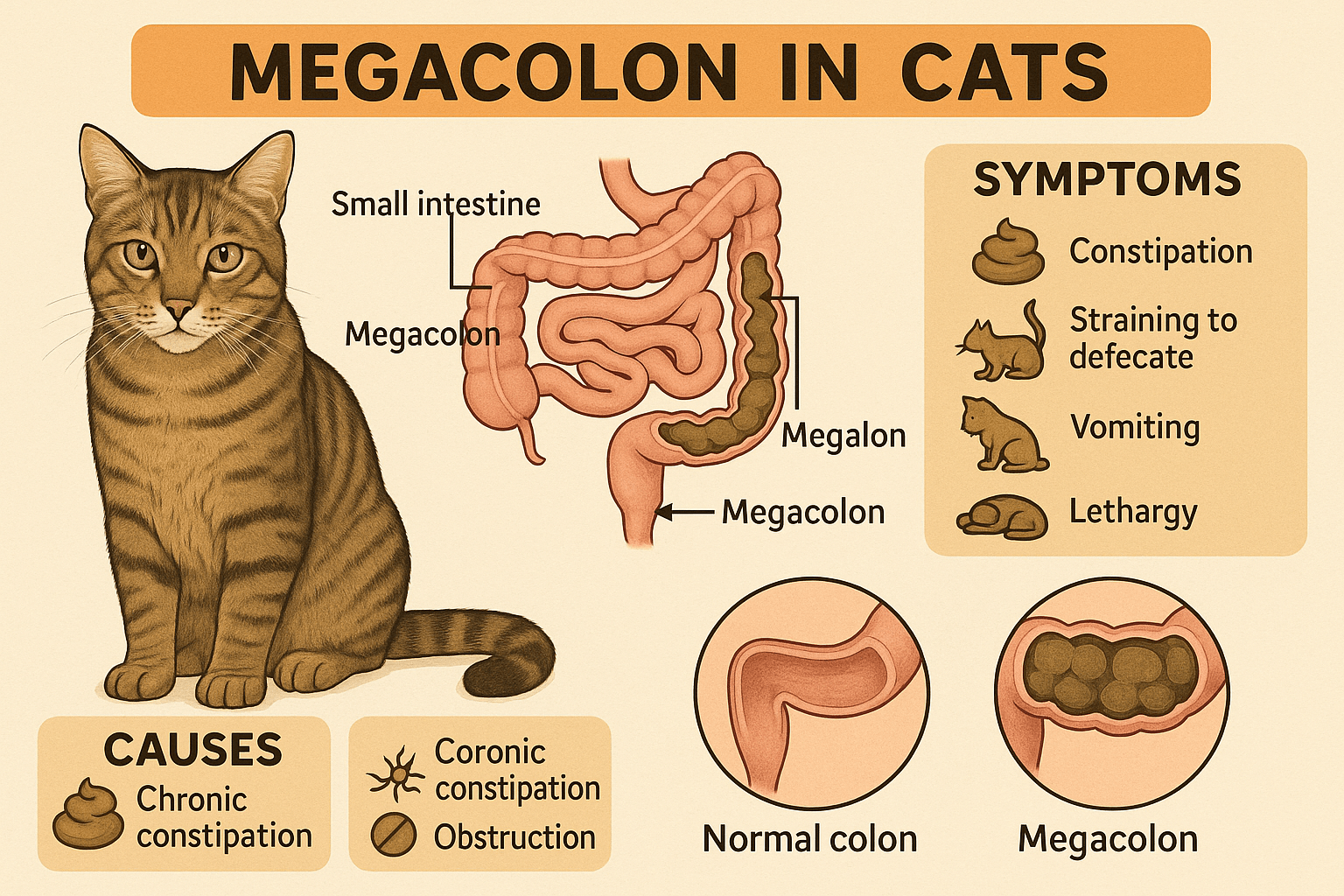
Megacolon in cats is a serious and often misunderstood condition that affects the large intestine, leading to chronic constipation and discomfort. While it may sound intimidating, understanding its causes, symptoms, and treatment options can help cat owners provide the best care for their feline companions. This condition occurs when the colon becomes abnormally enlarged and loses its ability to contract properly, making it difficult for stool to pass through. Early detection and proper management are crucial to improving your cat’s quality of life. In this blog post, we’ll explore everything you need to know about megacolon in cats, from prevention to long-term care strategies.

Expert Insight on Megacolon in Cats

“Megacolon in cats can cause devastating health consequences as the colon fills with old, hardened feces, and the colon is not strong enough to pass the ‘cemented stool.'”

Laci Schaible, DVM, MSL, CVJ

Causes of Megacolon in Cats


Megacolon can arise from a variety of factors, ranging from underlying medical conditions to lifestyle habits. Understanding these causes can help prevent or manage the condition effectively.

 
  • Chronic Constipation:
    Repeated episodes of constipation can weaken the muscles of the colon over time, leading to megacolon.

  • Obstruction in the Colon:
    Physical blockages, such as hairballs or foreign objects, can impair normal bowel function and contribute to the development of megacolon.

  • Nerve Damage:
    Conditions affecting the nerves that control colon movement, such as spinal injuries or pelvic fractures, can result in megacolon.

  • Dehydration:
    Insufficient water intake can lead to hard, dry stools, increasing the risk of constipation and subsequent megacolon.

  • Idiopathic Causes:
    In some cases, the exact cause of megacolon remains unknown, though it may be linked to genetic predispositions.


Identifying the root cause of megacolon is essential for tailoring an effective treatment plan and preventing further complications.

Understanding Megacolon in Cats: Best 7 Expert Tips!

Recognizing Symptoms of Megacolon in Cats


Early recognition of megacolon symptoms can make a significant difference in your cat’s prognosis. Keep an eye out for these warning signs, which indicate potential issues with your cat’s digestive system.

 
  • Straining During Bowel Movements:
    Cats with megacolon often spend prolonged periods in the litter box without producing much stool.

  • Infrequent or Absent Defecation:
    A noticeable decrease in the frequency of bowel movements is a key indicator of constipation or megacolon.

  • Vomiting:
    Severe constipation can cause nausea and vomiting due to the buildup of waste in the colon.

  • Loss of Appetite:
    Discomfort in the abdomen may lead to reduced interest in food or refusal to eat altogether.

  • Lethargy and Weight Loss:
    Chronic megacolon can cause fatigue and gradual weight loss as the body struggles to process nutrients.


If you notice any of these symptoms, it’s important to consult your veterinarian promptly to determine the underlying cause and begin treatment.

Preventive Measures for Megacolon
Signs Your Cat Needs Immediate Care
Provide a high-fiber diet
Persistent straining in the litter box
Encourage hydration with wet food
Vomiting accompanied by lethargy
Regular grooming to reduce hairballs
Refusal to eat or drink
Ensure access to clean litter boxes
Swollen or painful abdomen
Schedule routine vet check-ups
Blood in stool or urine

Treatment Options for Megacolon in Cats


Managing megacolon requires a combination of medical interventions, dietary adjustments, and sometimes surgical procedures. Here are some common treatment approaches used by veterinarians.

 
  • Medications to Stimulate Bowel Movements:
    Laxatives and prokinetic drugs can help soften stool and encourage colon contractions.

  • Enemas and Manual Stool Removal:
    In severe cases, veterinarians may perform enemas or manually remove impacted feces under sedation.

  • Dietary Changes:
    Switching to a high-fiber or prescription diet can improve stool consistency and promote regular bowel movements.

  • Hydration Therapy:
    Subcutaneous fluids may be administered to combat dehydration and soften hard stools.

  • Surgical Intervention (Colectomy):
    For advanced cases, surgery to remove part or all of the colon may be necessary to restore normal function.


Each treatment plan should be tailored to your cat’s specific needs, ensuring the best possible outcome.

Tips for Caring for a Cat with Megacolon


Caring for a cat with megacolon requires dedication and patience. These tips can help you support your cat’s recovery and improve their quality of life.

 
  • Create a Stress-Free Environment:
    Minimize stressors in your home, as anxiety can exacerbate digestive issues in cats.

  • Monitor Litter Box Habits:
    Keep track of your cat’s bowel movements to identify patterns or abnormalities quickly.

  • Encourage Exercise:
    Playtime and physical activity can stimulate digestion and prevent constipation.

  • Offer Multiple Water Sources:
    Place water bowls or fountains around the house to encourage your cat to drink more.

  • Follow Up with Your Vet Regularly:
    Ongoing veterinary care ensures your cat’s condition is managed effectively and adjustments are made as needed.


By implementing these strategies, you can help your cat live comfortably despite their condition.

Common Misconceptions About Megacolon

Misunderstandings about megacolon can lead to delays in treatment or improper care. Clearing up these misconceptions helps cat owners make informed decisions.

 
  • Myth: Megacolon Only Affects Older Cats:
    While older cats are more prone to megacolon, younger cats can also develop the condition due to congenital or environmental factors.

  • Myth: Diet Alone Can Cure Megacolon:
    While dietary changes are important, they are rarely sufficient on their own to resolve advanced cases.

  • Myth: Surgery is Always Necessary:
    Many cats respond well to non-surgical treatments like medications and dietary adjustments before considering surgery.

  • Myth: Megacolon is Rare:
    Megacolon is more common than many pet owners realize, especially in breeds predisposed to digestive issues.

  • Myth: It’s Normal for Cats to Strain Occasionally:
    Occasional straining might not indicate megacolon, but persistent symptoms should never be ignored.


Dispelling these myths empowers cat owners to seek timely and appropriate care for their pets.

Foods to Avoid for Cats with Megacolon

Certain foods can worsen megacolon symptoms and should be avoided to prevent complications. Here’s a list of items to steer clear of.

 
  • Dry Kibble Without Moisture Content:
    Dry food can exacerbate dehydration and contribute to harder stools.

  • Low-Fiber Snacks:
    Treats lacking fiber fail to support healthy digestion and bowel movements.

  • Dairy Products:
    Many cats are lactose intolerant, and dairy can upset their stomachs further.

  • Human Junk Food:
    Processed snacks high in fat and sodium can disrupt digestive health.

  • Raw Diets Without Veterinary Approval:
    Improperly balanced raw diets may lack essential nutrients needed for colon health.


Avoiding these foods supports better digestive function and reduces strain on your cat’s colon.

How to Make Vet Visits Less Stressful

Visiting the vet can be stressful for both you and your cat, especially when dealing with a condition like megacolon. These tips can help ease the experience.

 
  • Use a Comfortable Carrier:
    Choose a well-ventilated carrier lined with familiar bedding to keep your cat calm during transport.

  • Bring Favorite Items:
    Include toys or blankets that carry your cat’s scent to provide comfort in unfamiliar surroundings.

  • Practice Short Trips:
    Take your cat on brief car rides to desensitize them to travel before vet appointments.

  • Communicate with Your Vet:
    Share details about your cat’s behavior and symptoms ahead of time to streamline the visit.

  • Reward Calm Behavior:
    Offer treats or praise after the appointment to create positive associations with vet visits.


Making vet visits less stressful ensures your cat receives the care they need without unnecessary anxiety.

Frequently Asked Questions About Megacolon in Cats

 
What is megacolon in cats?

Megacolon is a condition where the colon becomes enlarged and loses its ability to contract properly, leading to chronic constipation.

While some cases can be managed with medication and lifestyle changes, severe cases may require surgery for long-term relief.

Providing a balanced diet, ensuring proper hydration, and addressing constipation early can reduce the risk of megacolon.

Yes, megacolon can cause significant discomfort and pain, especially during bowel movements.

Contact your veterinarian immediately for a thorough examination and diagnosis.

Supporting Your Cat Through Megacolon


Megacolon in cats may seem daunting, but with proper care and veterinary guidance, it is possible to manage this condition effectively. By recognizing symptoms early, adhering to treatment plans, and making thoughtful lifestyle adjustments, you can ensure your cat remains happy and healthy. Remember, your feline friend relies on you to advocate for their well-being—so stay vigilant, ask questions, and work closely with your vet. With love and dedication, even a challenging condition like megacolon can be navigated successfully.

How Cats Develop Lymphoma: Best 7 Expert Tips!

How Cats Develop Lymphoma: Best 7 Expert Tips! – Learn about causes, symptoms, and prevention to protect your cat from this common cancer.

How Dogs Develop Lymphoma: Best 7 Expert Tips!

How Dogs Develop Lymphoma: Best 7 Expert Tips! – Learn causes, symptoms, and prevention strategies to protect your dog from this common cancer.

Diphenhydramine Safe for Dogs? Best 7 Expert Tips!

Diphenhydramine Safe for Dogs? Best 7 Expert Tips! – Learn proper dosing, uses, and precautions to keep your dog safe while using Benadryl.

Is Milk in Cat Food Safe? Best 7 Expert Tips!

Is Milk in Cat Food Safe? Best 7 Expert Tips! – Discover the truth about milk in cat food, its risks, and how to keep your feline healthy and happy.

Leave a Reply

Your email address will not be published. Required fields are marked *

Post Category


