
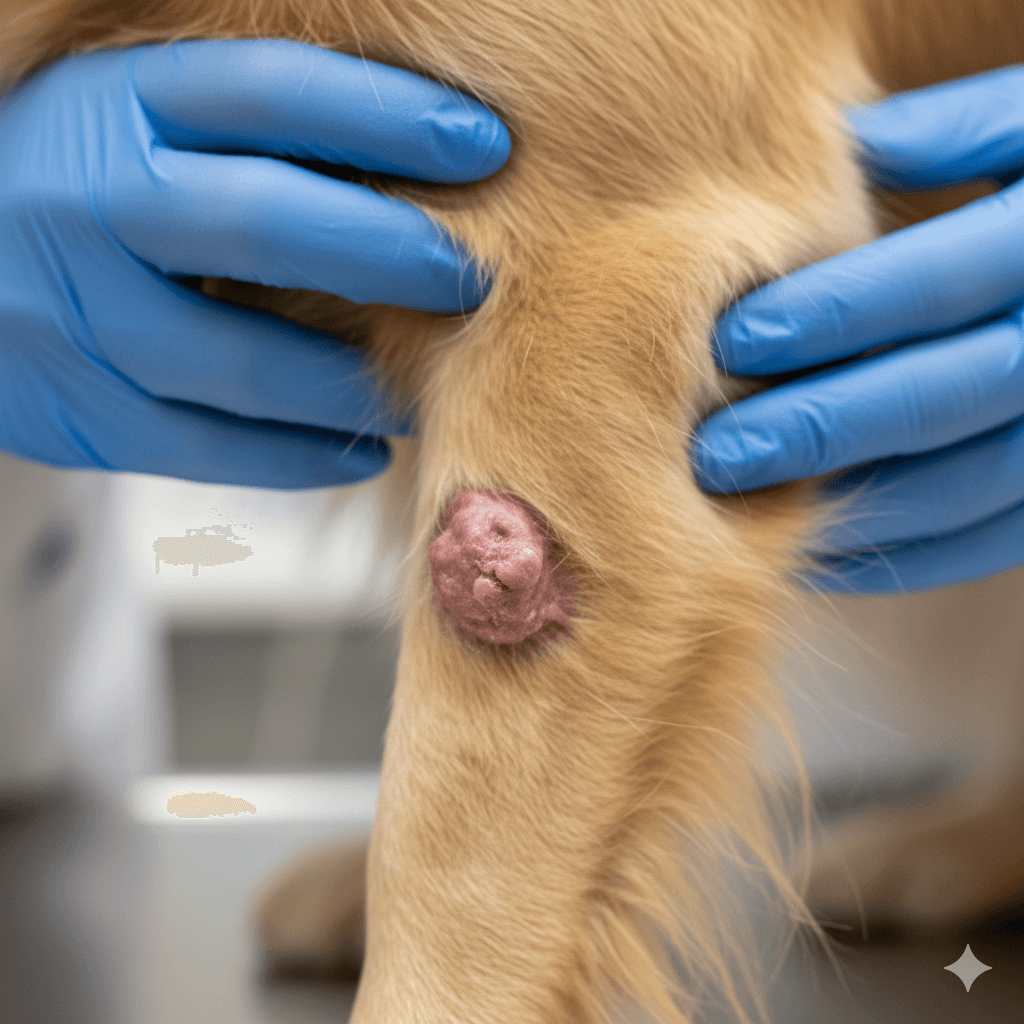

Understanding Mast Cell Tumor on Dog Leg
A mast cell tumor on a dog’s leg can be concerning for any pet owner—especially because location, size, and behavior of the growth influence treatment and prognosis. These tumors arise from immune cells called mast cells and are among the most common skin cancers in dogs. While some appear harmless, others can be aggressive, particularly when situated on limbs where surgical removal may be challenging. Early detection, veterinary evaluation, and a clear care plan are essential for the best outcome. With informed support, many dogs go on to live full, happy lives even after diagnosis.
What Is a Mast Cell Tumor and Why Legs Are a Concern
Mast cell tumors (MCTs) develop when mast cells—part of the immune system—multiply abnormally in the skin or other tissues. While they can appear anywhere, tumors on a dog’s leg pose unique challenges due to limited skin mobility and proximity to joints, which can complicate complete surgical removal.
- Mast Cells and Their Role:
Mast cells help fight parasites and regulate inflammation, but when they grow uncontrollably, they form tumors that can release histamine and other chemicals. - Why Leg Location Matters:
Legs have less loose skin than the torso, making wide surgical margins harder to achieve—increasing the risk of incomplete removal. - Variable Appearance:
A mast cell tumor on the leg may look like a soft lump, a red nodule, or even a crusty sore that changes size daily due to histamine release. - Potential for Aggression:
Tumors on lower limbs (below the elbow or hock) are sometimes linked to higher-grade, more invasive forms—though this isn’t always the case. - Risk of Systemic Effects:
If the tumor degranulates, it can cause stomach ulcers, vomiting, or low blood pressure—symptoms unrelated to the lump itself but equally urgent.
Because leg tumors limit surgical options, early veterinary consultation is critical to determine the best diagnostic and treatment path.
Recognizing the Signs: What to Watch For
Not all leg lumps are mast cell tumors—but certain clues suggest you should get a vet’s opinion right away. These tumors are known as “the great pretenders” because they mimic insect bites, cysts, or benign growths.
- Changing Lump Size:
The mass may swell after being touched or shrink overnight—a classic sign of histamine release from mast cells. - Redness or Swelling Around the Area:
Inflammation often flares up unpredictably, making the skin around the lump warm or sensitive to the touch. - Itching or Licking the Site:
Dogs may obsessively lick or chew the tumor, leading to sores or secondary infection. - Limping or Reluctance to Bear Weight:
If the tumor is near a joint or large enough, it can cause pain or restrict movement. - Systemic Symptoms Like Vomiting or Loss of Appetite:
These can signal internal effects from tumor degranulation, not just a local skin issue.
Any new or changing lump on your dog’s leg deserves prompt evaluation—delaying can reduce treatment options.
Check this guide 👉Dog Tumor on Paw: Best 7 Expert Tips!
Check this guide 👉Mast Cell Tumor on a Dogs Nose: Best 7 Expert Tips!
Check this guide 👉High Grade Mast Cell Tumor Dog: Best 7 Expert Tips!
Early Warning Indicators | Signs Requiring Urgent Vet Care |
|---|---|
Small, soft lump on lower leg | Rapid growth in 24–48 hours |
Occasional licking of the site | Open sore or bleeding mass |
Mild swelling that comes and goes | Limping or vocalizing when touched |
Slight redness around the lump | Vomiting, diarrhea, or pale gums |
Lump present for weeks without change | Multiple new lumps appearing nearby |
Diagnosis: How Vets Confirm a Mast Cell Tumor
A visual exam isn’t enough—definitive diagnosis requires testing. Your vet will likely use a combination of methods to assess the tumor’s grade, stage, and potential spread.
- Fine Needle Aspirate (FNA):
A quick, minimally invasive test where cells are extracted with a thin needle and examined under a microscope—often done during the first visit. - Biopsy and Histopathology:
If FNA is inconclusive or surgery is planned, a tissue sample is sent to a lab to determine the tumor grade (I, II, or III), which guides treatment. - Staging with Bloodwork and Imaging:
Blood tests, abdominal ultrasound, and lymph node aspirates help check for spread—especially important for high-grade tumors. - Ki-67 or AgNOR Testing:
Advanced labs may run proliferation markers to predict how aggressively the tumor might behave. - Surgical Margins Planning:
On legs, vets often consult with surgeons early to map out how much tissue can realistically be removed without compromising limb function.
Accurate diagnosis doesn’t just confirm the tumor—it shapes the entire treatment roadmap, from surgery to possible follow-up therapies.
Treatment Options Based on Tumor Grade and Location
Treatment for a mast cell tumor on the leg depends heavily on its grade, size, and how deeply it invades surrounding tissue. Limb location requires creative planning to preserve mobility while ensuring clean margins.
- Surgical Removal (When Possible):
Wide excision is the gold standard, but on legs, skin flaps or grafts may be needed if there’s not enough loose skin to close the wound. - Radiation Therapy:
Often recommended when clean margins can’t be achieved—especially effective for grade II tumors on extremities. - Chemotherapy or Targeted Drugs:
For high-grade (grade III) or metastatic cases, drugs like Palladia (toceranib) or Kinavet may be used to control growth. - Steroids as Palliative Care:
Prednisone can temporarily shrink tumors and reduce inflammation, though it’s not a cure. - Amputation (Rare but Considered):
In severe, recurrent, or deeply invasive cases near the paw, amputation may offer the best chance for long-term control.
Your vet or veterinary oncologist will tailor a plan based on your dog’s age, health, and your comfort with treatment intensity.
Aftercare and Monitoring for Recurrence
Even after successful treatment, ongoing vigilance is key—mast cell tumors can recur locally or appear elsewhere, especially within the first 6 to 12 months.
- Wound Care Post-Surgery:
Keep the incision clean, prevent licking with a cone, and monitor for redness, swelling, or discharge. - Regular Rechecks:
Schedule follow-up visits every 1–3 months initially, including lymph node checks and possibly repeat imaging. - Full-Body Skin Scans:
Gently examine your dog’s entire body weekly—mast cell tumors can pop up in new locations unexpectedly. - Diet and Immune Support:
While no diet cures cancer, high-quality nutrition and omega-3 fatty acids may support overall immune health. - Watch for New Symptoms:
Vomiting, dark stools, or lethargy could signal internal complications—report them immediately.
Proactive monitoring turns early detection into your strongest ally against recurrence.
Breed and Age Risk Factors to Be Aware Of
While any dog can develop a mast cell tumor, certain breeds and age groups face higher odds—making awareness especially important for at-risk owners.
- High-Risk Breeds:
Boxers, Bulldogs, Boston Terriers, Pugs, and Labrador Retrievers top the list, though it can occur in any breed—even mixed dogs. - Typical Age of Onset:
Most dogs are diagnosed between 8 and 10 years old, but cases have been seen in dogs as young as 1 year. - Brachycephalic Predisposition:
Flat-faced breeds not only get MCTs more often—they may develop more aggressive forms. - Multiple Tumor Tendency:
Some dogs develop several mast cell tumors over time, suggesting a genetic or immune susceptibility. - Gender and Neuter Status:
No strong gender link exists, but some studies suggest intact males may have slightly higher risk—though data isn’t conclusive.
Knowing your dog’s risk profile helps you stay alert without causing unnecessary alarm.
Emotional and Practical Support for Dog Owners
A mast cell tumor diagnosis can feel overwhelming—but you’re not alone. Balancing medical decisions, costs, and your dog’s comfort requires both practical planning and emotional resilience.
- Seek a Second Opinion:
Especially if surgery on the leg seems high-risk, consult a veterinary oncologist or soft tissue surgeon for alternatives. - Ask About Palliative Options:
If aggressive treatment isn’t feasible, comfort-focused care can still give your dog good quality time. - Join Support Communities:
Online groups for dog cancer caregivers offer empathy, shared experiences, and vet-approved tips. - Track Symptoms and Treatments:
Use a journal or app to log medications, vet visits, and changes—this helps your care team spot trends. - Prioritize Quality of Life:
Focus on joy: gentle walks, favorite toys, and quiet cuddles matter more than ever during treatment.
Your love and calm presence are powerful medicine—your dog feels your reassurance more than your worry.
Frequently Asked Questions About Mast Cell Tumor on Dog Leg
Can a mast cell tumor on a dog’s leg disappear on its own?
No—while the lump may temporarily shrink due to histamine release, the tumor itself won’t resolve without treatment.
Is every lump on a dog’s leg a mast cell tumor?
No, many leg lumps are benign (like lipomas or cysts), but only a vet can confirm through testing.
How long can a dog live with a mast cell tumor on the leg?
With appropriate treatment, dogs with low-grade tumors often live 2+ years; high-grade tumors have a more guarded prognosis.
Can I just remove the lump myself?
Never attempt this—it can cause severe bleeding, spread cancer cells, or miss critical margins needed for diagnosis.
Should I avoid touching the tumor?
Gentle observation is fine, but avoid squeezing or poking it, as this can trigger histamine release and swelling.
Hope, Healing, and Moving Forward Together
A mast cell tumor on your dog’s leg is serious—but it’s not an automatic sentence. With modern veterinary oncology, many dogs respond well to treatment and enjoy months or even years of comfortable, active life. What matters most is acting quickly, choosing a care path aligned with your dog’s needs, and surrounding them with love through every step. You’re their advocate, their comfort, and their safe place—and that unwavering bond is a healing force in itself. Stay informed, trust your instincts, and walk forward with both courage and compassion by your dog’s side.
Understanding Cryptosporidium in Cats: Best 7 Expert Tips! – Spot symptoms, treat safely, and stop parasite spread in your home.
Understanding Cryptosporidium in Dogs: Best 7 Expert Tips! – Learn symptoms, treatment & prevention for this stubborn gut parasite.
Understanding Syringomyelia in Cats: Best 7 Expert Tips! – Recognize signs, manage pain, and support your cat’s neurological health with vet-backed guidance.
Understanding Syringomyelia in Dogs: Best 7 Expert Tips! – Expert insights on symptoms, MRI diagnosis, pain management & quality of life.


