
Understanding Maltese Dog Height: A Compact Companion’s Stature
Understanding Maltese Dog Height: A Compact Companion’s Stature
- Historical Context of Size:
The Maltese’s diminutive height has been a defining characteristic for centuries, dating back to ancient civilizations like the Greeks and Romans who prized the breed as a lapdog. Its compact size was not only practical for indoor living but also symbolic of luxury and refinement. - Height Variations Within the Breed:
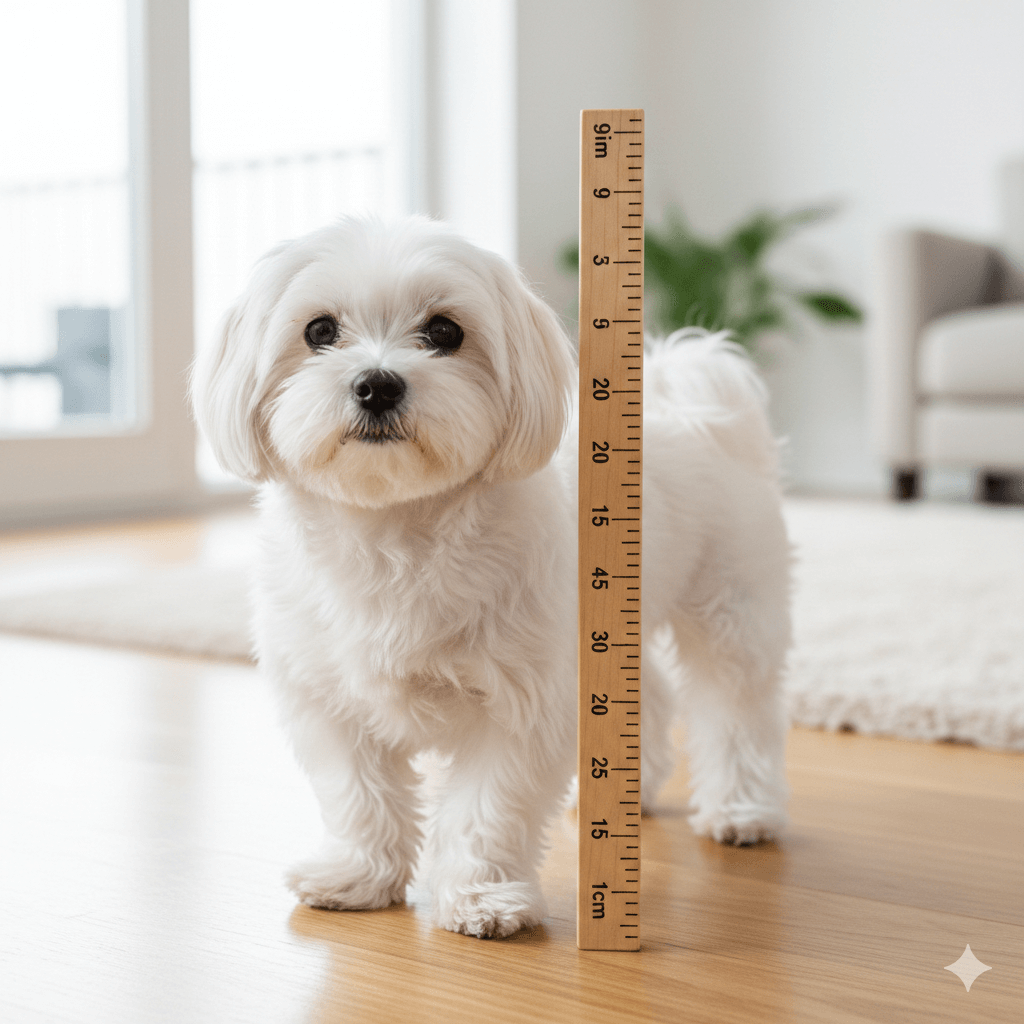
While the standard height range is 7–10 inches, some Maltese dogs may fall slightly above or below this range due to genetics or breeding practices. Show-quality Maltese are often bred to meet the upper end of the height spectrum, while pet-quality dogs may vary more widely. - Impact on Mobility and Agility:
Despite their small size, Maltese dogs are surprisingly agile and energetic. Their height allows them to navigate tight spaces easily, making them excellent companions for urban environments where space is limited. - Comparison to Other Toy Breeds:
Compared to other toy breeds like the Chihuahua or Pomeranian, the Maltese is slightly taller and more slender, giving it a graceful appearance. This height difference contributes to its elegant gait and regal posture. - Role in Temperament and Behavior:
The Maltese’s height influences its behavior, as it tends to be more adaptable and less territorial than larger breeds. However, its small size can make it more prone to anxiety in unfamiliar environments or around larger animals.
Physical Traits That Define Maltese Height
- Proportional Build:
The Maltese has a well-proportioned body with a slightly longer-than-tall frame, contributing to its balanced appearance. This proportion ensures agility and ease of movement despite its small stature. - Silky Coat and Its Influence on Perception:
The breed’s long, flowing white coat often creates an illusion of greater height. Regular grooming is essential to maintain this luxurious look, which accentuates the dog’s elegant silhouette. - Facial Features and Expression:
Dark, round eyes and a black button nose give the Maltese a sweet, expressive face that draws attention upward, balancing its short legs and compact body. - Weight-to-Height Ratio:
Weighing between 4–7 pounds, the Maltese maintains a harmonious weight-to-height ratio that prevents strain on its joints, ensuring longevity and mobility. - Tail Carriage and Posture:
The Maltese carries its plumed tail high over its back, adding vertical emphasis to its overall height. This proud posture reinforces its confident demeanor.
Check this guide 👉 Maltese Dog Life Span: Best 7 Expert Tips!
Check this guide 👉 Is Maltese a Good Family Dog? Best 7 Expert Tips!
Check this guide 👉 Saint Bernard Maltese Mix: Best 7 Expert Tips!
Key Characteristics of Maltese Height | Care Tips Based on Their Size |
|---|---|
Compact build: 7–10 inches tall | Use harnesses instead of collars to protect fragile necks |
Lightweight frame: 4–7 pounds | Supervise interactions with children and larger pets |
Graceful gait despite small size | Provide soft bedding to prevent joint discomfort |
Proportional body with elongated torso | Avoid extreme temperatures; use protective clothing if needed |
Silky coat enhances perceived height | Regular grooming prevents matting and maintains elegance |
The Role of Genetics in Determining Maltese Height
- Inheritance Patterns:
Height in Maltese dogs is largely determined by polygenic traits passed down from both parents. Responsible breeding focuses on maintaining consistent size within the breed standard. - Breed Standards and Selective Breeding:
Kennel clubs worldwide set strict guidelines for Maltese height, encouraging breeders to select dogs that fall within the 7–10 inch range. Deviations are often penalized in show rings. - Potential for Size Variation:
While most Maltese conform to the standard, occasional outliers may occur due to recessive genes or mixed ancestry. These variations are generally accepted in pet-quality dogs. - Health Implications of Genetic Factors:
Extreme miniaturization can lead to health issues such as dental problems or fragile bones. Ethical breeders prioritize health over achieving minimal height. - Predicting Puppy Growth:
Puppy buyers can estimate adult height based on parental size, though individual growth rates may vary slightly depending on nutrition and environment.
Care Considerations Based on Maltese Height
- Exercise Needs:
Due to their small size, Maltese dogs require only moderate exercise, such as short walks or indoor play sessions, to stay healthy and happy. Overexertion should be avoided to prevent injury. - Grooming Challenges:
Their low stature means the Maltese’s coat frequently drags on the ground, requiring frequent trims and cleaning to prevent dirt accumulation and matting. - Feeding Adjustments:
Small breeds like the Maltese have faster metabolisms, necessitating nutrient-dense diets served in controlled portions to avoid obesity or undernourishment. - Safety Precautions:
Their height makes them vulnerable to accidents, such as being stepped on or falling from furniture. Owners must supervise interactions with children and larger pets closely. - Temperature Sensitivity:
The Maltese’s small body struggles to regulate temperature effectively, making it prone to overheating in summer and chilling in winter. Protective clothing and climate control are recommended.
Training Tips for Maltese Dogs of All Heights
- Positive Reinforcement Techniques:
Maltese respond best to reward-based training using treats, praise, or toys. Harsh corrections can damage their confidence and hinder progress. - Housebreaking Challenges:
Small breeds often take longer to housebreak due to their limited bladder capacity. Frequent potty breaks and crate training can expedite the process. - Socialization Importance:
Early exposure to diverse environments, people, and animals helps prevent fear-based behaviors stemming from their naturally cautious nature. - Focus on Obedience Commands:
Teaching basic commands like “sit,” “stay,” and “come” establishes boundaries and strengthens the bond between owner and dog. - Mental Stimulation Needs:
Despite their small size, Maltese crave mental challenges. Puzzle toys and interactive games prevent boredom and destructive tendencies.
Health Concerns Related to Maltese Height
- Dental Problems:
Toy breeds like the Maltese are prone to overcrowded teeth and periodontal disease, necessitating daily brushing and regular veterinary cleanings. - Patellar Luxation:
This condition, common in small dogs, causes kneecap displacement and can lead to lameness if untreated. Weight management and joint supplements help mitigate risks. - Hypoglycemia Risk:
Low blood sugar levels are a concern, especially in puppies or during periods of stress. Feeding small, frequent meals stabilizes glucose levels effectively. - Tracheal Collapse:
The Maltese’s delicate trachea can collapse under pressure, leading to coughing fits. Avoid pulling on collars; opt for harnesses instead. - Fragility and Injury Prevention:
Their small bones are susceptible to fractures from falls or rough handling. Supervision and padded surfaces reduce injury risks significantly.
Living with a Maltese: Adapting to Their Height
- Apartment-Friendly Lifestyle:
Their modest height and exercise needs make Maltese ideal for apartment living, provided they receive adequate attention and stimulation. - Interaction with Children:
Supervision is crucial when introducing Maltese to young children, as their small size makes them vulnerable to accidental harm. Teaching kids gentle handling fosters harmony. - Travel and Portability:
The Maltese’s compact size allows for easy transport in carriers, making them excellent travel companions for car trips or flights. - Adaptability to Urban Environments:
Their low stature suits city life well, as they navigate crowded streets and narrow pathways without difficulty. - Bonding Through Play:
Interactive games like fetch or hide-and-seek cater to their playful nature while respecting their physical limitations.
Frequently Asked Questions About Maltese Dog Height
What is the ideal height for a Maltese dog?
The ideal height for a Maltese dog is between 7 to 10 inches at the shoulder, as per breed standards set by kennel clubs worldwide.
Can a Maltese be taller than 10 inches?
While some Maltese may exceed 10 inches due to genetics, they are considered outside the breed standard and are typically classified as pet-quality rather than show-quality.
Does height affect a Maltese’s lifespan?
Height itself doesn’t directly impact lifespan, but smaller dogs like the Maltese generally live longer (12–15 years) compared to larger breeds due to their lower risk of certain health issues.
How can I ensure my Maltese grows to its full height potential?
Provide a balanced diet rich in nutrients, regular vet check-ups, and proper exercise during puppyhood to support healthy growth and development.
Are there differences in height between male and female Maltese dogs?
Height differences between male and female Maltese are minimal, though males may appear slightly larger or more robust due to broader frames.
A Tiny Stature with a Big Presence
Do Cats Have Taste Buds? Best 7 Expert Tips! – Discover how cats experience flavors and why their taste is so unique.
Do Dogs Have Taste Buds? Best 7 Expert Tips! – Discover how dogs experience taste, their preferences, and what it means for their diet and health.

Can Cats Taste Sweet? Best 7 Expert Tips! – Discover why cats can’t taste sweetness, how it affects their diet, and tips to keep them healthy and happy.

Can Dogs Taste Sweet? Best 7 Expert Tips! – Discover how dogs perceive sweetness, which foods are safe, and tips to manage their sweet cravings responsibly.