
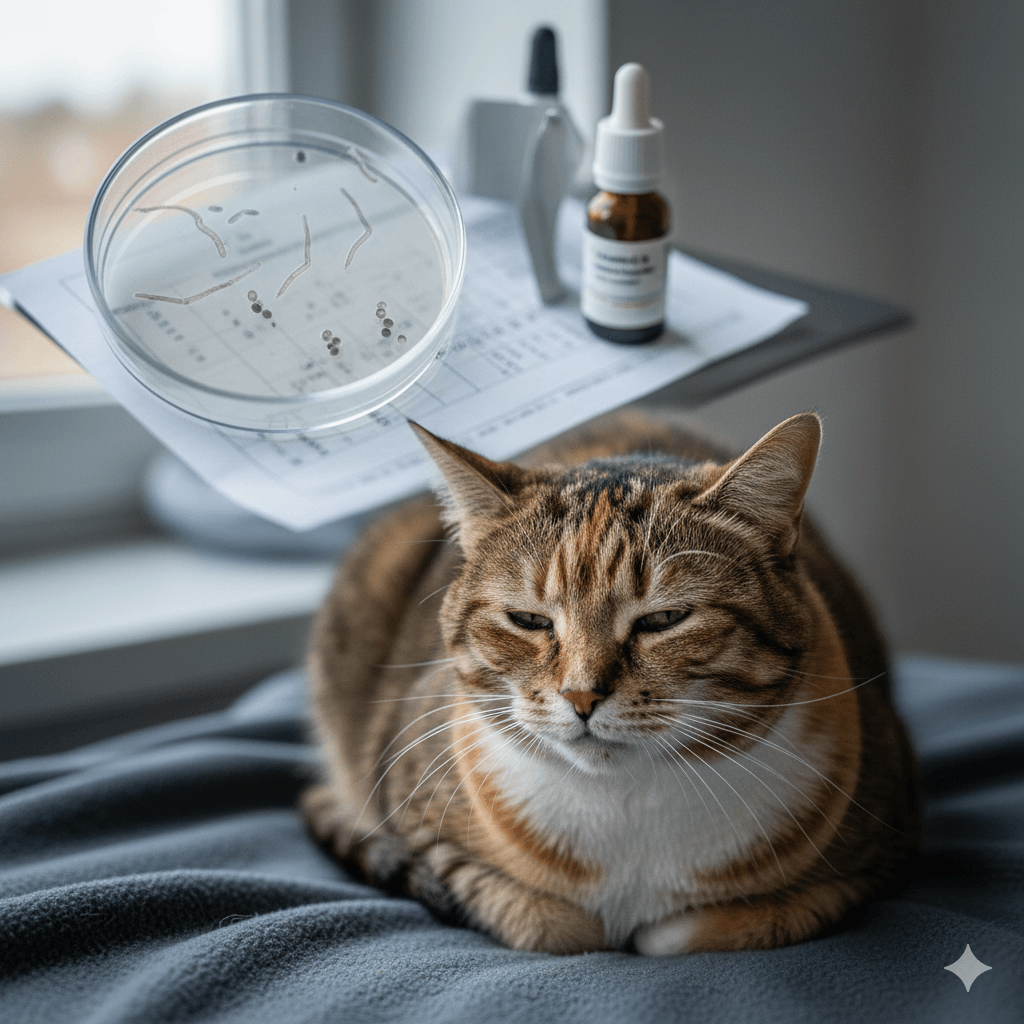

Understanding Lungworm in Cats: Best 7 Expert Tips!
Lungworm infection in cats is more common than many owners realize—especially for outdoor or hunting felines. Though often mild, this parasitic condition can lead to serious respiratory issues if left untreated. Early signs like coughing or labored breathing may be mistaken for a cold, but prompt recognition makes all the difference. With proper diagnosis and care, most cats recover fully and return to their curious, playful selves. Understanding how lungworm spreads, what to watch for, and how to protect your cat is the first step toward prevention and peace of mind.
How Cats Get Infected with Lungworm
Lungworm doesn’t spread directly from cat to cat—it requires an indirect lifecycle involving intermediate hosts. Outdoor access dramatically increases risk, but even indoor cats aren’t completely safe if rodents or snails enter the home.
- Ingestion of Infected Snails or Slugs:
The most common route: cats accidentally swallow tiny slugs or snails while grooming grass, drinking from puddles, or playing outdoors. - Hunting Behavior:
Cats that catch birds, rodents, or lizards may ingest larvae stored in these transport hosts, completing the parasite’s lifecycle. - Contaminated Water or Food:
Puddles, outdoor bowls, or wet grass can harbor slug slime containing infectious larvae—posing a silent risk. - Kittens from Infected Mothers:
Though rare, some evidence suggests larvae may pass through milk, though this is not the primary transmission route. - Environmental Exposure in Humid Areas:
Warm, moist climates support slug and snail populations year-round, increasing exposure risk in certain regions.
Because lungworm thrives in specific ecological niches, understanding your local environment helps assess your cat’s vulnerability.
Common Signs of Lungworm Infection in Cats
Symptoms can range from subtle to severe, often mimicking asthma or other respiratory diseases. Some cats show no signs at all—making diagnosis tricky without testing.
- Persistent Coughing:
A dry, wheezy cough is the hallmark sign, often worsening with activity or excitement. - Labored or Rapid Breathing:
You may notice your cat’s sides heaving or open-mouth breathing after minimal exertion. - Lethargy and Reduced Playfulness:
Infected cats often nap more and show less interest in toys or interaction due to low oxygen levels. - Weight Loss or Poor Appetite:
Chronic infection can affect overall health, leading to gradual weight decline despite normal feeding. - Nasal Discharge or Sneezing:
In some cases, irritation spreads to upper airways, causing clear nasal drip or occasional sneezing.
Mild cases may resolve on their own, but persistent or worsening symptoms always warrant veterinary evaluation.
Check this guide 👉Are Worms in Cat Poop Contagious? Best 7 Expert Tips!
Check this guide 👉Can Worms Cause Blood in Cat Stool? Best 7 Expert Tips!
Check this guide 👉Are Tapeworms Contagious in Cats? Best 7 Expert Tips!
Early Warning Signs | Advanced or Complicated Cases |
|---|---|
Occasional dry cough | Constant coughing fits |
Slight increase in breathing rate | Open-mouth breathing or gasping |
Normal energy with minor fatigue | Refusal to move or play |
Healthy appetite | Significant weight loss |
No fever | Fever or secondary pneumonia |
Diagnosing Lungworm in Feline Patients
Because symptoms overlap with asthma, heart disease, or allergies, veterinarians rely on multiple tools to confirm lungworm. Accurate diagnosis prevents unnecessary treatments and speeds recovery.
- Fecal Examination (Baermann Test):
Specialized fecal testing detects live larvae in stool—standard parasite screens often miss them. - Chest X-Rays:
Radiographs may show nodules, inflammation, or patterns consistent with parasitic lung disease. - Bronchoscopy or Tracheal Wash:
In unclear cases, collecting airway fluid can reveal larvae or inflammatory cells. - Blood Work and Inflammation Markers:
Elevated eosinophils (a type of white blood cell) often signal parasitic infection. - Response to Trial Treatment:
If tests are inconclusive, vets may prescribe anti-parasitic medication and monitor symptom improvement.
Early and accurate diagnosis not only treats the infection but also rules out more serious conditions.
Treatment Options for Feline Lungworm
Most lungworm cases respond well to targeted anti-parasitic drugs—especially when caught early. Treatment is usually outpatient and lasts several weeks to ensure full clearance.
- Prescription Dewormers (e.g., Fenbendazole, Milbemycin):
These medications kill adult worms and larvae; treatment typically lasts 10–21 days. - Supportive Respiratory Care:
In severe cases, bronchodilators or anti-inflammatories ease breathing while the body heals. - Hospitalization (Rarely Needed):
Only required if pneumonia develops or oxygen levels drop dangerously low. - Follow-Up Testing:
Repeat fecal exams or symptom checks ensure the parasite is fully eliminated before stopping treatment. - Avoid Over-the-Counter Remedies:
Many general dewormers don’t cover lungworm—always use vet-prescribed, species-specific protocols.
With consistent treatment, most cats show improvement within days and full recovery within weeks.
Preventing Lungworm Infection in Your Cat
Prevention centers on reducing exposure and using safe, regular parasite control—especially for at-risk cats. Proactive steps protect both your pet and your peace of mind.
- Keep Cats Indoors:
Eliminating hunting and outdoor foraging drastically lowers infection risk—ideal for lungworm prevention. - Use Monthly Preventatives:
Certain vet-approved products (like those containing moxidectin or milbemycin) offer lungworm protection—ask your vet. - Secure Outdoor Areas:
If your cat enjoys supervised outdoor time, use enclosed “catios” free of snails, slugs, and rodents. - Clean Water Bowls Daily:
Prevent contamination by changing water often and avoiding placement in grassy or damp zones. - Garden Awareness:
Avoid slug pellets toxic to cats; instead, use pet-safe deterrents or manual removal in shared outdoor spaces.
Prevention is far easier—and safer—than treating an active infection, especially in kittens or senior cats.
Special Considerations for Kittens, Seniors, and High-Risk Cats
While healthy adult cats often handle lungworm well, vulnerable individuals face greater complications and need extra vigilance.
- Kittens Under One Year:
Immature immune systems make them more prone to severe respiratory distress—seek care at the first cough. - Senior Cats:
Underlying heart or lung conditions can worsen with lungworm, leading to rapid decline if untreated. - Cats with Feline Asthma:
Lungworm can mimic or trigger asthma attacks—differentiating the cause is critical for proper management. - Immunocompromised Cats (e.g., FIV/FeLV+):
These cats may struggle to clear the infection naturally, requiring longer treatment and closer monitoring. - Outdoor-Only or Feral Cats:
High exposure means routine screening (even without symptoms) can catch infection before it becomes severe.
For these groups, even mild symptoms should never be ignored—early intervention saves lives.
What to Expect During and After Treatment
Lungworm treatment is generally straightforward, but recovery takes time and careful observation. Knowing what’s normal helps you support your cat effectively.
- Initial Worsening of Cough (Rare):
As worms die, temporary inflammation may increase coughing for 1–2 days—this usually resolves quickly. - Gradual Return of Energy:
Most cats regain playfulness within a week, though full respiratory healing may take 2–4 weeks. - Medication Compliance Is Crucial:
Missing doses can lead to incomplete clearance and recurrence—use pill pockets or vet-administered options if needed. - Environmental Cleanup:
Disinfect litter boxes and outdoor access points to prevent reinfection from lingering larvae. - Long-Term Monitoring:
Cats with prior infection should have annual fecal checks, especially if they go outdoors.
With patience and consistency, your cat can make a full, lasting recovery and enjoy a healthy, active life.
Frequently Asked Questions About Lungworm in Cats
Can indoor cats get lungworm?
Yes—though rare, it can happen if infected rodents, snails, or contaminated plants enter the home.
Is lungworm contagious to other pets or humans?
No. The feline lungworm (Aelurostrongylus abstrusus) doesn’t infect dogs or people—but other pets may have their own species-specific lungworms.
How long does treatment take?
Most protocols last 10–21 days, but follow-up may extend to 4–6 weeks to confirm full clearance.
Can lungworm be fatal?
In severe, untreated cases—especially in kittens or sick cats—it can lead to pneumonia or respiratory failure, but this is uncommon with timely care.
Do all coughing cats have lungworm?
No. Coughing is more commonly caused by asthma, allergies, or heart disease—testing is essential for accurate diagnosis.
Protecting Your Cat’s Breath—One Preventive Step at a Time
Lungworm in cats may be hidden in plain sight, but with awareness and care, it’s both treatable and preventable. Your vigilance—whether through keeping your cat indoors, using monthly preventatives, or simply noticing that unusual cough—can make all the difference. Remember, your cat’s breath is more than just a sign of life; it’s a reflection of their inner health. By acting early, choosing informed prevention, and partnering with your vet, you give your feline friend the gift of easy, joyful breathing for years to come. And in the quiet comfort of their steady purr, you’ll know you’ve done right by them.
The Norwegian Buhund Dog: Best 7 Expert Tips! – Discover training, care & history of this lively, loyal Nordic herding breed.
Understanding Status Epilepticus in Cats: Best 7 Expert Tips – Recognize emergency signs, act fast, and protect your cat’s neurological health.
Portuguese Hunting Dog: Best 7 Expert Tips! – Discover this rare Iberian gundog’s history, care, training & ideal lifestyle fit.
Most Popular Cat Breeds: Best 7 Expert Tips! – Discover top breeds, care needs & perfect matches for your lifestyle.


