
Understanding Hound Dog Smell
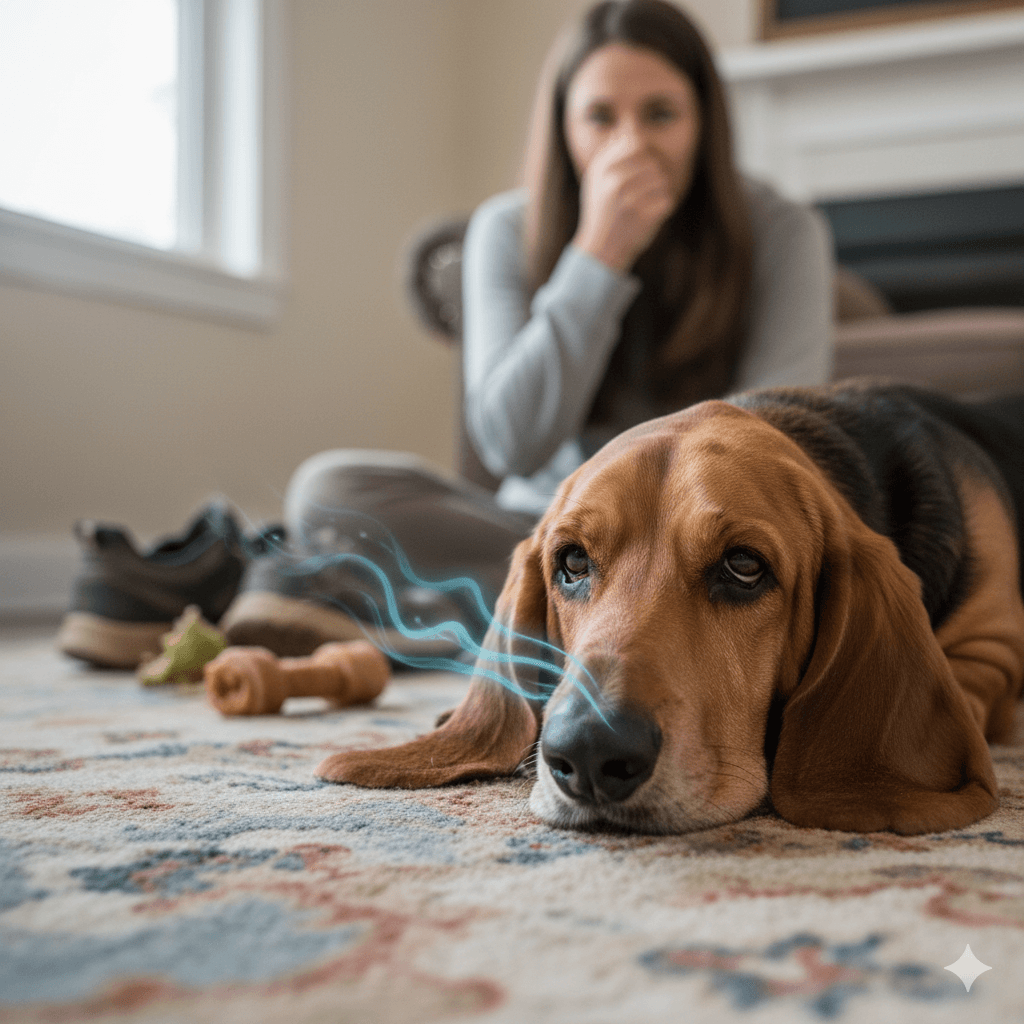
If your hound dog carries a distinctive, lingering odor—even after a bath—you’re not imagining things. Many hound breeds are naturally prone to stronger body scents due to their skin structure, coat type, and ear anatomy. While some “doggy smell” is normal, persistent or pungent odors can signal underlying issues like yeast overgrowth, ear infections, or poor grooming habits. Understanding the root causes helps you manage the scent effectively without compromising your dog’s health or comfort. With the right care, that hound aroma can shift from overpowering to barely noticeable—while keeping your loyal companion happy and clean.
Why Hound Dogs Tend to Have a Stronger Natural Odor
Hound dogs weren’t bred for pampered living—they were working scent hounds, often outdoors for hours tracking game. Their physiology reflects that rugged heritage, including traits that contribute to their signature smell. Here’s what makes hounds more aromatic than other breeds:
- Oily Skin and Coat:
Many hounds, like Basset Hounds or Bloodhounds, have dense, oily skin that traps moisture and odor-causing bacteria more easily than other breeds. - Heavy Skin Folds:
Loose facial and neck wrinkles create warm, moist pockets where yeast and bacteria thrive—especially if not cleaned regularly. - Long, Droopy Ears:
Their signature floppy ears limit airflow to the ear canal, creating a damp environment ideal for infections that produce a musty or sour smell. - High Sebum Production:
Sebum, a natural skin oil, is produced in greater amounts in hounds to protect against weather—but excess can lead to a rancid or “corn chip” odor. - Scent Retention in Coat:
Their short to medium coats often lie close to the skin and absorb environmental smells (like dirt, grass, or wet dog) that linger longer than in double-coated breeds.
While this scent is partly natural, it shouldn’t be overwhelmingly foul—persistent bad odor usually means it’s time for a closer look and better hygiene routines.
Common Medical Causes Behind Excessive Hound Dog Odor
Sometimes, what seems like typical “hound smell” is actually a sign of a treatable health issue. Ignoring it can lead to discomfort or worsening infections. Watch for these medical triggers behind abnormal or intensified odors:
- Yeast Overgrowth (Malassezia):
A sweet, musty, or bread-like smell—often from paws, ears, or skin folds—signals yeast overgrowth, common in humid climates or allergic dogs. - Bacterial Skin Infections:
A sour, rotten, or pus-like odor paired with redness, itching, or hair loss indicates a bacterial infection needing antibiotics. - Ear Infections (Otitis):
Hounds frequently develop ear infections due to poor ventilation; symptoms include a foul, cheesy smell and frequent head shaking. - Dental Disease:
Plaque buildup leads to gingivitis and periodontal disease, causing a sharp, fecal-like breath odor that affects overall body scent. - Anal Gland Impaction:
A fishy, pungent smell—often sudden and strong—may mean full or infected anal glands that need veterinary expression.
Addressing these conditions promptly not only reduces odor but also relieves your dog’s discomfort and prevents chronic issues.
Check this guide 👉The Egyptian Hound Dog: Best 7 Expert Tips!
Check this guide 👉Red Hound Dog Breeds: Best 7 Expert Tips!
Check this guide 👉Hound Dog Meaning: Best 7 Expert Tips!
Natural Hound Traits That Cause Mild Odor | Medical Red Flags That Cause Strong Odor |
|---|---|
Slightly oily coat | Foul-smelling ears with discharge |
Mild “doggy” scent after outdoor play | Persistent foot or skin odor despite bathing |
Light smell from ear wax buildup | Breath that smells rotten or metallic |
Occasional odor from skin folds after rain | Sudden fishy smell (anal glands) |
Normal sebum-related scent in warm weather | Red, itchy, or oozing skin patches |
Effective Bathing and Grooming Routines for Hound Dogs
Bathing too often can strip natural oils and worsen odor—but too little allows bacteria to flourish. The key is a balanced, targeted routine that respects your hound’s skin while controlling smell:
- Use pH-Balanced Dog Shampoo:
Choose a gentle, vet-recommended formula—avoid human shampoos, which disrupt skin pH and increase oil production. - Clean Skin Folds Thoroughly:
After every bath (or even weekly with a damp cloth), gently wipe facial and neck wrinkles with a soft cloth or pet-safe wipe. - Dry Completely After Bathing:
Moisture trapped in ears, folds, or undercoats breeds odor—use towels and a low-heat blow dryer to ensure full dryness. - Bathe Every 3–6 Weeks (or As Needed):
Over-bathing dries skin; under-bathing lets odor build. Adjust based on activity level, season, and individual smell. - Brush Regularly:
Even short-coated hounds benefit from weekly brushing to remove dead skin, distribute oils evenly, and reduce trapped debris.
Consistency matters more than frequency—regular, thoughtful grooming keeps odor under control without irritating sensitive skin.
Ear and Dental Care to Reduce Overall Body Odor
Much of a hound’s “smell” actually starts in the mouth or ears. Proactive care in these areas dramatically improves their overall scent profile and long-term health:
- Clean Ears Weekly:
Use a vet-approved ear cleaner and cotton balls (never Q-tips) to gently remove wax and debris from the visible ear canal. - Check for Redness or Discharge:
Healthy ears smell neutral or slightly waxy; a sour, yeasty, or foul odor means infection and requires veterinary care. - Brush Teeth Daily:
Dental disease is a major odor source—use enzymatic dog toothpaste and a soft brush to prevent plaque buildup. - Offer Dental Chews or Toys:
These help reduce tartar between brushings, but shouldn’t replace daily brushing for hounds prone to oral issues. - Schedule Professional Dental Cleanings:
Most hounds need a vet dental cleaning every 1–2 years to prevent hidden disease that contributes to chronic bad breath.
Tackling odor at its source—rather than masking it—leads to a fresher-smelling dog and better quality of life.
Diet and Gut Health’s Role in Managing Natural Dog Odor
What your hound eats directly affects their skin, coat, and even body odor. Poor-quality food or food sensitances can increase oil production, gas, and skin inflammation—all contributing to smell:
- Choose High-Quality, Easily Digestible Food:
Look for real meat as the first ingredient and avoid fillers like corn, soy, or artificial preservatives that irritate the gut. - Add Omega-3 Fatty Acids:
Fish oil or flaxseed supplements support skin barrier health, reducing excess oil and odor-causing inflammation. - Avoid Excessive Carbohydrates:
High-carb diets feed yeast overgrowth in the gut and on the skin, leading to that characteristic “corn chip” smell. - Monitor for Food Allergies:
Itching, ear infections, and body odor often stem from allergies—common triggers include beef, dairy, wheat, or chicken. - Ensure Proper Hydration:
Water helps flush toxins and supports healthy skin turnover, minimizing buildup of odor-causing compounds.
A clean internal system often leads to a cleaner external scent—proof that good nutrition is truly skin-deep.
Preventive Strategies to Keep Your Hound Fresh Long-Term
Preventing odor isn’t about masking—it’s about creating habits that support your hound’s natural health while minimizing smelly triggers. These strategies build a sustainable routine:
- Wipe Paws and Belly After Walks:
Dirt, pollen, and moisture cling to hound bellies and feet; a quick post-walk wipe reduces tracked-in odor and allergens. - Use Washable Bedding Weekly:
Hound oils transfer to beds quickly—wash their blankets and pads weekly in fragrance-free detergent to avoid stale smells. - Keep Indoor Air Fresh:
Use pet-safe air purifiers or open windows regularly; avoid heavy perfumes or sprays that irritate your dog’s sensitive nose. - Trim Nails and Hair Between Pads:
Long hair traps mud, feces, and bacteria—keeping it short reduces foot odor and tracking. - Schedule Regular Vet Wellness Checks:
Early detection of skin, ear, or dental issues prevents them from becoming chronic odor sources.
Prevention turns odor management from a chore into a seamless part of loving your hound well.
Environmental and Lifestyle Factors That Influence Hound Dog Odor
Beyond biology and health, your hound’s daily environment and routine play a significant role in how strong their natural scent becomes. Simple changes to their surroundings and habits can make a noticeable difference in managing odor without extra bathing or products.
- High Humidity Levels:
Moist air encourages yeast and bacterial growth on skin and in ears—common in basements or tropical climates—intensifying your hound’s natural smell. - Outdoor Exposure to Mud and Debris:
Rolling in dirt, wet grass, or stagnant water traps organic matter in their coat, which breaks down and releases a stronger, earthy odor over time. - Infrequent Bedding Changes:
Oil from your hound’s skin transfers to blankets, crates, and sofas; if not washed weekly, these fabrics become reservoirs for stale, concentrated scent. - Poor Indoor Ventilation:
Homes with limited airflow (e.g., closed windows, no fans) allow pet odors to linger and accumulate, making even mild hound scent seem overwhelming. - Use of Heavy Fragrances or Air Fresheners:
Artificial sprays don’t eliminate odor—they mix with your dog’s natural scent, creating an unpleasant, chemical-laden combination that irritates sensitive noses.
By tuning into these everyday influences, you can create a cleaner, fresher living space that supports your hound’s hygiene—and keeps your home smelling naturally pleasant.
“The distinctive ‘hound smell’ originates from multiple natural sources: apocrine glands associated with hair follicles produce pheromones for canine communication, while ceruminous and sebaceous glands in the ear canal create a slightly yeasty ear wax odor; additionally, the micro-organisms naturally living on moist paw pads contribute to the characteristic ‘Fritos’ or cheese-puff scent many owners notice.” – The VIN Dermatology Consultants
Frequently Asked Questions About Hound Dog Smell
Why do hound dogs smell worse than other breeds?
Their oily skin, heavy wrinkles, and droopy ears create more odor-prone environments than most short-coated, smooth-skinned breeds.
Can I use baking soda or vinegar to reduce my hound’s smell?
Occasionally, as a rinse—but never as a regular substitute for proper bathing. Both can disrupt skin pH if overused.
How often should I clean my hound’s wrinkles?
At least 2–3 times per week, or daily if they’ve been outside in heat or humidity, to prevent bacterial buildup.
Is it normal for my hound to smell like corn chips?
A mild “Frito feet” smell is common due to harmless bacteria, but a strong or spreading odor often indicates yeast overgrowth.
Will neutering or spaying reduce my hound’s body odor?
It may slightly reduce hormonal oil production in some dogs, but won’t eliminate breed-related scent from skin or ears.
Embracing Your Hound’s Unique Scent—With Care
Your hound’s aroma is part of their identity—a testament to their hardworking roots and expressive, earthy nature. While you don’t need to eliminate their natural scent entirely, managing excessive or unhealthy odors shows deep care for their well-being. With consistent grooming, attentive health checks, and smart lifestyle habits, you can keep your hound smelling clean without stripping away their distinctive character. After all, that loyal gaze and wagging tail matter far more than a faint doggy whiff—and with the right balance, you’ll enjoy both the love and the freshness in your home.

Is Rawhide Bad for Cats? Best 7 Expert Tips! – Discover the risks, safe alternatives, and expert advice to keep your feline friend healthy and happy.

Is Rawhide Bad for Dogs? Best 7 Expert Tips! – Discover the risks, benefits, and safer alternatives to rawhides for your dog’s chewing needs.

Understanding Anorexia in Cats: Best 7 Expert Tips! – Learn why cats stop eating, spot warning signs, and discover how to help your feline regain appetite safely.

Understanding Anorexia in Dogs: Best 7 Expert Tips! – Learn causes, symptoms, and solutions to help your dog regain appetite and stay healthy.