
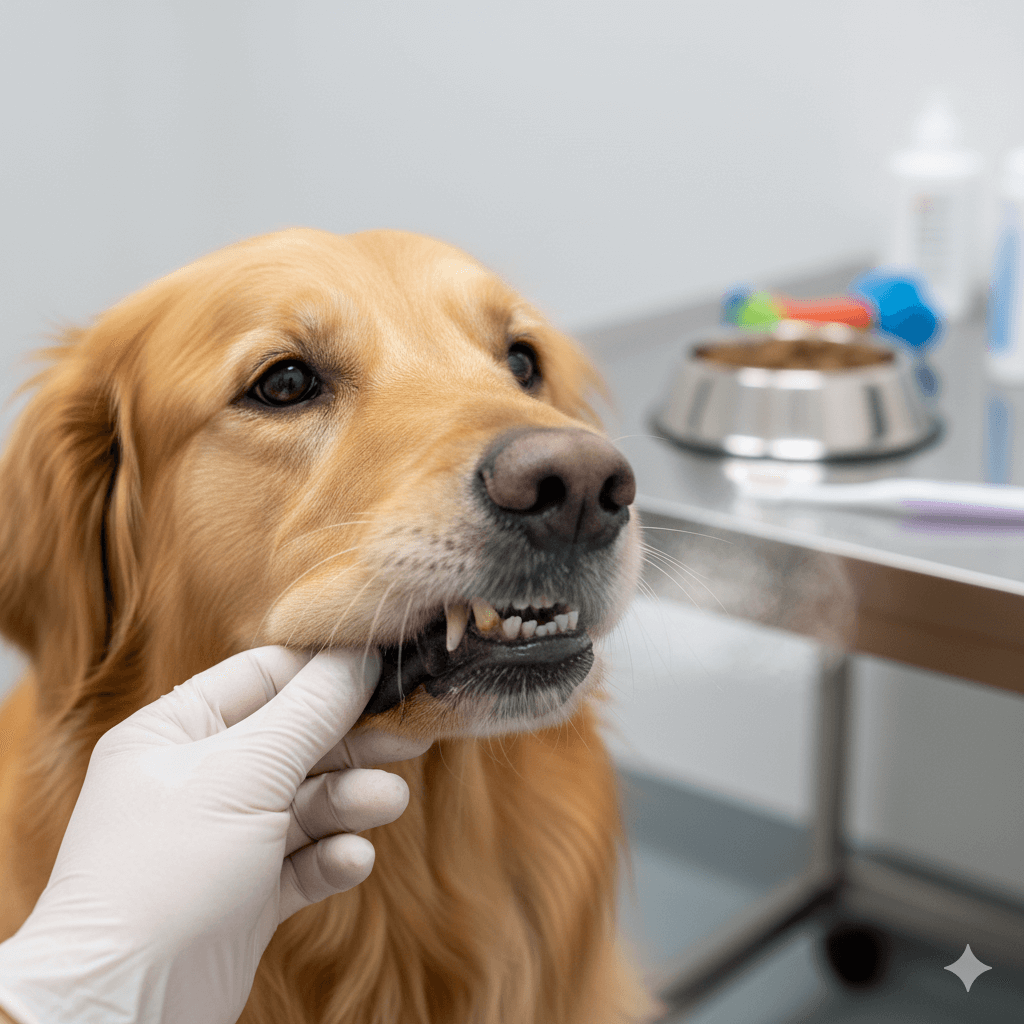

Understanding Halitosis in Dogs
Bad breath in dogs is more than just an unpleasant surprise during cuddle time—it’s often a sign of underlying health issues, especially within the mouth or digestive system. While occasional odor after eating fish-flavored treats is normal, persistent halitosis warrants attention. Left unchecked, it can signal gum disease, infection, or systemic illness. Understanding the causes, symptoms, and solutions empowers you to protect your dog’s comfort and long-term well-being. With proactive care, fresh breath can reflect a truly healthy dog.
Common Causes of Halitosis in Dogs
Foul breath rarely appears without reason. In most cases, it stems from bacterial buildup, poor oral hygiene, or internal imbalances. Identifying the root cause is the first step toward effective treatment and prevention:
- Dental Plaque and Tartar Accumulation:
Bacteria in the mouth form plaque that hardens into tartar, leading to gum inflammation (gingivitis) and decay—major sources of odor. - Periodontal Disease:
Advanced gum disease causes infection, tooth loss, and deep pockets where food debris and bacteria thrive, producing a rotting smell. - Oral Infections or Abscesses:
Broken teeth, ulcers, or infected gums create pus and necrotic tissue, resulting in a distinctly foul, sometimes sweetish odor. - Gastrointestinal Issues:
Conditions like acid reflux, gastritis, or intestinal imbalances can cause breath to smell sour, acidic, or unusually pungent. - Metabolic Disorders:
Kidney disease may produce an ammonia-like breath, while uncontrolled diabetes can cause a sweet, fruity, or acetone-like odor.
Addressing halitosis means treating more than just the smell—it means caring for your dog’s whole-body health.
Signs That Bad Breath Signals a Bigger Problem
Not all bad breath is equal. Some odors are mild and temporary, while others scream for medical attention. Watch for these accompanying symptoms to gauge severity:
- Visible Tartar or Red Gums:
Yellow-brown buildup on teeth or bright red, swollen gums indicate active dental disease. - Drooling or Pawing at the Mouth:
Excessive salivation or attempts to rub the face suggest pain or discomfort inside the mouth. - Difficulty Eating or Chewing on One Side:
Reluctance to eat dry food or dropping kibble may mean tooth pain or oral sores. - Weight Loss or Vomiting:
When halitosis pairs with digestive upset or unexplained weight changes, internal illness is likely. - Behavioral Changes:
Irritability, hiding, or reduced interaction can signal your dog is in discomfort due to oral or systemic issues.
If bad breath comes with any of these signs, a veterinary exam is essential—not optional.
Check this guide 👉Understanding Dog Mouth Bacteria: Best 7 Expert Tips!
Check this guide 👉Why Is My Dog Breathing Fast? Best 7 Behavior Tips!
Check this guide 👉Understanding Labored Breathing in Dogs: Best 7 Tips!
Oral Health Warning Signs | Systemic Health Red Flags |
|---|---|
Brown buildup on teeth | Ammonia-like breath odor |
Bleeding or receding gums | Sweet or fruity-smelling breath |
Loose or missing teeth | Persistent vomiting or diarrhea |
Foul odor worsening over time | Increased thirst and urination |
Refusal to chew toys or bones | Lethargy or loss of appetite |
At-Home Strategies to Improve Your Dog’s Breath
While professional dental care is irreplaceable, daily habits at home make a significant difference in preventing and managing halitosis:
- Brush Teeth Daily:
Use a dog-specific toothbrush and enzymatic toothpaste—human paste can be toxic. Focus on the gumline where plaque forms. - Offer Dental Chews and Toys:
VOHC-approved chews (like Greenies or dental sticks) help mechanically remove plaque during chewing. - Add Water Additives or Sprays:
Oral rinses or water additives with chlorhexidine or enzymes can reduce bacteria—though they don’t replace brushing. - Feed a Dental-Supportive Diet:
Some kibble formulations are designed with texture and shape to scrub teeth as your dog eats. - Monitor Treats and Table Scraps:
Avoid sugary, starchy, or fish-heavy treats that feed odor-causing bacteria or leave lingering smells.
Consistency is key: even 2–3 brushing sessions per week can slow plaque buildup and keep breath fresher.
When to See the Vet for Halitosis
Routine dental cleanings are preventive, but some cases of bad breath demand immediate veterinary intervention. Don’t delay if you notice:
- Sudden Onset of Severe Odor:
A rapid change in breath—especially with no diet change—can signal infection or organ dysfunction. - Bleeding from the Mouth:
This indicates advanced gum disease, trauma, or oral tumors requiring diagnosis. - Swelling Under the Eye or Jaw:
May point to a tooth root abscess that needs antibiotics or extraction. - Breath Smelling Like Urine or Chemicals:
Strong ammonia or metallic odors are classic signs of kidney failure. - Persistent Bad Breath Despite Home Care:
If brushing and chews don’t help after 2–3 weeks, an underlying issue likely remains untreated.
Early vet involvement can prevent irreversible damage and relieve your dog’s hidden discomfort.
Breeds Most Prone to Halitosis and Oral Issues
Some dogs are genetically or anatomically predisposed to dental problems due to jaw shape, tooth crowding, or saliva composition:
- Brachycephalic Breeds (e.g., Pugs, Bulldogs):
Their compressed jaws cause tooth crowding, trapping food and accelerating plaque buildup. - Small and Toy Breeds (e.g., Chihuahuas, Yorkies):
Retain puppy teeth longer, leading to misalignment and rapid tartar accumulation by age 2–3. - Dolichocephalic Breeds (e.g., Greyhounds, Collies):
Long muzzles don’t protect them—many are prone to enamel defects or early periodontal disease. - Breeds with Loose Lips (e.g., Basset Hounds, Saint Bernards):
Lip folds trap moisture and bacteria, contributing to both oral and skin infections. - Senior Dogs of Any Breed:
Aging reduces immune defenses in the mouth, making even well-cared-for dogs vulnerable to new dental issues.
Proactive dental care is non-negotiable for these predisposed groups—start early and stay consistent.
Preventing Halitosis Through Lifelong Dental Care
Prevention isn’t a one-time task—it’s a lifelong commitment that pays off in comfort, longevity, and quality of life for your dog:
- Schedule Annual Dental Exams:
Even if teeth look clean, vets can spot early gum recession or hidden decay during routine checks. - Professional Cleanings Under Anesthesia:
Recommended every 1–3 years depending on breed and home care; allows full scaling below the gumline. - Use VOHC-Approved Products:
Look for the Veterinary Oral Health Council seal on chews, foods, and rinses for proven effectiveness. - Introduce Oral Care Early:
Puppies should get used to toothbrushing and mouth handling to build cooperation for life. - Track Changes in Breath or Eating Habits:
Keep a simple journal—notes like “refused kibble Tuesday” or “smell worse after meal” help vets diagnose faster.
A dog with fresh breath isn’t just more pleasant to kiss—they’re likely healthier from nose to tail.
Expert-Backed Daily Habits to Combat Halitosis in Dogs
Incorporating simple, consistent routines into your dog’s day can dramatically reduce bad breath and support long-term oral health. These practical habits—recommended by veterinarians and veterinary dentists—are easy to implement and highly effective when practiced regularly:
- Brush Teeth Every Evening:
Just like in humans, nighttime brushing removes food particles and bacteria before they settle overnight, slowing plaque formation. - Rinse with Canine Oral Spray After Meals:
A quick spritz of vet-approved oral spray helps neutralize odor-causing bacteria, especially after soft or sticky foods. - Inspect Gums Weekly:
Lift your dog’s lips gently once a week to check for redness, swelling, or bleeding—early signs of gingivitis that often accompany bad breath. - Rotate Dental Toys Weekly:
Offering different textured chew toys (rubber, rope, or ridged) prevents boredom and ensures varied mechanical cleaning across all teeth surfaces. - Schedule Monthly “Mouth Check-Ins” with Your Vet:
Even between annual exams, many clinics offer free or low-cost dental checks—use them to catch issues before they cause halitosis.
Small, daily actions add up to fresher breath, healthier gums, and a happier dog who’s eager to greet you with confident licks and cuddles.
Frequently Asked Questions About Halitosis in Dogs
Can bad breath in dogs go away on its own?
Rarely. Without addressing the cause—whether plaque, infection, or disease—halitosis will persist or worsen over time.
Are carrots or apples good for cleaning a dog’s teeth?
While crunchy foods offer minor mechanical cleaning, they don’t replace brushing or professional care and can even pose choking risks.
Does dry food prevent bad breath better than wet food?
Dry kibble may help slightly more due to texture, but most commercial dry foods still break apart too easily to clean teeth effectively.
Can I use baking soda to brush my dog’s teeth?
No—baking soda is abrasive and can upset your dog’s stomach if swallowed. Always use dog-safe enzymatic toothpaste.
Is halitosis contagious between dogs?
Not directly—but shared toys, bowls, or close contact can spread bacteria that contribute to plaque and gum disease over time.
Fresh Breath, Healthy Life: A Commitment Worth Making
Halitosis in dogs is never just “normal dog breath”—it’s a quiet signal from your pet’s body asking for help. By responding with consistent care, regular check-ups, and informed choices, you do more than eliminate odor: you protect your dog’s heart, kidneys, and overall vitality. Dental disease is linked to serious systemic conditions, so every toothbrush stroke is an act of love. Embrace oral health as part of your dog’s wellness routine, and you’ll be rewarded not only with sweeter kisses but with more joyful, pain-free years together. After all, a healthy mouth means a happier dog—and that’s something worth smiling about.
Understanding Cryptosporidium in Cats: Best 7 Expert Tips! – Spot symptoms, treat safely, and stop parasite spread in your home.
Understanding Cryptosporidium in Dogs: Best 7 Expert Tips! – Learn symptoms, treatment & prevention for this stubborn gut parasite.
Understanding Syringomyelia in Cats: Best 7 Expert Tips! – Recognize signs, manage pain, and support your cat’s neurological health with vet-backed guidance.
Understanding Syringomyelia in Dogs: Best 7 Expert Tips! – Expert insights on symptoms, MRI diagnosis, pain management & quality of life.


