
Understanding Garlic Powder in Dog Food
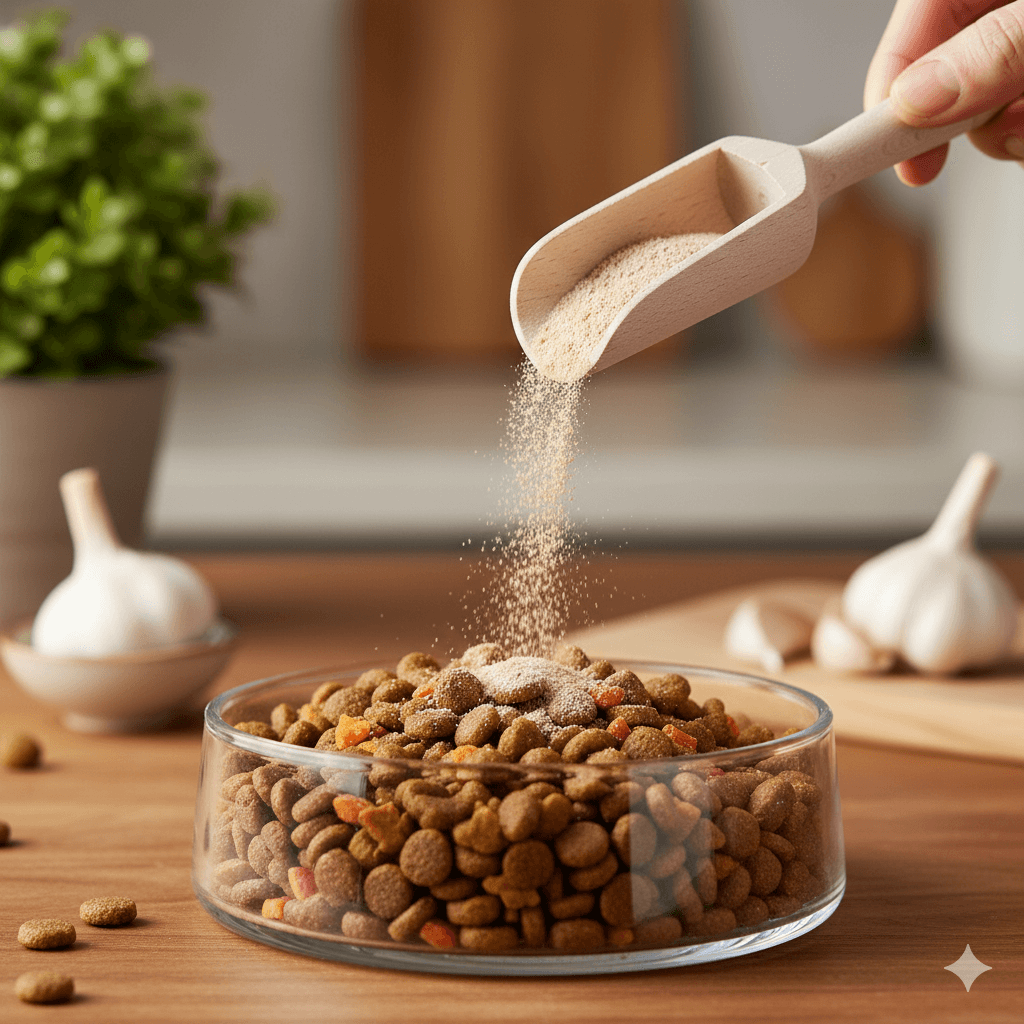
Garlic powder is a common kitchen staple—but when it comes to your dog’s diet, it’s far from harmless. While some pet food brands or homemade recipes may include trace amounts, garlic belongs to the allium family, which is known to be toxic to dogs in sufficient quantities. Even small, repeated exposures can accumulate and lead to serious health issues over time. Understanding the risks, safe thresholds (if any), and hidden sources of garlic powder helps you protect your dog’s well-being proactively. Always prioritize caution when it comes to seasonings in canine nutrition—what seems “natural” isn’t always safe.
Why Garlic Powder Is a Concern for Dogs
Garlic contains compounds like thiosulfate and disulfides that damage red blood cells in dogs, potentially leading to hemolytic anemia—a condition where the body destroys its own oxygen-carrying cells. While fresh garlic is more potent, powdered forms are actually more concentrated and pose a higher risk per gram. The effects may not appear immediately, making it easy to overlook the connection between diet and symptoms:
- Highly Concentrated Toxin:
Garlic powder is dehydrated and ground, making it significantly more potent by weight than raw garlic—just 1 teaspoon can be harmful to a small dog. - Cumulative Toxicity:
Even tiny amounts added daily (e.g., in “natural” treats or homemade meals) can build up in your dog’s system over time, causing delayed but serious illness. - Breed Sensitivity Variations:
Japanese breeds like Shiba Inus and Akitas are especially vulnerable due to genetic differences in red blood cell structure. - Hidden in Commercial Foods:
Some “holistic” or flavor-enhanced dog foods list garlic powder as an ingredient for taste or purported flea-repelling benefits—always read labels carefully. - Misleading Health Claims:
Despite online claims that garlic boosts immunity or repels pests, veterinary toxicologists strongly advise against its use due to proven risks outweighing unverified benefits.
While a single accidental lick may not cause harm, intentional or repeated inclusion of garlic powder in your dog’s diet is never recommended by veterinary professionals.
Symptoms of Garlic Toxicity in Dogs
Garlic poisoning doesn’t always show obvious signs right away—symptoms can take several days to appear as red blood cell damage progresses. Early detection is critical to prevent life-threatening anemia. Watch for these subtle and escalating indicators:
- Lethargy or Weakness:
Your dog may seem unusually tired, reluctant to play, or struggle to stand after mild activity due to poor oxygen delivery. - Pale or Yellowish Gums:
Healthy gums are pink; pale gums signal anemia, while yellowish tones (jaundice) suggest red blood cell breakdown. - Rapid Breathing or Heart Rate:
The body tries to compensate for low oxygen by increasing respiration and pulse—a sign of internal distress. - Dark or Red-Tinged Urine:
Hemoglobin from destroyed red blood cells can discolor urine, appearing brown, orange, or even red—this is a medical emergency. - Vomiting or Diarrhea:
Gastrointestinal upset often appears early, especially if a large amount was ingested recently.
If you suspect garlic ingestion—even if symptoms seem mild—contact your vet or a pet poison control center immediately. Delaying care can lead to irreversible complications.
Check this guide 👉Can Dogs Eat Garlic Bread? Best 7 Expert Tips!
Check this guide 👉Garlic for Dogs and Fleas: Best 7 Expert Tips!
Check this guide 👉What to Do If Your Dog Ate Garlic Salt? Best 7 Tips!
Safe Ingredients to Look For | Risky Additives to Avoid |
|---|---|
Whole meat sources (chicken, beef, fish) | Garlic powder or granules |
Sweet potatoes or peas | Onion powder or dried onion |
Omega-3 fatty acids (fish oil) | Chives or leek extracts |
Probiotics for gut health | “Natural flavor” blends (often contain alliums) |
Glucosamine for joint support | Yeast extract with added seasonings |
Common Sources of Garlic Powder in Your Dog’s Diet
Garlic powder often sneaks into your dog’s meals through unexpected channels—sometimes even in products marketed as “healthy” or “natural.” Being a vigilant label reader is your best defense against accidental exposure:
- Commercial Dog Treats:
Some dental chews, jerky treats, or soft bites use garlic powder for flavor, especially those claiming to freshen breath or repel fleas. - Homemade Dog Food Recipes:
Well-meaning owners sometimes add garlic based on outdated blogs or holistic advice—always consult a veterinary nutritionist before using any seasoning. - Leftover Human Food:
Sauces, gravies, soups, or seasoned meats shared with dogs often contain hidden garlic powder—even in “plain” dishes. - Supplements and Toppers:
Certain immune-boosting or anti-parasite supplements include garlic as an active ingredient; these should be avoided without vet approval. - Restaurant or Packaged Pet Meals:
Boutique or human-grade pet food brands may include “chef-inspired” seasonings that contain garlic for taste enhancement.
When in doubt, choose minimally processed foods with transparent, short ingredient lists—and never assume “natural” means “safe for dogs.”
Safe Alternatives to Enhance Your Dog’s Food
Want to make your dog’s meals more appealing without risking their health? Many dog-safe ingredients add flavor, aroma, and even nutritional benefits—without the danger of allium toxicity:
- Bone Broth (Unsalted, No Additives):
A splash of low-sodium, garlic-free bone broth can entice picky eaters and support joint and gut health. - Pumpkin Puree (Plain, Not Pie Filling):
Adds fiber, moisture, and a mildly sweet taste that most dogs enjoy—great for digestion and stool regulation. - Cooked Egg or Lean Meat Toppers:
A small amount of boiled chicken, turkey, or scrambled egg boosts protein and palatability safely. - Dog-Safe Herbs Like Parsley:
Fresh or dried parsley (in moderation) freshens breath and contains antioxidants—just avoid if your dog has kidney issues. - Commercial Flavor Enhancers (Vet-Approved):
Look for products specifically formulated for dogs, such as lick mats with salmon oil or vet-recommended food toppers.
These alternatives provide sensory enrichment while keeping your dog’s diet wholesome and toxin-free.
What to Do If Your Dog Ingests Garlic Powder
Accidents happen—but acting quickly can make all the difference. If you discover your dog has eaten food containing garlic powder, follow these steps calmly and promptly:
- Estimate the Amount Ingested:
Note the product, serving size, and how much your dog consumed—this helps your vet assess risk based on your dog’s weight. - Call Your Veterinarian Immediately:
Even if your dog seems fine, early intervention (like inducing vomiting or giving activated charcoal) may prevent toxin absorption. - Monitor for Delayed Symptoms:
Keep a close eye for the next 3–5 days for signs like weakness, pale gums, or dark urine—garlic toxicity can be slow to manifest. - Avoid Home Remedies:
Do not give milk, oil, or hydrogen peroxide without professional guidance—these can worsen the situation. - Save the Packaging:
Bring the ingredient label or container to your vet visit—it provides critical information for diagnosis and treatment.
Time is your ally in cases of potential toxicity; never wait for symptoms to appear before seeking help.
Expert Recommendations on Garlic and Canine Nutrition
Veterinary toxicologists, nutritionists, and organizations like the ASPCA and AKC all agree: garlic should not be part of a dog’s regular diet. While tiny amounts in some commercial foods may fall below acute toxicity thresholds, the cumulative risk and lack of proven benefit make avoidance the wisest choice:
- ASPCA Lists Garlic as Toxic:
The American Society for the Prevention of Cruelty to Animals explicitly classifies all forms of garlic as harmful to dogs. - No Safe Daily Dose Established:
Unlike some supplements, there is no scientifically validated “safe” amount of garlic powder for long-term canine consumption. - Veterinary Nutritionists Advise Against It:
Board-certified veterinary nutritionists do not recommend garlic in homemade or commercial diets due to consistent evidence of red blood cell damage. - Flea Repellent Claims Are Unproven:
There’s no reliable scientific evidence that garlic effectively repels fleas—and safer, vet-approved options exist. - Regulatory Gaps in Pet Food Labeling:
The FDA does not strictly limit garlic in pet food, so manufacturers may include it legally—even if it’s not in your dog’s best interest.
Trusting expert consensus over anecdotal advice protects your dog from preventable harm.
Hidden Dangers: How Garlic Powder Sneaks Into Your Dog’s Diet
Even the most careful pet owners can unknowingly expose their dogs to garlic powder—it’s often disguised under vague terms or tucked into products marketed as “natural” or “healthy.” Being aware of these stealth sources empowers you to make safer choices every time you shop, cook, or treat your pup:
- “Natural Flavor” on Ingredient Lists:
This umbrella term can legally include garlic derivatives; without full transparency, you may be feeding garlic without realizing it. - Homemade Broths or Gravies Shared as Toppers:
Even a spoonful of human-grade gravy or soup—often seasoned with garlic powder—can introduce a toxic dose over time. - Dental Chews Claiming Fresh-Breath Benefits:
Some dental treats use garlic for its strong scent, falsely implying it helps bad breath, when it actually poses a health risk. - Organic or Grain-Free Dog Foods:
Ironically, premium or “holistic” brands sometimes include garlic powder as a preservative or flavor booster—assume nothing without reading labels. - Seasoned Raw or Freeze-Dried Dog Meals:
Human-inspired recipes for raw diets may call for garlic as a “natural” addition, despite veterinary warnings against it.
Staying vigilant means reading every label, questioning vague claims, and when in doubt, contacting the manufacturer directly—because your dog’s safety depends on what’s not advertised as much as what is.
Frequently Asked Questions About Garlic Powder in Dog Food
Is a tiny amount of garlic powder really dangerous?
Yes—even small quantities consumed regularly can accumulate and cause anemia over time, especially in small or sensitive dogs.
Can garlic powder kill a dog?
In severe cases, yes. Large ingestions can lead to life-threatening hemolytic anemia, organ damage, or death without prompt treatment.
What if my dog’s food lists “natural flavor” but not garlic?
“Natural flavor” can legally include garlic derivatives. Contact the manufacturer directly to confirm if alliums are present.
Are garlic-free dog treats widely available?
Absolutely—most major brands (like Blue Buffalo, Wellness, and Zuke’s) avoid garlic entirely. Always check the ingredient panel.
Should I switch foods if I see garlic powder on the label?
Yes. Discontinue use immediately and transition to a garlic-free alternative to eliminate ongoing exposure risk.
Prioritizing Safety in Every Bite
Feeding your dog should be an act of love—not risk. While garlic powder may seem like a harmless seasoning, its potential to harm your canine companion is well-documented and serious. By choosing transparent, vet-approved foods and avoiding unverified “natural” remedies, you ensure every meal supports long-term health rather than hidden danger. Your dog relies on you to be their advocate in a world full of confusing labels and conflicting advice. When it comes to garlic powder, the safest choice is clear: leave it out, every time. In doing so, you’re not just protecting their digestion—you’re safeguarding their very ability to thrive.

Is Rawhide Bad for Cats? Best 7 Expert Tips! – Discover the risks, safe alternatives, and expert advice to keep your feline friend healthy and happy.

Is Rawhide Bad for Dogs? Best 7 Expert Tips! – Discover the risks, benefits, and safer alternatives to rawhides for your dog’s chewing needs.

Understanding Anorexia in Cats: Best 7 Expert Tips! – Learn why cats stop eating, spot warning signs, and discover how to help your feline regain appetite safely.

Understanding Anorexia in Dogs: Best 7 Expert Tips! – Learn causes, symptoms, and solutions to help your dog regain appetite and stay healthy.