
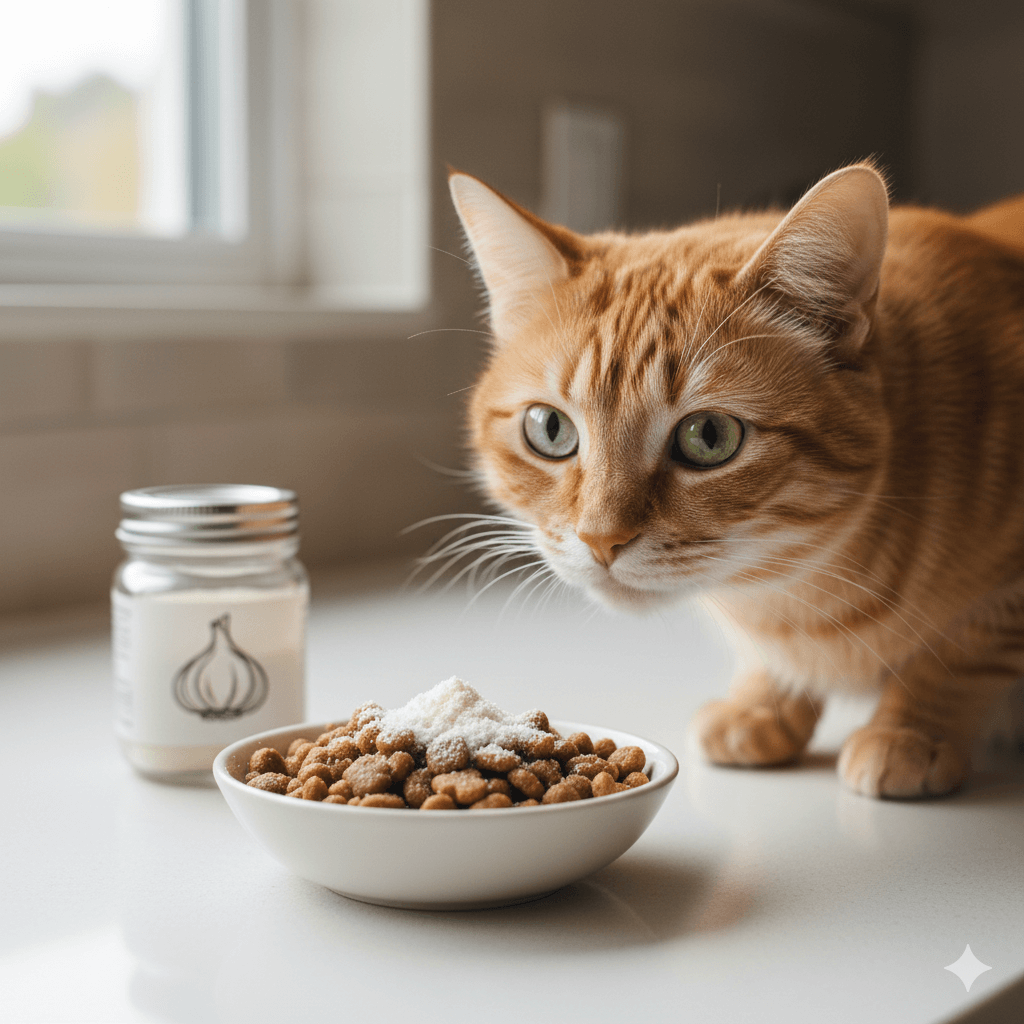

Understanding Garlic Powder in Cat Food
Garlic powder is a common kitchen staple—but when it comes to cats, even small amounts can pose serious health risks. While some pet food brands or homemade recipes may include it for flavor or perceived benefits, garlic belongs to the Allium family, which is toxic to felines. Understanding why garlic powder is dangerous, how much is too much, and what safer alternatives exist can help you protect your cat’s health without compromising on taste or nutrition. Always consult your veterinarian before adding any new ingredient to your cat’s diet—especially one as potentially harmful as garlic.
Why Garlic Powder Is Dangerous for Cats
Cats lack the enzymes needed to safely process compounds found in garlic, making even trace amounts risky over time. Garlic powder is actually more concentrated than fresh garlic, increasing its toxicity potential in smaller volumes. Repeated exposure—even in “natural” or “holistic” foods—can lead to cumulative damage:
- Toxic Compounds:
Garlic contains thiosulfates and disulfides that damage red blood cells, potentially leading to hemolytic anemia—a life-threatening condition. - Delayed Symptoms:
Signs of garlic toxicity may not appear for 24–72 hours, including weakness, pale gums, rapid breathing, or dark urine. - Cumulative Effect:
Small, repeated doses (like daily sprinkles in food) can build up in your cat’s system, causing chronic toxicity even without acute vomiting. - Higher Sensitivity Than Dogs:
Cats are significantly more vulnerable to Allium toxicity than dogs due to differences in metabolism and red blood cell structure. - No Safe Threshold Established:
While some claim “tiny amounts are harmless,” veterinary toxicologists agree: there is no proven safe dose of garlic for cats.
Because symptoms can be subtle and delayed, prevention is far safer than treatment—always avoid garlic powder in any form.
Common Sources of Hidden Garlic in Cat Diets
You might not realize your cat is consuming garlic unless you read every ingredient label carefully. It’s often added to enhance flavor in commercial and homemade foods, sometimes under misleading terms:
- Commercial “Natural” Cat Foods:
Some grain-free or boutique brands list “garlic powder” or “dehydrated garlic” as a flavor enhancer or preservative. - Homemade or Raw Diets:
Well-meaning owners sometimes add garlic believing it repels fleas or boosts immunity—despite strong evidence against this practice. - Broths and Gravies:
Store-bought chicken or beef broths used to moisten dry food frequently contain garlic or onion powder. - Treats and Toppers:
Freeze-dried meat toppers or soft treats may include garlic for aroma, especially those marketed as “human-grade.” - Leftovers or Table Scraps:
Even a lick of garlic-seasoned food from your plate can contribute to toxic buildup over time.
Always scrutinize ingredient lists—garlic may appear as “natural flavor,” “seasoning,” or “spice blend,” so contact the manufacturer if unsure.
Check this guide 👉Can Cats Eat Garlic Bread? Best 7 Expert Tips!
Check this guide 👉Can Cats Eat Garlic? Best 7 Expert Tips!
Check this guide 👉Are Carrots Good for Cats? Best 7 Expert Tips!
Safe Ingredients to Look For | Garlic-Related Red Flags to Avoid |
|---|---|
Chicken liver (cooked, unseasoned) | Garlic powder or granules |
Pumpkin puree (unsweetened) | Dehydrated garlic or onion |
Omega-3 fish oil (vet-approved) | “Natural flavors” without full disclosure |
Probiotics formulated for cats | Broths with added seasonings |
Taurine supplements | Any product claiming “flea-repelling herbs” |
Signs of Garlic Toxicity in Cats
Early detection is critical—garlic poisoning can progress silently until severe anemia develops. Watch for these clinical signs, especially if garlic exposure is suspected:
- Lethargy or Weakness:
Your cat may sleep more, avoid jumping, or seem unusually tired during play. - Pale or Yellowish Gums:
Healthy cat gums are pink; pale gums suggest anemia, while yellowing (jaundice) indicates red blood cell breakdown. - Loss of Appetite:
Refusing meals or treats they normally enjoy can be an early warning sign. - Rapid Breathing or Heart Rate:
The body compensates for low oxygen by increasing respiration and heart rate—subtle but serious indicators. - Dark or Red-Tinged Urine:
This results from hemoglobin being excreted as red blood cells rupture—a medical emergency.
If you notice any of these signs and suspect garlic ingestion, contact your vet or a pet poison helpline immediately.
Why Some Brands Still Include Garlic Powder
Despite the risks, garlic appears in some pet products due to persistent myths and marketing claims. Understanding the motivations helps you make informed choices:
- Flavor Enhancement:
Garlic makes food more appealing to pets (and owners), increasing palatability—especially in low-quality protein blends. - Misguided Health Claims:
Some brands promote garlic as a natural flea deterrent, immune booster, or digestive aid—none of which are scientifically proven in cats. - Regulatory Gaps:
Pet food regulations are less strict than human food laws; ingredients like garlic aren’t banned, even if unsafe. - Consumer Demand for “Natural” Labels:
Shoppers often equate “herbs and spices” with wellness, unaware of species-specific toxicity. - Lack of Immediate Reaction:
Since symptoms are delayed, owners may not link illness to diet—allowing problematic formulas to remain on shelves.
Always prioritize brands that follow veterinary nutrition guidelines and avoid any Allium family ingredients.
Safe Alternatives to Enhance Your Cat’s Diet
Want to make meals more enticing without risking toxicity? These vet-approved options add flavor, nutrition, or variety safely:
- Bone Broth (Garlic-Free):
Use homemade or certified pet-safe broth with no added seasonings to moisten kibble. - Cooked Meat Purees:
Blend plain cooked chicken, turkey, or fish (no skin, bones, or seasoning) into a smooth paste as a topper. - Cat-Safe Catnip or Valerian Root:
A pinch can stimulate appetite or provide enrichment—especially for picky or senior cats. - Commercial Meal Enhancers:
Choose products labeled “complete and balanced” with transparent ingredients and AAFCO approval. - Warm Food:
Gently warming wet food releases aromas that naturally entice cats without additives.
Small changes can make meals more appealing while keeping your cat safe and healthy.
What to Do If Your Cat Ingests Garlic Powder
Accidents happen—but quick action can prevent serious harm. If you discover your cat has eaten food containing garlic powder, follow these steps:
- Check the Amount and Time:
Note how much was consumed and when—this helps your vet assess risk level accurately. - Do Not Induce Vomiting:
Never give hydrogen peroxide or other home remedies unless specifically instructed by a professional. - Call Your Veterinarian Immediately:
Even small exposures warrant a call—early blood tests can detect anemia before symptoms worsen. - Monitor Closely for 72 Hours:
Watch for lethargy, drooling, vomiting, or changes in gum color, and report any changes promptly. - Bring Packaging to the Clinic:
If possible, take the food label or container to help the vet identify exact ingredients and concentrations.
Time is critical—early intervention often prevents hospitalization and supports full recovery.
Misconceptions About Garlic in Feline Diets
Many well-meaning cat owners believe garlic offers health benefits—thanks to myths passed around online or in pet communities. However, veterinary science clearly shows these claims are not only unproven but potentially dangerous. Separating fact from fiction is essential to keeping your cat safe:
- “Garlic Boosts Immunity”:
There is no scientific evidence that garlic improves immune function in cats; in fact, it can suppress bone marrow activity and harm red blood cells. - “A Pinch Won’t Hurt”:
Because cats are so sensitive to Allium compounds, even tiny amounts—especially in concentrated powder form—can accumulate and cause toxicity over time. - “It’s Natural, So It’s Safe”:
“Natural” does not equal “safe” for cats. Many natural substances (like lilies, grapes, or essential oils) are highly toxic to felines. - “Commercial Foods Must Be Safe”:
Regulatory oversight of pet food is limited; just because garlic powder appears on a label doesn’t mean it’s harmless—always research ingredients independently. - “My Cat Ate It and Was Fine”:
The absence of immediate symptoms doesn’t rule out damage. Garlic toxicity can be subclinical at first, with anemia developing days later.
Trusting verified veterinary guidance over folklore is the best way to protect your cat from preventable harm.
Frequently Asked Questions About Garlic Powder in Cat Food
Is a tiny pinch of garlic powder really harmful?
Yes. Cats are extremely sensitive; even small, repeated amounts can cause cumulative red blood cell damage.
Can garlic repel fleas in cats?
No—this is a dangerous myth. Garlic offers no proven flea protection and poses real health risks.
What if my cat ate food with garlic once—should I panic?
Don’t panic, but do call your vet. A single small exposure may not cause illness, but monitoring is essential.
Are onion and garlic equally toxic?
Yes—both are Allium species and equally dangerous to cats, with garlic being more concentrated by weight.
How long does it take for symptoms to appear?
Signs typically emerge 1–3 days after ingestion, though severe cases may show earlier vomiting or diarrhea.
Protecting Your Cat from Hidden Dietary Hazards
Your cat’s health depends on more than just love—it relies on informed choices about what goes into their bowl. Garlic powder, though common in human kitchens, has no place in feline nutrition. By reading labels, avoiding unproven home remedies, and choosing transparent, vet-backed foods, you create a safer, healthier life for your companion. Remember, your cat trusts you to be their advocate; every ingredient you approve is a promise of protection. When in doubt, skip the spice—and choose safety over flavor every time.
Newfoundland Dog Personality: Best 7 Expert Tips! – Discover the gentle, loyal, and protective nature of this giant breed perfect for families.
Can Hot Pavement Burn Your Cats Paws? Best 7 Expert Tips! – Learn how to protect your cat’s paws from hot surfaces and prevent painful burns this summer.
Can Hot Pavement Burn Your Dogs Paws? Best 7 Expert Tips! – Learn how to protect your dog’s paws from hot surfaces and ensure safe summer walks.
Irish Wolfhound Size: Best 7 Expert Tips! – Discover the ideal height, weight, and care tips for this majestic giant breed. Learn how to manage their impressive stature responsibly.


