
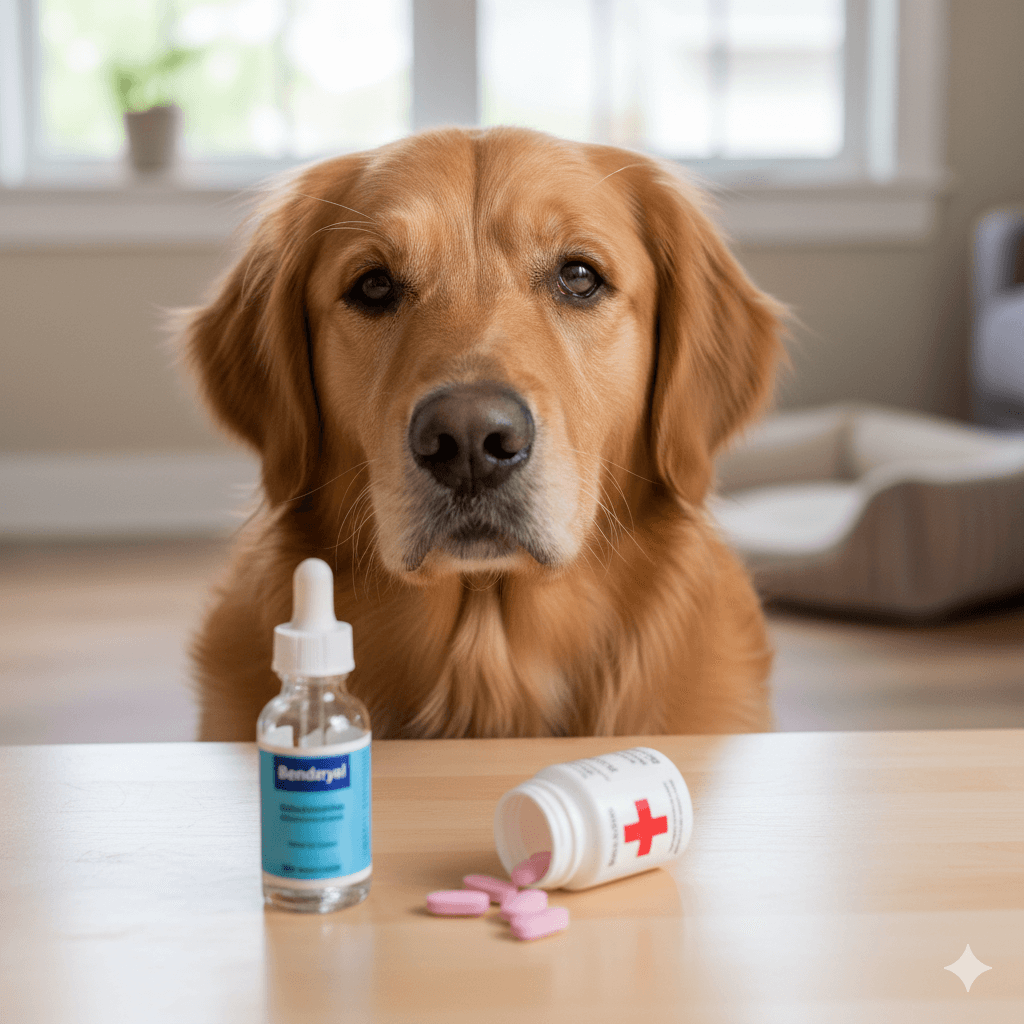

Understanding Dog Swollen Eye Benadryl
A swollen eye in dogs can be alarming—whether it’s sudden puffiness, redness, or your pup pawing at their face. While Benadryl (diphenhydramine) is sometimes used to ease allergic reactions, it’s not always the right solution for eye swelling. Many causes, from infections to trauma or foreign objects, require specific treatment beyond antihistamines. Understanding when Benadryl might help—and when it could delay proper care—is essential for your dog’s comfort and safety. Always consult your vet before giving any medication, even over-the-counter options.
Common Causes of a Swollen Eye in Dogs
Eye swelling rarely happens without a reason. Identifying the underlying trigger is the first step toward effective treatment—whether it’s an allergy, injury, or something more serious. Here are the most frequent culprits dog owners encounter:
- Allergic Reactions:
Insect stings, pollen, food sensitivities, or environmental irritants can cause rapid swelling around one or both eyes, often with itching. - Conjunctivitis (Pink Eye):
Inflammation of the eye’s lining leads to redness, discharge, and swelling—caused by bacteria, viruses, or irritants. - Trauma or Injury:
A scratch, bite, or blunt impact can result in bruising, swelling, and pain, especially if your dog has been playing roughly or fighting. - Foreign Object Irritation:
Grass seeds, dust, or plant material trapped under the eyelid can cause significant swelling and discomfort. - Orbital or Dental Abscess:
Infections near the eye socket or tooth roots (especially upper molars) can push the eye forward and cause pronounced swelling.
Accurate diagnosis is key—what looks like an allergy could actually be an urgent dental or ocular issue needing immediate attention.
When (and When Not) to Use Benadryl for a Swollen Eye
Benadryl can be helpful for mild allergic swelling, but it’s not a universal fix. Knowing its limits prevents risky delays in proper care:
- May Help in True Allergies:
If swelling appears suddenly after a bee sting or exposure to a known allergen, Benadryl (at the correct dose) may reduce symptoms. - Won’t Treat Infections:
Bacterial or viral eye infections won’t improve with antihistamines—antibiotic or antiviral meds are needed instead. - Ineffective for Trauma or Abscesses:
Swelling from injury or pus-filled infections requires pain control, drainage, or antibiotics—not allergy medication. - Risk of Masking Serious Issues:
Using Benadryl without diagnosis might temporarily reduce swelling while a dangerous condition worsens unseen. - Not Safe for All Dogs:
Dogs with glaucoma, heart disease, high blood pressure, or on certain medications should never take Benadryl without vet approval.
Never assume Benadryl is the answer—always call your veterinarian first to rule out emergencies.
Check this guide 👉Can You Give Your Dog Benadryl Every Day? Best 7 Tips!
Check this guide 👉Benadryl for Dog Allergies: Best 7 Expert Tips!
Check this guide 👉Does Benadryl Make Dogs Sleepy? Best 7 Expert Tips!
Situations Where Benadryl Might Help | Cases Where It’s Inappropriate or Risky |
|---|---|
Mild facial swelling after a known insect sting | Swollen eye with pus or green/yellow discharge |
Itchy eyes during high pollen season | Swelling accompanied by squinting or eye cloudiness |
Known seasonal allergies with past vet approval | Sudden bulging of one eye (possible abscess or tumor) |
Temporary relief while en route to vet for mild reaction | Dog with preexisting heart, liver, or eye conditions |
No other symptoms besides mild puffiness | Swelling with fever, lethargy, or loss of appetite |
Safe Dosage and Administration Guidelines
If your vet confirms Benadryl is appropriate, dosing must be precise. Human formulations often contain unsafe additives, and overdosing can cause serious side effects.
- Standard Dose:
Typically 1 mg per pound of body weight, given every 8–12 hours—but always follow your vet’s specific instructions. - Use Plain Diphenhydramine Only:
Avoid formulas with decongestants (like pseudoephedrine) or pain relievers (like acetaminophen), which are toxic to dogs. - Liquid vs. Tablets:
Liquid children’s Benadryl is easier to dose for small dogs, but check the label—some now contain alcohol or xylitol (both dangerous). - Watch for Side Effects:
Drowsiness is common, but excessive sedation, dry mouth, rapid heartbeat, or agitation require immediate vet attention. - Never Guess the Dose:
A 10-pound dog needs about 10 mg, while a 50-pound dog needs 50 mg—giving the wrong amount can be ineffective or harmful.
Even with correct dosing, Benadryl should only be a short-term aid, not a long-term solution for recurring eye issues.
Signs That Require Immediate Veterinary Care
Some causes of eye swelling are true emergencies. Delaying treatment can lead to permanent vision loss or systemic illness. Seek help right away if you notice:
- Eye Bulging or Protrusion:
This suggests an orbital abscess, tumor, or severe infection pushing the eye forward—a critical situation. - Cloudiness or Blue Tint:
Corneal ulcers or glaucoma can develop rapidly and cause irreversible damage within hours. - Inability to Open the Eye:
Severe pain, squinting, or keeping the eye tightly shut indicates significant injury or inflammation. - Discharge with Blood or Pus:
Yellow, green, or bloody discharge points to infection or trauma needing antibiotics or surgery. - Swelling with Neurological Signs:
Head tilt, circling, or facial asymmetry may indicate a deeper issue like a tooth root infection spreading to the brain.
When in doubt, err on the side of caution—your dog’s vision and health depend on timely intervention.
Preventing Future Episodes of Eye Swelling
Proactive care reduces the risk of recurring eye problems. Focus on minimizing allergens, protecting the eyes, and maintaining overall health:
- Keep Your Dog’s Face Clean:
Gently wipe around the eyes daily with a damp cloth to remove debris and prevent irritation. - Avoid High-Risk Environments:
Steer clear of tall grass, dusty areas, or known allergen hotspots during walks. - Use a Harness Instead of a Collar:
Collars can increase eye pressure during pulling—especially risky for dogs prone to glaucoma. - Stay Current on Dental Care:
Regular cleanings and check-ups prevent tooth infections that can spread to the eye socket. - Know Your Dog’s Allergy Triggers:
If your dog reacts to bee stings or pollen, discuss an emergency plan (including safe antihistamine use) with your vet.
Prevention isn’t just about comfort—it’s about safeguarding your dog’s long-term eye health and quality of life.
Special Considerations for Brachycephalic and Small Breeds
Dogs with short snouts (like Pugs, Bulldogs, or Shih Tzus) or tiny frames (like Chihuahuas or Yorkies) face higher risks with eye issues due to anatomy and fragility:
- Prominent Eyes Prone to Injury:
Their eyes protrude more, making scratches, ulcers, and trauma far more common. - Narrow Tear Ducts:
Many brachycephalic breeds have poor drainage, leading to chronic irritation and secondary swelling. - Higher Glaucoma Risk:
Structural abnormalities increase pressure buildup inside the eye—a silent, fast-moving threat to vision. - Dental-Eye Connection:
In small breeds, tooth root infections easily spread to the eye socket due to close anatomical proximity. - Benadryl Caution:
These breeds often have breathing difficulties; sedation from antihistamines can worsen respiratory strain.
For these dogs, even mild eye swelling deserves prompt professional evaluation—never assume it’s “just allergies.”
What to Expect During a Veterinary Eye Exam
If you bring your dog in for a swollen eye, the vet will perform a thorough ophthalmic assessment to pinpoint the cause and plan treatment:
- Fluorescein Stain Test:
A harmless orange dye reveals corneal scratches or ulcers under UV light. - Schirmer Tear Test:
Measures tear production to rule out dry eye, a common cause of chronic irritation. - Tonometry:
Checks intraocular pressure to detect glaucoma or uveitis. - Oral and Dental Inspection:
The vet may examine the mouth for signs of tooth root abscesses affecting the eye. - Imaging if Needed:
In severe cases, X-rays or ultrasound may be used to assess the eye socket or sinuses.
This detailed approach ensures your dog gets the right treatment—not just a temporary fix.
Frequently Asked Questions About Dog Swollen Eye Benadryl
Can I give my dog Benadryl for a swollen eye without calling the vet?
No—always consult your veterinarian first. Swelling can signal serious conditions that Benadryl won’t fix and might even worsen.
How fast does Benadryl work for allergic eye swelling in dogs?
If appropriate, improvement may begin within 30–60 minutes, with peak effects in 2–4 hours—but only if the cause is truly allergic.
Is children’s liquid Benadryl safe for dogs?
Only if it contains only diphenhydramine and no alcohol, xylitol, or added pain relievers—check the label carefully.
What if Benadryl doesn’t reduce the swelling?
That’s a strong sign the cause isn’t allergic. Stop giving it and seek veterinary care immediately.
Can a swollen eye heal on its own in dogs?
Mild allergies might resolve, but infections, ulcers, or abscesses will worsen without treatment—never wait more than a few hours.
Protecting Your Dog’s Vision with Care and Caution
A swollen eye is more than a cosmetic concern—it’s a signal that something in your dog’s body needs attention. While Benadryl has its place in canine care, it’s not a cure-all for ocular swelling. True support means observing closely, acting quickly, and trusting veterinary guidance over guesswork. By responding with both empathy and wisdom, you help ensure your dog’s eyes stay bright, healthy, and full of life for years to come. After all, those loving gazes are worth protecting with every ounce of care you can give.
Understanding Cryptosporidium in Cats: Best 7 Expert Tips! – Spot symptoms, treat safely, and stop parasite spread in your home.
Understanding Cryptosporidium in Dogs: Best 7 Expert Tips! – Learn symptoms, treatment & prevention for this stubborn gut parasite.
Understanding Syringomyelia in Cats: Best 7 Expert Tips! – Recognize signs, manage pain, and support your cat’s neurological health with vet-backed guidance.
Understanding Syringomyelia in Dogs: Best 7 Expert Tips! – Expert insights on symptoms, MRI diagnosis, pain management & quality of life.


