
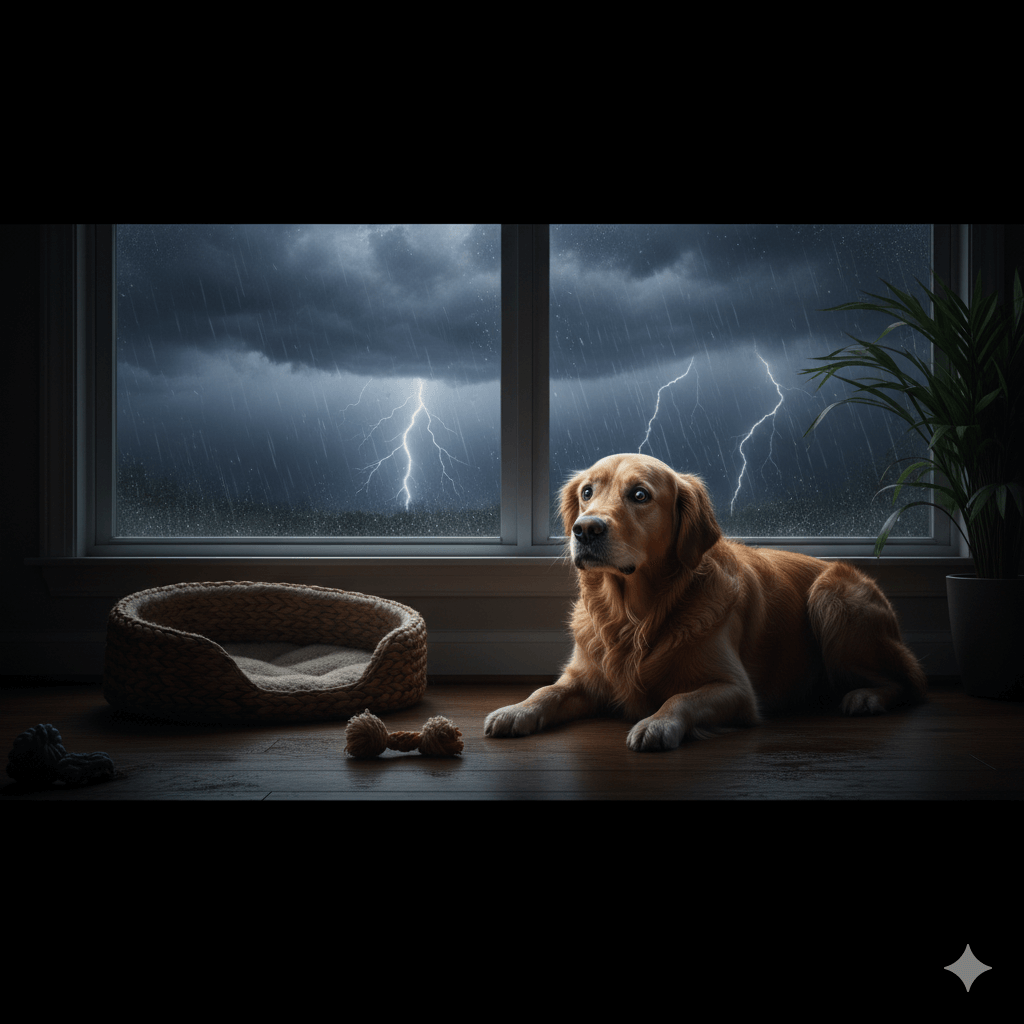

Understanding Dog Storm Anxiety: Best 7 Expert Tips!

Understanding Dog Storm Anxiety: Best 7 Expert Tips!

Understanding Dog Storm Anxiety

Few things unsettle a dog like the crash of thunder or the flicker of lightning. Storm anxiety—also called thunderstorm phobia—affects millions of dogs worldwide, turning what seems like ordinary weather into a source of terror. Your normally calm companion may tremble, hide, pant excessively, or even try to escape. While it might look like simple fear, this reaction is often a deep-seated panic that requires understanding, patience, and smart management. With the right support, you can help your dog feel safer during storms and reduce long-term stress. You’re not alone, and your dog doesn’t have to suffer in silence.

Common Signs Your Dog Is Experiencing Storm Anxiety

Dogs often begin showing distress long before the first thunderclap—sometimes reacting to subtle changes in barometric pressure or static electricity. Recognizing early and overt signs helps you intervene before anxiety escalates:

 
  • Pacing or Restlessness:
    Your dog may walk in circles, shift from room to room, or be unable to settle, even in their favorite spot.
     
  • Excessive Panting or Drooling:
    Heavy breathing and salivation often appear without heat or exertion, signaling acute stress.
     
  • Hiding or Seeking Enclosed Spaces:
    Many dogs retreat to bathrooms, under beds, or inside closets—instinctively seeking shelter from perceived danger.
     
  • Whining, Barking, or Howling:
    Vocalizations increase as the storm approaches, especially if your dog feels you aren’t responding to their distress.
     
  • Destructive Behavior or Escape Attempts:
    In severe cases, dogs may chew doors, scratch windows, or bolt—posing serious safety risks during storms.
 

These behaviors typically intensify as the storm nears and may linger hours after it passes, reflecting genuine emotional overwhelm.

Understanding Dog Storm Anxiety: Best 7 Expert Tips!

When Storm Anxiety Becomes a Serious Concern

While mild unease is common, some dogs develop full-blown phobias that impact their health and household safety. Knowing the red flags ensures you act before the situation worsens:

 
  • Self-Injury During Panic:
    Dogs have broken teeth, torn nails, or lacerated paws trying to escape—sometimes requiring emergency care.
     
  • Urination or Defecation Indoors:
    Loss of bladder or bowel control isn’t disobedience—it’s a physiological stress response seen in extreme fear.
     
  • Complete Shutdown or Freezing:
    Some dogs stop moving entirely, appearing catatonic—a sign of overwhelming terror, not calmness.
     
  • Refusal to Eat or Drink:
    Even favorite treats or water may be ignored during or after a storm due to sustained anxiety.
     
  • Worsening Over Time:
    Without intervention, storm phobia often generalizes to other loud noises (fireworks, vacuums), making life harder for everyone.
 

If your dog shows any of these signs, consult a veterinarian or certified behaviorist—this is treatable, not “just how they are.”

Early Anxiety Signs
Severe or Escalating Symptoms
Mild trembling
Hiding for hours before a storm
Increased clinginess
Attempting to escape through windows/doors
Brief vocalizations
Self-harm during panic episodes
Seeking comfort
Involuntary urination or defecation
Ears back, tail tucked
Refusing food/water before, during, or after storms

Root Causes Behind Your Dog’s Fear of Storms

Storm anxiety rarely has a single cause—it’s often a mix of biology, past experience, and environmental triggers that create a perfect storm of fear:

 
  • Sensory Sensitivity:
    Dogs hear thunder 4x louder than humans and detect static electricity changes we can’t sense—making storms physically overwhelming.
     
  • Lack of Early Exposure:
    Puppies not gently introduced to storm sounds during their critical socialization window (3–14 weeks) are more prone to fear later.
     
  • Traumatic Association:
    A single frightening storm during a vulnerable life stage (e.g., rehoming, illness) can imprint lasting fear.
     
  • Breed and Temperament Factors:
    Herding, guarding, and highly sensitive breeds (like Border Collies or German Shepherds) show higher rates of noise phobia.
     
  • Owner’s Unintentional Reinforcement:
    While comforting seems kind, anxious petting or soothing phrases (“It’s okay!”) can accidentally validate your dog’s fear response.
 

Understanding the “why” helps you address the root—not just the symptoms—of your dog’s distress.


Immediate Calming Strategies During a Storm

When thunder rolls in, your goal is to reduce sensory input and create a sense of safety without reinforcing panic. These in-the-moment techniques can make a real difference:

 
  • Create a Safe Haven:
    Designate a quiet, interior room with no windows, add familiar bedding, and cover crates with blankets to muffle sound and light.
     
  • Use White Noise or Calming Music:
    Play soft classical, reggae, or specially designed dog-calming tracks to drown out thunder without sudden volume spikes.
     
  • Try a ThunderShirt or Anxiety Wrap:
    These snug garments apply gentle pressure that can lower heart rate and cortisol—effective for ~80% of dogs when used correctly.
     
  • Stay Calm and Present:
    Avoid nervous energy yourself; sit quietly nearby (without coddling) to project confidence and stability.
     
  • Offer Distraction, Not Reinforcement:
    Engage with food puzzles, chew toys, or simple obedience cues they know well—redirecting focus without rewarding fear.
 

Even small reductions in distress during a storm build your dog’s resilience over time.

Long-Term Solutions and Behavior Modification

For lasting relief, combine environmental management with gradual desensitization—a proven method to rewire your dog’s emotional response:

 
  • Sound Desensitization Training:
    Use recorded storm sounds at very low volumes while your dog eats or plays, slowly increasing volume over weeks only if they stay relaxed.
     
  • Pair Storm Cues with Positives:
    Whenever barometric pressure drops (a common pre-storm signal), offer a special treat or game—creating a new, happy association.
     
  • Work with a Certified Professional:
    A veterinary behaviorist or fear-free trainer can design a tailored plan and, if needed, recommend anti-anxiety medications for support.
     
  • Consider Prescription Options:
    For severe cases, short-acting medications like trazodone or Sileo (an FDA-approved gel for noise aversion) can be game-changers.
     
  • Maintain a “Storm Diary”:
    Track triggers, behaviors, and what helps—this data guides adjustments and shows progress, even when it feels slow.
 

True progress isn’t about eliminating fear overnight—it’s about building your dog’s confidence, one calm storm at a time.

Prevention Tips for Puppies and Future Storm Seasons

Proactive habits during calm weather lay the foundation for emotional resilience, especially in young or newly adopted dogs:

 
  • Normalize Storm Sounds Early:
    Gently expose puppies to low-volume storm recordings during happy activities—never force or startle them.
     
  • Avoid Punishment or Isolation:
    Never scold or lock a fearful dog away—this deepens panic and destroys trust in their moment of need.
     
  • Practice Calm Handling:
    Regularly touch paws, ears, and body during relaxed times so they’re comfortable with contact during high-stress moments.
     
  • Simulate Safe Spaces Year-Round:
    Keep their “storm den” available and inviting even in sunny weather, so it’s a familiar refuge, not a panic zone.
     
  • Teach a “Settle” or “Go to Mat” Cue:
    A reliable calm-down command gives you a gentle way to guide your dog during rising anxiety.
 

Prevention isn’t about avoiding storms—it’s about preparing your dog’s nervous system to handle them with less fear.


Special Considerations for Senior Dogs or Multi-Dog Households

Older dogs and those living with canine companions require nuanced approaches to storm anxiety management:

 
  • Senior Dogs May Develop New Fears:
    Cognitive decline or hearing loss can make storms more confusing—increased startle responses are common in aging pets.
     
  • Anxiety Can Be Contagious:
    In multi-dog homes, one dog’s panic can trigger others; create individual safe zones to prevent group escalation.
     
  • Mobility Issues Limit Escape Options:
    Arthritic dogs may struggle to reach hiding spots—bring comfort to them instead of expecting them to move.
     
  • Medication Interactions:
    Senior dogs on chronic meds need vet approval before adding anti-anxiety drugs to avoid harmful interactions.
     
  • Observe Subtle Shifts:
    Older dogs may show quieter signs—lip licking, yawning, or refusing treats—that indicate rising stress before obvious panic.
 

Tailoring your approach to your dog’s life stage and household dynamics ensures every dog feels protected.

Frequently Asked Questions About Dog Storm Anxiety

Can I give my dog Benadryl for storm anxiety?

Benadryl (diphenhydramine) may cause drowsiness but doesn’t address true anxiety—it’s not a reliable solution and should only be used under vet guidance.

Dogs may react differently to sounds based on pitch, duration, or associated memories—storms also include environmental cues like wind or ozone smells.

Yes—but stay calm and neutral. Quiet presence is supportive; frantic petting or worried tones can amplify their distress.

Many dogs remain anxious for hours or even days due to lingering static electricity or residual stress hormones.

While some dogs outgrow it, most learn to manage it well with consistent support—significant improvement is absolutely possible.

Helping Your Dog Find Peace Through the Thunder

Storm anxiety may make your dog feel small and scared, but with your steady presence and informed care, they can learn to feel safe—even when the sky rumbles. Every calm breath they take during a storm is a victory, every moment they choose to rest near you instead of hiding a sign of trust. This journey isn’t about perfection; it’s about partnership. By blending compassion with science-backed strategies, you give your dog more than relief—you give them the gift of security in an unpredictable world. And in return, their grateful eyes and relaxed sigh will remind you why you walked this path together in the first place.

 
Everted Laryngeal Saccules in Dogs: Best 7 Expert Tips!

Everted Laryngeal Saccules in Dogs: Best 7 Expert Tips! – Spot signs, understand surgery, and help your dog breathe easier.

Tetanus Shot After Cat Bite: Best 7 Expert Tips!

Tetanus Shot After Cat Bite: Best 7 Expert Tips! – Learn when you need a booster, how to care for the wound, and prevent serious infection.

Tetanus Shot After Dog Bite: Best 7 Expert Tips!

Tetanus Shot After Dog Bite: Best 7 Expert Tips! – Know when you need a booster, how to clean wounds, and prevent serious infection.

Normal Tear Production in Cats: Best 7 Expert Tips!

Normal Tear Production in Cats: Best 7 Expert Tips! – Learn what healthy eye moisture looks like and when to seek vet care.

Leave a Reply

Your email address will not be published. Required fields are marked *


