Understanding Dog Stomach Flu Symptoms
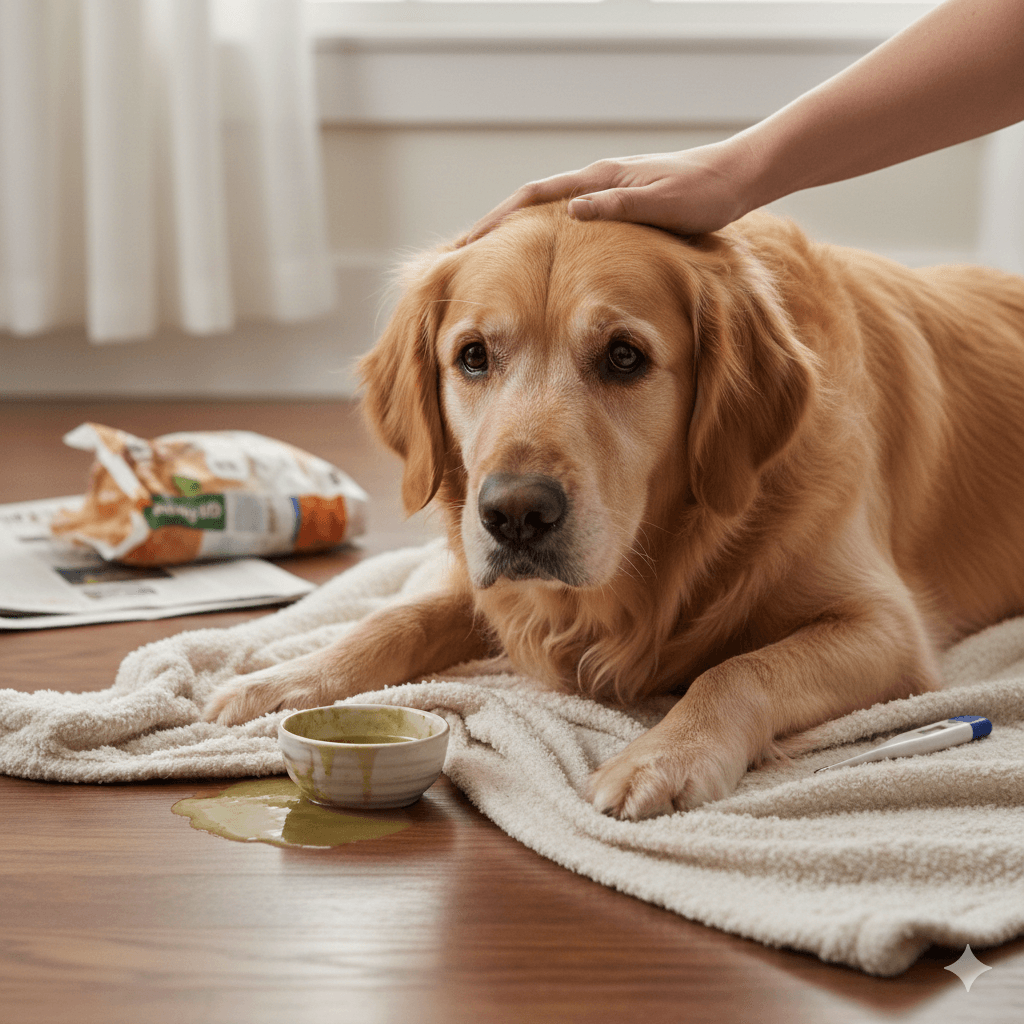
If your dog suddenly seems lethargic, refuses food, or starts vomiting, they might be suffering from stomach flu—clinically known as viral gastroenteritis. Though often mild and short-lived, this condition can be distressing for both pets and owners. Recognizing early signs is key to providing comfort and preventing complications. While many cases resolve at home with supportive care, some require prompt veterinary attention. Understanding the typical symptoms helps you respond wisely and compassionately during your dog’s recovery.
Common Signs Your Dog May Have Stomach Flu
Stomach flu in dogs typically presents with a cluster of digestive and behavioral symptoms that appear suddenly. While similar to other gastrointestinal issues, the combination and timing of signs often point toward a viral cause. Watch closely for these key indicators in the first 24 to 48 hours:
- Frequent Vomiting:
Vomiting is often one of the first signs, sometimes occurring multiple times within a few hours. Clear, yellow, or foamy fluid may be expelled, especially if the stomach is empty. - Watery or Loose Stool:
Diarrhea usually follows vomiting and may range from mild softness to severe, watery discharge. Blood or mucus may appear in more serious cases. - Loss of Appetite:
Your dog may turn away from meals or treats they normally love. This is a protective response to let the gut rest but can lead to dehydration if prolonged. - Lethargy or Weakness:
Reduced energy, reluctance to play, or excessive sleeping are common as the body fights the infection. Your dog may seem “off” even if other symptoms are mild. - Abdominal Discomfort:
Whining, restlessness, or a hunched posture can signal stomach cramps or tenderness. Some dogs may resist being touched around the belly area.
These symptoms often peak within 24 hours and gradually improve with proper care—though persistent or worsening signs warrant immediate vet attention.
When to Worry: Red Flags Beyond Typical Symptoms
Not all stomach upsets are harmless. While many dogs bounce back quickly, certain warning signs suggest complications like dehydration, secondary infection, or a non-viral condition. Knowing what to monitor can make a critical difference in your dog’s outcome during the illness:
- Vomiting Lasting More Than 24 Hours:
Prolonged vomiting prevents hydration and nutrition, increasing the risk of electrolyte imbalance and weakness. - Blood in Vomit or Stool:
Bright red blood or dark, tarry stools indicate possible internal bleeding or severe inflammation requiring urgent evaluation. - Signs of Dehydration:
Dry gums, sunken eyes, skin that tents when gently pinched, or reduced urination are clear dehydration markers. - Fever or Subnormal Temperature:
A rectal temperature above 103°F (39.4°C) or below 99°F (37.2°C) suggests systemic illness beyond simple gastroenteritis. - Inability to Keep Water Down:
If your dog gags or vomits immediately after sipping water, they may need medical intervention to restore fluids.
If any of these red flags appear, don’t wait—contact your veterinarian right away to prevent further decline.
Check this guide 👉Dog Stomach Ultrasound Cost: Best 7 Expert Tips!
Check this guide 👉Dog Stomach Pain and Shaking: Best 7 Expert Tips!
Check this guide 👉Understanding Dog Stomach Anatomy: Best 7 Health Tips!
Early Warning Signs | Serious Complications to Monitor |
|---|---|
Occasional vomiting | Persistent vomiting beyond 24 hours |
Mild diarrhea | Diarrhea with blood or mucus |
Slight decrease in energy | Extreme lethargy or collapse |
Reluctance to eat one meal | Refusing all food and water for 12+ hours |
Soft stool for a day | Signs of abdominal pain or bloating |
Causes Behind Canine Stomach Flu
While often called “stomach flu,” this condition in dogs is rarely caused by influenza viruses. Instead, it stems from a range of infectious or environmental triggers that inflame the stomach and intestines. Understanding possible sources helps you prevent future episodes:
- Viral Infections:
Common culprits include parvovirus (especially in unvaccinated puppies), coronavirus, rotavirus, and norovirus-like agents. - Bacterial Contamination:
Eating spoiled food, garbage, or contaminated water can introduce Salmonella, E. coli, or Campylobacter. - Dietary Indiscretion:
Sudden changes in food, table scraps, or non-food items (like plants or toys) often trigger acute upset. - Stress or Anxiety:
Major changes—moving homes, boarding, or loud events—can disrupt gut health and mimic flu-like symptoms. - Parasites:
Giardia, coccidia, or intestinal worms may present with similar signs, especially in young or outdoor dogs.
Pinpointing the exact cause isn’t always necessary for mild cases, but recurring episodes should prompt thorough diagnostic testing.
At-Home Care Strategies for Mild Cases
When symptoms are mild and your vet approves home management, supportive care focuses on hydration, rest, and gentle nutrition. These steps can ease your dog’s discomfort and speed recovery:
- Withhold Food Temporarily:
Fast your dog for 6–12 hours (less for puppies) to let the gut settle, but offer small sips of water or ice chips frequently. - Reintroduce Bland Diet Gradually:
After vomiting stops, feed small portions of boiled chicken and white rice or a vet-approved gastrointestinal diet. - Encourage Hydration:
Offer water, diluted bone broth, or electrolyte solutions designed for dogs to replace lost fluids. - Ensure Rest and Quiet:
Limit activity and provide a calm, warm space away from other pets or household noise. - Monitor Closely:
Keep a symptom log noting frequency of vomiting, stool consistency, and energy levels to share with your vet if needed.
Consistent, gentle care at home often leads to noticeable improvement within 1–2 days for uncomplicated cases.
Preventing Future Episodes of Gastroenteritis
While you can’t eliminate all risks, proactive habits significantly reduce your dog’s chances of recurring stomach flu. Prevention centers on diet, hygiene, and routine health maintenance:
- Maintain a Consistent Diet:
Avoid sudden food changes; transition new foods gradually over 5–7 days to protect gut balance. - Secure Trash and Toxins:
Use dog-proof bins and keep counters clear to prevent scavenging of spoiled or harmful items. - Stay Current on Vaccinations:
Core vaccines, especially for parvovirus, are essential defenses against severe viral causes. - Practice Good Hygiene:
Clean food/water bowls daily and disinfect areas where your dog eliminates to reduce bacterial exposure. - Manage Stress Proactively:
Use calming aids like pheromone diffusers or routines during changes to support emotional and digestive health.
Prevention isn’t just about avoiding illness—it’s about fostering long-term resilience in your dog’s digestive system.
Special Considerations for Puppies, Seniors, and At-Risk Dogs
Vulnerable dogs—such as young puppies, seniors, or those with chronic conditions—face higher risks from stomach flu. Their bodies handle dehydration and infection less effectively, making early intervention crucial:
- Puppies Under Six Months:
Their immune systems are immature; even mild vomiting can escalate quickly. Always consult a vet for puppies showing symptoms. - Senior Dogs:
Underlying issues like kidney disease or diabetes can mimic or worsen gastroenteritis, requiring tailored care. - Brachycephalic Breeds:
Dogs like Bulldogs or Pugs may struggle to hydrate properly due to breathing difficulties, increasing dehydration risk. - Dogs with Preexisting GI Conditions:
Those with IBD, pancreatitis, or food sensitivities may experience more severe or prolonged flare-ups. - Small or Toy Breeds:
Their low body weight means fluid loss happens faster—monitor them extra closely for subtle signs of decline.
For these groups, “wait-and-see” is rarely safe; err on the side of caution and seek veterinary guidance promptly.
What to Expect During a Veterinary Visit
If symptoms persist or worsen, your vet will conduct a thorough evaluation to rule out emergencies and guide treatment. Knowing what to expect reduces stress during the visit:
- Physical Exam:
Your vet will check hydration, temperature, abdominal tenderness, and gum color to assess overall status. - Diagnostic Tests:
Fecal exams, blood work, or abdominal ultrasound may be recommended to identify infections, parasites, or obstructions. - Fluid Therapy:
Subcutaneous or IV fluids are often given to correct dehydration and support organ function. - Medication Support:
Anti-nausea drugs, probiotics, or antibiotics (if bacterial) may be prescribed based on findings. - Home Care Instructions:
You’ll receive clear guidelines on diet, medication administration, and warning signs that mean “return immediately.”
A vet visit isn’t just about treatment—it’s about peace of mind and a tailored recovery plan for your unique dog.
Frequently Asked Questions About Dog Stomach Flu Symptoms
Can dogs catch stomach flu from humans?
While rare, some norovirus strains may potentially transmit from humans to dogs, but most canine gastroenteritis is caused by dog-specific viruses or bacteria.
How long does dog stomach flu usually last?
Most mild cases resolve within 24 to 48 hours with rest and hydration, though full recovery may take 3–5 days.
Should I give my dog Pepto-Bismol or Imodium?
Never give human medications without veterinary approval—some can be toxic to dogs or mask serious conditions.
Is it normal for my dog to drink a lot after vomiting?
Yes—increased thirst is common as the body tries to rehydrate, but offer water in small amounts to avoid triggering more vomiting.
When can I return to my dog’s regular food?
Only after 2–3 days of normal stools and no vomiting; reintroduce regular food slowly over another 2–3 days to avoid relapse.
Supporting Your Dog Through Recovery and Beyond
Watching your dog suffer from stomach flu is never easy—but with attentive care, most make a full recovery and return to their joyful, tail-wagging selves. The key lies in early recognition, calm support, and knowing when professional help is needed. By responding with both compassion and knowledge, you not only ease their discomfort but also strengthen the trust between you. Remember, a healthy gut is central to your dog’s overall well-being, so use this experience as a reminder to prioritize consistent routines, smart prevention, and regular check-ups. In the end, your steady presence is the greatest comfort your dog could ask for during any illness.
Cat Wheat Allergies: Best 7 Expert Tips! – Discover symptoms, dietary solutions, and prevention strategies to manage your cat’s wheat allergy effectively.
Wheat Allergies in Dogs: Best 7 Expert Tips! – Learn to spot symptoms, manage diets, and improve your dog’s health with expert advice on wheat allergies.
How Much Does a Mastiff Dog Weigh? Best 7 Expert Tips! – Discover the ideal weight range, growth patterns, and health tips to keep your Mastiff happy and strong.
Amino Acids for Cats: Best 7 Expert Tips! – Discover the essential amino acids your cat needs, their benefits, and how to ensure a balanced diet for optimal health.