
Understanding Dog Spine Protruding: Best 7 Expert Tips!
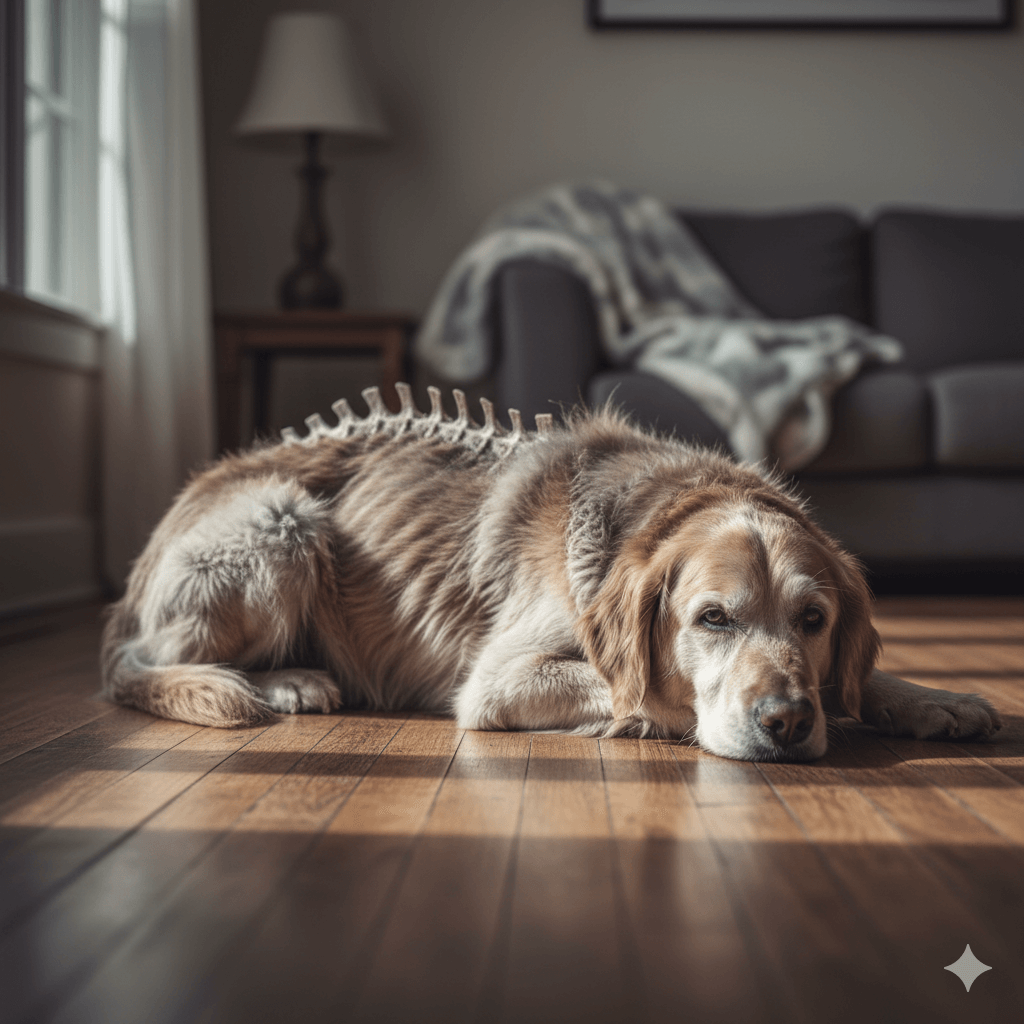
If you’ve noticed your dog’s spine sticking out more than usual—whether along the back, shoulders, or hips—it can be concerning. A protruding spine isn’t always a sign of serious illness, but it often signals underlying issues like weight loss, muscle wasting, or spinal abnormalities. While some breeds naturally have more visible vertebrae due to lean builds, sudden or pronounced changes warrant closer attention. Early observation and veterinary insight can help distinguish between normal anatomy and a red flag needing care. Understanding the possible causes and responses empowers you to support your dog’s comfort and long-term health.
Common Reasons Your Dog’s Spine May Appear Protruding
A visible or prominent spine can stem from a variety of physical, nutritional, or age-related factors. Not all cases are emergencies—but identifying the context helps determine the next steps:
- Significant Weight Loss:
Rapid or unintentional weight loss—due to illness, poor diet, or dental pain—can cause fat and muscle loss, making vertebrae more prominent. - Muscle Atrophy from Inactivity:
Older dogs or those recovering from injury may lose muscle mass along the back, causing the spine to “pop out” even if weight is stable. - Natural Body Conformation:
Sighthounds like Greyhounds or Whippets naturally have visible spines and hip bones; this is normal when the dog is otherwise healthy and energetic. - Spinal Deformities:
Conditions like kyphosis (hunchback), scoliosis, or hemivertebrae—especially in breeds like French Bulldogs—can alter spine shape and visibility. - Poor Nutrition or Malabsorption:
Diets lacking essential protein or nutrients, or conditions like exocrine pancreatic insufficiency (EPI), can lead to muscle wasting and spine prominence.
While some degree of spine visibility is breed- or age-appropriate, sudden changes or accompanying symptoms like weakness or pain should never be ignored.
When to Seek Veterinary Attention
Not every protruding spine requires immediate intervention—but certain signs indicate your dog needs professional evaluation without delay:
- Spine More Visible Than Usual in a Short Time:
If you notice a dramatic change over days or weeks, it could point to rapid weight loss or neurological decline. - Pain or Sensitivity Along the Back:
Whining, flinching, or aggression when touched near the spine may signal inflammation, injury, or disc disease. - Difficulty Moving or Walking Abnormally:
Wobbliness, dragging hind legs, or reluctance to jump could indicate spinal cord compression or nerve damage. - Accompanying Symptoms Like Lethargy or Appetite Loss:
These suggest systemic illness (e.g., kidney disease, cancer, or infection) contributing to muscle or fat loss. - Visible Hunching or Asymmetry in Posture:
A curved or crooked spine that wasn’t there before may be structural and require imaging for diagnosis.
Early veterinary assessment can prevent progression and improve your dog’s quality of life—especially if pain or mobility is affected.
Check this guide 👉Understanding Dog Spine Anatomy: Best 7 Expert Tips!
Check this guide 👉Is My Dog Too Skinny If I Can Feel Her Spine? Best 7 Tips!
Check this guide 👉Understanding a Dogs Curved Spine: Best 7 Expert Tips!
Normal or Benign Causes | Warning Signs Needing Vet Care |
|---|---|
Visible spine in lean breeds (e.g., Greyhounds) | Sudden increase in spine visibility |
Mild prominence in senior dogs with stable health | Pain or vocalization when back is touched |
Slight visibility after intense exercise or heat | Muscle loss in other areas (thighs, shoulders) |
Consistent appearance over years | Changes in gait, balance, or coordination |
No other behavioral or physical changes | Loss of appetite, vomiting, or lethargy |
Breed-Specific and Age-Related Considerations
Some dogs are simply built with more exposed spines, while others develop prominence due to aging or genetic predispositions:
- Sighthounds and Lean Breeds:
Greyhounds, Italian Greyhounds, and Borzois naturally have minimal body fat, making vertebrae and pelvic bones clearly visible—this is normal. - Brachycephalic Breeds:
French Bulldogs, Pugs, and Boston Terriers may have congenital spinal deformities like hemivertebrae, leading to abnormal spine contours. - Senior Dogs:
Age-related sarcopenia (muscle loss) commonly causes the spine to appear more pronounced, especially in less active dogs. - Toy and Mini Breeds:
Small dogs may show spine visibility more easily due to fine bone structure, but sudden changes still warrant checks. - Working or Athletic Dogs Post-Retirement:
Former agility or service dogs may lose back muscle mass quickly once activity decreases, highlighting the spine.
Understanding your dog’s baseline anatomy helps you spot true deviations versus natural traits.
At-Home Monitoring and Supportive Care
If your vet confirms the spine prominence is non-urgent (e.g., due to age or conformation), you can still support your dog’s comfort and strength:
- Track Body Condition Weekly:
Use a body condition score chart to monitor fat and muscle—aim for ribs palpable but not visible, and a gentle waistline. - Provide Joint and Muscle Support:
Supplements like glucosamine, omega-3s, or veterinary-approved CBD may ease discomfort and support mobility. - Encourage Gentle Exercise:
Short walks, swimming, or controlled play help maintain back muscle—avoid high-impact jumping in at-risk breeds. - Use Supportive Bedding:
Orthopedic dog beds reduce pressure on the spine and joints during rest, especially for older or thin dogs. - Ensure High-Quality Nutrition:
Feed a protein-rich, age-appropriate diet to maintain muscle mass—consider senior or recovery formulas if needed.
Consistent, gentle care at home can slow muscle loss and keep your dog comfortable as they age.
Preventive Measures to Maintain Spinal Health
Proactive habits can reduce the risk of spine-related issues or excessive prominence over time:
- Maintain a Healthy Weight:
Obesity strains the spine, while being underweight exposes it—aim for your dog’s ideal body condition. - Avoid Rough Handling or Jumping:
Discourage leaping from furniture, especially in small or chondrodystrophic breeds prone to disc disease. - Use Harnesses Instead of Collars:
A well-fitted harness reduces neck and spine strain during walks, particularly for dogs with existing back sensitivity. - Schedule Regular Wellness Exams:
Annual (or biannual for seniors) vet checks catch early signs of muscle loss, arthritis, or internal illness. - Practice Safe Grooming and Lifting Techniques:
Always support your dog’s chest and hindquarters when lifting—never dangle by front legs or torso.
Prevention starts with daily awareness—and these small habits add up to lasting spinal resilience.
What to Expect During a Veterinary Evaluation
If spine protrusion is new or worsening, your vet will conduct a thorough exam to identify underlying causes:
- Physical and Neurological Assessment:
Your vet will palpate the spine, check reflexes, and assess gait, posture, and pain response. - Body Condition Scoring:
They’ll evaluate muscle mass and fat coverage using a standardized scale to determine if weight loss is occurring. - Diagnostic Imaging:
X-rays, MRI, or CT scans may be recommended to rule out deformities, disc disease, or tumors affecting the spine. - Blood and Urine Tests:
These help detect systemic illnesses like kidney disease, diabetes, or infections causing weight or muscle loss. - Personalized Management Plan:
Based on findings, your vet may suggest diet changes, physical therapy, pain management, or referral to a specialist.
A clear diagnosis ensures your dog receives the right support—whether it’s nutritional, medical, or surgical.
Expert Tips to Support Your Dog When the Spine Is Protruding
If your dog’s spine is more visible than usual, taking thoughtful, proactive steps can make a meaningful difference in their comfort and overall well-being. These practical strategies—recommended by veterinarians and canine rehabilitation specialists—focus on preserving muscle, reducing strain, and enhancing daily quality of life:
- Schedule a Body Condition Assessment:
Ask your vet to perform a formal body condition score (BCS) evaluation to determine if weight or muscle loss is occurring and how severe it is. - Incorporate Controlled Strength Exercises:
Simple activities like walking on gentle inclines, standing on a wobble cushion, or “sit-to-stand” repetitions help rebuild back and core muscles safely. - Use a Rear Support Harness for Walks:
For senior or weak dogs, a harness with a handle (like the Help ’Em Up or GingerLead) eases pressure on the spine and supports hind-end mobility. - Add High-Quality Protein to Meals:
Boost muscle maintenance by supplementing meals with lean cooked chicken, egg whites, or veterinary-approved protein powders—especially for older dogs. - Monitor Spine Visibility Weekly with Photos:
Take monthly photos from the same angle and lighting to track subtle changes over time—this helps catch progression early and share trends with your vet.
These small but powerful actions empower you to actively support your dog’s spinal health—whether the cause is age, conformation, or an underlying condition.
“If you notice changes to your dog’s backbone, such as vertebrae suddenly appearing more apparent, this may indicate a health concern. Muscle wasting, nutritional issues, metabolic disorders, certain types of cancers, and osteoarthritis in dogs can all make the backbone more visible.” — Dr. Julie Buzby
Frequently Asked Questions About Dog Spine Protruding
Is it normal for my senior dog’s spine to stick out?
Yes—mild spine visibility is common in older dogs due to muscle loss, but sudden or painful changes should be checked.
Can poor diet cause a dog’s spine to become more visible?
Absolutely. Inadequate protein or calories lead to muscle wasting, making vertebrae more prominent even without major weight loss.
Are some dogs supposed to have a visible spine?
Yes—sighthounds and very lean breeds naturally show spine and hip bones; it’s part of their healthy conformation.
Should I be worried if my puppy’s spine is sticking out?
Possibly. Puppies should be rounded and well-padded; a protruding spine may indicate malnutrition, parasites, or congenital issues.
Can spine deformities be corrected?
Mild cases may only need monitoring, but severe deformities causing pain or nerve issues might require surgery or mobility aids.
Supporting Your Dog’s Strength, Dignity, and Comfort
Seeing your dog’s spine more than before can stir worry—but with knowledge and care, you can often support them through age, recovery, or natural build differences. The goal isn’t to hide the spine, but to ensure your dog remains pain-free, mobile, and thriving in their own unique body. Whether it’s adjusting their diet, adding gentle exercise, or simply providing a softer place to rest, your attentiveness makes all the difference. Remember, a dog’s worth isn’t measured by how padded they are, but by the love, trust, and joy they share with you every day. By honoring their needs with patience and compassion, you help them live fully—spine and all.

Is Rawhide Bad for Cats? Best 7 Expert Tips! – Discover the risks, safe alternatives, and expert advice to keep your feline friend healthy and happy.

Is Rawhide Bad for Dogs? Best 7 Expert Tips! – Discover the risks, benefits, and safer alternatives to rawhides for your dog’s chewing needs.

Understanding Anorexia in Cats: Best 7 Expert Tips! – Learn why cats stop eating, spot warning signs, and discover how to help your feline regain appetite safely.

Understanding Anorexia in Dogs: Best 7 Expert Tips! – Learn causes, symptoms, and solutions to help your dog regain appetite and stay healthy.