
Understanding Dog Rehabilitation: A Path to Recovery
Dog rehabilitation focuses on restoring mobility, strength, and overall well-being in dogs recovering from injuries, surgeries, or chronic conditions. With a combination of physical therapy, targeted exercises, and innovative techniques, rehabilitation helps dogs regain their quality of life. Whether addressing age-related issues or post-operative care, understanding this process ensures your furry companion receives the best support during their healing journey.
Common Conditions That Require Dog Rehabilitation
Dog rehabilitation is often recommended for a variety of conditions that affect mobility, strength, or overall physical health. Whether due to injury, surgery, or chronic ailments, rehabilitation plays a crucial role in helping dogs recover and regain function. Understanding these common conditions ensures you recognize when your dog might benefit from professional rehabilitation services.
- Post-Surgical Recovery:
After orthopedic surgeries like ACL repairs or fracture fixations, rehabilitation helps restore range of motion, reduce scar tissue, and rebuild muscle strength. Without proper rehab, dogs may develop compensatory behaviors that lead to further injuries. - Arthritis and Joint Degeneration:
Chronic joint issues like osteoarthritis require ongoing management. Rehabilitation techniques such as hydrotherapy and low-impact exercises reduce pain, improve flexibility, and enhance joint function, allowing older dogs to stay active longer. - Spinal Injuries or Intervertebral Disc Disease (IVDD):
Dogs with spinal injuries or IVDD often experience paralysis or weakness. Rehabilitation focuses on rebuilding core strength, improving nerve function, and preventing secondary complications like muscle atrophy or bed sores. - Obesity and Weight Management:
Excess weight puts strain on joints and organs, increasing the risk of injury. Rehabilitation programs include tailored exercises and nutritional guidance to help overweight dogs lose weight safely while improving cardiovascular health. - Neurological Disorders:
Conditions like degenerative myelopathy or stroke-like episodes require specialized rehab to retrain motor skills, improve balance, and support cognitive function. Early intervention can slow disease progression and maintain independence.
Rehabilitation addresses these conditions holistically, focusing not only on physical recovery but also on mental well-being and long-term quality of life.
Benefits of Dog Rehabilitation Programs
Dog rehabilitation offers numerous benefits beyond just physical recovery, enhancing both the dog’s health and the bond between pet and owner. These programs are designed to address specific needs while promoting overall wellness and happiness.
- Pain Reduction and Improved Mobility:
Therapeutic exercises and modalities like laser therapy or acupuncture target inflammation and discomfort, enabling dogs to move more freely and comfortably. - Prevention of Secondary Injuries:
By correcting gait abnormalities and strengthening weak muscles, rehabilitation reduces the risk of additional injuries caused by compensatory movements. - Enhanced Mental Stimulation:
Rehabilitation sessions often include interactive activities that challenge dogs mentally, reducing boredom and anxiety during recovery periods. - Customized Care Plans:
Each dog receives a personalized program based on their condition, age, and goals, ensuring treatments are effective and sustainable over time. - Strengthened Bond with Owners:
Many rehabilitation exercises can be performed at home, fostering trust and communication between dogs and their owners throughout the healing process.
These benefits highlight why rehabilitation is not just a treatment option but a comprehensive approach to restoring a dog’s full potential.
Check this guide 👉Therapy Dog for Autism: Best 7 Expert Tips!
Check this guide 👉Laser Therapy for Dogs: Best 7 Expert Tips!
Check this guide 👉Water Therapy for Dogs: Best 7 Expert Tips!
Benefits of Dog Rehabilitation | Techniques Used in Rehabilitation |
|---|---|
Pain reduction and improved mobility | Hydrotherapy (water-based exercises) |
Prevention of secondary injuries | Manual therapy (massage, stretching) |
Enhanced mental stimulation | Laser therapy (anti-inflammatory, healing) |
Customized care plans | Balance and proprioception training |
Strengthened bond with owners | Therapeutic ultrasound (deep tissue repair) |
Techniques Used in Dog Rehabilitation
A variety of specialized techniques are employed in dog rehabilitation to address different aspects of recovery. These methods are scientifically backed and tailored to meet individual needs, ensuring optimal results for each patient.
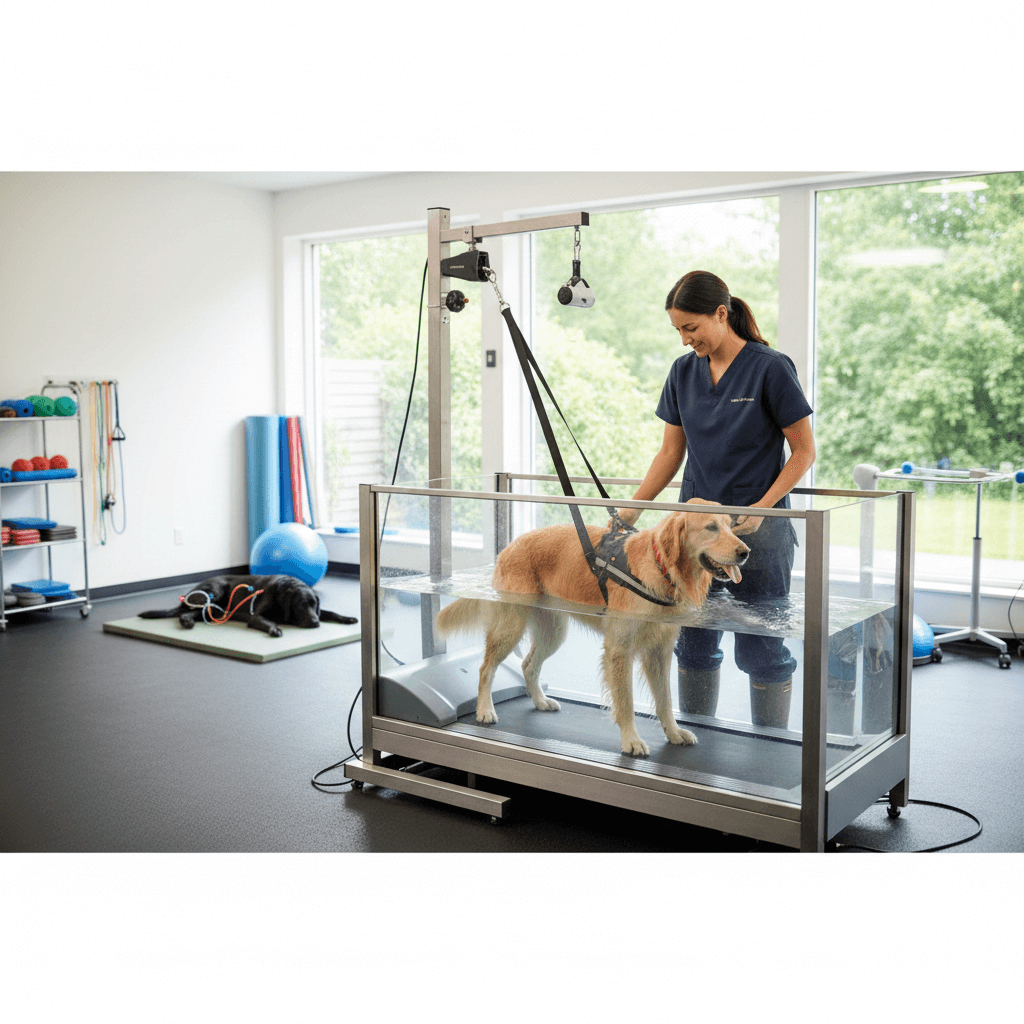
- Hydrotherapy:
Water-based exercises in pools or underwater treadmills provide resistance without putting stress on joints, making them ideal for post-surgical recovery or arthritis management. - Manual Therapy:
Massage, stretching, and joint mobilizations improve circulation, reduce stiffness, and promote relaxation, aiding in faster recovery from injuries or surgeries. - Laser Therapy:
Low-level laser treatments stimulate cellular repair, reduce inflammation, and accelerate healing, particularly beneficial for soft tissue injuries or chronic pain. - Balance and Proprioception Training:
Exercises using balance boards, wobble cushions, or uneven surfaces enhance coordination and stability, critical for dogs recovering from neurological conditions or spinal injuries. - Therapeutic Ultrasound:
This non-invasive technique uses sound waves to penetrate deep tissues, breaking down scar tissue and promoting blood flow to injured areas.
These techniques are combined strategically to create a comprehensive rehabilitation plan that maximizes outcomes and minimizes recovery time.
How to Choose the Right Rehabilitation Program
Selecting the right rehabilitation program for your dog involves careful consideration of several factors. The goal is to find a facility and team that aligns with your dog’s needs and your expectations as an owner.
- Certified Professionals:
Look for programs staffed by certified canine rehabilitation therapists (CCRTs) or veterinarians trained in physical therapy to ensure expertise and safety. - Comprehensive Assessments:
The best programs begin with thorough evaluations, including gait analysis, strength testing, and medical history review, to design personalized plans. - State-of-the-Art Equipment:
Facilities equipped with hydrotherapy pools, therapeutic lasers, and other advanced tools offer broader treatment options and better results. - Home Exercise Integration:
Programs that teach owners how to perform simple exercises at home extend the benefits of rehab beyond clinic visits, speeding up recovery. - Transparent Communication:
Choose a team that provides clear updates, educates you about progress, and adjusts plans as needed to ensure consistent improvement.
Finding the right program ensures your dog receives high-quality care that supports both short-term recovery and long-term wellness.
Signs Your Dog May Need Rehabilitation
Recognizing early signs that your dog might benefit from rehabilitation allows you to intervene proactively and prevent further complications. These indicators span behavioral, physical, and emotional changes.
- Difficulty Walking or Limping:
Changes in gait, favoring one leg, or reluctance to put weight on a limb suggest underlying musculoskeletal issues requiring attention. - Decreased Activity Levels:
If your dog no longer engages in play, avoids stairs, or shows less enthusiasm for walks, it could indicate pain or mobility problems. - Muscle Atrophy or Weakness:
Noticeable thinning of muscles, especially in the hind legs, signals disuse or injury that rehabilitation can address effectively. - Post-Surgical Struggles:
Dogs recovering from surgery who struggle to regain mobility or strength need structured rehab to prevent setbacks. - Behavioral Changes:
Increased irritability, withdrawal, or reluctance to interact may stem from discomfort or frustration caused by untreated physical limitations.
Early intervention through rehabilitation prevents minor issues from escalating into chronic conditions, preserving your dog’s quality of life.
What Happens During a Typical Rehabilitation Session?
A typical dog rehabilitation session is carefully structured to address specific goals while keeping the experience positive and engaging for the dog. Each session combines hands-on therapies, exercises, and assessments to track progress.
- Warm-Up Phase:
Sessions begin with gentle stretches or light walking to prepare muscles and joints for more intense activities, reducing the risk of strain. - Targeted Exercises:
Activities like cavaletti poles, sit-to-stand drills, or leash-guided balancing tasks strengthen specific muscle groups and improve coordination. - Modalities Application:
Techniques like laser therapy, ultrasound, or electrical stimulation are applied to targeted areas to reduce pain and promote healing. - Cool-Down Period:
Gentle massage or passive range-of-motion exercises conclude the session, helping muscles relax and preventing stiffness afterward. - Progress Evaluation:
Therapists assess improvements in mobility, strength, and comfort levels, adjusting the plan as needed to ensure continuous advancement.
These structured sessions ensure consistent progress while maintaining a safe and enjoyable environment for your dog.
Long-Term Benefits of Dog Rehabilitation
Dog rehabilitation not only addresses immediate concerns but also provides lasting benefits that enhance your dog’s overall health and happiness. Investing in rehabilitation pays off in improved longevity and quality of life.
- Sustained Mobility and Independence:
Regular rehab maintains joint health and muscle tone, allowing senior dogs to remain active and self-sufficient for longer. - Reduced Risk of Future Injuries:
Strengthened muscles and improved balance lower the likelihood of accidents or re-injury, even in highly active dogs. - Improved Emotional Well-Being:
Physical activity and mental engagement during rehab sessions boost mood, confidence, and overall contentment in dogs. - Better Management of Chronic Conditions:
For dogs with lifelong issues like arthritis or neurological disorders, rehabilitation slows disease progression and minimizes symptoms. - Stronger Human-Animal Bond:
Working together through rehab fosters deeper trust and connection between dogs and their owners, enriching the relationship.
These long-term benefits underscore the value of rehabilitation as a proactive investment in your dog’s health and happiness.
“Follow through with at-home recommendations. Most of the time, adding just a few minutes every day to do prescribed exercises at home is going to make bigger long-term changes in your dog than doing in-clinic rehabilitation once or twice a week.” — Alice Baker Meuten, DVM, DACVSMR, MSTCVM
Frequently Asked Questions About Dog Rehabilitation
What is dog rehabilitation?
Dog rehabilitation is a specialized form of therapy designed to help dogs recover from injuries, surgeries, or chronic conditions through physical exercises and therapeutic techniques.
How long does rehabilitation take?
The duration varies depending on the condition being treated, ranging from a few weeks for minor issues to several months for chronic or severe cases.
Is rehabilitation painful for my dog?
No—rehabilitation focuses on gentle, non-invasive techniques that prioritize comfort and safety while promoting healing.
Can I do rehab exercises at home?
Yes, many therapists teach owners simple exercises to perform at home, ensuring continuity and faster recovery.
How much does dog rehabilitation cost?
Costs vary by location and program but typically range from $50–$150 per session; some facilities offer package deals for long-term care.
Supporting Your Dog Through Rehabilitation
Rehabilitation is more than just a treatment—it’s a journey toward restoring your dog’s health, happiness, and independence. By investing in professional care, staying consistent with exercises, and providing emotional support, you empower your furry friend to overcome challenges and thrive. Remember, every small step in rehab brings them closer to a pain-free, active life. With patience, dedication, and love, you’re not just helping them heal—you’re strengthening the bond you share for years to come.

Is Rawhide Bad for Cats? Best 7 Expert Tips! – Discover the risks, safe alternatives, and expert advice to keep your feline friend healthy and happy.

Is Rawhide Bad for Dogs? Best 7 Expert Tips! – Discover the risks, benefits, and safer alternatives to rawhides for your dog’s chewing needs.

Understanding Anorexia in Cats: Best 7 Expert Tips! – Learn why cats stop eating, spot warning signs, and discover how to help your feline regain appetite safely.

Understanding Anorexia in Dogs: Best 7 Expert Tips! – Learn causes, symptoms, and solutions to help your dog regain appetite and stay healthy.