
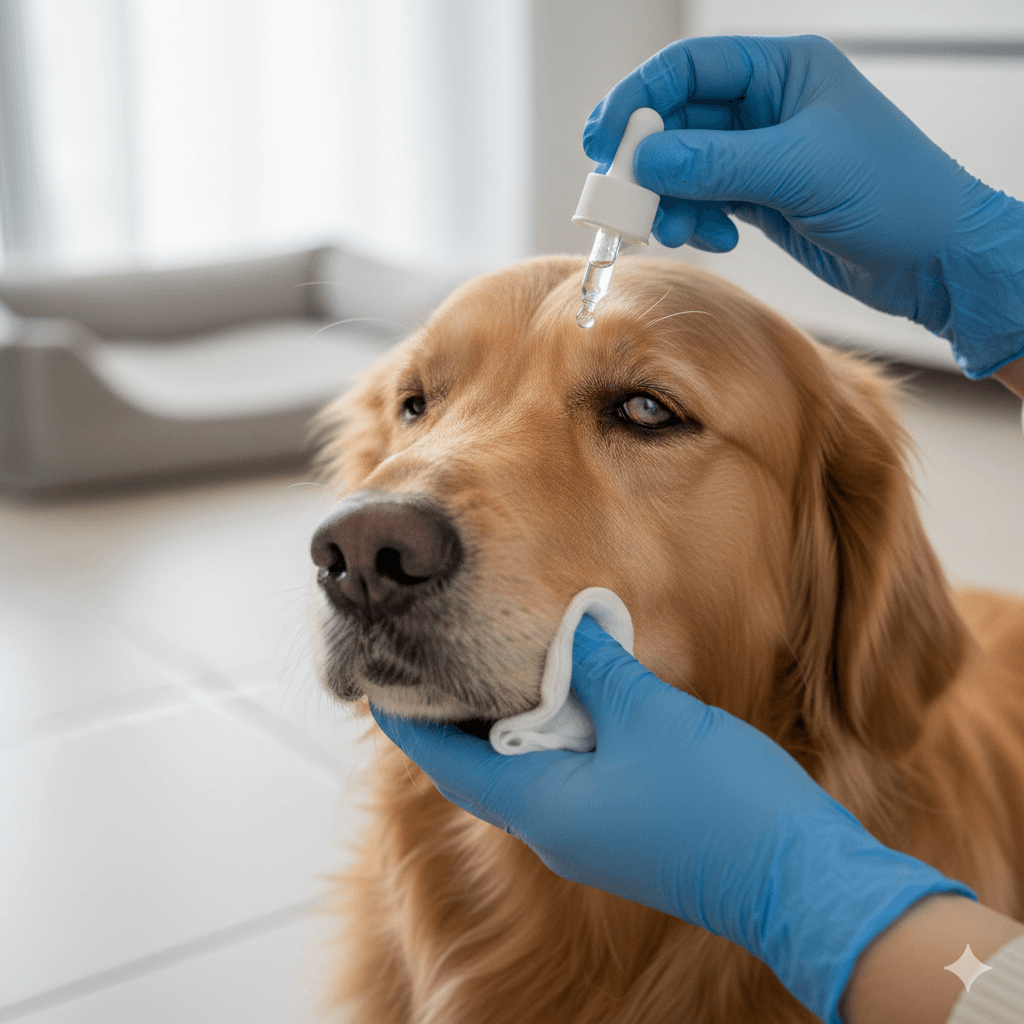

Understanding Dog Pink Eye Treatment: Best 7 Expert Tips!

Understanding Dog Pink Eye Treatment: Best 7 Expert Tips!

Understanding Dog Pink Eye Treatment: Best 7 Expert Tips!

If your dog’s eyes are red, watery, or crusted shut, they may have pink eye—medically known as conjunctivitis. This common but uncomfortable condition affects dogs of all ages and breeds. While it’s often treatable at home or with simple medications, identifying the root cause is essential to prevent complications or recurrence. With timely care and the right approach, most dogs recover fully within days. Understanding effective treatment options is your first step toward relieving your pet’s discomfort and restoring their bright, healthy gaze.

Common Causes of Pink Eye in Dogs

Conjunctivitis in dogs rarely appears without a trigger. Pinpointing the underlying cause guides proper treatment and helps avoid repeated episodes. From allergies to infections, these are the most frequent culprits behind your dog’s irritated eyes:

 
  • Bacterial Infections:
    Bacteria like Streptococcus or Staphylococcus can invade the eye, often causing yellow-green discharge and noticeable swelling.
     
  • Viral Infections:
    Viruses such as canine distemper or herpesvirus may trigger pink eye, typically accompanied by other systemic symptoms like fever or coughing.
     
  • Allergies:
    Seasonal pollen, dust mites, or food sensitivities often lead to red, itchy eyes with clear discharge and frequent rubbing.
     
  • Foreign Irritants:
    Dirt, grass seeds, smoke, or shampoo residue can scratch the eye surface or trigger inflammation in the conjunctiva.
     
  • Dry Eye (Keratoconjunctivitis Sicca):
    A chronic condition where tear production drops, leading to chronic redness, thick mucus, and potential corneal damage if untreated.
 

Identifying the specific cause often requires veterinary diagnostics—but recognizing patterns helps you act faster and more effectively.

Understanding Dog Pink Eye Treatment: Best 7 Expert Tips!

Signs Your Dog Has Pink Eye

Early detection of conjunctivitis allows for quicker treatment and reduces the risk of complications like corneal ulcers or vision changes. Watch for these consistent visual and behavioral cues:

 
  • Red or Bloodshot Eyes:
    The whites of the eyes appear pink or deep red due to inflamed blood vessels in the conjunctiva.
     
  • Excessive Tearing or Discharge:
    Clear, watery fluid suggests allergies, while thick, yellow, or green mucus points to infection.
     
  • Squinting or Blinking Repeatedly:
    Your dog may squint, blink rapidly, or keep one eye partially closed due to pain or light sensitivity.
     
  • Pawing or Rubbing at the Eye:
    Frequent face rubbing on carpets or with paws indicates itchiness or discomfort—though this can worsen irritation.
     
  • Swollen Eyelids or Puffy Tissue:
    Mild to severe swelling around the eye area often accompanies active inflammation or infection.
 

If you notice these symptoms, avoid home remedies until you determine the cause—some treatments can worsen certain types of pink eye.

Home Care Do’s
Treatment Don’ts
Gently wipe eyes with vet-approved saline
Never use human eye drops without vet approval
Keep the face clean and dry
Avoid letting your dog rub or scratch the eye
Use a cone if needed to prevent self-trauma
Don’t delay vet care if symptoms last over 24 hours
Monitor both eyes for changes
Avoid over-the-counter antibiotics or steroids
Maintain a calm, low-dust environment
Don’t assume it’s “just allergies” without confirmation

Veterinary Diagnosis Process

Not all pink eye is the same—and treatment varies drastically based on the cause. Your veterinarian will use a structured approach to determine what’s irritating your dog’s eyes:

 
  • Physical Eye Exam:
    Using an ophthalmoscope, the vet checks for corneal scratches, ulcers, or internal inflammation.
     
  • Schirmer Tear Test:
    A small strip measures tear production to rule out dry eye, a common but serious condition.
     
  • Fluorescein Staining:
    A harmless orange dye highlights corneal ulcers or abrasions under UV light.
     
  • Conjunctival Swab or Culture:
    If discharge is severe, a sample may be sent to identify bacterial or fungal agents.
     
  • Allergy or Systemic Testing:
    For recurrent cases, blood work or allergy panels might be recommended to uncover underlying triggers.
 

Accurate diagnosis ensures your dog receives targeted therapy—avoiding ineffective or harmful treatments.

Safe and Effective Treatment Options

Once the cause is identified, treatment focuses on reducing inflammation, eliminating infection, and supporting healing. Most therapies are topical and easy to administer at home:

 
  • Antibiotic Eye Drops or Ointments:
    Prescribed for bacterial conjunctivitis, usually applied 2–3 times daily for 7–10 days.
     
  • Antiviral Medications:
    Used in confirmed viral cases, often alongside immune support and hydration.
     
  • Antihistamines or Steroid-Free Eye Drops:
    For allergic conjunctivitis, vets may recommend olopatadine or cyclosporine drops to calm itching.
     
  • Artificial Tears or Lubricants:
    Essential for dogs with dry eye to maintain moisture and protect the cornea long-term.
     
  • Oral Medications (if needed):
    In severe allergic or immune-mediated cases, oral anti-inflammatories or immunosuppressants may be prescribed.
 

Always complete the full course of medication—even if symptoms improve quickly—to prevent relapse or resistance.

At-Home Support During Recovery

While medication does the heavy lifting, your role at home ensures a smooth and complication-free healing process. Gentle care makes a big difference in your dog’s comfort:

 
  • Clean Eyes Gently Twice Daily:
    Use a soft cloth soaked in sterile saline or cooled boiled water to remove crusts—wipe from inner to outer eye.
     
  • Prevent Face Rubbing:
    Use an Elizabethan collar if your dog persistently paws at their eyes to avoid corneal damage.
     
  • Reduce Environmental Irritants:
    Avoid smoke, strong perfumes, air fresheners, or dusty bedding during recovery.
     
  • Separate from Other Pets Temporarily:
    If infection is suspected, isolate your dog to prevent transmission (especially in multi-dog households).
     
  • Follow Up with Your Vet:
    Attend rechecks even if your dog seems better—some conditions, like dry eye, require lifelong management.
 

Your calm presence and consistent care help your dog feel secure during this sensitive time.

Prevention Strategies for Recurrent Conjunctivitis

Some dogs are prone to repeat episodes—especially those with allergies, flat faces, or tear duct abnormalities. Proactive habits can significantly reduce flare-ups:

 
  • Regular Eye Checks:
    Wipe eyes gently during grooming to spot early redness or discharge before it worsens.
     
  • Keep Hair Trimmed Around Eyes:
    Long fur in breeds like Shih Tzus or Lhasa Apsos can trap debris and irritate the eye surface.
     
  • Use Hypoallergenic Shampoos:
    Avoid harsh chemicals that might splash into eyes during baths—rinse thoroughly with clean water.
     
  • Maintain Up-to-Date Vaccinations:
    Preventing diseases like distemper eliminates one potential cause of viral conjunctivitis.
     
  • Manage Allergies Year-Round:
    Work with your vet on long-term allergy control plans if seasonal pink eye is a recurring issue.
 

Prevention isn’t about perfection—it’s about creating a safer, gentler environment for your dog’s delicate eyes.

Special Considerations for Brachycephalic and Long-Haired Breeds

Certain breeds face higher risks due to anatomy or genetics. Their unique needs require extra vigilance:

 
  • Brachycephalic Breeds (e.g., Pugs, Bulldogs):
    Shallow eye sockets and prominent eyes increase exposure to dust, trauma, and dryness—making them more prone to conjunctivitis.
     
  • Long-Haired Breeds (e.g., Maltese, Old English Sheepdog):
    Hair rubbing against the cornea causes chronic irritation unless kept neatly trimmed or tied back.
     
  • Dogs with Entropion or Ectropion:
    Eyelid abnormalities can trap bacteria or expose the eye, requiring surgical correction in severe cases.
     
  • Senior Dogs:
    Age-related dry eye or weakened immunity may lead to slower healing and repeated infections.
     
  • Puppies in Group Settings:
    Boarding or dog parks can spread infectious conjunctivitis quickly—ensure all vaccines are current before social exposure.
 

Tailoring care to your dog’s breed and life stage prevents minor irritation from becoming a chronic problem.

Frequently Asked Questions About Dog Pink Eye Treatment

Is pink eye in dogs contagious to humans?

Generally no—most causes are species-specific, though rare bacterial strains could theoretically transfer with poor hygiene.

Never. Many contain medications (like neomycin or steroids) that can harm dogs or worsen certain eye conditions.

Bacterial cases often improve within 2–3 days; viral or allergic types may take 5–7 days with proper care.

Sometimes—vets may recommend treating both eyes preventively if infection is likely to spread.

Mild allergic cases might, but bacterial or ulcer-related conjunctivitis can lead to permanent vision damage without treatment.

Helping Your Dog See Clearly Again—With Care and Confidence

Watching your dog squint or rub their eyes tugs at your heart—but with the right knowledge, you can guide them toward swift relief. Pink eye is rarely an emergency, but it always deserves respect and attention. By combining veterinary expertise with your loving, consistent care, you protect not just your dog’s vision, but their overall comfort and trust in you. Remember: clear eyes reflect a healthy, happy dog. And with these seven expert-backed strategies, you’re fully equipped to keep their gaze bright, pain-free, and full of life.

Most Affordable Fresh Dog Food: Best 7 Expert Tips!

Most Affordable Fresh Dog Food: Best 7 Expert Tips! – Smart ways to feed fresh, healthy meals without overspending.

Deer Tick vs Dog Tick Size: Best 7 Expert Tips!

Deer Tick vs Dog Tick Size: Best 7 Expert Tips! – Compare sizes, spot key differences, and protect your dog from tick-borne diseases.

Deer Tick vs Cat Tick Size: Best 7 Expert Tips!

Deer Tick vs Cat Tick Size: Best 7 Expert Tips! – Compare sizes, spot key differences, and protect your pet from tick-borne risks.

Understanding Dog Pink Eye Treatment: Best 7 Expert Tips!

Understanding Dog Pink Eye Treatment: Best 7 Expert Tips! – Safe, vet-backed remedies to soothe redness, discharge, and discomfort fast.

Leave a Reply

Your email address will not be published. Required fields are marked *


