
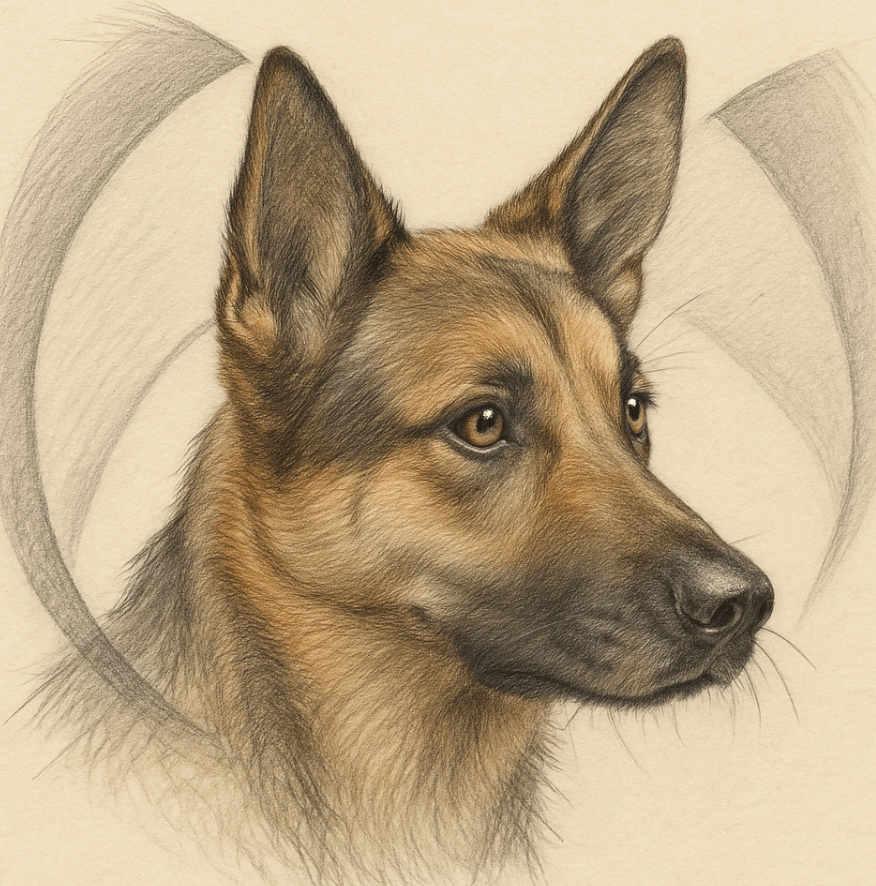

Understanding Dog Peripheral Vision
Dogs are known for their incredible senses, and while their sense of smell often steals the spotlight, their vision plays a crucial role in how they interact with the world. One fascinating aspect of canine vision is their peripheral vision—the ability to see objects outside their direct line of sight. Unlike humans, dogs have a wider field of view, allowing them to detect movement and activity around them more effectively. This unique trait has evolved over thousands of years, helping dogs excel as hunters, herders, and companions. In this blog post, we’ll explore the science behind dog peripheral vision, its advantages, and how it influences your furry friend’s behavior.
How Dog Peripheral Vision Works
Dog peripheral vision is a result of their eye structure and evolutionary adaptations. Understanding how it functions provides insight into their remarkable ability to perceive their surroundings.
Wide Field of View:
Dogs typically have a field of view ranging from 240 to 250 degrees, compared to humans’ 180 degrees. This allows them to see more of their environment without turning their heads.Position of the Eyes:
A dog’s eyes are positioned more to the sides of their head, enhancing their peripheral range but slightly reducing their depth perception.Tapetum Lucidum:
This reflective layer behind the retina improves low-light vision, making it easier for dogs to detect movement in dim conditions.Limited Color Perception:
While dogs don’t see colors as vividly as humans, their vision is optimized for detecting motion, which complements their wide field of view.Breed Variations:
The shape of a dog’s skull affects their peripheral vision. For example, brachycephalic breeds like Bulldogs have narrower fields of view compared to sighthounds like Greyhounds.
These factors combine to create a visual system that prioritizes awareness and movement detection, traits essential for survival in the wild.
Advantages of Dog Peripheral Vision
A dog’s peripheral vision offers several practical benefits, both in nature and in domestic settings. These advantages highlight why this trait has been preserved through evolution.
Early Threat Detection:
Dogs can spot potential predators or dangers from the corners of their eyes, giving them time to react quickly.Enhanced Hunting Skills:
Sighthounds and other hunting breeds rely on their wide field of view to track fast-moving prey across open landscapes.Better Herding Abilities:
Working dogs, such as Border Collies, use their peripheral vision to monitor livestock and anticipate movements during herding tasks.Improved Spatial Awareness:
Peripheral vision helps dogs navigate complex environments, such as dense forests or crowded urban areas, with ease.Strong Social Cues:
Dogs can observe subtle body language and movements of humans and other animals, strengthening their social bonds and communication skills.
These advantages make peripheral vision an invaluable tool for dogs, whether they’re working, playing, or simply relaxing at home.
Check this guide 👉Dog Vision vs Human Vision: Best 7 Expert Tips!
Check this guide 👉Cat Vision vs Dog Vision: Best 7 Expert Tips!
Check this guide 👉Dog Eye Blood Vessel Burst: Best 7 Expert Tips!
Benefits of Dog Peripheral Vision | Factors Influencing Peripheral Vision |
|---|---|
Early detection of threats | Eye placement on the skull |
Improved hunting and tracking skills | Breed-specific variations |
Enhanced spatial awareness | Shape of the dog’s head |
Better herding and working abilities | Tapetum lucidum for night vision |
Stronger social observation skills | Limited color perception |
How Peripheral Vision Shapes Dog Behavior
Peripheral vision significantly impacts how dogs interact with their environment and respond to stimuli. Understanding these behaviors can help you better connect with your pet.
Alertness to Movement:
Dogs are highly sensitive to motion in their peripheral vision, which explains why they often react to passing cars or birds.Guarding Instincts:
Their wide field of view makes dogs excellent watchdogs, as they can monitor large areas for signs of intruders.Playful Reactions:
Toys that move erratically, like balls or frisbees, engage a dog’s peripheral vision and trigger their instinct to chase.Social Bonding:
Dogs use their peripheral vision to observe human gestures, reinforcing their ability to follow commands and read emotions.Fear Responses:
Sudden movements in their peripheral vision can startle dogs, especially if they associate them with past negative experiences.
By recognizing these behaviors, you can tailor activities and training to align with your dog’s natural visual strengths.
Tips for Supporting Your Dog’s Vision Health
Maintaining your dog’s vision, including their peripheral vision, is essential for their overall well-being. Here are some tips to keep their eyes healthy and sharp.
Regular Veterinary Check-Ups:
Schedule annual eye exams to detect potential issues early and ensure proper care.Balanced Diet:
Provide a diet rich in antioxidants like beta-carotene and omega-3 fatty acids to support eye health.Protect from UV Rays:
Use dog goggles or limit outdoor time during peak sunlight hours to reduce exposure to harmful UV rays.Safe Play Environments:
Avoid toys with sharp edges or small parts that could injure your dog’s eyes during play.Monitor for Signs of Issues:
Watch for symptoms like redness, excessive tearing, or squinting, and consult a vet if problems arise.
Taking these steps ensures your dog’s vision remains strong throughout their life, preserving their ability to explore the world fully.
Common Misconceptions About Dog Vision
There are several myths about dog vision that can lead to misunderstandings. Let’s debunk some of these misconceptions to gain a clearer picture.
Dogs See Only in Black and White:
While dogs don’t see colors as vividly as humans, they can perceive shades of blue and yellow, disproving the black-and-white myth.Peripheral Vision Is Always Perfect:
Some breeds, particularly those with flat faces, have narrower fields of view, limiting their peripheral capabilities.Dogs Can Detect Everything Around Them:
Although their peripheral vision is impressive, blind spots still exist directly behind them and close to their nose.Vision Is More Important Than Smell:
While vision is vital, a dog’s sense of smell remains their primary tool for navigating the world.All Dogs Have Identical Visual Abilities:
Differences in breed anatomy mean vision capabilities vary widely among dogs.
Clarifying these misconceptions helps us appreciate the complexity of canine vision.
Activities That Engage Dog Peripheral Vision
Leveraging your dog’s peripheral vision can enhance playtime and training sessions. Try these activities to stimulate their natural instincts.
Fetch Games with Moving Toys:
Use brightly colored balls or frisbees that mimic prey-like movement patterns.Agility Training Courses:
Set up obstacle courses where dogs must use their peripheral vision to navigate turns and jumps.Herding Simulations:
Encourage herding breeds to practice guiding objects, like balls or remote-controlled toys, using their wide field of view.Interactive Puzzle Toys:
Toys that require tracking moving parts engage both their vision and problem-solving skills.Outdoor Exploration:
Allow dogs to roam safely in open spaces, letting them observe and react to their surroundings naturally.
These activities provide mental and physical stimulation while honoring your dog’s innate visual strengths.
Signs Your Dog May Be Experiencing Vision Problems
Early detection of vision issues is critical to maintaining your dog’s quality of life. Look out for these warning signs.
Frequent Bumping into Objects:
If your dog struggles to navigate familiar spaces, it may indicate declining peripheral or central vision.Hesitation in Low Light:
Difficulty seeing in dim environments suggests potential night vision problems.Excessive Pawing at the Eyes:
This behavior could signal discomfort or irritation caused by underlying issues.Unusual Aggression or Fear:
Changes in temperament might stem from anxiety triggered by impaired vision.Cloudy or Discolored Eyes:
Visible changes in the appearance of the eyes often point to cataracts or other conditions.
Addressing these signs promptly ensures timely intervention and preserves your dog’s vision for as long as possible.
Frequently Asked Questions About Dog Peripheral Vision
Do all dogs have the same peripheral vision?
No, peripheral vision varies by breed due to differences in skull shape and eye placement.
Can dogs see better than humans in the dark?
Yes, thanks to the tapetum lucidum, dogs have superior night vision compared to humans.
Why do dogs seem startled by sudden movements?
Their heightened sensitivity to motion in their peripheral vision can make unexpected actions startling.
Is peripheral vision important for training?
Yes, understanding peripheral vision helps trainers design activities that engage a dog’s natural instincts.
How can I test my dog’s peripheral vision?
Gently move an object into their peripheral field and observe their reaction, but avoid startling them.
Embracing Your Dog’s Unique Perspective
Dog peripheral vision is a fascinating aspect of their sensory capabilities, shaping how they interact with the world and respond to their surroundings. By understanding the mechanics and benefits of this trait, you can deepen your bond with your furry companion and create enriching experiences tailored to their natural strengths. Whether you’re playing fetch, training new commands, or simply observing their behavior, appreciating their wide field of view adds another layer of admiration for these incredible animals. Celebrate your dog’s unique perspective and continue nurturing their health and happiness.
Most Affordable Fresh Dog Food: Best 7 Expert Tips! – Smart ways to feed fresh, healthy meals without overspending.
Deer Tick vs Dog Tick Size: Best 7 Expert Tips! – Compare sizes, spot key differences, and protect your dog from tick-borne diseases.

Deer Tick vs Cat Tick Size: Best 7 Expert Tips! – Compare sizes, spot key differences, and protect your pet from tick-borne risks.
Understanding Dog Pink Eye Treatment: Best 7 Expert Tips! – Safe, vet-backed remedies to soothe redness, discharge, and discomfort fast.