Understanding Dog Cyst Treatment: Best 7 Expert Tips!

Understanding Dog Cyst Treatment: Best 7 Expert Tips!

Understanding Dog Cyst Treatment: A Compassionate Guide for Pet Parents

If you’ve noticed a strange lump on your dog’s skin, you’re not alone—many pet owners worry the moment they spot something unusual. Fortunately, most skin cysts in dogs are benign, slow-growing, and manageable with proper care. Dog cyst treatment doesn’t always mean surgery or medication; often, it starts with observation, gentle monitoring, and informed decisions guided by your veterinarian. This guide will walk you through everything you need to know about cysts in dogs—from what they are and why they form, to safe treatment options and when to seek professional help—so you can support your furry friend with confidence and care.

What Exactly Is a Cyst in Dogs?

Not every lump is cause for alarm—but understanding what a cyst is helps you respond wisely. A cyst is a closed sac-like structure beneath the skin that may be filled with fluid, pus, or semi-solid material. Unlike tumors or infections, most cysts are non-cancerous and develop due to blocked glands or hair follicles.

 
  • Sebaceous Cysts:
    These are the most common type in dogs, forming when sebaceous (oil) glands become clogged, leading to a buildup of sebum under the skin.
     
  • Epidermoid Cysts:
    These arise from hair follicles and contain keratin—a protein found in skin, hair, and nails.
     
  • False Cysts:
    These aren’t true cysts but fluid-filled pockets that form after trauma or inflammation, often resolving on their own.
     
  • Follicular Cysts:
    Occur when hair follicles swell and fill with fluid or keratin, commonly seen in certain breeds like Boxers and Cocker Spaniels.
     
  • Dermoid Cysts:
    Rare congenital cysts present from birth, usually located along the spine or neck.
 

While most cysts are harmless, any new or changing lump should be evaluated by a vet to rule out more serious conditions like abscesses, mast cell tumors, or malignant growths. Early identification ensures the right approach—whether it’s watchful waiting or medical intervention.

Understanding Dog Cyst Treatment: Best 7 Expert Tips!

Common Causes Behind Cyst Formation in Dogs

Cysts can appear for a variety of reasons, many tied to your dog’s genetics, skin health, or environment. Recognizing potential triggers can help you reduce future occurrences.

 
  • Genetic Predisposition:
    Certain breeds—such as Schnauzers, Poodles, and Basset Hounds—are more prone to sebaceous cysts due to inherited skin traits.
     
  • Poor Grooming or Skin Hygiene:
    Infrequent brushing or bathing can lead to clogged pores and oil buildup, especially in dogs with thick or oily coats.
     
  • Hormonal Imbalances:
    Conditions like Cushing’s disease or hypothyroidism can alter skin integrity and increase cyst risk.
     
  • Skin Trauma or Irritation:
    Scratching, insect bites, or minor wounds can damage hair follicles and trigger cyst development.
     
  • Age-Related Skin Changes:
    Older dogs often develop cysts as their skin cell turnover slows and glands become less efficient.
 

Not all cysts can be prevented—but maintaining good skin health through diet, grooming, and routine vet checkups can significantly lower your dog’s risk. Think of cysts as your dog’s skin sending a signal: “I need a little extra attention.”

Cyst Type Typical Characteristics
Sebaceous Cyst Round, movable lump; may ooze white/yellow paste if ruptured
Epidermoid Cyst Firm, slow-growing; filled with keratin
Follicular Cyst Often multiple; associated with hairless patches
False Cyst Soft, fluid-filled; usually follows injury
Dermoid Cyst Congenital; may contain hair or skin debris

Signs Your Dog’s Cyst Needs Veterinary Attention

Most cysts are harmless—but some require prompt medical evaluation. Knowing the warning signs helps you act before complications arise.

 
  • Rapid Growth or Change in Size:
    A cyst that suddenly enlarges over days may indicate infection or a more serious growth.
     
  • Redness, Swelling, or Warmth:
    These signs suggest inflammation or bacterial infection, especially if your dog licks the area.
     
  • Pain or Discomfort:
    If your dog flinches, whines, or avoids touch near the lump, it’s no longer just cosmetic.
     
  • Drainage of Blood or Pus:
    While some cysts ooze a cheesy material when ruptured, bloody or foul-smelling discharge signals infection.
     
  • Multiple New Lumps:
    The sudden appearance of several cysts could point to an underlying skin condition or systemic issue.
 

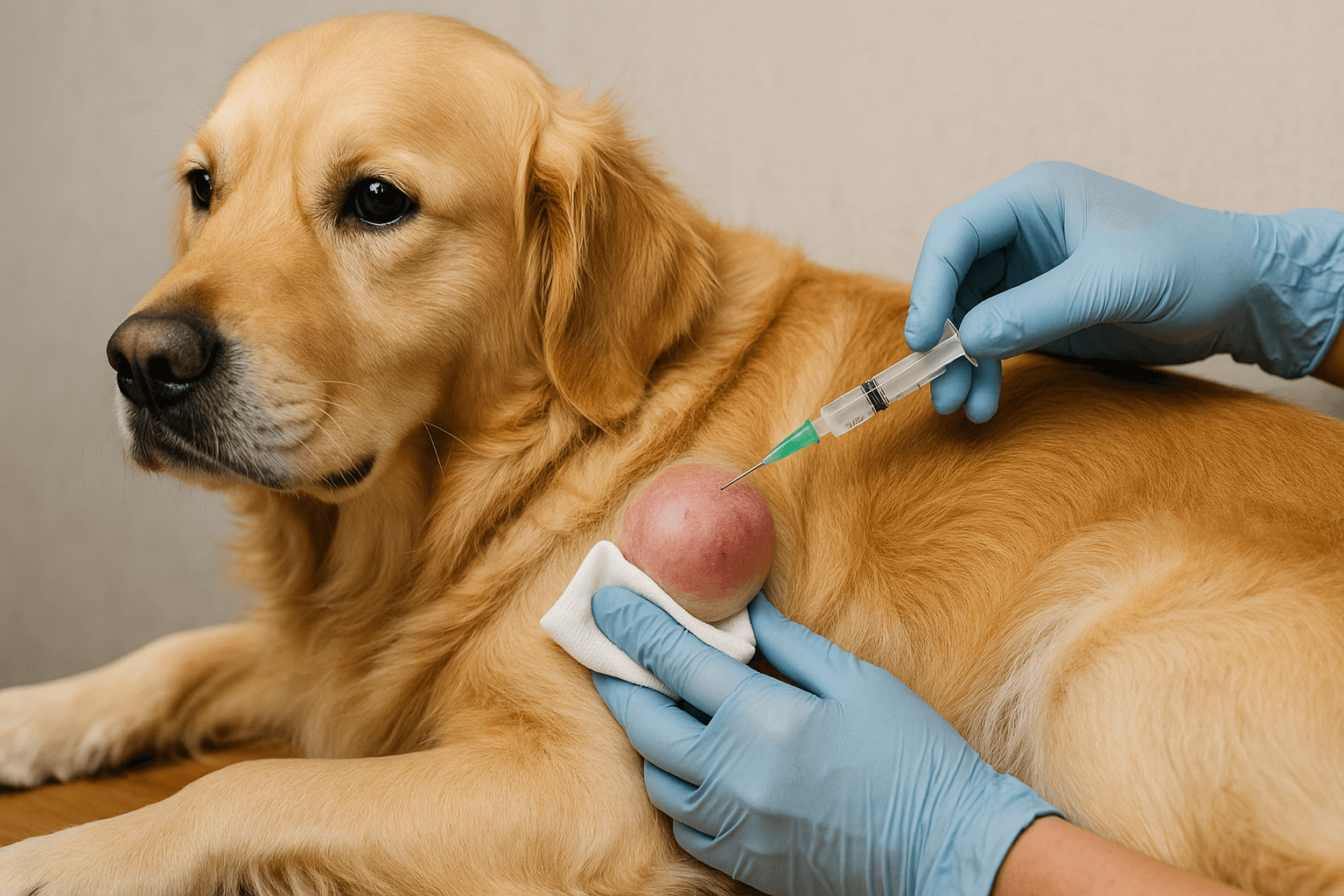
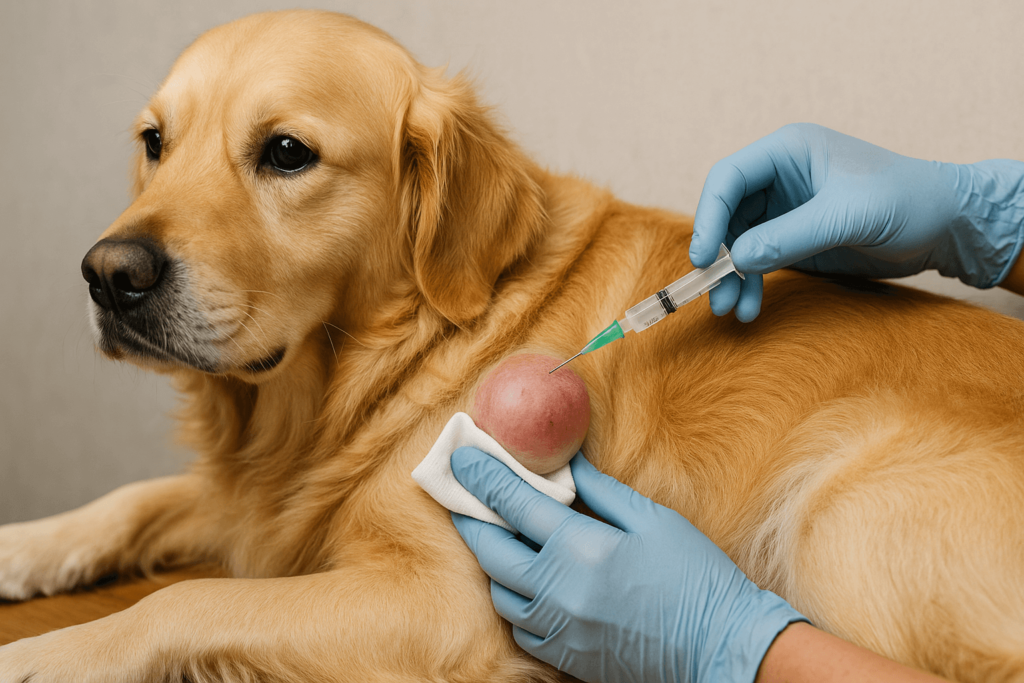
Never squeeze or pop a cyst at home—this can push bacteria deeper into the tissue and lead to cellulitis or abscess formation. When in doubt, schedule a vet visit. A simple fine-needle aspirate can provide peace of mind in minutes.

Safe and Effective Dog Cyst Treatment Options

Treatment depends entirely on the cyst’s type, location, and behavior. Your vet will tailor a plan that prioritizes your dog’s comfort and long-term health.

 
  • Watchful Waiting:
    For small, stable, non-irritating cysts, monitoring is often the best course—many never cause problems.
     
  • Surgical Removal:
    Recommended for large, recurrent, or infected cysts, especially if they interfere with movement or hygiene.
     
  • Laser Therapy:
    In some clinics, lasers are used to vaporize small cysts with minimal scarring and faster healing.
     
  • Topical Antibiotics or Antiseptics:
    If a cyst ruptures, your vet may prescribe medicated shampoos or creams to prevent infection.
     
  • Dietary & Skin Support:
    Omega-3 fatty acids, vitamin E, and zinc can improve skin resilience and reduce future cyst formation.
 

Surgery isn’t always necessary—but when it is, modern veterinary techniques ensure minimal pain and quick recovery. Most dogs return to normal activity within a few days post-op.

Home Care Tips for Managing a Dog’s Cyst

While professional guidance is essential, gentle home care can support healing and prevent complications—especially for benign cysts under observation.

 
  • Keep the Area Clean:
    Gently wipe around the cyst with a damp cloth or vet-approved antiseptic wipe to reduce bacterial load.
     
  • Prevent Licking or Scratching:
    Use an Elizabethan collar if needed—constant licking introduces bacteria and delays healing.
     
  • Avoid Human Products:
    Never apply hydrogen peroxide, alcohol, or over-the-counter ointments without veterinary approval.
     
  • Monitor Daily:
    Take weekly photos to track size, color, and texture changes—this helps your vet assess progression.
     
  • Support Skin Health:
    Feed a high-quality diet rich in essential fatty acids and ensure regular grooming to keep pores clear.
 

Home care should never replace veterinary diagnosis—but it plays a vital role in preventing minor issues from becoming major ones. Your hands, eyes, and patience are powerful tools in your dog’s healing journey.

Breeds Most Prone to Cysts and Why It Matters

Some dogs are simply more likely to develop cysts due to their genetic makeup and coat type. Knowing your breed’s risks allows for proactive care.

 
  • Cocker Spaniels:
    Prone to sebaceous adenomas and cysts due to oily skin and dense fur.
     
  • Schnauzers (Miniature & Standard):
    Frequently develop comedones and cysts along the back and spine.
     
  • Boxers:
    Known for follicular cysts, especially in areas with friction like the armpits or groin.
     
  • Poodles:
    Their curly coat traps oils and debris, increasing follicle blockage risk.
     
  • Bulldogs & French Bulldogs:
    Skin folds create moist environments where cysts and infections can thrive.
 

If you own one of these breeds, schedule regular skin checks during grooming and vet visits. Early detection turns potential problems into manageable quirks.

When Surgery Is the Right Choice for Cyst Removal

Surgical excision is the gold standard for problematic cysts—and for good reason. Complete removal prevents recurrence and allows for histopathology to confirm the diagnosis.

 
  • Recurrent Cysts:
    If a cyst refills after rupturing, surgery offers a permanent solution.
     
  • Cysts in High-Friction Areas:
    Those near paws, tail base, or armpits often rupture and become chronically infected.
     
  • Cosmetic or Functional Interference:
    Large cysts on the face or eyelids may impair vision or comfort.
     
  • Suspicious Appearance:
    Irregular borders, rapid growth, or ulceration warrant removal and biopsy.
     
  • Owner Peace of Mind:
    Sometimes, removing a cyst simply reduces anxiety for both pet and parent.
 

Modern veterinary surgery is safe, and most procedures are outpatient. With proper aftercare, your dog will heal quickly—and you’ll no longer worry about that mysterious lump.

Frequently Asked Questions About Dog Cyst Treatment

Can a cyst go away on its own?

Yes—some cysts shrink or remain stable for years without treatment. However, they rarely disappear completely unless surgically removed.

No. Popping can introduce infection, cause pain, and lead to scarring or incomplete drainage. Always consult your vet.

Costs vary by location and cyst size but typically range from $200 to $800, including anesthesia and lab analysis.

Possibly—especially if your dog is genetically prone. However, removing one cyst doesn’t cause others to form.

Yes. A balanced diet with omega-3s, antioxidants, and high-quality proteins supports overall skin health and may reduce recurrence.

Caring for Your Dog Beyond the Cyst

A cyst is rarely just a skin issue—it’s an invitation to look deeper at your dog’s overall health and well-being. By responding with patience, knowledge, and veterinary partnership, you turn a moment of worry into an act of love. Remember: your dog doesn’t see a lump—they feel your calm presence, your gentle touch, and your unwavering commitment to their comfort. With the right care, most cysts become minor footnotes in a long, joyful life together.

 
Understanding Bone Supplement for Cats: Best 7 Expert Tips!

Understanding Bone Supplement for Cats: Best 7 Expert Tips! – Safe, vet-approved guidance for strong feline bones & balanced nutrition.

Bone Supplement for Dogs: Best 7 Expert Tips!

Bone Supplement for Dogs: Best 7 Expert Tips! – Expert guide to calcium, collagen & bone health for every life stage.

Understanding Can Cats Get Sunburn: Best 7 Expert Tips!

Understanding Can Cats Get Sunburn: Best 7 Expert Tips! – Protect your feline from UV damage with vet-backed prevention strategies.

How to Train a Seizure Alert Dog: Best 7 Expert Tips!

How to Train a Seizure Alert Dog: Best 7 Expert Tips! – Learn expert-backed steps to nurture natural instincts into reliable, life-saving seizure alerts.

Leave a Reply

Your email address will not be published. Required fields are marked *