

Understanding Cryptosporidium in Dogs: Best 7 Expert Tips!

Understanding Cryptosporidium in Dogs: Best 7 Expert Tips!

Understanding Cryptosporidium in Dogs: Best 7 Expert Tips!

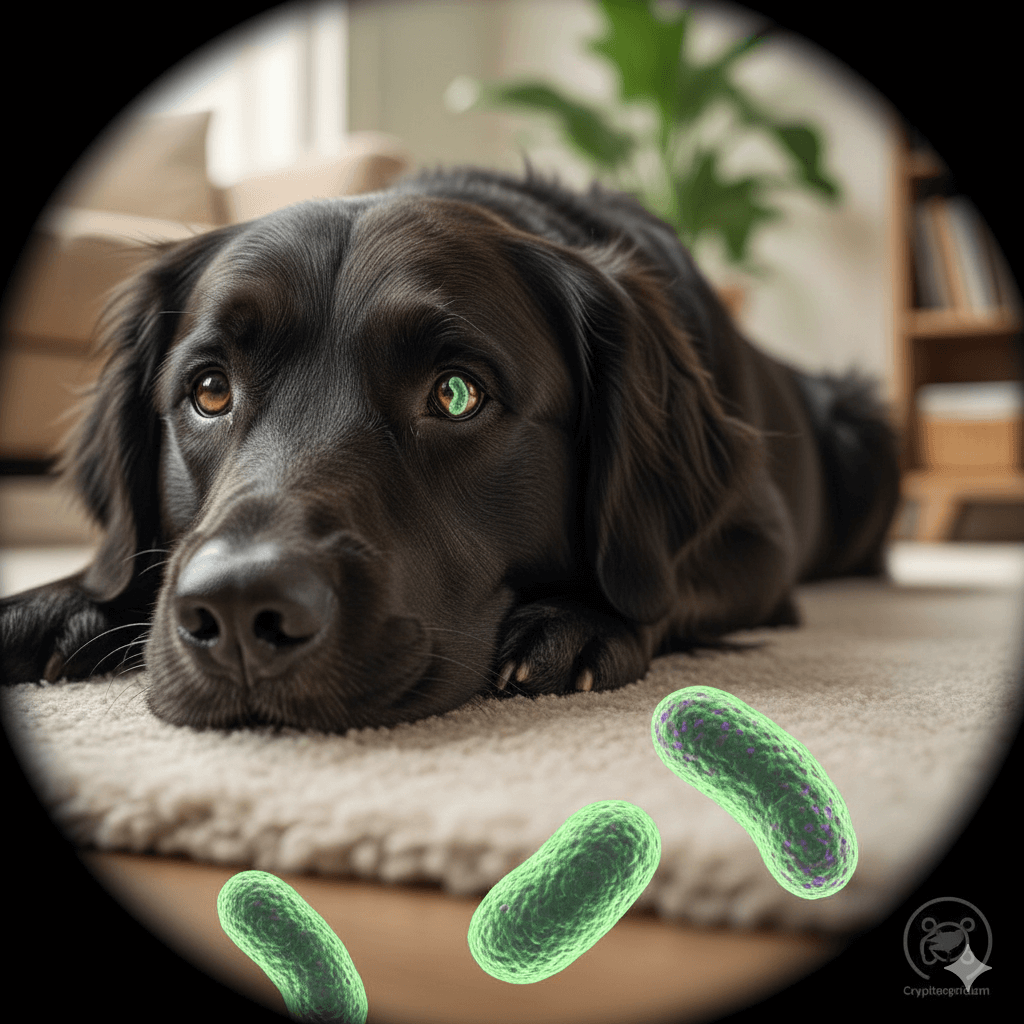
Cryptosporidium in dogs is a microscopic intestinal parasite that can cause mild to severe digestive upset, especially in puppies or dogs with weakened immune systems. While often overlooked, this protozoan infection is more common than many pet owners realize and can sometimes pose risks to humans too. Early detection and proper hygiene are key to managing and preventing spread. With expert-backed strategies, you can protect your dog’s gut health and keep your household safe. Let’s explore the essential facts every dog owner should know about cryptosporidium.

What Is Cryptosporidium and How Do Dogs Get Infected?

Cryptosporidium is a tiny, hardy parasite that infects the lining of the small intestine, leading to gastrointestinal symptoms. It spreads through oocysts—resilient cysts shed in feces—that can survive in the environment for months. Understanding transmission helps you reduce your dog’s exposure risk:

 
  • Ingestion of Contaminated Water:
    Dogs often contract cryptosporidium by drinking from puddles, lakes, or streams where infected feces have contaminated the water.
     
  • Contact with Infected Feces:
    Direct or indirect contact with stool from infected dogs, wildlife (like deer or rodents), or even livestock can transmit the parasite.
     
  • Environmental Contamination:
    Oocysts cling to soil, grass, toys, or food bowls—especially in shelters, kennels, or dog parks with poor sanitation.
     
  • Poor Hygiene in Multi-Dog Homes:
    In households with several pets, shared spaces and inadequate cleanup increase the chance of cross-contamination.
     
  • Weakened Immune Systems:
    Puppies, senior dogs, or those on immunosuppressive medications are far more susceptible to symptomatic infection.
 

While healthy adult dogs may clear the infection on their own, vigilance is crucial to prevent spread and protect vulnerable animals.

 
Understanding Cryptosporidium in Dogs: Best 7 Expert Tips!

Common Signs Your Dog Has a Cryptosporidium Infection

Many dogs with cryptosporidium show no symptoms—but when illness occurs, signs typically appear 2–10 days after exposure. The severity depends heavily on your dog’s age and immune status:

 
  • Watery or Mucoid Diarrhea:
    The most common symptom, which may be intermittent or persistent and sometimes contain mucus (rarely blood).
     
  • Lethargy or Reduced Activity:
    Your dog may seem tired, less playful, or spend more time resting than usual during the infection.
     
  • Mild Vomiting:
    Though less frequent than diarrhea, some dogs may experience occasional vomiting or nausea.
     
  • Weight Loss or Poor Growth (in Puppies):
    Chronic infection in young dogs can interfere with nutrient absorption, leading to stunted development.
     
  • Dehydration Signs:
    Dry gums, sunken eyes, or reduced skin elasticity may occur if diarrhea is prolonged or severe.
 

In immunocompetent dogs, symptoms often resolve within a week—but in high-risk cases, veterinary support is essential.

Early Indicators
High-Risk Complications
Occasional loose stool
Persistent diarrhea over 7 days
Slight decrease in energy
Significant weight loss in puppies
Normal appetite with mild GI upset
Vomiting alongside diarrhea
No fever
Signs of dehydration or weakness
Self-limiting symptoms
Recurrence after apparent recovery

Diagnosis and Veterinary Evaluation

Because cryptosporidium symptoms mimic many other GI conditions, accurate diagnosis requires specific testing. Routine fecal flotation often misses it—so targeted methods are needed:

 
  • Specialized Fecal Tests:
    PCR (polymerase chain reaction) or ELISA tests are far more sensitive in detecting cryptosporidium oocysts than standard exams.
     
  • Fecal Cytology or Staining:
    Modified acid-fast staining can reveal the parasite under a microscope, though it’s less reliable than PCR.
     
  • Rule-Out of Other Causes:
    Your vet may test for giardia, parvovirus, bacterial infections, or dietary issues to confirm cryptosporidium as the culprit.
     
  • Assessment of Immune Status:
    Bloodwork or history review helps determine if your dog is at higher risk for complications or chronic infection.
     
  • Zoonotic Risk Discussion:
    Your vet may advise hygiene precautions, especially if household members are immunocompromised, pregnant, or very young.
 

Accurate diagnosis ensures appropriate care and prevents unnecessary treatments for unrelated conditions.

Treatment Options and Supportive Care

There is no universally approved cure for cryptosporidium in dogs, but supportive care and certain medications can ease symptoms and speed recovery—especially in vulnerable patients:

 
  • Fluid and Electrolyte Support:
    Oral rehydration solutions or subcutaneous fluids help combat dehydration caused by diarrhea.
     
  • Anti-Diarrheal Medications:
    Drugs like kaolin-pectin or prescription options may be used short-term to reduce intestinal discomfort.
     
  • Paromomycin or Tylosin (Off-Label Use):
    Some veterinarians prescribe these antibiotics to reduce parasite load, though effectiveness varies.
     
  • Probiotics and Gut Support:
    High-quality probiotics can help restore healthy gut flora and improve stool consistency during recovery.
     
  • Nutritional Management:
    A bland, easily digestible diet (e.g., boiled chicken and rice) supports healing until stools normalize.
 

Most healthy dogs recover without specific anti-parasitic treatment—but close monitoring is essential during the process.

Preventing Cryptosporidium in Your Dog and Home

Prevention centers on hygiene, water safety, and environmental control—especially in multi-pet or high-risk households:

 
  • Provide Clean Drinking Water:
    Always offer fresh, clean water and avoid letting your dog drink from lakes, puddles, or communal bowls at parks.
     
  • Prompt Feces Removal:
    Scoop yard waste daily and disinfect litter boxes or potty areas regularly to limit oocyst buildup.
     
  • Use Effective Disinfectants:
    Standard cleaners won’t kill cryptosporidium oocysts—use ammonia-based or hydrogen peroxide solutions where safe, or steam-cleaning for fabrics.
     
  • Limit Exposure in High-Risk Areas:
    Avoid overcrowded kennels, shelters, or dog parks with poor sanitation, especially for puppies or immunocompromised dogs.
     
  • Practice Hand Hygiene:
    Always wash hands thoroughly after handling feces, cleaning up after your dog, or gardening in potentially contaminated soil.
 

Consistent prevention reduces not only your dog’s risk but also potential zoonotic transmission to humans.

Special Considerations for Puppies, Seniors, and Immunocompromised Dogs

While adult dogs with strong immune systems often fight off cryptosporidium silently, vulnerable dogs face greater risks—including chronic illness or systemic spread:

 
  • Puppies Under 6 Months:
    Their immature immune systems can’t control the parasite effectively, leading to prolonged diarrhea and malnutrition.
     
  • Senior Dogs:
    Age-related immune decline may result in more severe or persistent symptoms requiring medical support.
     
  • Dogs with Chronic Illnesses:
    Conditions like diabetes, cancer, or Cushing’s disease increase susceptibility to complications.
     
  • Dogs on Immunosuppressive Drugs:
    Steroids or chemotherapy can allow cryptosporidium to flourish unchecked, sometimes causing life-threatening enteritis.
     
  • Breeds with Genetic Immune Sensitivities:
    Though not breed-specific, dogs with known immune disorders need extra monitoring during outbreaks.
 

For these groups, early veterinary involvement isn’t optional—it’s a critical part of recovery.

Zoonotic Risk: Can Humans Get Cryptosporidium from Dogs?

Yes—cryptosporidium can transmit from dogs to humans, though the risk is generally low with good hygiene. The primary species affecting dogs (C. canis) is less common in human cases than C. parvum (from livestock), but transmission is possible:

 
  • Highest Risk for Vulnerable Humans:
    Infants, pregnant women, elderly individuals, and those with HIV/AIDS or undergoing chemotherapy are most at risk.
     
  • Transmission Occurs via Fecal-Oral Route:
    Touching contaminated surfaces then touching your mouth—especially without handwashing—enables infection.
     
  • Symptoms in Humans Mirror Dogs:
    Watery diarrhea, stomach cramps, nausea, and low-grade fever typically last 1–2 weeks in healthy people.
     
  • Prevention Is Shared Responsibility:
    Wear gloves when cleaning up feces, wash hands immediately after petting your dog (especially before eating), and keep your dog’s rear end clean.
     
  • Immunocompromised Owners Should Consult Doctors:
    If your dog is diagnosed, discuss preventive steps with your healthcare provider to minimize personal risk.
 

With careful hygiene, cohabitation remains safe—but awareness is your best defense.


Frequently Asked Questions About Cryptosporidium in Dogs

Is cryptosporidium the same as giardia?

Yes, in healthy adult dogs, the immune system often clears the infection within 7–14 days without treatment.

Yes, especially from other pets and high-risk people, until diarrhea stops and your vet confirms reduced shedding.

Shedding can last several days to weeks—even after symptoms resolve—so hygiene must continue post-recovery.

Shedding can last several days to weeks—even after symptoms resolve—so hygiene must continue post-recovery.

Yes, though partial immunity may develop; reinfection is possible, especially if exposed to high environmental loads.

Caring for Your Dog Beyond the Infection

A cryptosporidium diagnosis can feel alarming—but with knowledge, calm action, and good hygiene, most dogs recover fully and return to their vibrant selves. The real power lies in prevention: clean water, prompt waste removal, and a watchful eye on your dog’s stool and energy levels. More importantly, this experience reminds us how deeply interconnected our pets’ health is with our own habits and environment. By responding with care—not panic—you protect not just your dog, but your entire household. In the end, your steady love and attention are the most healing medicine of all.

Understanding Cryptosporidium in Cats: Best 7 Expert Tips!

Understanding Cryptosporidium in Cats: Best 7 Expert Tips! – Spot symptoms, treat safely, and stop parasite spread in your home.

Understanding Cryptosporidium in Dogs: Best 7 Expert Tips!

Understanding Cryptosporidium in Dogs: Best 7 Expert Tips! – Learn symptoms, treatment & prevention for this stubborn gut parasite.

Understanding Syringomyelia in Cats: Best 7 Expert Tips!

Understanding Syringomyelia in Cats: Best 7 Expert Tips! – Recognize signs, manage pain, and support your cat’s neurological health with vet-backed guidance.

Understanding Syringomyelia in Dogs: Best 7 Expert Tips!

Understanding Syringomyelia in Dogs: Best 7 Expert Tips! – Expert insights on symptoms, MRI diagnosis, pain management & quality of life.

Leave a Reply

Your email address will not be published. Required fields are marked *


