
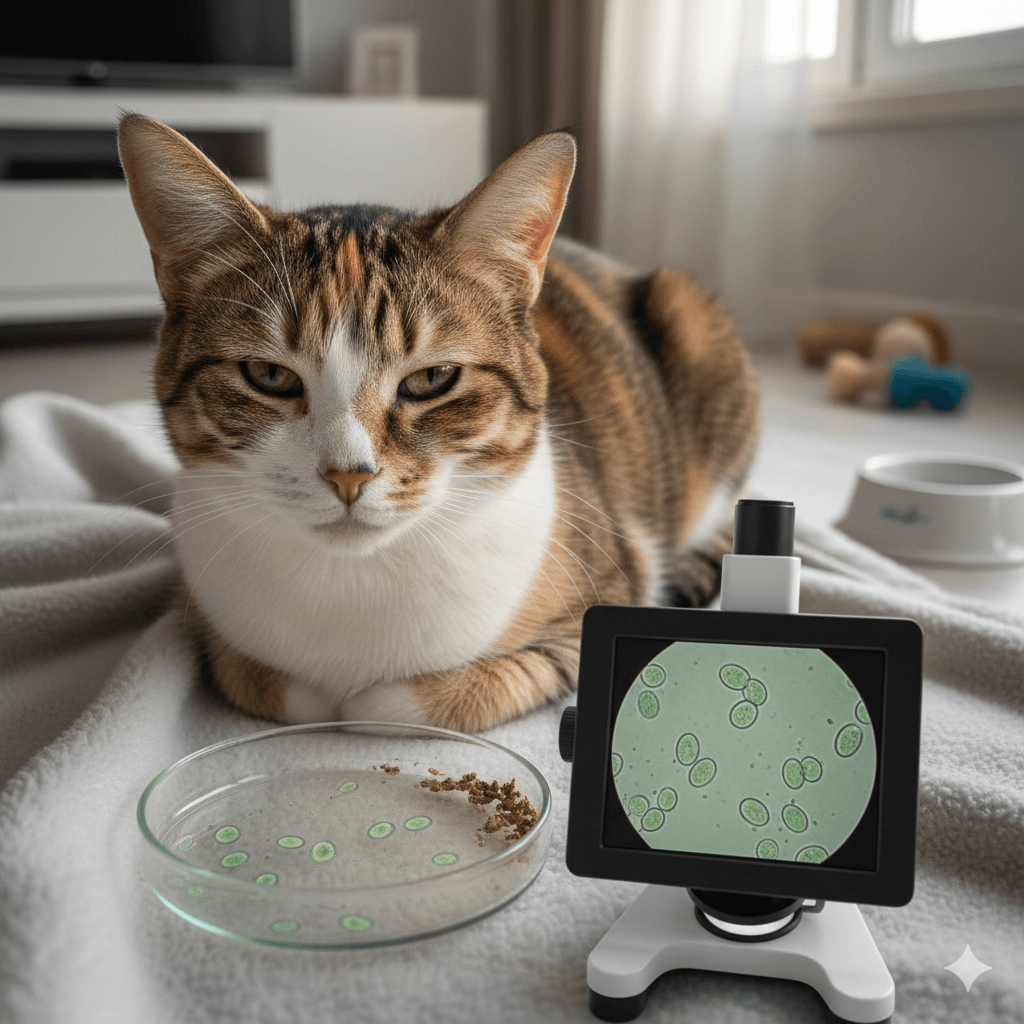

Understanding Cryptosporidium in Cats: Best 7 Expert Tips!

Understanding Cryptosporidium in Cats: Best 7 Expert Tips!

Understanding Cryptosporidium in Cats: Best 7 Expert Tips!

Cryptosporidium in cats is a microscopic intestinal parasite that can cause digestive upset, especially in young or immunocompromised felines. Though often mild in healthy adults, it poses serious risks to kittens, senior cats, or those with weakened immune systems. Early recognition of symptoms and proper hygiene are key to managing and preventing spread—both to other pets and, in rare cases, to humans. With the right care, most cats recover fully, but vigilance and veterinary guidance are essential. Understanding this parasite empowers you to protect your cat’s health and your household’s well-being.

What Is Cryptosporidium and How Do Cats Get Infected?

Cryptosporidium is a protozoan parasite that infects the lining of the small intestine, leading to gastrointestinal distress. Cats typically contract it through ingestion of contaminated water, soil, feces, or prey. The parasite forms hardy oocysts that survive in the environment for months, making transmission surprisingly easy—especially in multi-cat homes or shelters.

 
  • Environmental Contamination:
    Cats may ingest oocysts from litter boxes, shared water bowls, or outdoor areas where infected animals have defecated.
     
  • Ingestion of Infected Prey:
    Hunting birds or rodents that carry the parasite is a common route for outdoor cats.
     
  • Mother-to-Kitten Transmission:
    Kittens can become infected during birth or through nursing if the mother is shedding oocysts.
     
  • Waterborne Exposure:
    Puddles, streams, or even untreated tap water can harbor infectious oocysts, especially after flooding or runoff.
     
  • Close Contact in High-Density Settings:
    Shelters, catteries, or multi-cat households increase risk due to shared spaces and stress-related immune suppression.
 

While many adult cats fight off the infection silently, vulnerable individuals may develop persistent symptoms requiring medical support.

 
Understanding Cryptosporidium in Cats: Best 7 Expert Tips!

Common Symptoms of Cryptosporidium Infection in Cats

Not all infected cats show signs—but when they do, symptoms usually appear 2 to 10 days after exposure. The severity depends heavily on age, overall health, and immune status. Watch for these telltale signs, especially in kittens or sick cats:

 
  • Chronic or Watery Diarrhea:
    The most frequent symptom—often foul-smelling, sometimes mucoid, and occasionally containing blood.
     
  • Weight Loss or Poor Growth:
    Kittens may fail to gain weight or lose body condition despite a normal appetite.
     
  • Lethargy and Weakness:
    Reduced activity, hiding, or lack of interest in play can signal illness.
     
  • Dehydration:
    Dry gums, sunken eyes, or skin that tents when gently pinched indicate fluid loss from diarrhea.
     
  • Vomiting (Less Common):
    While not typical, some cats may vomit if the infection causes significant gut inflammation.
 

Symptoms can last days to weeks. In healthy cats, they often resolve on their own—but persistent diarrhea always warrants veterinary evaluation.

Early Warning Signs
High-Risk Complications
Occasional soft stool
Watery diarrhea lasting >5 days
Slight decrease in energy
Visible weight loss or stunted growth
Normal appetite with mild diarrhea
Refusal to eat or drink
Brief episodes of loose stool
Dehydration in kittens or seniors
One-time vomiting
Concurrent infections (e.g., with FIV or FeLV)

Diagnosing Cryptosporidium: What to Expect at the Vet

Diagnosis can be tricky because standard fecal exams often miss Cryptosporidium oocysts—they’re tiny and shed intermittently. Your vet may need specialized tests to confirm the infection and rule out other causes like giardia, coccidia, or bacterial enteritis.

 
  • Fecal PCR Testing:
    The most reliable method; detects parasite DNA even in small quantities and differentiates Cryptosporidium species.
     
  • Acid-Fast Staining:
    A lab technique that highlights oocysts under a microscope, though less sensitive than PCR.
     
  • Complete Blood Work:
    Helps assess dehydration, inflammation, or underlying conditions that may worsen the infection.
     
  • Fecal Floatation with Centrifugation:
    Sometimes used, but oocysts may still be missed due to their small size and dense nature.
     
  • Rule-Out Approach:
    If tests are negative but symptoms persist, vets may treat empirically or investigate for IBD, food allergies, or viral infections.
 

Accurate diagnosis ensures your cat gets the right care—and prevents unnecessary treatments or prolonged discomfort.

Treatment and Supportive Care for Infected Cats

There is no FDA-approved drug specifically for Cryptosporidium in cats, but supportive care and certain medications can ease symptoms and support recovery—especially in high-risk cases.

 
  • Fluid Therapy:
    Subcutaneous or IV fluids correct dehydration and support kidney function during prolonged diarrhea.
     
  • Anti-Diarrheal Support:
    Medications like kaolin-pectin or probiotics may help firm stools and soothe the gut lining.
     
  • Off-Label Antiparasitic Use:
    Some vets prescribe paromomycin or tylosin, though efficacy varies and side effects (like hearing loss with paromomycin) must be monitored.
     
  • Nutritional Management:
    Easily digestible, bland diets (e.g., boiled chicken and rice or vet gastrointestinal formulas) reduce intestinal stress.
     
  • Immune Support:
    In FIV+ or FeLV+ cats, managing the underlying condition is crucial—stronger immunity helps clear the parasite naturally.
 

Most healthy cats recover without specific drugs, but consistent supportive care shortens the illness and prevents setbacks.

Preventing Cryptosporidium Spread in Your Home

Because oocysts are highly resistant to common disinfectants and can infect other pets (and rarely, people), strict hygiene is essential—especially if you have multiple cats or immunocompromised household members.

 
  • Daily Litter Box Cleaning:
    Scoop feces immediately; oocysts become infectious within 24–48 hours.
     
  • Use Boiling Water or Steam for Disinfection:
    Most household cleaners don’t kill oocysts—steam cleaning or boiling water is more effective for bowls, bedding,. or surfaces.
     
  • Wash Hands Thoroughly:
    Always wash with soap and warm water after handling litter, feces, or the infected cat—alcohol-based sanitizers don’t kill oocysts.
     
  • Isolate Infected Cats Temporarily:
    Keep the sick cat separate until diarrhea resolves and follow-up tests are negative.
     
  • Avoid Shared Water Sources Outdoors:
    Don’t let your cat drink from puddles, ponds, or communal outdoor bowls in multi-pet neighborhoods.
 

Prevention isn’t just about one cat—it’s about protecting your entire household from a resilient, invisible threat.


Special Considerations for Kittens, Seniors, and Immunocompromised Cats

These vulnerable groups face higher risks of severe or chronic cryptosporidiosis. Their immune systems can’t clear the parasite effectively, leading to life-threatening dehydration or wasting.

 
  • Kittens Under 6 Months:
    Their immature immune systems make them prone to rapid deterioration—early vet care is critical.
     
  • Senior Cats:
    Age-related decline in immunity or kidney function can worsen outcomes; monitor closely for subtle changes.
     
  • Cats with FIV or FeLV:
    These viruses suppress immunity, potentially turning a mild infection into a chronic, debilitating condition.
     
  • Cats on Immunosuppressive Drugs:
    Those treated for allergies, cancer, or autoimmune disease may struggle to fight off the parasite.
     
  • Rescue or Shelter Cats:
    Stress and close quarters increase exposure risk—screen new arrivals and quarantine as needed.
 

For these cats, “wait and see” is not safe. Proactive veterinary partnership is the best defense.

Zoonotic Risk: Can Humans Catch Cryptosporidium from Cats?

While the primary species affecting cats (C. felis) rarely infects humans, C. parvum (which can infect both calves and cats) poses a slight zoonotic risk—especially to young children, elderly adults, or those with compromised immunity.

 
  • Low but Not Zero Risk:
    Most human cryptosporidiosis comes from contaminated water or livestock, not pets—but caution is still wise.
     
  • High-Risk Household Members:
    Pregnant women, cancer patients, or those with HIV should avoid handling litter during an active infection.
     
  • Hygiene Is Your Best Shield:
    Meticulous handwashing and avoiding contact with feces drastically reduce any transmission risk.
     
  • No Need to Rehome Your Cat:
    With proper precautions, infected cats can stay safely in the home—even with vulnerable people.
     
  • Coordinate with Your Doctor:
    If someone in your home is immunocompromised, inform both your vet and physician for coordinated care.
 

Responsible handling protects everyone—without sacrificing the bond you share with your feline friend.


Frequently Asked Questions About Cryptosporidium in Cats

Can cryptosporidium go away on its own in cats?

Yes—in healthy adult cats, the immune system usually clears the infection within 1–3 weeks without treatment.

No, there is currently no vaccine available for cats or humans against this parasite.

Shedding can last days to weeks, and intermittent shedding may occur even after symptoms resolve.

Standard bleach is ineffective—oocysts are resistant. Use steam, boiling water, or ammonia-based disinfectants if safe for surfaces.

Yes—especially if they share litter boxes or show any digestive symptoms, as asymptomatic carriers are possible.

Protecting Your Cat from Invisible Threats

Cryptosporidium may be microscopic, but its impact on your cat’s health—and your peace of mind—can be significant. By recognizing symptoms early, prioritizing hygiene, and partnering with your veterinarian, you can navigate this infection with confidence and care. Remember, prevention is always more powerful than treatment: clean litter habits, safe water, and stress reduction form the foundation of a resilient feline gut. Most importantly, your attentive presence makes all the difference—because a watchful eye and a gentle hand are your cat’s greatest defenses against the unseen.

 
Understanding Cryptosporidium in Cats: Best 7 Expert Tips!

Understanding Cryptosporidium in Cats: Best 7 Expert Tips! – Spot symptoms, treat safely, and stop parasite spread in your home.

Understanding Cryptosporidium in Dogs: Best 7 Expert Tips!

Understanding Cryptosporidium in Dogs: Best 7 Expert Tips! – Learn symptoms, treatment & prevention for this stubborn gut parasite.

Understanding Syringomyelia in Cats: Best 7 Expert Tips!

Understanding Syringomyelia in Cats: Best 7 Expert Tips! – Recognize signs, manage pain, and support your cat’s neurological health with vet-backed guidance.

Understanding Syringomyelia in Dogs: Best 7 Expert Tips!

Understanding Syringomyelia in Dogs: Best 7 Expert Tips! – Expert insights on symptoms, MRI diagnosis, pain management & quality of life.

Leave a Reply

Your email address will not be published. Required fields are marked *


