
Understanding Chemosis in Dogs: Causes, Symptoms, and Treatment
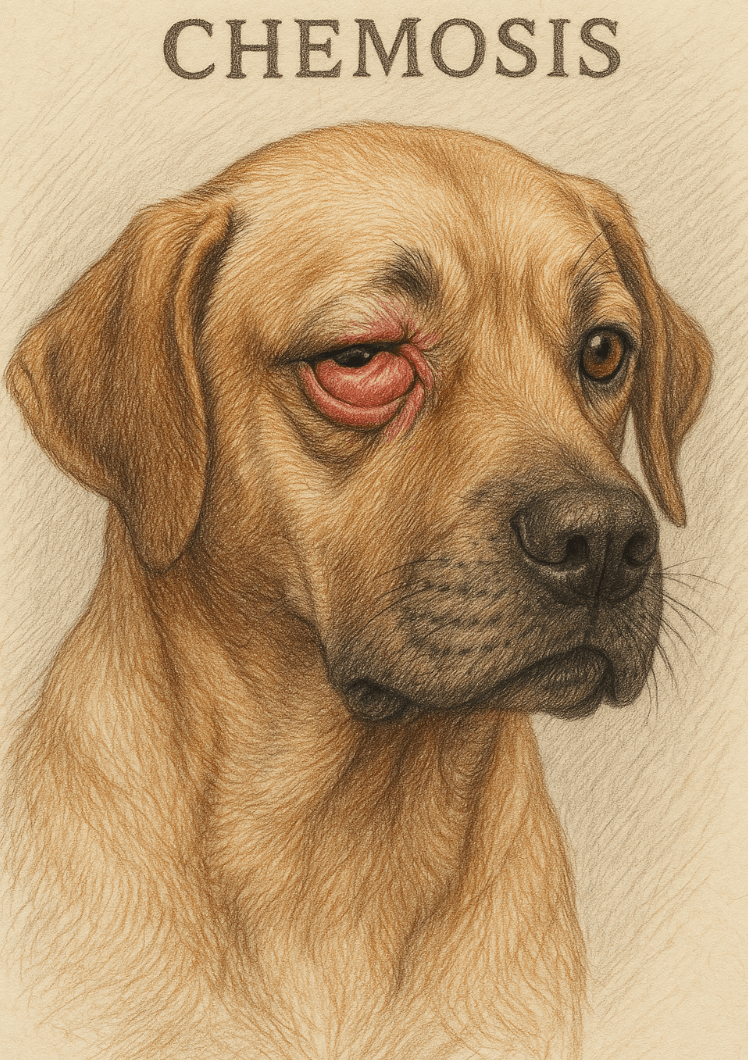
Chemosis in dogs refers to the swelling or edema of the conjunctiva, the thin, transparent membrane that covers the white part of the eye. This condition can be alarming for pet owners, as it often causes the eye to appear puffy, red, or even bulging. While chemosis itself is not a disease but rather a symptom of an underlying issue, it requires prompt attention to prevent complications such as discomfort, vision problems, or further damage to the eye.
In this blog post, we’ll explore the causes, symptoms, and treatment options for chemosis in dogs, along with tips for prevention and care. Whether you’re a concerned dog owner or simply curious about canine eye health, this guide will provide valuable insights into managing this condition effectively.
Common Causes of Chemosis in Dogs
Chemosis can arise from a variety of factors, ranging from minor irritations to more serious medical conditions. Understanding the potential causes can help you identify and address the issue promptly.
Allergic Reactions:
Allergies to pollen, dust, or certain foods can trigger inflammation in the conjunctiva, leading to chemosis.Trauma or Injury:
Scratches, foreign objects, or blunt force trauma to the eye can cause swelling and irritation of the conjunctiva.Infections:
Bacterial or viral infections, such as conjunctivitis, can result in chemosis as part of the body’s inflammatory response.Systemic Diseases:
Conditions like hypothyroidism or immune-mediated diseases may contribute to eye swelling and chemosis.Environmental Irritants:
Exposure to smoke, chemicals, or strong winds can irritate the eyes and lead to temporary chemosis.
Identifying the root cause of chemosis is essential for effective treatment and recovery.
Symptoms of Chemosis in Dogs
Recognizing the signs of chemosis early can help ensure timely intervention and prevent complications. Here are some common symptoms to watch for:
Swollen Conjunctiva:
The most noticeable sign is the swollen, gelatinous appearance of the conjunctiva covering the white part of the eye.Redness and Irritation:
The affected eye may appear red and inflamed, often accompanied by visible discomfort.Excessive Tearing or Discharge:
Watery eyes or abnormal discharge, such as pus or mucus, may indicate an underlying infection.Squinting or Blinking Frequently:
Dogs with chemosis often squint or blink excessively due to pain or sensitivity to light.Rubbing or Pawing at the Eye:
Affected dogs may rub their face against surfaces or paw at the eye in an attempt to relieve irritation.
If you notice any of these symptoms, consult your veterinarian promptly to determine the cause and begin treatment.
Check this guide 👉Signs a Dog Eye Ulcer Is Healing: Best 7 Expert Tips!
Check this guide 👉Natural Remedy for Dog Eye Infection: Best 7 Tips!
Check this guide 👉Understanding Dog Eye Crust: Best 7 Health Tips!
Causes of Chemosis in Dogs | Treatment Options for Chemosis |
|---|---|
Allergic reactions | Antihistamines or anti-inflammatory medications |
Trauma or injury | Pain relief and protective eyewear |
Bacterial or viral infections | Antibiotics or antiviral treatments |
Systemic diseases | Addressing the underlying health condition |
Environmental irritants | Removing exposure to irritants and soothing eye drops |
Treatment Options for Chemosis in Dogs
The treatment for chemosis depends on its underlying cause. Here are some common approaches veterinarians may recommend to alleviate your dog’s symptoms and promote healing.
Anti-Inflammatory Medications:
Non-steroidal anti-inflammatory drugs (NSAIDs) or corticosteroids may be prescribed to reduce swelling and inflammation.Antibiotics or Antivirals:
If an infection is present, your vet may prescribe medications to target the specific bacteria or virus causing the issue.Eye Drops or Ointments:
Lubricating eye drops or medicated ointments can soothe irritation and protect the eye while it heals.Allergy Management:
For allergy-related chemosis, identifying and avoiding allergens, along with antihistamine therapy, can help manage symptoms.Protective Measures:
Using an Elizabethan collar (cone) or protective goggles prevents further irritation caused by rubbing or scratching.
Working closely with your veterinarian ensures the most effective treatment plan tailored to your dog’s needs.
Preventing Chemosis in Dogs
While not all cases of chemosis can be prevented, there are steps you can take to minimize the risk and keep your dog’s eyes healthy.
Regular Eye Check-Ups:
Schedule routine veterinary exams to monitor your dog’s eye health and catch issues early.Avoiding Allergens:
Keep your home free of dust, pollen, and other allergens that could irritate your dog’s eyes.Supervising Outdoor Play:
Prevent injuries by supervising your dog during outdoor activities and keeping them away from sharp objects.Using Protective Gear:
Consider dog goggles if your pet spends time in windy or dusty environments to shield their eyes.Promptly Treating Infections:
Address any signs of infection, such as redness or discharge, immediately to prevent complications like chemosis.
Taking these preventive measures can significantly reduce the likelihood of chemosis and ensure your dog enjoys optimal eye health.
Signs That Chemosis Is Improving in Dogs
Monitoring your dog’s progress during treatment is crucial to ensure the condition is resolving as expected. Here are some positive signs that indicate improvement.
Reduced Swelling:
The conjunctiva begins to return to its normal appearance, with less puffiness and bulging.Decreased Redness:
The redness and inflammation around the eye gradually diminish over time.Improved Comfort Levels:
Your dog stops pawing at the eye or squinting excessively, indicating reduced pain or irritation.Normal Tear Production:
Excessive tearing subsides, and tear production returns to a healthy level.Clear Discharge:
Any abnormal discharge clears up, leaving only minimal, clear tears.
These signs suggest that treatment is working and your dog is on the path to recovery.
Potential Complications of Untreated Chemosis
Ignoring chemosis or delaying treatment can lead to serious complications that affect your dog’s overall health and well-being.
Corneal Ulcers:
Persistent swelling and irritation can damage the cornea, leading to painful ulcers.Vision Impairment:
Severe or prolonged chemosis may impact your dog’s ability to see clearly.Secondary Infections:
Untreated infections can spread, worsening the condition and requiring more aggressive treatment.Chronic Eye Issues:
Recurrent chemosis may develop into ongoing eye problems if the underlying cause isn’t addressed.Increased Pain and Discomfort:
Without treatment, your dog may experience prolonged suffering and stress.
Seeking veterinary care promptly minimizes the risk of these complications.
Home Care Tips for Managing Chemosis in Dogs
In addition to professional treatment, providing supportive care at home can aid your dog’s recovery and comfort.
Keep the Environment Clean:
Regularly clean your home to reduce allergens and irritants that could worsen chemosis.Administer Medications as Prescribed:
Follow your vet’s instructions carefully when giving eye drops or oral medications.Monitor for Changes:
Observe your dog’s eye daily for improvements or worsening symptoms to report to your vet.Limit Physical Activity:
Restrict vigorous play or activities that could strain the eyes during the healing process.Provide a Calm Space:
Create a quiet, stress-free environment to help your dog relax and recover comfortably.
These home care strategies complement veterinary treatment and support your dog’s healing journey.
Frequently Asked Questions About Chemosis in Dogs
What does chemosis look like in dogs?
Chemosis appears as swelling or puffiness of the conjunctiva, often making the eye look red or bulging.
Is chemosis painful for dogs?
Yes, chemosis can cause discomfort, irritation, and sensitivity to light, leading to squinting or pawing at the eye.
Can allergies cause chemosis in dogs?
Yes, allergic reactions are a common cause of chemosis, especially in dogs prone to environmental or food allergies.
How long does it take for chemosis to heal?
Healing time varies depending on the cause; mild cases may resolve within days, while severe cases may take weeks with proper treatment.
When should I see a vet for chemosis?
Consult your vet immediately if you notice persistent swelling, redness, discharge, or signs of pain in your dog’s eye.
Prioritizing Your Dog’s Eye Health
Chemosis in dogs may seem alarming, but with prompt diagnosis and appropriate treatment, most cases can be managed effectively. By understanding the causes, recognizing the symptoms, and taking preventive measures, you can ensure your dog’s eyes remain healthy and comfortable. Remember, your veterinarian is your best resource for addressing any concerns about your dog’s eye health. With proper care and attention, you can help your furry friend enjoy a lifetime of clear vision and happy, healthy eyes.
Keeping Your Dog Safe This Summer: Best 7 Expert Tips! – Learn how to protect your pup from heatstroke, dehydration, and more this summer. Stay safe!
When Was Cat Food Invented? Best 7 Expert Tips! – Discover the history, key milestones, and evolution of cat food from scraps to scientifically balanced diets.

When Was Dog Food Invented? Best 7 Expert Tips! – Discover the origins, evolution, and milestones of dog food, and how it transformed pet nutrition over time.
Kintamani Dutch Shepherd Mix: Best 7 Expert Tips! – Discover the perfect blend of loyalty, agility, and charm with this unique hybrid. Learn expert care tips now!