
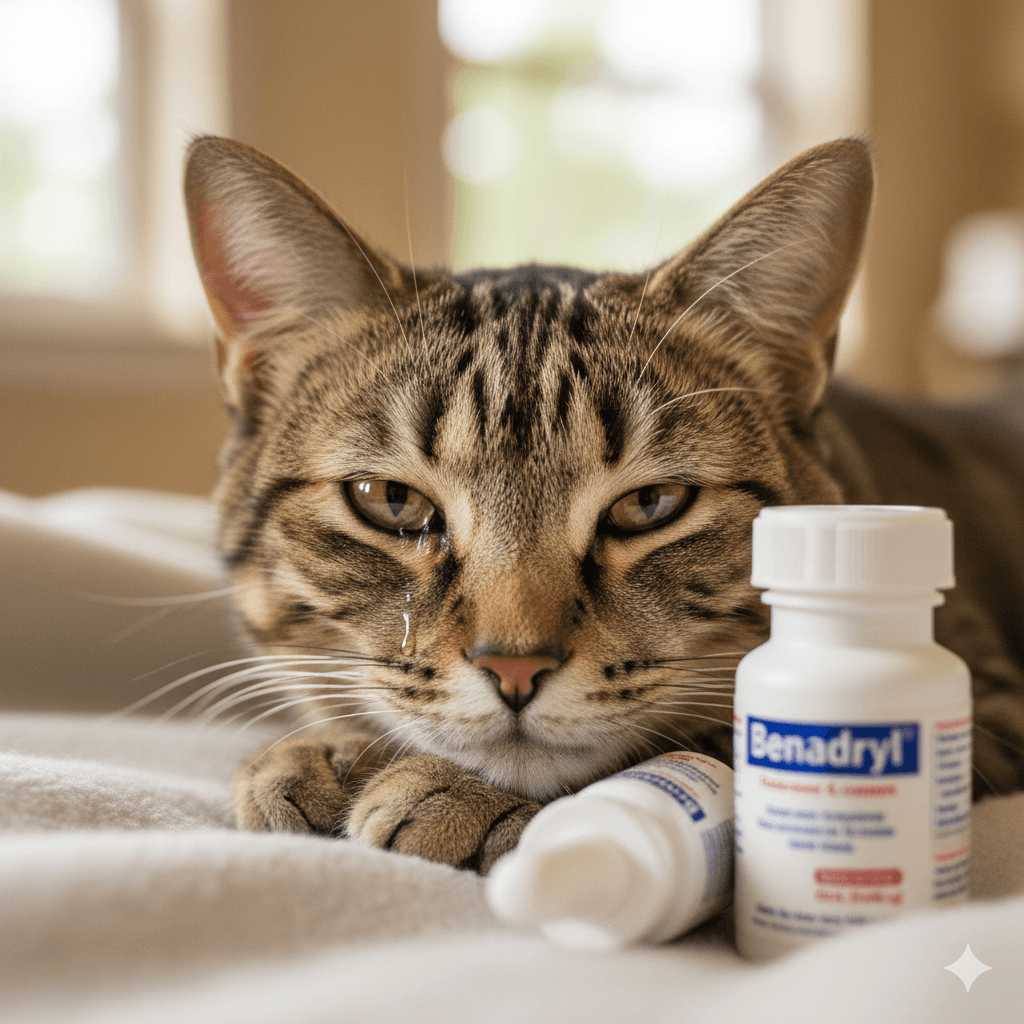

Understanding Cat Swollen Eye Benadryl: Best 7 Expert Tips!

Understanding Cat Swollen Eye Benadryl: Best 7 Expert Tips!

Understanding Cat Swollen Eye Benadryl

A swollen eye in your cat can be alarming—especially when you’re wondering if Benadryl might help. While this common antihistamine is sometimes used in pets, it’s not always safe or appropriate for feline eye issues. Swelling can stem from allergies, infections, injuries, or more serious conditions like glaucoma. Giving medication without a vet’s guidance may mask symptoms or worsen the problem. Understanding when Benadryl could be considered—and when it absolutely shouldn’t—is essential for your cat’s safety and swift recovery.

Common Causes of a Swollen Eye in Cats

Eye swelling in cats rarely has a single cause—it’s a signal that something is irritating or harming the delicate tissues around the eye. Identifying possible triggers helps you respond appropriately and avoid harmful assumptions:

 
  • Allergic Reactions:
    Pollen, dust, flea bites, or new foods can cause facial swelling, including around one or both eyes—often accompanied by itching or sneezing.
     
  • Conjunctivitis (Pink Eye):
    This inflammation of the eye lining is common in cats and may cause redness, discharge, and swelling, often due to viruses like feline herpes.
     
  • Trauma or Injury:
    Scratches from fights, foreign objects (like grass seeds), or blunt impact can lead to rapid swelling and discomfort.
     
  • Infections (Bacterial or Viral):
    Upper respiratory infections frequently cause eye involvement in cats, especially in multi-cat households or shelters.
     
  • Foreign Bodies or Irritants:
    Smoke, chemicals, or even stray eyelashes can trigger localized swelling and excessive blinking or pawing.
 

While mild allergies might respond to antihistamines, most eye swellings in cats require veterinary diagnosis before any treatment is given.

Understanding Cat Swollen Eye Benadryl: Best 7 Expert Tips!

Can You Give Benadryl for a Cat’s Swollen Eye?

Benadryl (diphenhydramine) is sometimes used in cats for allergies—but not as a first-line treatment for eye swelling. Its use depends entirely on the underlying cause, and giving it without professional advice can delay proper care or cause harm:

 
  • When It Might Be Considered:
    Only if a vet confirms the swelling is due to a mild allergic reaction and prescribes a precise, weight-based dose.
     
  • Risks of Self-Medication:
    Many Benadryl formulations contain xylitol, alcohol, or decongestants (like pseudoephedrine), which are toxic to cats—even in tiny amounts.
     
  • Ineffectiveness for Infections:
    Benadryl won’t treat bacterial conjunctivitis, herpesvirus, or corneal ulcers—conditions that worsen without antibiotics or antivirals.
     
  • Potential Side Effects:
    Cats may experience dry mouth, urinary retention, sedation, or—paradoxically—hyperactivity after taking diphenhydramine.
     
  • Delayed Diagnosis Danger:
    Masking symptoms with antihistamines could allow serious issues like glaucoma or uveitis to progress untreated.
 

Never give Benadryl to your cat without explicit veterinary instruction—especially for eye-related symptoms.

Safe Approaches
Risky Mistakes to Avoid
Call your vet at first sign of eye swelling
Giving human Benadryl without vet approval
Use a vet-prescribed antihistamine if allergic
Using multi-symptom cold formulas (often toxic)
Apply a clean, cool compress (if vet-approved)
Attempting to flush the eye with home remedies
Monitor for sneezing, nasal discharge, or fever
Assuming it’s “just allergies” without evaluation
Keep your cat indoors to prevent further irritation
Delaying care because swelling “looks mild”

Signs That Require Immediate Veterinary Attention

Not all eye swelling is an emergency—but some symptoms demand urgent care to save vision or prevent systemic illness. Know these red flags:

 
  • Cloudiness or Change in Eye Color:
    A bluish or milky appearance may indicate corneal damage or glaucoma, which can cause blindness within hours.
     
  • Squinting or Holding Eye Closed:
    This signals significant pain and possible ulceration—never ignore a cat that won’t open its eye fully.
     
  • Green or Yellow Discharge:
    Purulent discharge often points to bacterial infection, especially if paired with sneezing or lethargy.
     
  • Swelling in Both Eyes or Face:
    Suggests systemic illness (like calicivirus) or severe allergic reaction needing prompt intervention.
     
  • Rubbing or Pawing Aggressively:
    This can worsen injury or introduce secondary infection—use an E-collar if advised by your vet.
 

If you notice any of these, contact your veterinarian or an emergency clinic immediately—eye conditions in cats deteriorate quickly.

Safe At-Home Support While Awaiting Veterinary Care

While you shouldn’t medicate your cat without guidance, you can provide gentle comfort before the vet visit:

 
  • Limit Stress and Activity:
    Keep your cat in a quiet, dimly lit room to reduce eye strain and agitation during transport to the clinic.
     
  • Prevent Self-Trauma:
    If your cat is scratching, a soft E-collar (or even a baby T-shirt with paws through sleeves) can offer temporary protection.
     
  • Avoid Eye Drops or Ointments:
    Never use human or leftover pet eye meds—they could be harmful for the current condition.
     
  • Check for Other Symptoms:
    Note fever, appetite loss, or nasal discharge to help your vet make a faster diagnosis.
     
  • Prepare for the Vet Visit:
    Bring a carrier lined with a soft towel, and have recent photos of the swelling to show progression if needed.
 

These steps support your cat without interfering with professional treatment—safety first, always.

Why Cats React Differently to Antihistamines Than Dogs

Cats metabolize drugs very differently than dogs or humans, making many common medications risky. Benadryl is a prime example:

 
  • Slower Drug Processing:
    Feline livers lack certain enzymes, leading to prolonged drug effects and higher toxicity risk.
     
  • Narrow Therapeutic Window:
    The difference between a safe dose and an overdose is extremely small—precision is critical.
     
  • Unpredictable Responses:
    Some cats become sedated, while others get agitated or disoriented—making home use unreliable.
     
  • Allergies Are Less Common Than Assumed:
    True allergic eye swelling is rare in cats; infections or viral causes are far more likely.
     
  • Better Alternatives Exist:
    Vets often prefer safer, feline-specific antihistamines (like chlorpheniramine) or topical treatments for eye issues.
 

This biological reality means “what works for dogs” rarely applies to cats—especially with eye health.

Preventing Future Episodes of Eye Swelling in Cats

Once your cat recovers, focus on reducing recurrence through proactive care:

 
  • Keep Vaccinations Current:
    Core vaccines (FVRCP) protect against herpesvirus and calicivirus, leading causes of eye issues.
     
  • Control Fleas and Allergens:
    Use vet-approved preventatives and consider air purifiers if environmental allergies are suspected.
     
  • Regular Eye Checks:
    Gently wipe away minor discharge with a damp cloth and monitor for early redness or squinting.
     
  • Avoid Multi-Cat Conflict:
    Provide vertical space and separate resources to reduce fights that lead to eye injuries.
     
  • Never Share Medications:
    Store all human and pet drugs securely—accidental ingestion of Benadryl can be fatal.
 

Prevention combines hygiene, environment, and awareness—key to lifelong feline eye health.

Expert Tips for Safe Medication Use in Cats with Eye Issues

When it comes to treating eye swelling in cats, medication decisions should always prioritize safety, accuracy, and veterinary oversight. Cats are highly sensitive to many human drugs, so even well-intentioned treatments can backfire without proper guidance. Here are essential tips to ensure you’re supporting your cat responsibly:

 
  • Always Confirm the Ingredient:
    Only plain diphenhydramine (Benadryl) is ever considered—and even then, only if your vet approves. Avoid any formula with added decongestants, pain relievers, or alcohol.
     
  • Never Guess the Dose:
    Feline dosing is weight-specific and narrow; a single extra milligram can cause toxicity. Your vet must calculate the exact amount.
     
  • Prefer Topical Over Oral When Possible:
    For eye-specific issues, vet-prescribed eye drops or ointments target the problem directly with fewer systemic side effects than oral meds.
     
  • Watch for Adverse Reactions:
    Signs like excessive drooling, vomiting, tremors, or extreme lethargy after giving any medication require an immediate emergency visit.
     
  • Keep a Medication Log:
    Note the time, dose, and your cat’s response. This helps your vet adjust treatment and avoid dangerous interactions with future prescriptions.
 

Responsible medication use isn’t just about what you give—it’s about how, when, and why you give it. When in doubt, always pause and call your vet first.

Frequently Asked Questions About Cat Swollen Eye Benadryl

Can I give my cat children’s Benadryl for a swollen eye?

No—children’s formulations often contain alcohol or sweeteners toxic to cats. Even plain diphenhydramine should only be used under veterinary direction.

Dosage must be calculated by a vet based on weight and health status—typically 1–2 mg per kg, but never assume.

It can be. If accompanied by squinting, cloudiness, or discharge, seek vet care within 24 hours—or immediately if trauma is suspected.

Unlikely. Most feline conjunctivitis is viral or bacterial; antihistamines don’t treat infection and may delay healing.

Call your vet, keep your cat calm, and avoid touching the eye. Most cases need prescription eye drops or antivirals, not antihistamines.

Trust Your Vet—Not Home Remedies—When Eyes Are at Risk

Your cat’s eyes are precious, complex, and easily damaged. While the urge to help with familiar medications like Benadryl is understandable, feline physiology demands caution and professional guidance. Swollen eyes are rarely simple allergies—they’re often windows into deeper health issues that only a veterinarian can properly address. By responding with care, avoiding guesswork, and seeking expert help early, you give your cat the best chance at a full, comfortable recovery. Remember: in the world of cat health, gentle observation and a quick vet call are always wiser than well-intentioned but risky DIY treatment.

Understanding Cryptosporidium in Cats: Best 7 Expert Tips!

Understanding Cryptosporidium in Cats: Best 7 Expert Tips! – Spot symptoms, treat safely, and stop parasite spread in your home.

Understanding Cryptosporidium in Dogs: Best 7 Expert Tips!

Understanding Cryptosporidium in Dogs: Best 7 Expert Tips! – Learn symptoms, treatment & prevention for this stubborn gut parasite.

Understanding Syringomyelia in Cats: Best 7 Expert Tips!

Understanding Syringomyelia in Cats: Best 7 Expert Tips! – Recognize signs, manage pain, and support your cat’s neurological health with vet-backed guidance.

Understanding Syringomyelia in Dogs: Best 7 Expert Tips!

Understanding Syringomyelia in Dogs: Best 7 Expert Tips! – Expert insights on symptoms, MRI diagnosis, pain management & quality of life.

Leave a Reply

Your email address will not be published. Required fields are marked *


