
Understanding Cat Radiology: A Vital Tool for Feline Health
Cat radiology, or X-ray imaging, is a cornerstone of veterinary diagnostics, offering a non-invasive way to peer inside your feline companion’s body. Whether it’s uncovering hidden injuries, diagnosing chronic conditions, or guiding surgical procedures, radiology provides invaluable insights into your cat’s health. While the thought of your pet undergoing imaging may seem daunting, understanding the process and its benefits empowers you to make informed decisions about their care. With advancements in technology, cat radiology has become safer, faster, and more precise—ensuring accurate diagnoses and tailored treatment plans for every furry friend.
How Cat Radiology Works: The Science Behind X-Rays
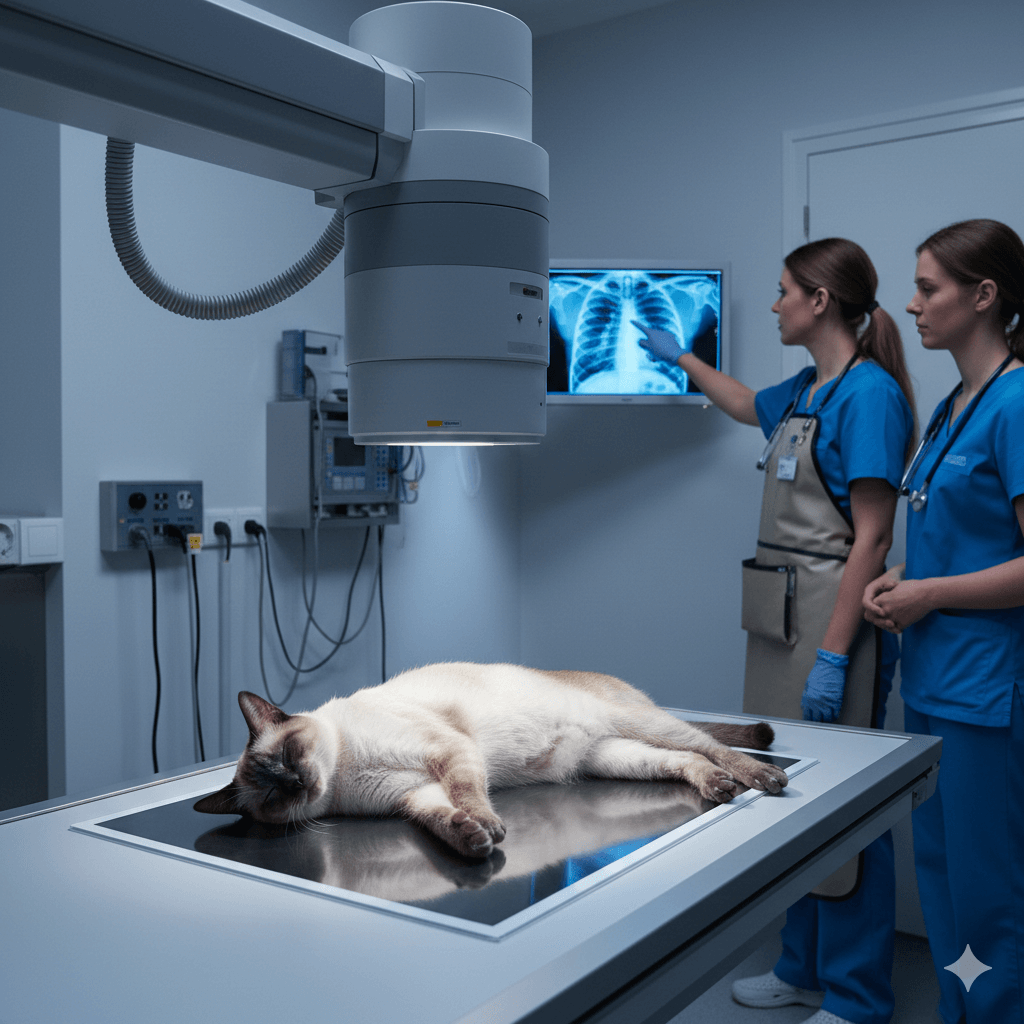
Cat radiology uses electromagnetic radiation to create detailed images of your cat’s internal structures, such as bones, organs, and tissues. This non-invasive diagnostic tool is widely used in veterinary medicine due to its speed, accuracy, and versatility. Understanding the science behind radiology helps pet owners appreciate its importance in diagnosing a wide range of conditions. From fractures to tumors, X-rays provide veterinarians with critical information for effective treatment planning.
- Electromagnetic Radiation:
X-rays pass through soft tissues but are absorbed by denser materials like bones, creating contrast in the resulting image. This allows veterinarians to identify abnormalities that aren’t visible externally. - Digital vs. Traditional Radiology:
Modern clinics use digital radiography, which produces clearer images faster than traditional film-based methods. Digital systems also reduce radiation exposure for both cats and staff. - Positioning During Imaging:
Cats are gently positioned on specialized tables or holders to ensure accurate imaging. Sedation may be required for anxious or uncooperative felines to minimize movement and blur. - Interpreting Results:
Veterinarians analyze X-ray images to detect issues like fractures, foreign objects, heart enlargement, or lung disease. Advanced training ensures precise interpretation and diagnosis. - Safety Protocols:
Strict safety measures protect cats from unnecessary radiation exposure, including lead shielding and minimal exposure times. Veterinarians prioritize your pet’s well-being throughout the process.
With advancements in technology, cat radiology has become an indispensable tool for early detection and intervention, ensuring better outcomes for our feline companions.
Common Conditions Diagnosed Through Cat Radiology
Radiology plays a crucial role in identifying various health issues in cats, ranging from minor injuries to life-threatening conditions. Early detection through X-rays often leads to more effective treatments and improved recovery chances. Here are some common conditions diagnosed using cat radiology.
- Fractures and Bone Injuries:
X-rays reveal breaks, cracks, or dislocations in bones, allowing veterinarians to assess severity and plan surgical or conservative treatments accordingly. - Foreign Body Ingestion:
Cats are curious creatures prone to swallowing small objects. Radiology helps locate these items and guides removal procedures to prevent intestinal blockages. - Respiratory Issues:
Conditions like pneumonia, asthma, or fluid buildup in the lungs can be identified through chest X-rays, enabling targeted therapies for respiratory distress. - Abdominal Abnormalities:
Radiology detects organ enlargement, tumors, bladder stones, or gastrointestinal obstructions, providing insights into underlying causes of symptoms like vomiting or lethargy. - Dental Problems:
Dental X-rays uncover hidden tooth decay, abscesses, or root infections beneath the gum line, ensuring comprehensive oral care for your cat.
These examples highlight how versatile and essential radiology is in diagnosing diverse feline health concerns.
Check this guide 👉Understanding Cat Oncology: Best 7 Expert Tips!
Check this guide 👉Laser Therapy for Cats: Best 7 Expert Tips!
Check this guide 👉Physical Therapy for Cats: Best 7 Expert Tips!
| Imaging Technique | Best Uses |
|---|---|
| Standard X-Rays | Fractures, lung issues, abdominal abnormalities |
| Ultrasound | Soft tissue evaluation (heart, liver, kidneys) |
| CT Scans | Complex fractures, nasal disease, tumors |
| MRI | Neurological conditions, brain/spinal cord injuries |
| Dental Radiography | Hidden tooth decay, root infections, fractures |
Benefits of Cat Radiology for Pet Owners
Cat radiology offers numerous advantages beyond just diagnosing illnesses. For pet owners, it provides peace of mind, cost-effective solutions, and faster recovery paths for their beloved companions. Understanding these benefits reinforces why radiology is a go-to diagnostic method in veterinary care.
- Quick Diagnosis:
Unlike other tests that require lab processing, X-rays deliver immediate results, speeding up decision-making and treatment initiation. - Non-Invasive Procedure:
Radiology avoids incisions or invasive techniques, reducing stress and discomfort for your cat during the diagnostic process. - Cost-Effective Solution:
Compared to advanced imaging methods like MRIs or CT scans, X-rays are relatively affordable while still providing highly useful information. - Guidance for Surgeries:
Pre-operative X-rays help surgeons plan procedures, minimizing risks and improving success rates for complex surgeries. - Monitoring Chronic Conditions:
For ongoing health issues like arthritis or cancer, repeated X-rays track progression and evaluate treatment effectiveness over time.
These benefits make cat radiology an invaluable asset in maintaining your cat’s long-term health and happiness.
Preparing Your Cat for Radiology Procedures
Proper preparation ensures smooth and successful radiology sessions for your cat. While veterinarians handle most aspects, pet owners play a vital role in calming their cats and following pre-procedure instructions. Here’s what you need to know to prepare your feline friend.
- Fasting Before Sedation:
If sedation is required, withholding food for 6–12 hours reduces the risk of aspiration during the procedure. Water is usually allowed until shortly before the appointment. - Comfort Items:
Bring familiar blankets or toys to comfort your cat at the clinic, helping them feel less anxious in unfamiliar surroundings. - Behavioral Training:
Teaching commands like “stay” or “calm” beforehand makes handling easier, especially if sedation isn’t necessary. - Discuss Medical History:
Inform the vet about allergies, medications, or past surgeries to tailor the procedure safely to your cat’s needs. - Stay Calm Yourself:
Cats pick up on their owner’s emotions; staying relaxed reassures them and reduces stress during the visit.
By preparing adequately, you contribute to a smoother experience and better outcomes for your cat.
Risks and Limitations of Cat Radiology
While cat radiology is generally safe, it does come with certain risks and limitations that pet owners should understand. Being aware of these factors ensures realistic expectations and informed decisions about your cat’s care.
- Radiation Exposure:
Although minimal, repeated X-rays carry a slight risk of cumulative radiation effects, particularly in young or senior cats. - Limited Soft Tissue Detail:
X-rays excel at imaging dense structures like bones but may miss subtle soft tissue abnormalities, requiring additional tests like ultrasounds or MRIs. - Sedation Risks:
Some cats require sedation for stillness during imaging, posing potential complications for animals with preexisting health conditions. - False Negatives:
Certain conditions, like early-stage cancers or mild infections, might not always appear clearly on X-rays, necessitating further diagnostics. - Cost Considerations:
While cheaper than advanced imaging, radiology costs can add up with multiple views or follow-up scans, impacting budget-conscious owners.
Despite these limitations, radiology remains a powerful and reliable diagnostic tool when used appropriately.
Advances in Cat Radiology Technology
Technological advancements have revolutionized cat radiology, making it safer, faster, and more accurate than ever before. These innovations enhance diagnostic capabilities and improve the overall experience for both pets and veterinarians.
- Digital Radiography Systems:
Digital X-rays produce high-resolution images instantly, eliminating the need for chemical processing and reducing wait times for results. - 3D Imaging Integration:
Some clinics combine X-rays with 3D modeling software to create detailed visualizations of complex fractures or tumors, aiding surgical planning. - Portable X-Ray Machines:
Mobile units allow veterinarians to perform radiology in-house or even during home visits, increasing accessibility for rural or immobile patients. - AI-Assisted Analysis:
Artificial intelligence tools assist veterinarians in interpreting X-rays, flagging anomalies, and improving diagnostic accuracy. - Reduced Radiation Doses:
New technologies minimize radiation exposure without compromising image quality, making the procedure safer for cats and veterinary staff.
These advancements ensure that cat radiology continues to evolve, offering cutting-edge solutions for modern veterinary care.
Types of Radiology Used in Cat Diagnostics
While traditional X-rays are the most common form of radiology, veterinarians may use other imaging techniques depending on the condition being investigated. Each type has unique advantages and applications, ensuring comprehensive diagnostic capabilities for feline patients. Understanding these options helps you appreciate the breadth of tools available to safeguard your cat’s health.
- Standard X-Rays:
These are ideal for visualizing bones, lungs, and abdominal organs, making them the first line of investigation for fractures, pneumonia, or intestinal blockages. - Ultrasound Imaging:
Ultrasound provides real-time images of soft tissues, such as the heart, liver, kidneys, and bladder, offering greater detail than X-rays for certain conditions like tumors or fluid accumulation. - CT Scans (Computed Tomography):
CT scans create detailed cross-sectional images, useful for complex cases like nasal disease, spinal injuries, or internal masses requiring precise localization. - MRI (Magnetic Resonance Imaging):
MRI is best suited for neurological issues, such as brain tumors or spinal cord injuries, providing unparalleled clarity of soft tissue structures without radiation exposure. - Dental Radiography:
Specialized dental X-rays capture images beneath the gumline, identifying hidden tooth decay, fractures, or abscesses that standard exams might miss.
By leveraging these diverse imaging modalities, veterinarians can tailor diagnostics to your cat’s specific needs, ensuring accurate and timely care.
“Imaging reports are official medicolegal documents, detailing the conduct and interpretation of imaging studies in patient care. They serve as the primary means of communication for radiologists and significantly influence clinical decisions.” – Peter V. Scrivani, DVM, DACVR
Frequently Asked Questions About Cat Radiology
Is radiology safe for my cat?
Yes—modern equipment and safety protocols ensure minimal radiation exposure, making X-rays a low-risk procedure.
Does my cat need sedation for X-rays?
Not always—calm and cooperative cats may not require sedation, but anxious or painful pets often benefit from light sedation.
How long does the procedure take?
Most radiology sessions last 15–30 minutes, depending on the complexity and number of images needed.
Will my cat feel pain during the X-ray?
No—radiology is painless and non-invasive, though positioning adjustments might cause brief discomfort for injured areas.
Can I stay with my cat during the procedure?
Typically, no—owners wait outside due to radiation safety regulations, but staff ensures your cat feels comfortable throughout.
Supporting Your Cat Through Diagnostic Care
Cat radiology is more than just a diagnostic tool—it’s a lifeline for understanding and addressing your feline companion’s health needs. Whether it’s uncovering a hidden fracture, diagnosing a chronic condition, or guiding life-saving surgery, radiology empowers veterinarians to provide the best possible care. As a pet owner, staying informed about the process and its benefits ensures you can make confident decisions during challenging times. Remember, early detection through imaging often leads to faster recovery and improved outcomes for your cat. By embracing advancements in veterinary technology and working closely with your vet, you give your furry friend the gift of a healthier, happier life.

Is Rawhide Bad for Cats? Best 7 Expert Tips! – Discover the risks, safe alternatives, and expert advice to keep your feline friend healthy and happy.

Is Rawhide Bad for Dogs? Best 7 Expert Tips! – Discover the risks, benefits, and safer alternatives to rawhides for your dog’s chewing needs.

Understanding Anorexia in Cats: Best 7 Expert Tips! – Learn why cats stop eating, spot warning signs, and discover how to help your feline regain appetite safely.

Understanding Anorexia in Dogs: Best 7 Expert Tips! – Learn causes, symptoms, and solutions to help your dog regain appetite and stay healthy.