Understanding Cat Inflammation Medicine: Best 7 Tips!

Understanding Cat Inflammation Medicine: Best 7 Tips!

Understanding Cat Inflammation Medicine: A Compassionate Approach to Feline Wellness

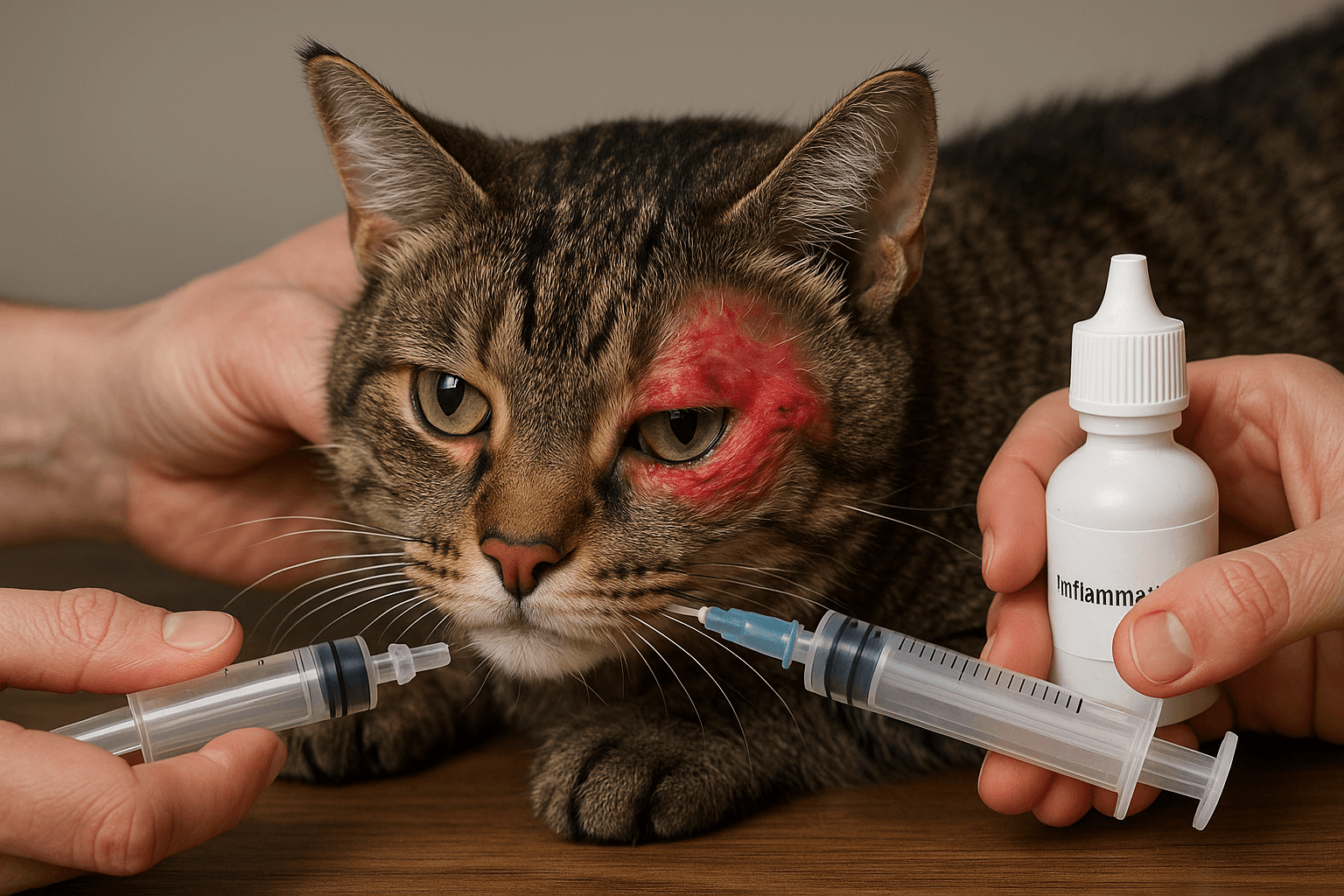
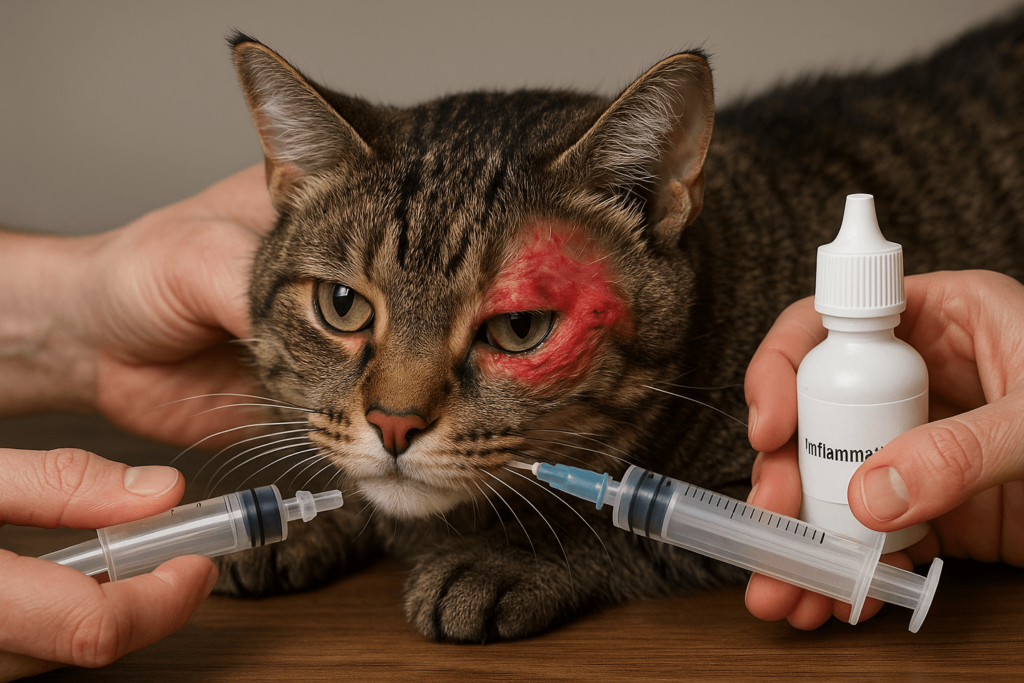
Inflammation is your cat’s body’s natural response to injury, infection, or irritation—but when it becomes chronic or uncontrolled, it can significantly impact their quality of life. While “cat inflammation medicine” may sound alarming, modern veterinary science offers safe, effective options to manage discomfort and support healing. This guide explores causes, treatment pathways, and holistic strategies to help your feline friend feel like themselves again—without compromising safety or comfort.

What Causes Inflammation in Cats?

Inflammation isn’t a disease—it’s a signal. Your cat’s immune system uses it to fight threats and begin healing. However, persistent or inappropriate inflammation can stem from various underlying conditions.

 
  • Infections:
    Bacterial, viral, or fungal infections (like upper respiratory illnesses or urinary tract infections) commonly trigger inflammatory responses.

  • Injuries or Trauma:
    Cuts, sprains, or even dental disease can cause localized swelling, redness, and pain.

  • Allergies:
    Environmental or food allergies often manifest as skin inflammation, itchy ears, or gastrointestinal upset.

  • Autoimmune Disorders:
    Conditions like feline asthma or inflammatory bowel disease (IBD) occur when the immune system mistakenly attacks healthy tissue.

  • Chronic Conditions:
    Arthritis, pancreatitis, or kidney disease frequently involve low-grade, systemic inflammation over time.


Recognizing these root causes is the first step toward choosing the right support—whether medical, dietary, or environmental—for your cat’s unique needs.

Understanding Cat Inflammation Medicine: Best 7 Tips!

Common Signs Your Cat May Be Suffering from Inflammation

Cats are masters at hiding discomfort, but subtle changes in behavior or appearance can reveal underlying inflammation.

 
  • Lethargy or Reduced Activity:
    A once playful cat who now naps more than usual may be conserving energy due to pain or malaise.

  • Changes in Appetite:
    Reluctance to eat, especially dry food, can signal dental pain or gastrointestinal inflammation.

  • Excessive Grooming or Scratching:
    Overgrooming one area—often the belly or legs—may indicate skin inflammation or nerve irritation.

  • Limping or Stiff Movement:
    Joint inflammation from arthritis often shows as stiffness after rest or difficulty jumping.

  • Vomiting or Diarrhea:
    Chronic GI inflammation, as seen in IBD, frequently presents with digestive upset.


If you notice any of these signs persisting for more than a day or two, a veterinary consultation is essential. Early intervention can prevent complications.

Conventional Medications Natural Support Options
NSAIDs (e.g., meloxicam – veterinary-only) Omega-3 fatty acids (fish oil)
Corticosteroids (e.g., prednisolone) Turmeric (curcumin, vet-approved formulations)
Antibiotics (for infection-driven inflammation) Probiotics for gut health
Immunosuppressants (for autoimmune cases) CBD oil (where legal and vet-recommended)
Pain relievers (used cautiously under supervision) Hydration and anti-inflammatory diets

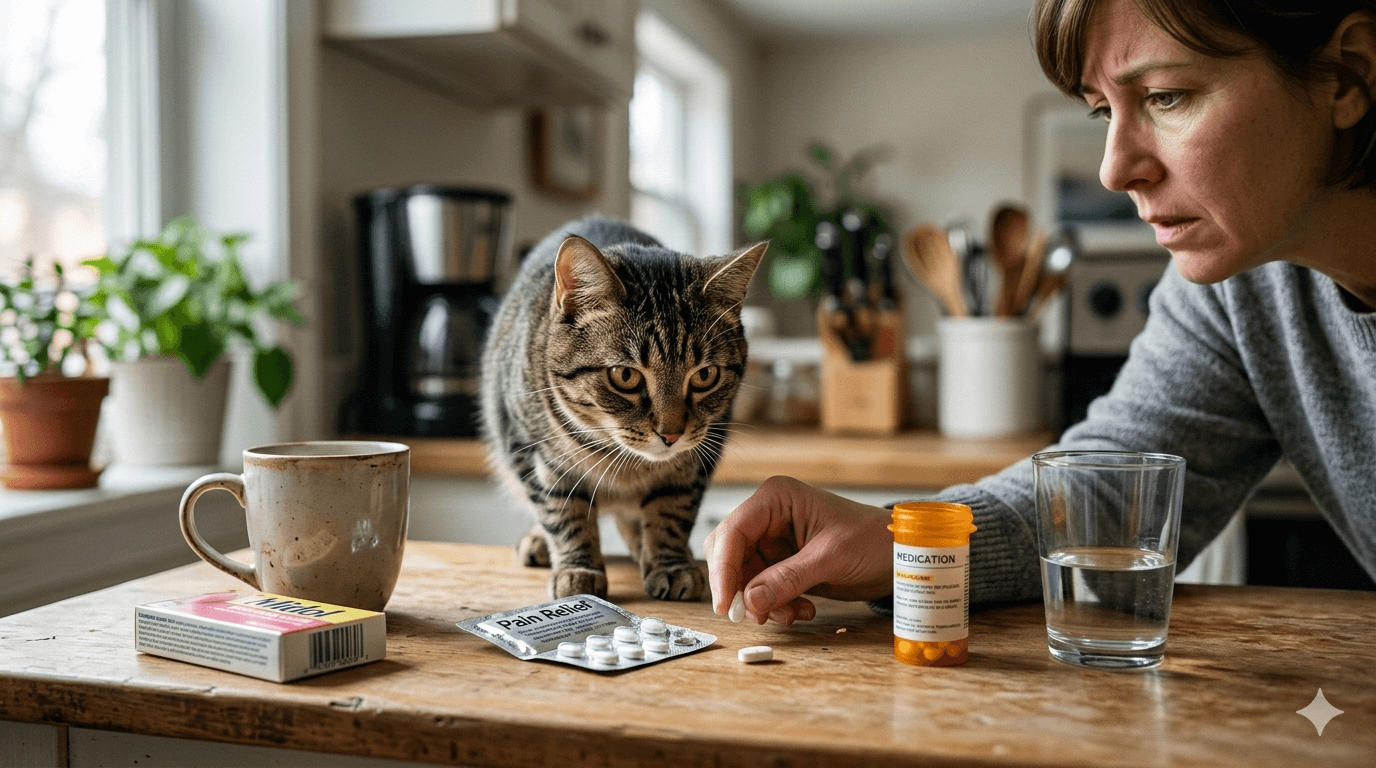
Why You Should Never Give Human Medication to Cats

It’s tempting to reach for your own medicine cabinet—but many human anti-inflammatories are deadly toxic to cats.

 
  • Ibuprofen and Acetaminophen:
    Even a tiny dose can cause kidney failure, liver damage, or fatal anemia in cats due to their unique metabolism.

  • Aspirin:
    Though occasionally used under strict veterinary guidance, it has a very narrow safety margin and can cause stomach ulcers or bleeding.

  • NSAIDs (like naproxen):
    These have no safe dose for cats and can lead to rapid organ shutdown.

  • Essential Oils or Herbal Remedies:
    Many “natural” human supplements contain compounds cats cannot process, such as phenols or terpenes.

  • Unverified Online Remedies:
    Social media trends often overlook species-specific biology—what helps a dog or human may harm a cat.


Always consult your veterinarian before administering any substance. Your cat’s physiology is not a small version of yours—it’s entirely different.

Veterinary-Approved Medications for Feline Inflammation

When inflammation requires pharmaceutical intervention, veterinarians rely on a limited but effective arsenal designed specifically for cats.

 
  • Meloxicam (Metacam):
    A veterinary NSAID used short-term for pain and inflammation, especially post-surgery or in arthritis—never for long-term use without monitoring.

  • Prednisolone:
    A corticosteroid that powerfully reduces immune-driven inflammation in conditions like asthma, IBD, or skin allergies.

  • Cyclosporine:
    An immunosuppressant used for chronic inflammatory skin conditions or when steroids aren’t suitable.

  • Gabapentin:
    While primarily a pain modulator, it also helps reduce neurogenic inflammation and anxiety-related tension.

  • Antibiotics like Clavamox:
    Used when inflammation stems from bacterial infection—never as a standalone anti-inflammatory.


These medications require prescriptions and regular blood work to ensure safety. Never adjust dosage without veterinary input.

Natural and Supportive Therapies to Reduce Inflammation

Alongside or sometimes instead of medication, integrative approaches can significantly lower inflammation and improve comfort.

 
  • High-Quality Omega-3 Supplements:
    EPA and DHA from fish oil modulate the immune response and are especially helpful for arthritis and skin conditions.

  • Anti-Inflammatory Diets:
    Grain-free, novel-protein, or hydrolyzed diets can reduce gut inflammation in cats with food sensitivities.

  • Hydration Optimization:
    Wet food and water fountains support kidney function and help flush inflammatory byproducts.

  • Stress Reduction:
    Calm environments, pheromone diffusers (Feliway), and routine minimize stress-induced inflammation.

  • Gentle Exercise & Warmth:
    Short play sessions and heated beds improve circulation and joint mobility in senior or arthritic cats.


These strategies work best as part of a holistic plan—discuss them with your vet to ensure they complement any prescribed treatment.

How to Monitor Your Cat’s Response to Inflammation Treatment

Tracking progress helps you and your vet determine if a treatment is working—or if adjustments are needed.

 
  • Keep a Daily Symptom Journal:
    Note energy levels, appetite, litter box habits, and behavior changes.

  • Watch for Side Effects:
    Vomiting, diarrhea, increased thirst, or unusual lethargy may signal a reaction to medication.

  • Schedule Follow-Up Blood Tests:
    Especially when using long-term steroids or NSAIDs, to monitor liver and kidney values.

  • Review Medication Timing:
    Ensure doses are given consistently and with food if required to protect the stomach.

  • Assess Mobility or Comfort:
    Has your cat resumed favorite activities? Are they grooming normally?


Your observations are invaluable—cats can’t tell us how they feel, but their actions speak volumes.

When to Seek Emergency Care for Inflammatory Conditions

Some signs of inflammation require immediate veterinary attention.

 
  • Difficulty Breathing:
    Could indicate severe allergic reaction or feline asthma flare-up.

  • Swollen Face or Paws:
    Suggests acute allergic response or trauma.

  • Refusal to Eat for >24 Hours:
    Risk of hepatic lipidosis (fatty liver disease) increases rapidly in cats.

  • Collapse or Disorientation:
    May signal systemic infection, toxin exposure, or organ failure.

  • Bloody Vomit or Stool:
    Indicates severe GI inflammation or ulceration.


Never wait it out. In cats, “sudden” decline can happen within hours—early care saves lives.

Frequently Asked Questions About Cat Inflammation Medicine

Can I give my cat over-the-counter anti-inflammatory pills?

No. Most human NSAIDs (like ibuprofen) are toxic to cats. Only use medications prescribed by a veterinarian.

Steroids like prednisolone may show effects within 24 hours. NSAIDs or natural supplements can take 3–7 days.

Yes. Steroids can cause increased thirst, appetite, or diabetes risk. NSAIDs may affect kidneys. Always monitor closely.

In many cases, yes—especially for IBD, allergies, or mild arthritis. But severe cases usually need combined therapy.

Some studies show promise, but quality and dosage vary. Only use vet-formulated, THC-free products—and consult your vet first.

Supporting Your Cat’s Healing Journey with Care and Caution

Managing inflammation in cats isn’t just about medication—it’s about creating a healing environment rooted in observation, trust, and science. Whether your feline companion is battling arthritis, allergies, or a hidden infection, the right combination of veterinary guidance, nutritional support, and compassionate care can restore their comfort and spark. Always let your vet lead the treatment plan, but never underestimate your role as their advocate and guardian. With patience and informed choices, you can help your cat live not just longer, but better.

Newfoundland Dog Personality: Best 7 Expert Tips!

Newfoundland Dog Personality: Best 7 Expert Tips! – Discover the gentle, loyal, and protective nature of this giant breed perfect for families.

Can Hot Pavement Burn Your Cats Paws? Best 7 Expert Tips!

Can Hot Pavement Burn Your Cats Paws? Best 7 Expert Tips! – Learn how to protect your cat’s paws from hot surfaces and prevent painful burns this summer.

Can Hot Pavement Burn Your Dogs Paws? Best 7 Expert Tips!

Can Hot Pavement Burn Your Dogs Paws? Best 7 Expert Tips! – Learn how to protect your dog’s paws from hot surfaces and ensure safe summer walks.

Irish Wolfhound Size: Best 7 Expert Tips!

Irish Wolfhound Size: Best 7 Expert Tips! – Discover the ideal height, weight, and care tips for this majestic giant breed. Learn how to manage their impressive stature responsibly.

Leave a Reply

Your email address will not be published. Required fields are marked *