
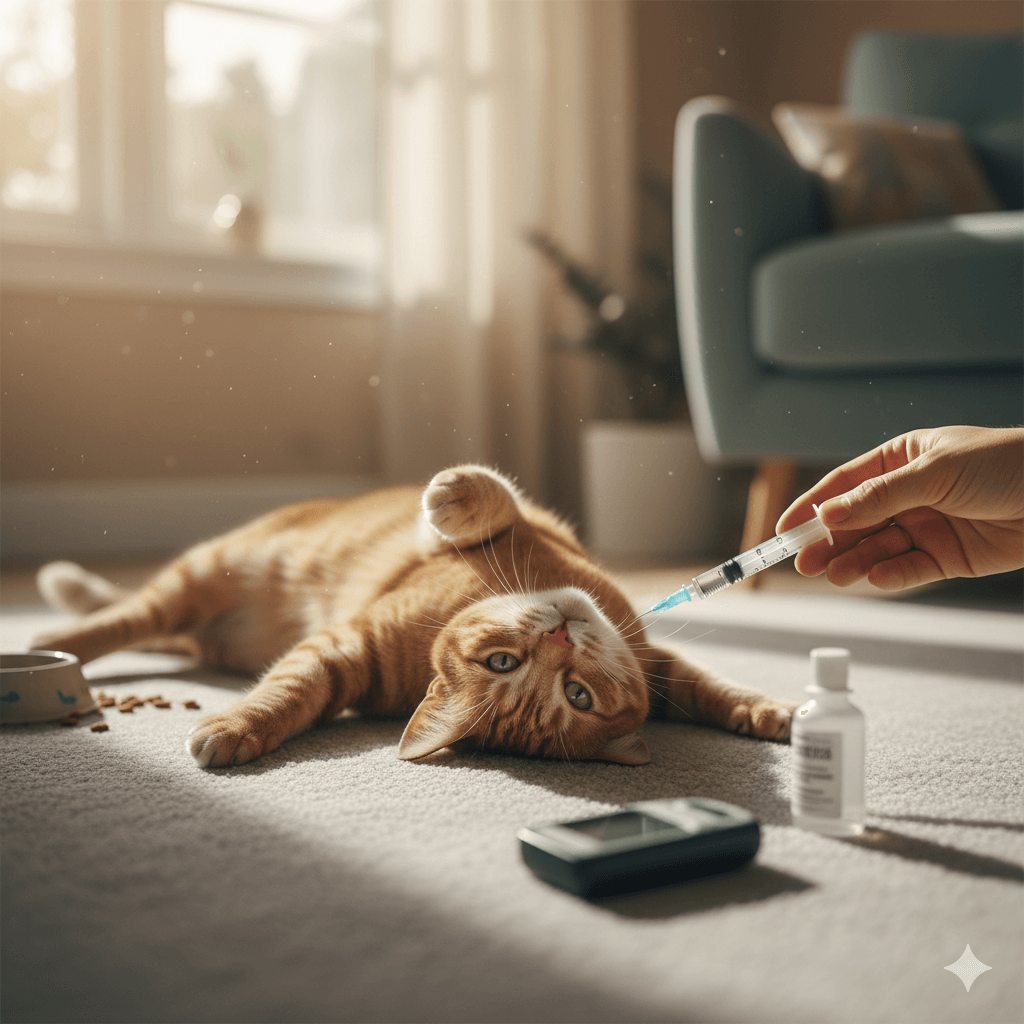

Understanding Cat Hypoglycemia Seizure
When your cat suddenly collapses, trembles, or loses consciousness, it can be terrifying—and one possible cause is hypoglycemia, or dangerously low blood sugar. While seizures in cats often point to neurological issues, a rapid drop in glucose can trigger similar, life-threatening episodes. Unlike other seizure causes, hypoglycemia can develop quickly due to insulin overdose, skipped meals, or underlying illness. Recognizing early signs and acting fast may mean the difference between a full recovery and a medical emergency. With prompt care and awareness, many cats bounce back—but prevention and vigilance are essential for at-risk felines.
Common Signs Your Cat May Be Experiencing Hypoglycemia
Hypoglycemia in cats doesn’t always lead straight to a seizure; often, subtle warning signs appear first. These symptoms reflect the brain’s urgent need for glucose and escalate rapidly if ignored. Watch closely for the following clues, especially in diabetic cats or those who’ve missed meals:
- Lethargy or Weakness:
Your cat may seem unusually tired, lie in one spot for hours, or struggle to stand—often one of the earliest red flags. - Muscle Twitching or Tremors:
Fine tremors, especially around the face or limbs, can precede full-body convulsions as nerve function falters. - Disorientation or Confusion:
Staring blankly, bumping into walls, or failing to respond to their name may indicate neurological distress from low sugar. - Excessive Salivation or Drooling:
Unusual drooling without dental issues can signal autonomic nervous system imbalance during hypoglycemia. - Voracious Hunger or Complete Food Refusal:
Some cats desperately seek food, while others lose all interest—both are abnormal reactions tied to glucose crisis.
If untreated, these symptoms can progress within minutes to seizures, coma, or even death—making immediate intervention critical.
When a Seizure Strikes: Recognizing Hypoglycemia-Induced Episodes
Not all seizures look alike, but those triggered by low blood sugar often have distinguishing features compared to epilepsy or toxin exposure. Knowing what to observe helps you relay accurate details to your vet during an emergency:
- Sudden Onset Without Warning:
Hypoglycemic seizures often strike abruptly, with little to no aura phase (the “pre-ictal” behavior seen in epileptic cats). - Generalized Convulsions:
Full-body stiffening, paddling limbs, jaw chomping, and loss of bladder control are common during the active phase. - Rapid Recovery (If Treated):
Unlike some neurological seizures, hypoglycemic episodes often resolve quickly once sugar is restored—sometimes within minutes. - Post-Seizure Disorientation:
After the episode, your cat may seem dazed, blind, or unsteady, but this “post-ictal” phase typically shortens with proper glucose support. - Recurrence if Glucose Isn’t Addressed:
Without intervention, seizures may repeat every 15–30 minutes as blood sugar continues to drop.
This pattern underscores why suspected hypoglycemia demands immediate action—not just observation.
Check this guide 👉Understanding Cat Seizure Foaming at Mouth: Best 7 Tips!
Check this guide 👉Understanding Cat Panic Attack Seizure: Best 7 Expert Tips!
Check this guide 👉Cat Seizures Causes: Best 7 Expert Tips!
Early Hypoglycemia Signs | Severe or Seizure-Stage Symptoms |
|---|---|
Weakness or wobbliness | Full-body convulsions |
Restlessness or pacing | Loss of consciousness |
Glassy or dilated eyes | Involuntary urination or defecation |
Vocalizing unusually | Rapid, shallow breathing |
Refusing treats they normally love | Coma or unresponsiveness |
Causes Behind Low Blood Sugar in Cats
Hypoglycemia rarely occurs without an underlying trigger. While diabetes management errors are the most common cause, several other factors can dangerously lower glucose levels—especially in kittens or sick cats:
- Insulin Overdose in Diabetic Cats:
A slightly too-high insulin dose, missed meal, or increased activity can tip a diabetic cat into crisis. - Prolonged Fasting or Anorexia:
Cats with liver disease, pancreatitis, or severe infections may stop eating, depleting glucose reserves within hours. - Insulin-Secreting Tumors (Insulinomas):
Though rare in cats, these pancreatic tumors cause excessive insulin production, leading to recurrent hypoglycemia. - Sepsis or Severe Infection:
Systemic illness increases glucose consumption while impairing the liver’s ability to produce new sugar. - Kitten Vulnerability:
Young kittens have limited glycogen stores and immature metabolic systems—making them prone to “fading kitten syndrome” with hypoglycemia as a key factor.
Identifying the root cause is essential not just for emergency care but for preventing future episodes.
Emergency First Aid for Suspected Hypoglycemia
If you suspect your cat’s blood sugar is crashing—especially if they’re diabetic or acting abnormally—act immediately. Every minute counts, and home intervention can be life-saving before you reach the vet:
- Offer High-Carb Food Immediately:
If your cat is conscious and able to swallow, offer canned food, meat baby food (onion-free), or even honey-coated kibble. - Rub Sugar on Gums (If Unconscious):
Use corn syrup, honey, or sugar water on the gums or under the tongue—but never force liquid into an unresponsive cat’s mouth (risk of aspiration). - Keep Your Cat Warm and Calm:
Wrap them in a soft blanket; hypoglycemia can cause low body temperature, worsening the crisis. - Call Your Vet En Route:
Alert the clinic you’re coming—they may prepare IV dextrose or emergency protocols in advance. - Do Not Delay Transport:
Even if your cat seems to improve after sugar, they need veterinary assessment to stabilize and identify the cause.
This first-response window is your most powerful tool in preventing brain damage or fatality.
Prevention Strategies for At-Risk Cats
For diabetic cats or those with a history of low blood sugar, prevention is built into daily routines. Consistency, monitoring, and communication with your vet form the foundation of safety:
- Strict Feeding Schedule:
Feed meals at the same time insulin is given—never skip or delay food after injection. - Regular Blood Glucose Monitoring:
At-home testing (with vet guidance) helps catch trends before they become emergencies. - Emergency Kit Readiness:
Keep corn syrup, glucose gel, and vet contact info in an easily accessible “hypoglycemia kit.” - Avoid Sudden Activity Spikes:
Intense play after insulin can drop glucose—time exercise carefully around meals and meds. - Educate All Household Members:
Ensure everyone knows the signs of hypoglycemia and the emergency response steps.
Prevention isn’t about fear—it’s about empowering yourself to keep your cat stable, safe, and thriving.
Special Considerations for Diabetic Cats and Kittens
Two groups face the highest risk: diabetic adults on insulin and very young kittens. Each requires tailored vigilance due to their unique physiology and care needs:
- Diabetic Cats:
Even slight miscalculations in insulin dose or food intake can trigger crisis—work closely with your vet on dosing protocols. - Kittens Under 8 Weeks:
Their tiny bodies burn glucose rapidly; feed every 2–4 hours and monitor for chilling, weakness, or crying. - Cats with Concurrent Illness:
Infections, liver disease, or kidney issues alter metabolism—adjust insulin only under veterinary supervision during sickness. - “Brittle” Diabetics:
Some cats have highly variable glucose curves; these may need continuous glucose monitors (CGMs) for safety. - Stress-Induced Hypoglycemia:
Vet visits or changes in routine can suppress appetite—have a plan for sick-day feeding and insulin holds.
For these vulnerable cats, proactive care isn’t optional—it’s a lifeline.
What to Expect at the Veterinary Clinic
If your cat arrives in hypoglycemic crisis, the veterinary team will act swiftly to stabilize them while diagnosing the underlying issue:
- Immediate Blood Glucose Test:
A quick ear or paw prick confirms low sugar within seconds, guiding emergency treatment. - IV Dextrose Administration:
Severe cases receive intravenous glucose to restore brain function and prevent organ damage. - Comprehensive Blood Work:
Panels check liver, kidney, pancreatic, and electrolyte status to uncover hidden causes. - Hospitalization if Needed:
Unstable cats may stay for 24–48 hours for glucose monitoring and supportive care. - Insulin Dose Review:
For diabetic cats, the vet will reassess the current regimen and adjust based on recent logs and test results.
Your vet’s goal isn’t just to stop the seizure—it’s to ensure it never happens again.
Frequently Asked Questions About Cat Hypoglycemia Seizure
Can a non-diabetic cat have a hypoglycemia seizure?
Yes—especially kittens, cats with liver failure, sepsis, or insulin-producing tumors, though it’s less common than in diabetics.
How quickly can hypoglycemia develop in cats?
It can occur within 1–2 hours of a missed meal in a diabetic cat on insulin, or even faster in critically ill kittens.
Is honey safe to give during a seizure?
Only if the cat is conscious and swallowing. Never force anything into the mouth of a seizing or unconscious cat—risk of choking is high.
Can hypoglycemia cause permanent brain damage?
Yes, if prolonged. The brain relies entirely on glucose; more than 15–30 minutes of severe hypoglycemia can lead to lasting neurological deficits.
Should I reduce my cat’s insulin if they skip a meal?
Absolutely—always consult your vet before giving insulin if your cat hasn’t eaten. Many protocols recommend skipping the dose entirely.
Supporting Your Cat Through Crisis and Long-Term Care
Witnessing your cat seize from hypoglycemia is deeply unsettling—but with knowledge and preparation, you can turn fear into effective action. The key lies in understanding your cat’s unique risks, responding swiftly when warning signs appear, and partnering closely with your veterinary team for ongoing management. Whether your cat is diabetic, recovering from illness, or a fragile kitten, your attentiveness is their greatest protection. By honoring their vulnerability with consistent care, you not only prevent emergencies but also give them the stable, loving environment they need to heal and thrive. In the quiet moments after a crisis, remember: your calm presence is as healing as any medicine.
Understanding Bone Supplement for Cats: Best 7 Expert Tips! – Safe, vet-approved guidance for strong feline bones & balanced nutrition.
Bone Supplement for Dogs: Best 7 Expert Tips! – Expert guide to calcium, collagen & bone health for every life stage.
Understanding Can Cats Get Sunburn: Best 7 Expert Tips! – Protect your feline from UV damage with vet-backed prevention strategies.
How to Train a Seizure Alert Dog: Best 7 Expert Tips! – Learn expert-backed steps to nurture natural instincts into reliable, life-saving seizure alerts.


