
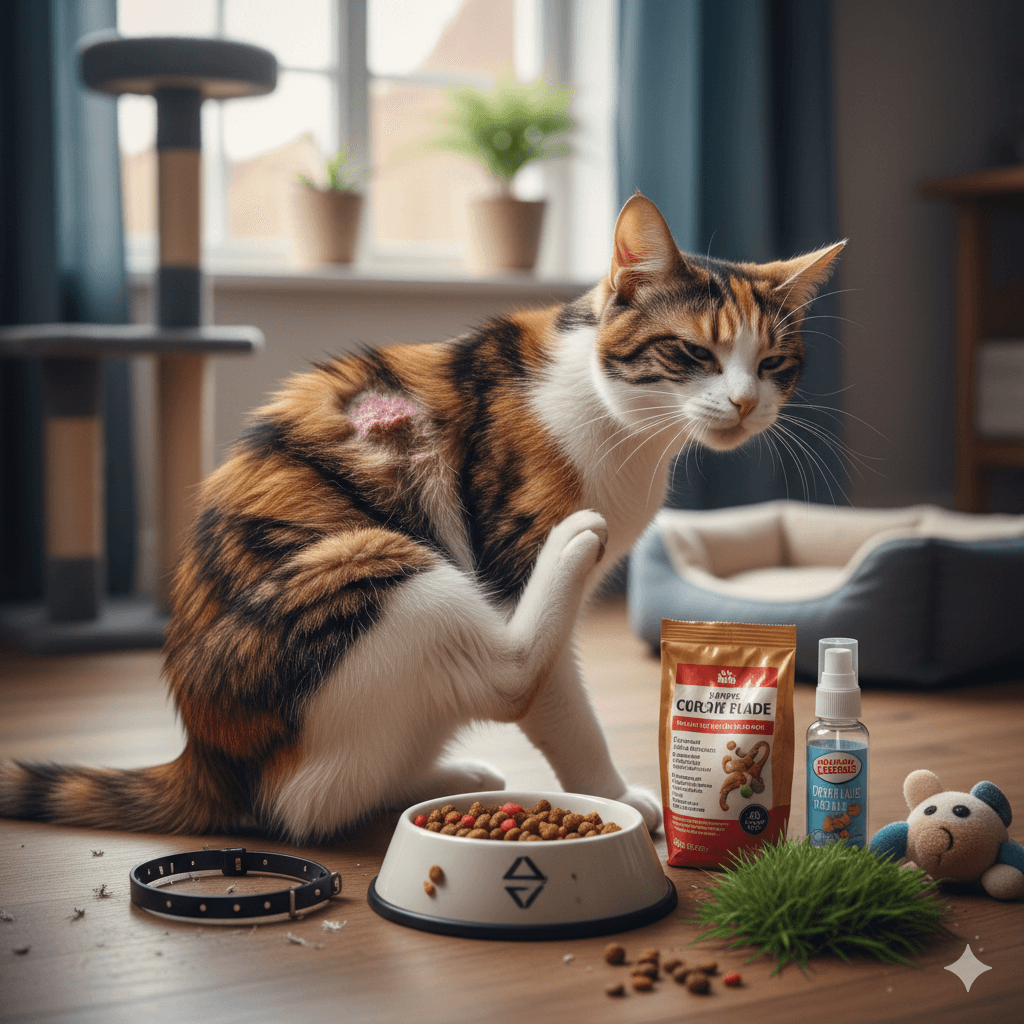

Understanding Cat Hot Spot Causes: Best 7 Expert Tips!
If your feline friend is obsessively licking, biting, or scratching a specific area, they may be dealing with hot spots—painful, inflamed patches of skin. Also known as acute moist dermatitis, these irritated areas can escalate quickly if left untreated. While cats are generally meticulous groomers, excessive attention to one spot often signals an underlying issue. Identifying the root cause is key to soothing your cat’s discomfort and preventing future flare-ups. With proper care and vigilance, you can help your furry companion feel comfortable again.
Common Causes of Hot Spots in Cats
Hot spots in cats don’t appear out of nowhere—they’re typically a reaction to an underlying problem that disrupts their skin’s natural balance. From allergies to parasites, several factors can trigger this uncomfortable condition. Here are the most common culprits:
- Allergic Reactions:
Environmental allergens (pollen, dust mites) or food sensitivities can irritate your cat’s skin, prompting excessive grooming and leading to hot spots. - Flea Infestations:
Flea bites cause intense itching, especially in cats with flea allergy dermatitis. Constant scratching can break the skin, creating a breeding ground for infection. - Stress or Anxiety:
Cats under stress may overgroom themselves as a coping mechanism, damaging their skin and causing localized inflammation. - Bacterial or Fungal Infections:
Underlying skin infections, such as ringworm or bacterial overgrowth, can weaken the skin barrier and lead to hot spots. - Poor Hygiene or Matting:
Dirty fur or tightly matted hair traps moisture against the skin, creating irritation and setting the stage for hot spots.
Addressing the root cause is essential, as treating only the surface symptoms won’t prevent recurrence.
Symptoms That Accompany Cat Hot Spots
While the appearance of a hot spot is often alarming, other signs usually accompany it, giving clues about its severity and potential causes. Watch for these telltale indicators:
- Red, Inflamed Skin:
The affected area will look raw, swollen, and sometimes ooze pus or fluid due to infection. - Hair Loss Around the Area:
Excessive licking or chewing removes fur, leaving a bald patch surrounding the hot spot. - Foul Odor:
Bacterial infections often produce a distinct, unpleasant smell from the irritated skin. - Behavioral Changes:
Your cat may seem restless, agitated, or unusually focused on grooming one part of their body. - Pain or Sensitivity:
Touching or examining the area might elicit a strong reaction, indicating discomfort or tenderness.
Early detection helps minimize damage and speeds up recovery—so act promptly when you notice these signs.
Check this guide 👉If a Cat Has Heartworms Can It Be Cured? Best 7 Expert Tips!
Check this guide 👉How to Test Cat for Heartworm: Best 7 Expert Tips!
Check this guide 👉Can You Put Benadryl Cream on a Cat? Best 7 Expert Tips!
Hot Spot Triggers | Prevention Tips |
|---|---|
Fleas and ticks | Use vet-recommended flea prevention products year-round. |
Allergies | Conduct allergy testing and adjust diet or environment accordingly. |
Stress | Provide enrichment toys, safe spaces, and consistent routines. |
Skin infections | Schedule regular vet check-ups to catch issues early. |
Poor hygiene | Brush your cat regularly and check for mats or debris. |
How to Treat Hot Spots in Cats
Once a hot spot develops, immediate action is crucial to prevent worsening and ensure your cat heals comfortably. Treatment typically involves a combination of veterinary care and at-home management. Follow these steps for effective relief:
- Trim the Hair Around the Area:
Carefully clip away fur surrounding the hot spot to promote airflow and reduce moisture buildup. - Clean the Affected Skin:
Use a gentle, veterinarian-approved antiseptic solution to cleanse the area and remove debris or discharge. - Apply Medicated Ointments:
Topical treatments containing antibiotics or anti-inflammatory agents aid healing and fight infection. - Prevent Further Licking or Chewing:
Consider an Elizabethan collar (e-collar) to stop your cat from aggravating the wound during recovery. - Address Underlying Issues:
Work with your vet to identify and treat the primary cause—whether it’s fleas, allergies, or stress.
With consistent care, most hot spots heal within 7–10 days—but ongoing monitoring is essential to avoid relapse.
Preventing Hot Spots Through Proactive Care
An ounce of prevention is worth a pound of cure, especially when it comes to hot spots. Simple habits and regular maintenance go a long way toward keeping your cat’s skin healthy and irritation-free:
- Regular Grooming Sessions:
Brush your cat weekly (more for long-haired breeds) to prevent mats and distribute natural skin oils evenly. - Flea and Tick Control:
Use vet-prescribed preventive treatments to keep parasites at bay and protect sensitive skin. - Balanced Diet and Hydration:
Feed high-quality food rich in omega-3 fatty acids to support skin health and boost immunity. - Minimize Stressors:
Maintain a predictable routine and provide plenty of playtime to reduce anxiety-related behaviors like overgrooming. - Routine Vet Visits:
Annual check-ups allow your vet to spot early signs of skin issues or systemic problems before they worsen.
By staying proactive, you’ll not only prevent hot spots but also enhance your cat’s overall well-being.
Special Considerations for Senior or Sensitive Cats
Older cats or those with chronic conditions face higher risks of developing hot spots due to weakened immune systems or mobility challenges. Tailoring care to their unique needs ensures faster healing and fewer complications:
- Arthritic Cats:
Limited mobility may make grooming difficult, leading to matted fur or skin irritation—assist by brushing gently and inspecting hard-to-reach areas. - Overweight Cats:
Extra weight puts pressure on joints and makes self-grooming awkward, increasing the likelihood of skin problems in certain spots. - Diabetic Cats:
Diabetes impairs wound healing and increases susceptibility to infections—prompt treatment is critical for these pets. - Cats with Allergies:
Chronic allergy sufferers require specialized diets or medications to manage flare-ups that could lead to hot spots. - Indoor vs Outdoor Cats:
Outdoor cats encounter more environmental hazards, while indoor cats may develop hot spots from boredom-induced overgrooming.
For these vulnerable groups, even minor signs warrant swift veterinary attention to prevent escalation.
When to Seek Veterinary Help
Sometimes, home care isn’t enough, and professional intervention becomes necessary. Knowing when to consult your vet ensures your cat receives timely, appropriate treatment. Look out for these red flags:
- Spreading Infection:
If the hot spot grows larger or new lesions appear, it indicates an aggressive infection requiring stronger medication. - Persistent Itching or Pain:
Continued discomfort despite initial treatment suggests an unresolved underlying issue, such as undiagnosed allergies. - Lethargy or Loss of Appetite:
Systemic illness may manifest alongside skin problems—your vet can rule out serious conditions like autoimmune disorders. - Difficulty Healing:
Slow recovery could signal poor nutrition, diabetes, or another factor compromising your cat’s ability to heal. - Unusual Discharge or Odor:
Greenish-yellow pus or a foul smell points to advanced infection needing antibiotics or surgical cleaning.
Your vet will conduct tests, prescribe targeted therapies, and guide you through next steps for comprehensive care.
Common Causes of Hot Spots in Cats
Hot spots, or acute moist dermatitis, are not just a random occurrence—they’re often the result of an underlying issue that disrupts your cat’s skin health. Identifying the cause is crucial for effective treatment and prevention. Here are the most common triggers behind this uncomfortable condition:
- Allergies:
Food, environmental (pollen, dust mites), or flea allergies can irritate your cat’s skin, leading to excessive licking, chewing, or scratching that creates hot spots. - Parasite Infestations:
Fleas, ticks, or mites cause intense itching, and cats with flea allergy dermatitis are especially prone to developing hot spots from even a single bite. - Stress or Anxiety:
Cats under stress may overgroom as a coping mechanism, damaging their skin and creating inflamed, infected areas. - Bacterial or Fungal Infections:
Underlying infections like ringworm or bacterial overgrowth weaken the skin barrier, making it more susceptible to irritation and hot spot formation. - Poor Hygiene or Matted Fur:
Matted fur traps moisture against the skin, creating an ideal environment for irritation, inflammation, and subsequent hot spots.
By pinpointing and addressing the root cause, you can not only treat existing hot spots but also prevent future occurrences, ensuring your feline stays comfortable and healthy.
“Hot spots in cats are caused by a variety of underlying conditions, such as parasites or insects, allergies, stress, anxiety, or behavioral issues, and pain from trauma, injury, or disease.” — Barri J. Morrison, DVM
Frequently Asked Questions About Cat Hot Spots
What should I do if my cat has a hot spot?
Clean the area gently, trim surrounding hair, and apply a vet-approved topical treatment. Consult your vet if it doesn’t improve within 24–48 hours.
Can I use human creams like Neosporin on my cat’s hot spot?
No—many human products contain ingredients toxic to cats. Always use treatments specifically formulated for felines.
How can I stop my cat from licking the hot spot?
An Elizabethan collar (e-collar) is the most effective way to block access until the wound heals.
Are hot spots contagious between cats?
No, hot spots themselves aren’t contagious, but underlying causes like fleas or fungal infections can spread between animals.
Will my cat’s fur grow back after the hot spot heals?
Yes, fur typically regrows once the skin heals completely, though it may take several weeks depending on the severity of the lesion.
A Comfortable Cat is a Happy Cat
Hot spots are more than just a nuisance—they’re a sign that something’s amiss with your cat’s physical or emotional well-being. By addressing the root cause, providing diligent care, and maintaining a nurturing environment, you can eliminate discomfort and restore harmony to your pet’s life. Remember, every scratch or lick tells a story; listening closely ensures you meet your cat’s needs effectively. With patience and love, you’ll transform moments of distress into opportunities for deeper connection—and keep your feline friend feeling their best.
Is Rawhide Bad for Cats? Best 7 Expert Tips! – Discover the risks, safe alternatives, and expert advice to keep your feline friend healthy and happy.

Is Rawhide Bad for Dogs? Best 7 Expert Tips! – Discover the risks, benefits, and safer alternatives to rawhides for your dog’s chewing needs.

Understanding Anorexia in Cats: Best 7 Expert Tips! – Learn why cats stop eating, spot warning signs, and discover how to help your feline regain appetite safely.

Understanding Anorexia in Dogs: Best 7 Expert Tips! – Learn causes, symptoms, and solutions to help your dog regain appetite and stay healthy.