
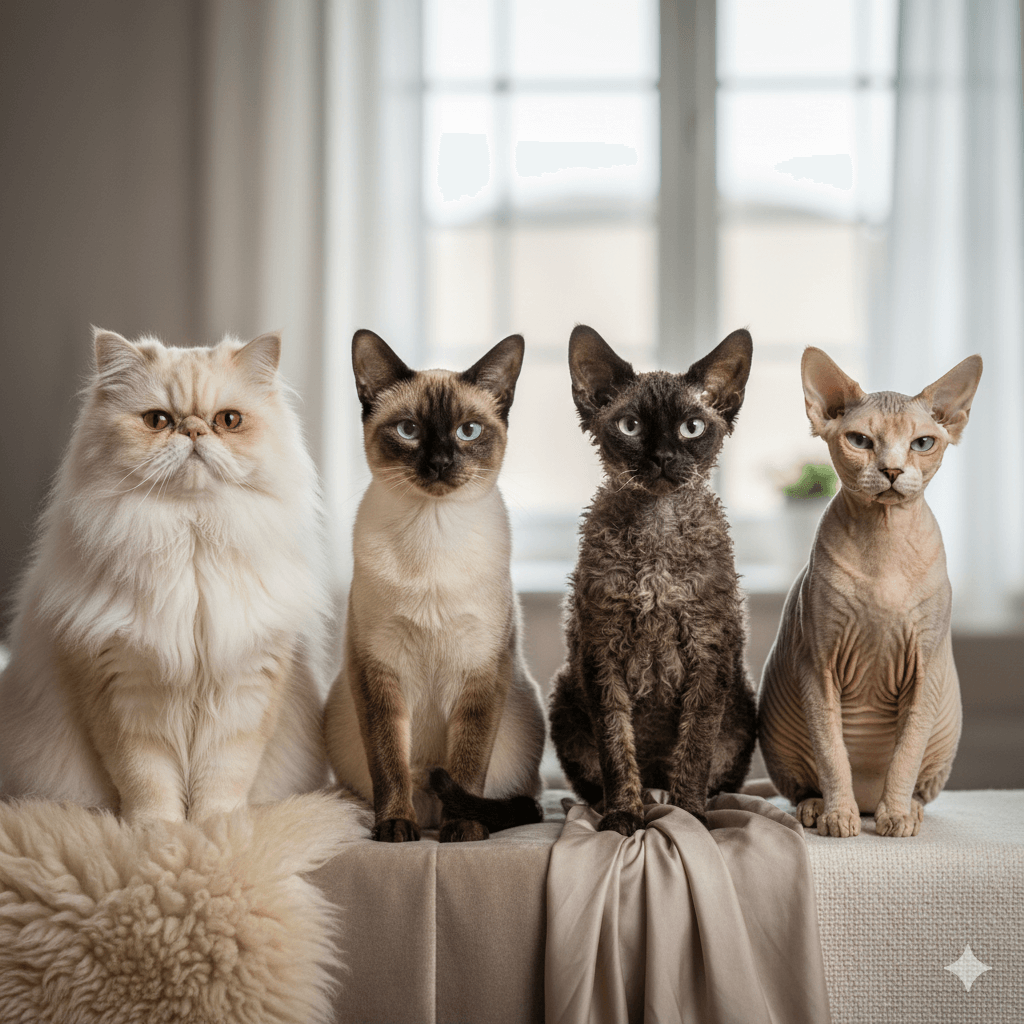

Understanding Cat Coat Types: Best 7 Expert Tips!
Cats come in an astonishing variety of coat types—each with its own texture, length, grooming needs, and charm. From the sleek shine of a short-haired tabby to the luxurious fluff of a Persian, your cat’s coat tells a story about their breed, ancestry, and daily care requirements. Recognizing these differences helps you provide the right grooming, diet, and comfort tailored to their specific fur. Whether you’re choosing a new feline friend or caring for your current companion, understanding coat types is key to their health and happiness. With the right knowledge, you’ll not only keep their coat glowing but also strengthen your bond through gentle, attentive care.
Common Categories of Feline Coat Length
Cat coats are primarily grouped by length, which directly influences grooming frequency and shedding patterns. These categories serve as a helpful starting point for tailoring your care routine:
- Short-Haired Coats:
Smooth, close-lying fur that’s low-maintenance and naturally sheds dirt—ideal for busy owners or warm climates. - Medium-Haired Coats:
Slightly longer fur with a soft undercoat, often featuring a ruff around the neck and fluffy tail; requires weekly brushing. - Long-Haired Coats:
Flowing, silky strands that can tangle easily; needs daily grooming to prevent mats and skin irritation. - Hairless Varieties:
Breeds like the Sphynx lack fur but still produce skin oils, requiring regular bathing to stay clean and healthy. - Curly or Wavy Coats:
Rare types like the Cornish or Devon Rex have soft, crimped fur that sheds minimally but feels delicate to the touch.
While length is the most obvious trait, the underlying texture and density play just as big a role in your cat’s comfort and care.
Distinctive Coat Textures and Their Characteristics
Beyond length, texture defines how a cat’s coat feels, behaves, and responds to environmental factors. These subtle differences affect everything from shedding to seasonal changes:
- Silky and Fine:
Seen in breeds like the Balinese, this smooth, lightweight fur drapes beautifully but can mat if neglected. - Dense and Woolly:
Norwegian Forest Cats have a thick double coat built for cold climates—water-resistant on top, insulating underneath. - Cottony or Plush:
The British Shorthair’s dense, rounded fur feels soft like plush fabric and resists tangling surprisingly well. - Coarse and Resilient:
Some shorthaired breeds, like the American Shorthair, have a tougher guard coat that repels dirt and moisture effectively. - Velvety and Short:
Rex breeds offer a unique, suede-like feel due to a genetic mutation that shortens and curls the hair shaft.
Understanding texture helps you choose the right brush, bathing frequency, and even indoor climate for your cat’s comfort.
Check this guide 👉Treatment for Cat Hair Loss: Best 7 Expert Tips!
Check this guide 👉Is Cat Hair Harmful During Pregnancy? Best 7 Expert Tips!
Check this guide 👉Cat Losing Hair on Back Legs: Best 7 Expert Tips!
Coat Type Overview | Grooming & Care Needs |
|---|---|
Short-haired (e.g., Domestic Shorthair) | Weekly brushing; minimal shedding control |
Medium-haired (e.g., Maine Coon) | Brush 2–3 times/week; seasonal shedding peaks |
Long-haired (e.g., Persian) | Daily combing; regular eye and rear-end cleaning |
Hairless (e.g., Sphynx) | Weekly bathing; sunscreen and warmth in winter |
Curly-coated (e.g., Devon Rex) | Gentle wiping; avoid over-bathing to preserve oils |
Seasonal Changes and Shedding Patterns
A cat’s coat isn’t static—it adapts with the seasons, especially in unspayed or outdoor cats. Recognizing these natural cycles prevents panic over sudden fur loss:
- Spring Blowouts:
Many cats shed heavily in spring to lose their winter undercoat, leading to noticeable tufts around the house. - Winter Thickening:
As days shorten and temperatures drop, cats grow a denser undercoat for insulation—even indoors, to some degree. - Hormonal Influence:
Intact cats often have more dramatic seasonal coats; spaying/neutering can reduce extreme shedding cycles. - Indoor vs. Outdoor Differences:
Indoor cats exposed to artificial light and stable temps may shed lightly year-round instead of in waves. - Stress-Related Shedding:
Sudden excessive shedding (not seasonal) can signal anxiety, illness, or poor nutrition—worth a vet check.
Regular grooming during peak seasons not only reduces hairballs but also strengthens your bond through calming touch.
Grooming Tools and Techniques by Coat Type
Using the right brush or comb makes all the difference in comfort and effectiveness. Match your tools to your cat’s specific fur to avoid skin irritation or fear:
- Slicker Brushes:
Ideal for medium to long coats; gently lift tangles without pulling the skin when used with light pressure. - Fine-Toothed Combs:
Perfect for short-haired cats or finishing touches on any breed to remove loose fur and distribute oils. - Wide-Toothed Detangling Combs:
Essential for longhairs to work through mats before they tighten—always start at the tip, not the root. - Chamois or Microfiber Cloths:
Great for curly-coated or hairless cats; buffs the skin or fur to a healthy shine without abrasion. - De-shedding Tools (Use Sparingly):
Helpful during seasonal blowouts but can over-strip oils if used too often—limit to once a week max.
Introduce grooming early and pair it with treats to build positive associations that last a lifetime.
Health Clues Hidden in Your Cat’s Coat
Your cat’s fur is a mirror of their internal health. Changes in shine, texture, or coverage often signal underlying issues long before other symptoms appear:
- Dull or Brittle Fur:
Can indicate poor nutrition, dehydration, or chronic conditions like kidney disease or thyroid imbalance. - Patchy Hair Loss:
May stem from allergies, parasites (like mites), fungal infections (e.g., ringworm), or stress-induced overgrooming. - Excessive Greasiness:
Especially near the tail base, this could point to hormonal issues or inadequate grooming in older or arthritic cats. - Dry, Flaky Skin:
Often linked to low humidity, poor diet (lacking omega fatty acids), or skin infections needing treatment. - Sudden Thinning:
In senior cats, this might reflect age-related changes—or early signs of endocrine disorders like hyperthyroidism.
Never ignore coat changes; they’re often your earliest window into your cat’s well-being.
Special Considerations for Multi-Cat Households
When you have more than one cat, coat types can interact in unexpected ways—especially during grooming or play. Managing differences thoughtfully reduces stress:
- Different Grooming Needs:
A longhair and a shorthair in the same home may need separate grooming schedules and tools to stay comfortable. - Cross-Grooming Behavior:
Cats often lick each other, but a shorthair may struggle to clean a longhair’s matted fur—or ingest too much loose hair. - Shedding Overload:
Multiple heavy shedders can overwhelm air filters and trigger allergies; consider HEPA purifiers and frequent vacuuming. - Resource Separation:
Provide individual brushing zones with calming scents to avoid territorial tension during grooming time. - Monitoring Individual Health:
In a group, it’s easy to miss one cat’s coat changes—schedule weekly “fur checks” for each feline.
Respecting each cat’s unique coat ensures every member of your furry family gets the care they truly need.
Essential Grooming Routine by Cat Coat Type
Tailoring your grooming approach to your cat’s specific coat type prevents discomfort, reduces shedding, and promotes skin health. A one-size-fits-all strategy rarely works—here’s how to care for each fur category with confidence:
- Short-Haired Cats:
Brush once a week with a fine-toothed comb or rubber grooming mitt to remove loose fur and distribute natural oils. - Medium-Haired Cats:
Use a slicker brush 2–3 times per week, focusing on the undercoat during seasonal shedding peaks in spring and fall. - Long-Haired Cats:
Comb daily with a wide-toothed metal comb, starting from the tips and working upward to gently prevent painful mats. - Hairless Cats:
Wipe skin weekly with a damp cloth and bathe every 1–2 weeks using a gentle, pH-balanced cat shampoo to remove oil buildup. - Curly-Coated Cats:
Avoid frequent bathing; instead, use a soft chamois to buff the coat and gently remove debris without stripping delicate skin oils.
Consistent, coat-appropriate grooming isn’t just about looks—it’s a vital part of your cat’s hygiene, comfort, and overall well-being.
Frequently Asked Questions About Cat Coat Types
Do all long-haired cats need daily grooming?
Most do—especially those with dense undercoats like Persians—but some, like the Turkish Angora, have single coats that tangle less and may need brushing every other day.
Can diet affect my cat’s coat quality?
Absolutely. Diets rich in omega-3 and omega-6 fatty acids (from fish oil or flaxseed) promote a shiny, soft, resilient coat and healthy skin.
Why does my short-haired cat shed so much?
Even shorthaired cats shed daily; peaks occur seasonally or due to stress, poor diet, or underlying health issues—monitor for changes in pattern.
Are hairless cats really hypoallergenic?
Not entirely. While they don’t shed fur, they still produce the Fel d 1 allergen in skin oils and saliva, which can trigger reactions in sensitive people.
Can I use human shampoo on my cat?
No—human shampoos are too harsh for feline skin pH and can strip essential oils, leading to dryness, irritation, or infection. Always use cat-specific products.
Celebrating the Beauty and Diversity of Feline Coats
Your cat’s coat is more than just fur—it’s a living expression of their breed, health, and personality. Whether it’s the cloud-like fluff of a Ragdoll or the sleek elegance of an Oriental Shorthair, each type invites you into a deeper relationship through touch, care, and observation. By understanding and honoring your cat’s unique coat needs, you do more than prevent mats or reduce shedding—you create moments of trust, comfort, and quiet connection. In the softness of their fur or the warmth of their skin, you’ll find not just beauty, but a language of love spoken without words. And that’s a bond no brush or comb can replicate—only nurture.
Most Popular Dog Breeds: Best 7 Expert Tips! From loyal family guardians to energetic urban companions, the world’s most popular dog breeds …
Understanding False Pregnancy in Cats: Best 7 Expert Tips! – Spot signs, support your cat, and know when to call the vet.
Can a Dog Have a False Pregnancy? Best 7 Expert Tips! – Recognize signs, manage symptoms, and learn prevention strategies for canine pseudopregnancy.
Best Seizure Alert Dog Breeds: Best 7 Expert Tips! – Discover the top breeds trained to detect & respond to seizures with loyalty and precision.


