
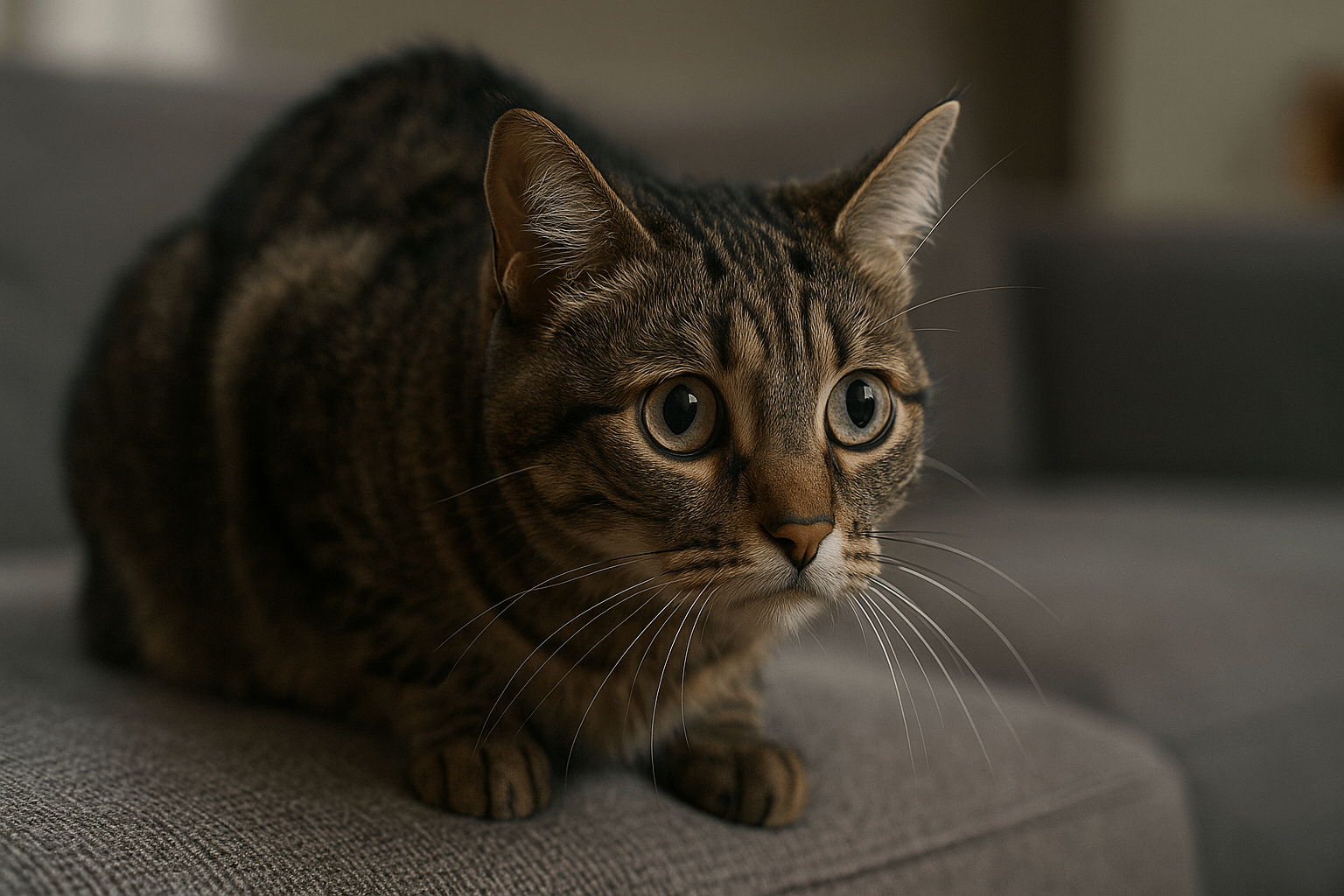
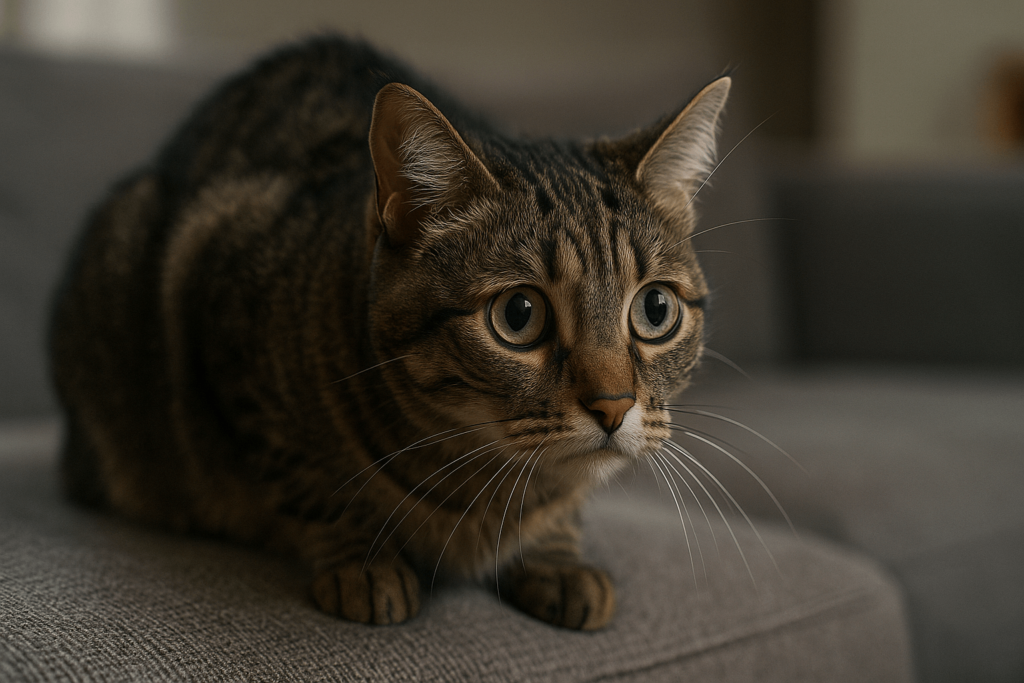

Understanding Cat Anxiety Behavior: Signs, Causes, and Calming Solutions
Cats may seem aloof, but they experience stress and anxiety just like humans—often in quiet, subtle ways. Recognizing cat anxiety behavior is the first step toward helping your feline feel safe, secure, and emotionally balanced. Left unaddressed, chronic anxiety can lead to physical illness, destructive habits, or withdrawal. In this guide, we’ll decode the hidden language of anxious cats and offer compassionate, effective strategies to restore their calm.
Common Signs of Cat Anxiety Behavior
Anxious cats rarely vocalize their distress—they show it through actions. Learning these signals allows you to intervene early and prevent long-term emotional strain.
Hiding More Than Usual:
If your cat retreats under furniture or avoids family members for extended periods, it may signal fear or stress.Excessive Grooming:
Over-licking to the point of bald patches (especially on legs or belly) is a classic sign of anxiety-driven behavior.Litter Box Avoidance:
Sudden urination or defecation outside the box—without medical cause—often reflects emotional unease.Aggression or Hissing:
Uncharacteristic swatting, growling, or hissing in response to touch or mild stimuli can indicate heightened anxiety.Restlessness or Pacing:
Cats may wander, meow softly, or seem unable to settle—especially at night—when feeling unsafe or overwhelmed.
These behaviors aren’t “bad habits”—they’re coping mechanisms. Responding with patience, not punishment, builds trust and emotional security.
Root Causes of Anxiety in Cats
Understanding what triggers cat anxiety behavior is essential for creating lasting calm. Stressors are often invisible to humans but deeply felt by cats.
Environmental Changes:
Moving homes, new furniture, or even rearranged rooms disrupt a cat’s sense of safety and routine.New People or Pets:
Introducing strangers, babies, or other animals can overwhelm a cat’s territorial instincts and social tolerance.Loud or Sudden Noises:
Fireworks, construction, thunderstorms, or vacuum cleaners can trigger acute fear responses.Past Trauma or Neglect:
Rescued or stray cats may carry deep-seated anxiety from previous hardship or abandonment.Lack of Stimulation or Routine:
Boredom, isolation, or inconsistent feeding/sleep schedules can create chronic low-grade anxiety.
Cats thrive on predictability. Even small disruptions can feel monumental from their perspective—so stability is key to emotional wellness.
Check this guide 👉 Cat Anxiety Treatment: Best 7 Expert Tips!
Check this guide 👉How to Deal with Cat Anxiety: Best 7 Expert Tips!
Check this guide 👉I Have Separation Anxiety from My Cat: Best 7 Tips!
| Anxiety Triggers | Behavioral Responses |
|---|---|
| Moving to a new home | Hiding, refusal to eat, vocalizing |
| Introduction of a new pet | Aggression, litter box avoidance |
| Loud noises (e.g., storms) | Trembling, clinging, escape attempts |
| Inconsistent daily routine | Pacing, over-grooming, clinginess |
| Medical pain or illness | Withdrawal, hissing when touched, appetite loss |
How to Create a Calming Environment for Anxious Cats
A peaceful home isn’t just quiet—it’s structured, predictable, and enriched with feline-friendly resources that promote security.
Designate Safe Zones:
Provide cozy hiding spots like covered beds, cardboard boxes, or elevated perches where your cat can observe without feeling exposed.Use Feliway Diffusers:
These plug-in pheromone diffusers mimic calming facial pheromones and reduce stress during transitions or high-anxiety periods.Maintain Consistent Routines:
Feed, play, and clean the litter box at the same times daily—predictability is deeply soothing for cats.Limit Access During Overstimulation:
If guests visit or construction occurs, give your cat a quiet room with food, water, and litter to retreat safely.Soft Lighting and Quiet Spaces:
Avoid harsh lights or loud TVs in resting areas; dim, calm environments signal safety.
Small environmental tweaks can yield dramatic improvements in your cat’s emotional state—sometimes within days.
Natural and Veterinary Solutions for Cat Anxiety
When environmental changes aren’t enough, gentle supplements or professional guidance can provide relief without sedation.
Calming Supplements:
Products with L-theanine, tryptophan, or alpha-casozepine (e.g., Zylkène) support relaxation without drowsiness.Weighted Blankets or Thundershirts:
Light compression garments can ease storm or travel anxiety by mimicking the comfort of being held.Veterinary Consultation:
For severe cases (e.g., self-mutilation, refusal to eat), a vet may prescribe short-term anti-anxiety medication.CBD Oil (Where Legal):
High-quality, THC-free CBD formulated for cats may reduce anxiety—but always consult your vet first.Behavioral Therapy:
Certified cat behaviorists can design desensitization plans for specific triggers like doorbells or car rides.
Never self-medicate your cat. Always partner with a veterinarian to ensure safety and effectiveness.
How Play and Enrichment Reduce Anxiety
Mental and physical engagement isn’t just fun—it’s therapeutic. Play mimics hunting, releases endorphins, and rebuilds confidence.
Daily Interactive Play Sessions:
Use wand toys for 10–15 minutes twice a day to simulate chase, pounce, and “kill” sequences—this fulfills instinctual needs.Puzzle Feeders:
Replace some meals with food-dispensing toys that challenge your cat’s problem-solving skills and reduce boredom.Window Perches with Bird Views:
“Cat TV” provides safe, passive stimulation that eases restlessness and curiosity.Rotating Toys Weekly:
Prevent toy fatigue by cycling through feather wands, crinkle balls, and treat balls to maintain interest.Clicker Training:
Teaching simple cues builds focus, trust, and a sense of control—powerful tools against helplessness-driven anxiety.
A mentally stimulated cat is far less likely to spiral into anxious behaviors. Make play a non-negotiable part of wellness.
Recognizing Medical vs. Behavioral Anxiety
Sometimes what looks like cat anxiety behavior is actually physical pain or illness—so always rule out medical causes first.
Arthritis or Dental Pain:
Cats in pain may hiss when touched, avoid jumping, or stop grooming—mistaken for fear or aggression.Hyperthyroidism or Cognitive Decline:
Older cats with these conditions often pace, vocalize at night, or seem confused—symptoms easily confused with anxiety.Urinary Tract Infections (UTIs):
Painful urination can cause litter box avoidance, which owners assume is stress—but it’s medical.Neurological Issues:
Seizures, vestibular disease, or brain tumors may manifest as disorientation or sudden behavioral shifts.Vision or Hearing Loss:
Sensory decline makes cats jumpy or defensive, as they can’t anticipate movement or sound.
A full veterinary exam—including bloodwork and urinalysis—is essential before labeling behavior as purely psychological.
Long-Term Strategies for Managing Chronic Anxiety
For cats with deep-rooted or persistent anxiety, consistency and compassion create lasting change over time.
Gradual Desensitization:
Slowly expose your cat to triggers (e.g., carrier, car) paired with treats to build positive associations.Avoid Forced Interaction:
Let your cat approach people or pets on their own terms—never force cuddles or socialization.Monitor Triggers in a Journal:
Track when anxiety behaviors occur to identify patterns (e.g., every Tuesday during lawn mowing).Maintain a Multi-Cat Harmony Plan:
In multi-cat homes, ensure each cat has their own resources (food bowls, litter boxes, beds) to prevent stress.Celebrate Small Progress:
One less hiding day, one more purr—these are victories. Healing anxiety is a journey, not a switch.
With time, trust, and tailored support, even the most anxious cat can learn to feel truly at home.
Frequently Asked Questions About Cat Anxiety Behavior
How can I tell if my cat is anxious or just shy?
Shy cats warm up slowly but remain curious; anxious cats show physical signs like over-grooming, hiding, or litter avoidance.
Can anxiety cause my cat to stop eating?
Yes. Stress suppresses appetite—especially during moves, vet visits, or household changes. Offer strong-smelling wet food and consult a vet if fasting lasts over 24 hours.
Do all cats show anxiety the same way?
No. Some become clingy; others withdraw. Some act out; others freeze. Observe your cat’s baseline to spot deviations.
Is it okay to comfort my anxious cat?
Yes—but on their terms. Let them come to you. Scooping them up during panic can increase fear.
How long does it take for a cat to adjust to a new home?
Most cats need 2–4 weeks to feel safe. Some take months. Provide a quiet room first, then expand access gradually.
Helping Your Cat Feel Safe, One Calm Moment at a Time
Anxiety doesn’t define your cat—it’s just a challenge they’re facing. By responding with empathy, structure, and science-backed care, you become their safe harbor. Remember: every purr, every slow blink, every voluntary head-butt is a vote of trust. Protect that trust, honor their instincts, and your bond will grow stronger than fear ever was.
Understanding Cryptosporidium in Cats: Best 7 Expert Tips! – Spot symptoms, treat safely, and stop parasite spread in your home.
Understanding Cryptosporidium in Dogs: Best 7 Expert Tips! – Learn symptoms, treatment & prevention for this stubborn gut parasite.
Understanding Syringomyelia in Cats: Best 7 Expert Tips! – Recognize signs, manage pain, and support your cat’s neurological health with vet-backed guidance.
Understanding Syringomyelia in Dogs: Best 7 Expert Tips! – Expert insights on symptoms, MRI diagnosis, pain management & quality of life.


