
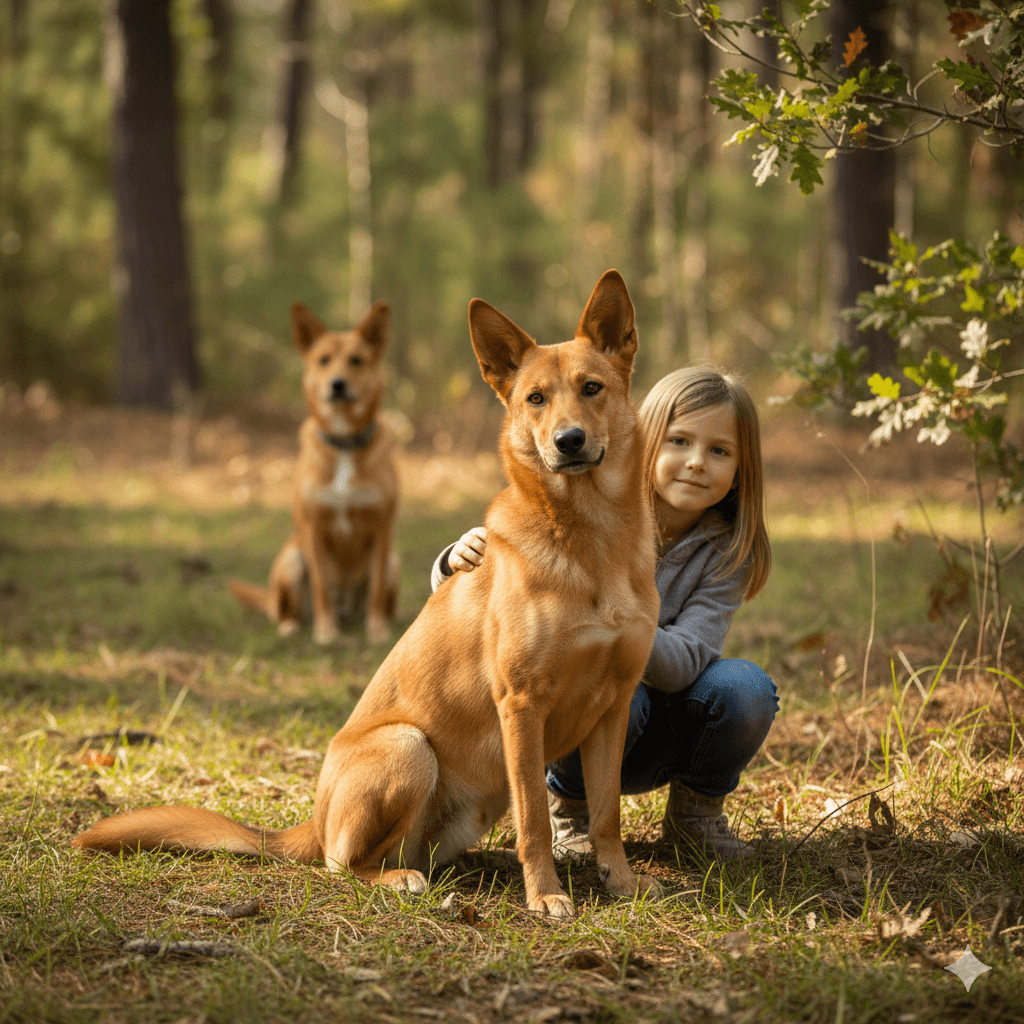

Understanding Carolina Dog Temperament: Best 7 Expert Tips!

Understanding Carolina Dog Temperament: Best 7 Expert Tips!

Understanding Carolina Dog Temperament

The Carolina Dog, often called the “American Dingo,” carries an air of quiet mystery and ancient wisdom. Naturally wary yet deeply loyal, this breed blends primitive instincts with surprising gentleness toward trusted humans. Bred by nature rather than human design, the Carolina Dog thrives on routine, observation, and a calm environment. While not overly demonstrative, its devotion runs deep—once it accepts you as part of its pack. Understanding its unique temperament is essential for anyone considering this rare, intelligent, and self-reliant companion.

Origins and Instincts Shaping Carolina Dog Temperament

Unlike most modern breeds, the Carolina Dog evolved through natural selection in the remote swamps and forests of the southeastern United States. This wild heritage profoundly influences its behavior and emotional responses—even in dogs raised from puppyhood in homes:

 
  • Primitive Survival Instincts:
    Carolina Dogs retain strong foraging, scent-tracking, and pack-oriented behaviors that reflect their feral origins.
     
  • Natural Wariness of Strangers:
    They tend to be reserved or cautious around unfamiliar people, not out of aggression but cautious observation.
     
  • Strong Pack Loyalty:
    Once bonded, they form deep, quiet attachments to family members and often shadow their chosen person.
     
  • Independent Problem-Solving:
    Bred to survive without human direction, they think for themselves—which can look like stubbornness but is actually self-reliance.
     
  • Low-Pitched, Infrequent Vocalization:
    Unlike many breeds, they rarely bark excessively; instead, they may howl, yodel, or stay silent when alert.
 

These traits aren’t flaws—they’re adaptations that helped the breed survive for centuries, and they remain central to the Carolina Dog’s identity today.

Understanding Carolina Dog Temperament: Best 7 Expert Tips!

Social Behavior and Interaction Styles

Carolina Dogs don’t follow the typical “friendly to all” script of many companion breeds. Their social approach is nuanced, thoughtful, and deeply rooted in trust:

 
  • Selective Affection:
    They show warmth on their own terms, often preferring quiet companionship over exuberant greetings.
     
  • Gentle with Respectful Children:
    While not overly playful, they can coexist peacefully with older, calm kids who understand boundaries.
     
  • Cautious with New Pets:
    Early, controlled introductions are key; their prey drive may surface with small animals, but they can bond with dog-savvy companions.
     
  • Observant Rather Than Reactive:
    They watch the world intently before deciding how to respond—rarely lunging, barking, or startling easily.
     
  • Not Naturally “Showy”:
    They won’t perform for attention or seek constant praise; their love is shown through presence, not performance.
 

This reserved nature makes them poor candidates for chaotic or high-stimulation households—but ideal for patient, observant owners who value quiet connection.

Core Temperament Traits
Owner Compatibility Needs
Naturally cautious with strangers
Calm, predictable home environment
Strong pack loyalty to family
Owner willing to earn trust slowly
Low barking tendency
Appreciation for subtle communication
Independent thinking style
Experience with primitive or shy breeds
Quiet, observant demeanor
Patience during socialization process

Training Approaches That Respect Their Nature

Training a Carolina Dog requires finesse, consistency, and an understanding of their sensitive, self-directed mindset. Harsh methods backfire—building trust is the foundation of all learning:

 
  • Positive Reinforcement Only:
    Use high-value treats, soft praise, and calm encouragement; yelling or punishment creates lasting fear.
     
  • Short, Low-Pressure Sessions:
    They learn quickly but disengage if bored or overwhelmed—5–10 minutes of focused play-based training works best.
     
  • Focus on Recall Early:
    Their roaming instinct is strong; a reliable “come” command is non-negotiable for safety.
     
  • Avoid Force-Based Techniques:
    They shut down under pressure; instead, invite cooperation through choice and consistency.
     
  • Socialization Is Lifelong:
    Even adult Carolina Dogs can expand their comfort zone with gentle, repeated exposure to new sights and sounds.
 

Success isn’t measured in obedience titles—it’s in the quiet moment your Carolina Dog chooses to follow you into a new room, tail relaxed, eyes soft.

Grooming, Exercise, and Daily Routine Needs

While low-maintenance physically, Carolina Dogs thrive on structure and mental engagement. Their routine supports emotional stability as much as physical health:

 
  • Moderate Daily Exercise:
    30–60 minutes of walking, sniffing, or off-leash exploration in a secure area satisfies their natural curiosity.
     
  • Minimal Grooming Required:
    Their short, dense coat sheds seasonally but needs only weekly brushing and occasional baths.
     
  • Mental Stimulation Is Crucial:
    Puzzle toys, scent games, or quiet tracking activities prevent boredom and support cognitive health.
     
  • Consistent Daily Schedule:
    They feel safest with predictable meal times, walks, and bedtime—chaos increases anxiety.
     
  • Secure Fencing Is Essential:
    Their wanderlust is strong; a 6-foot fence with no gaps is a must, as they can dig or slip through small openings.
 

Meeting these needs isn’t about luxury—it’s about honoring their instinctual rhythm and building trust through reliability.

Ideal Living Environment for a Carolina Dog

This breed isn’t suited for every lifestyle, but in the right setting, they become serene, devoted companions who blend seamlessly into daily life:

 
  • Rural or Suburban Homes Preferred:
    Quiet neighborhoods with space to roam (safely) align best with their natural preferences.
     
  • Not Ideal for Apartments:
    While possible, high foot traffic, noise, and lack of private outdoor space can stress them long-term.
     
  • Thrives with a “Den-Like” Indoor Space:
    A quiet corner with a bed, chew toy, and view of the yard helps them feel secure indoors.
     
  • Best with Experienced Dog Owners:
    First-time owners may misread their silence as aloofness or struggle with their independence.
     
  • Needs a Patient, Observant Human:
    They communicate through body language, not barks—so owners must learn to “listen” with their eyes.
 

When their environment matches their temperament, Carolina Dogs settle into a calm, watchful presence that’s both grounding and deeply loyal.

Potential Challenges and How to Navigate Them

Owning a Carolina Dog is deeply rewarding—but it comes with unique responsibilities that require awareness and preparation:

 
  • Slow Trust-Building Process:
    They may take weeks or months to fully relax in a new home; rushing bonding creates setbacks.
     
  • Strong Escape Instinct:
    Their desire to roam is innate; never assume a leash or fence is “good enough”—always double-check security.
     
  • Sensitivity to Loud Environments:
    Fireworks, construction, or chaotic gatherings can trigger shutdown or hiding behaviors.
     
  • May Not “Perform” on Command:
    They won’t fetch for show or greet guests enthusiastically—accepting their quiet nature is part of the bond.
     
  • Limited Breed Knowledge Among Vets:
    Many veterinarians haven’t encountered Carolina Dogs; seek vets familiar with primitive or rare breeds.
 

Acknowledging these challenges isn’t discouragement—it’s preparation for a relationship built on mutual respect rather than expectation.


Daily Life with a Carolina Dog: Realistic Expectations

Living with a Carolina Dog is a unique experience that blends quiet companionship with moments of primal instinct. Unlike breeds bred purely for human interaction, the Carolina Dog brings a grounded, observant energy that rewards patient and mindful ownership. To help set realistic expectations, consider these everyday realities:

 
  • Morning Rituals Are Predictable:
    Your Carolina Dog will likely greet you calmly, stretch, and wait for routine cues—meals, walks, or quiet time—without demanding attention.
     
  • They Observe Before Participating:
    In new situations—visitors, car rides, or walks—they’ll pause, assess, and only engage when they feel safe, not because they’re shy but because they’re prudent.
     
  • Low-Key Indoor Presence:
    Don’t expect a lap dog who constantly seeks petting; instead, they’ll often lie nearby, keeping a peaceful, watchful eye on household rhythms.
     
  • Independent Play Is Common:
    They entertain themselves with sniffing, chewing, or exploring their yard—rarely needing constant human-led games to stay content.
     
  • Evening Wind-Down Is Sacred:
    As dusk falls, many Carolina Dogs become more relaxed, often choosing to rest near their person in silence, signaling trust through proximity.
 

Embracing these subtle rhythms fosters a relationship built not on performance, but on mutual respect and quiet understanding.

Frequently Asked Questions About Carolina Dog Temperament

Are Carolina Dogs aggressive?

No—they’re typically non-aggressive but highly alert. Their caution is often mistaken for aggression, but they prefer to observe or retreat rather than confront.

Yes, if properly acclimated and given mental stimulation—but prolonged isolation may increase anxiety or escape attempts.

Often yes, especially if raised together or introduced gradually. Same-sex pairs may require more management due to subtle dominance dynamics.

They’re excellent watchdogs (alerting to changes) but not guard dogs—they won’t attack intruders, only notify you with a low howl or stiff posture.

Through proximity, gentle leaning, following you quietly, or resting their chin on your lap—not exuberant licking or jumping.

Embracing the Quiet Loyalty of the Carolina Dog

The Carolina Dog doesn’t offer flashy tricks or constant cuddles—but what it gives is far more profound: unwavering presence, silent understanding, and a loyalty earned, not given freely. This ancient breed asks for patience, respect, and a commitment to seeing the world through its cautious, curious eyes. In return, you gain a companion whose bond is deepened by time, trust, and quiet moments shared under open skies. If you’re ready to trade performative affection for authentic connection, the Carolina Dog might just walk softly into your life—and stay forever.

Everted Laryngeal Saccules in Dogs: Best 7 Expert Tips!

Everted Laryngeal Saccules in Dogs: Best 7 Expert Tips! – Spot signs, understand surgery, and help your dog breathe easier.

Tetanus Shot After Cat Bite: Best 7 Expert Tips!

Tetanus Shot After Cat Bite: Best 7 Expert Tips! – Learn when you need a booster, how to care for the wound, and prevent serious infection.

Tetanus Shot After Dog Bite: Best 7 Expert Tips!

Tetanus Shot After Dog Bite: Best 7 Expert Tips! – Know when you need a booster, how to clean wounds, and prevent serious infection.

Normal Tear Production in Cats: Best 7 Expert Tips!

Normal Tear Production in Cats: Best 7 Expert Tips! – Learn what healthy eye moisture looks like and when to seek vet care.

Leave a Reply

Your email address will not be published. Required fields are marked *


