

Understanding Anorexia in Cats: A Serious Health Concern
Recognizing the Signs of Anorexia in Cats
- Decreased Appetite:
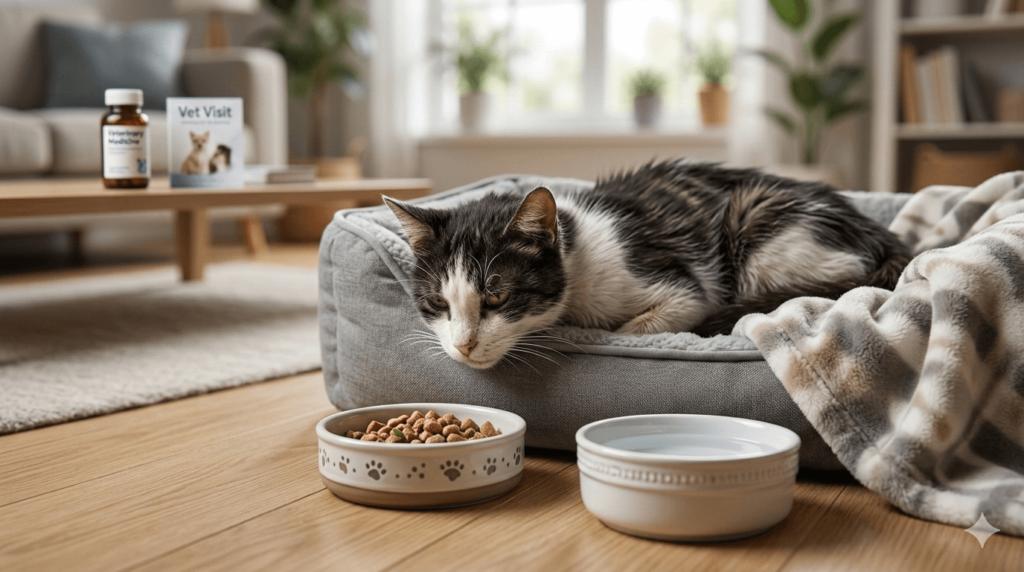
Cats may show less interest in their meals, leaving food untouched or eating only small amounts. This behavior is one of the earliest indicators of anorexia and should not be ignored. - Weight Loss:
Over time, reduced food intake leads to noticeable weight loss, which can weaken muscles, lower energy levels, and compromise immune function. Monitoring your cat’s body condition is essential for early intervention. - Lethargy and Weakness:
A lack of proper nutrition leaves cats feeling sluggish and uninterested in activities they once enjoyed, such as playing or exploring their environment. - Changes in Behavior:
Cats with anorexia may become withdrawn, hiding more often or avoiding interaction with family members—a sign of discomfort or stress. - Vomiting or Diarrhea:
Gastrointestinal issues often accompany anorexia, as the digestive system struggles to function without adequate nutrients. Persistent vomiting or diarrhea requires immediate veterinary attention.
Common Causes Behind Feline Anorexia
- Dental Problems:
Painful conditions like gingivitis, tooth abscesses, or fractured teeth make chewing uncomfortable, discouraging cats from eating. Regular dental check-ups help prevent these issues. - Gastrointestinal Disorders:
Conditions such as inflammatory bowel disease (IBD), pancreatitis, or intestinal blockages disrupt normal digestion and appetite regulation. Diagnostic tests are necessary to pinpoint the exact issue. - Chronic Illnesses:
Kidney disease, diabetes, hyperthyroidism, or cancer often suppress appetite due to metabolic imbalances or systemic inflammation. Managing these diseases improves overall well-being. - Stress or Anxiety:
Environmental changes, loud noises, or conflicts with other pets create anxiety that impacts a cat’s willingness to eat. Providing a calm, predictable routine reduces stress-related anorexia. - Medication Side Effects:
Certain medications alter taste perception or cause nausea, making cats reluctant to consume food. Discuss alternative treatments with your vet if this occurs.
Check this guide 👉 Noise Phobia in Cats: Best 7 Expert Tips!
Check this guide 👉 Bacterial Eye Infections in Cats: Best 7 Expert Tips!
Check this guide 👉 Amoxicillin Side Effects in Cats: Best 7 Expert Tips!
Early Warning Signs | Immediate Actions to Take |
|---|---|
Refusal to eat for 24+ hours | Contact your veterinarian immediately |
Lethargy or weakness | Monitor hydration levels and behavior closely |
Vomiting or diarrhea | Avoid giving table scraps or unfamiliar foods |
Weight loss or muscle wasting | Schedule a vet visit for blood work and diagnostics |
Hiding or behavioral changes | Provide a quiet, stress-free space for recovery |
The Role of Nutrition in Managing Feline Anorexia
- High-Calorie Foods:
Offering nutrient-dense options like wet food or specially formulated recovery diets provides essential calories even in small portions. These foods entice picky eaters while supporting weight gain. - Temperature Adjustments:
Serving food slightly warmed enhances aroma and palatability, encouraging cats to eat. Avoid serving food too hot, as it may burn sensitive mouths. - Variety in Diet:
Introducing different textures, flavors, or brands prevents boredom and stimulates appetite. However, avoid frequent changes if your cat prefers consistency. - Feeding Techniques:
Hand-feeding or using interactive feeders engages cats mentally and physically, making mealtime more appealing. Patience and encouragement go a long way. - Supplemental Feeding Tubes:
In severe cases, veterinarians may recommend temporary feeding tubes to deliver nutrition directly into the stomach until voluntary eating resumes.
Veterinary Treatments for Feline Anorexia
- Diagnostic Testing:
Blood work, urinalysis, X-rays, or ultrasounds identify infections, organ dysfunction, or structural abnormalities causing appetite suppression. Early diagnosis improves prognosis. - Fluid Therapy:
Dehydration worsens anorexia; intravenous fluids rehydrate cats and restore electrolyte balance, promoting better overall health. - Appetite Stimulants:
Medications like mirtazapine or cyproheptadine encourage eating by targeting brain receptors responsible for hunger signals. These drugs have proven effective in many cases. - Pain Management:
If pain contributes to anorexia, analgesics or anti-inflammatory medications alleviate discomfort, allowing cats to eat without distress. - Addressing Underlying Conditions:
Treating primary illnesses—such as kidney disease or gastrointestinal disorders—directly improves appetite and quality of life.
Preventive Measures to Avoid Feline Anorexia
- Routine Veterinary Check-Ups:
Regular exams detect early signs of illness, enabling timely intervention before conditions progress to anorexia. Preventive care is always preferable to reactive treatment. - Stable Environment:
Minimizing disruptions—such as moving furniture, introducing new pets, or changing routines—reduces anxiety that could impact eating behaviors. Consistency fosters security. - Balanced Diet:
Providing high-quality, species-appropriate food meets nutritional needs and maintains interest in meals. Rotate proteins occasionally to keep things fresh. - Clean Eating Areas:
Ensure food bowls are clean and free of lingering odors, as cats are sensitive to smells that might deter them from eating. Separate water and food stations reduce contamination risks. - Mental Stimulation:
Interactive toys, puzzle feeders, or supervised outdoor access engage cats mentally, reducing boredom-related appetite suppression.
Emotional and Behavioral Aspects of Feline Anorexia
- Bonding Through Meals:
Feeding your cat near you strengthens trust and reassures them during stressful times. Your presence can comfort anxious eaters. - Avoiding Punishment:
Never scold or force-feed your cat, as this increases fear and resistance to eating. Positive reinforcement builds confidence instead. - Creating Safe Spaces:
Designate quiet areas away from noise or disturbances where your cat can eat peacefully. Elevated perches or enclosed spaces enhance security. - Social Dynamics:
In multi-cat households, ensure each cat has its own feeding station to prevent competition or bullying that deters eating. - Patience and Observation:
Monitor your cat’s reactions to various stimuli—food types, feeding locations, or household changes—to identify preferences and aversions.
Long-Term Care Strategies for Cats Recovering from Anorexia
- Gradual Reintroduction of Food:
Transition slowly back to regular meals after periods of forced feeding or appetite stimulation to avoid overwhelming the digestive system. - Monitoring Weight and Hydration:
Track weekly weight changes and hydration levels to ensure steady recovery. Significant fluctuations warrant immediate veterinary consultation. - Adjusting Medications:
Work closely with your vet to fine-tune dosages of appetite stimulants or other medications based on your cat’s response and tolerance. - Environmental Enrichment:
Continue providing stimulating activities and safe spaces to maintain emotional well-being and support consistent eating patterns. - Regular Follow-Up Visits:
Schedule routine check-ups to monitor underlying conditions and confirm sustained improvements in appetite and overall health.
Frequently Asked Questions About Anorexia in Cats
What causes anorexia in cats?
Anorexia in cats can result from dental problems, gastrointestinal disorders, chronic illnesses, stress, or medication side effects. Identifying the underlying cause is crucial for treatment.
How long can a cat go without eating?
Cats should not go more than 24–48 hours without food. Prolonged fasting can lead to hepatic lipidosis (fatty liver disease), a life-threatening condition requiring immediate veterinary care.
Is anorexia in cats always a sign of illness?
Not always. Environmental changes, stress, or picky eating habits can also cause temporary appetite loss. However, persistent anorexia almost always indicates an underlying health issue.
Can I force-feed my cat if it stops eating?
Force-feeding is not recommended, as it can cause additional stress or injury. Instead, consult your veterinarian for safe solutions like appetite stimulants or feeding tubes.
How can I encourage my cat to eat again?
Offer high-calorie, palatable foods, warm meals slightly to enhance aroma, and create a calm, distraction-free eating environment. If these steps fail, seek veterinary advice promptly.
A Lifeline in Every Moment of Crisis

Is Rawhide Bad for Cats? Best 7 Expert Tips! – Discover the risks, safe alternatives, and expert advice to keep your feline friend healthy and happy.

Is Rawhide Bad for Dogs? Best 7 Expert Tips! – Discover the risks, benefits, and safer alternatives to rawhides for your dog’s chewing needs.
Understanding Anorexia in Cats: Best 7 Expert Tips! – Learn why cats stop eating, spot warning signs, and discover how to help your feline regain appetite safely.

Understanding Anorexia in Dogs: Best 7 Expert Tips! – Learn causes, symptoms, and solutions to help your dog regain appetite and stay healthy.