Understanding American Eskimo Dog Size: Best 7 Expert Tips!

Understanding American Eskimo Dog Size: Best 7 Expert Tips!

Understanding American Eskimo Dog Size

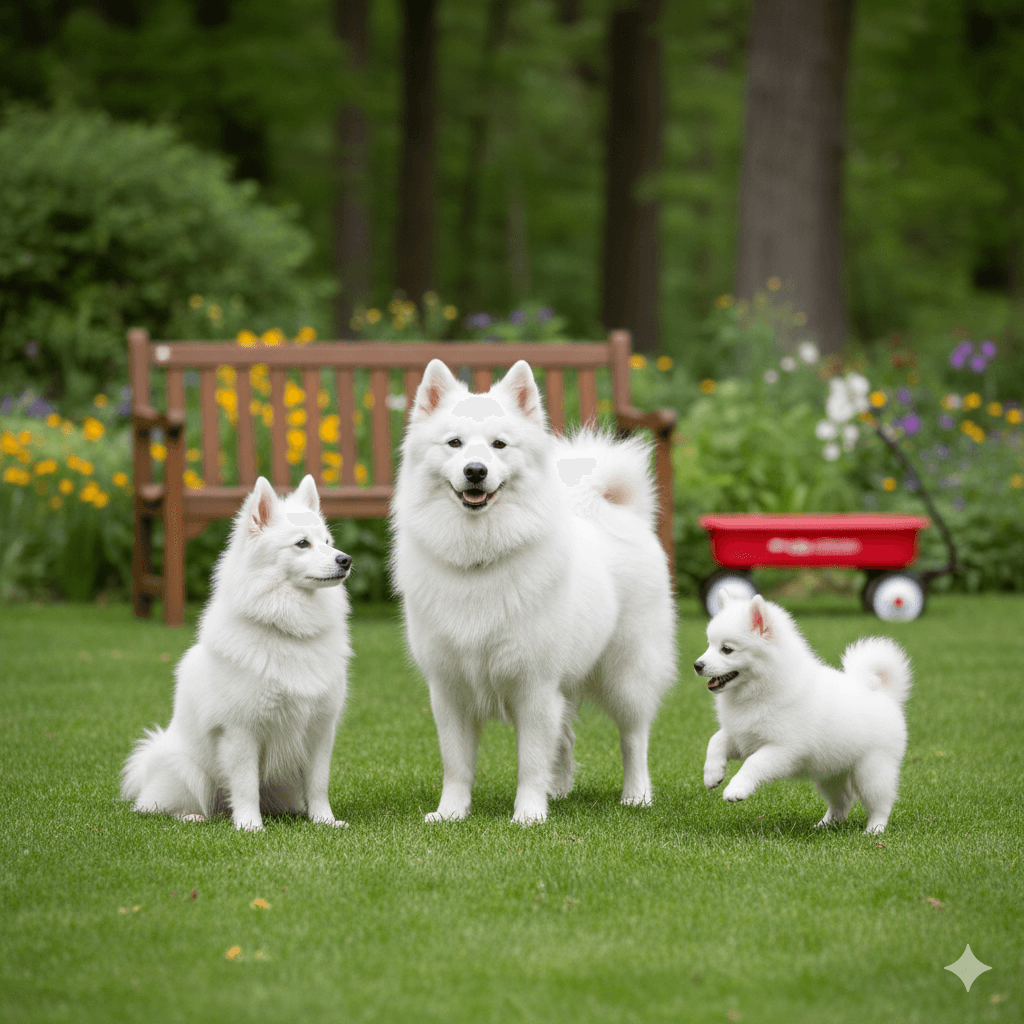
The American Eskimo Dog—often called the “Eskie”—is a striking, snow-white companion known for its fluffy double coat, bright smile, and alert, fox-like expression. But beyond its beauty, one of the most common questions prospective owners ask is: How big does this breed actually get? Unlike many breeds that come in a single size, the American Eskimo Dog proudly comes in three distinct varieties, each suited to different lifestyles and living spaces. Knowing the exact size expectations helps you choose the right fit for your home, activity level, and family. Whether you’re dreaming of a lap-friendly mini or a more substantial standard, understanding these size categories is your first step toward a joyful match.

Official Size Categories Recognized by Kennel Clubs

The American Eskimo Dog isn’t one-size-fits-all—it’s officially classified into three varieties based on height at the withers (the highest point of the shoulder blades). These divisions are strictly defined by major kennel clubs like the AKC and are essential for show standards, but also practical for everyday owners:

 
  • Toy Variety:
    Stands 9 to 12 inches tall and typically weighs 6 to 10 pounds—small enough for apartments but still sturdy for gentle play.
     
  • Miniature Variety:
    Measures 12 to 15 inches in height and weighs 10 to 20 pounds, striking a balance between portability and presence.
     
  • Standard Variety:
    Ranges from 15 to 19 inches tall and weighs 25 to 35 pounds, offering the full Eskie personality in a more substantial, family-friendly frame.
 

Importantly, weight should always be proportional to height—lean, athletic, and never bulky—reflecting the breed’s agile, Spitz heritage.

Understanding American Eskimo Dog Size: Best 7 Expert Tips!

Physical Characteristics Beyond Height and Weight

Size isn’t just about numbers; it’s also reflected in structure, coat, and movement. All American Eskimo Dogs share key physical traits regardless of variety, but proportion scales elegantly with each size class:

 
  • Double Coat Proportionality:
    Each variety has a thick, stand-off double coat, but the fluff appears more dramatic on smaller dogs due to compact body shape.
     
  • Tail and Carriage:
    The plumed tail curls over the back in all sizes, though it looks more exaggerated on Toys and Minis due to their shorter backs.
     
  • Facial Features:
    Dark, almond-shaped eyes and a black “mask-like” nose contrast beautifully with white fur—consistent across all sizes, preserving breed identity.
     
  • Leg and Body Ratio:
    Legs are well-furred and moderately long, with body length slightly longer than height—especially noticeable in Standards.
     
  • Movement and Agility:
    All varieties move with light, quick steps; smaller Eskies may seem springier, while Standards display more powerful, ground-covering strides.
 

These consistent traits ensure that whether you meet a 9-inch Toy or an 18-inch Standard, you’ll instantly recognize it as an American Eskimo Dog.

Size Variety
Ideal Weight Range
Toy
6–10 pounds
Miniature
10–20 pounds
Standard
25–35 pounds
Height (Toys)
9–12 inches
Height (Standards)
15–19 inches

How to Estimate Your Eskie Puppy’s Adult Size

Predicting the final size of an American Eskimo puppy can be tricky, but several reliable indicators help narrow it down—especially since breeders often know the expected variety based on lineage:

 
  • Parental Size:
    The most accurate predictor—puppies usually fall within the size range of their parents, especially if both are the same variety.
     
  • Paw and Bone Structure:
    By 10–12 weeks, larger paws and thicker leg bones often signal a Mini or Standard, while delicate features suggest a Toy.
     
  • Growth Plateaus:
    Toys typically stop growing by 9–10 months, Minis by 12 months, and Standards may fill out until 18 months—watch for slowing growth rates.
     
  • Veterinary Assessment:
    Your vet can estimate adult size using breed-specific growth charts and physical development markers during wellness checks.
     
  • Breed Registration Papers:
    Reputable breeders register litters with variety designations; your puppy’s paperwork often confirms expected adult category.
 

While surprises can happen, especially with mixed-lineage dogs, these clues give you a strong foundation for planning your dog’s future needs.

Choosing the Right Size for Your Lifestyle

The “best” American Eskimo size depends entirely on your home environment, daily routine, and personal preferences. Each variety offers the same intelligence and loyalty—but fits differently into real-life scenarios:

 
  • Apartment or Small Home Living:
    The Toy or Miniature excels in compact spaces due to lower exercise demands and easy transport.
     
  • Active Outdoor Families:
    Standards thrive with hiking, jogging, or backyard play, thanks to greater stamina and resilience in cooler weather.
     
  • Allergy Considerations:
    All sizes shed heavily despite common misconceptions; no variety is truly hypoallergenic, though frequent grooming helps.
     
  • Travel and Portability:
    Toys can ride in carriers or under airplane seats, making them ideal for frequent travelers or urban commuters.
     
  • Families with Young Children:
    Minis and Standards are generally sturdier and less prone to accidental injury than delicate Toys around enthusiastic kids.
 

Match the size to your reality—not just your preference—and you’ll set both you and your Eskie up for long-term harmony.

Common Misconceptions About American Eskimo Dog Size

Many myths surround this breed’s dimensions, leading to mismatched expectations. Clearing up these misconceptions helps owners prepare appropriately:

 
  • “All Eskies Are Small Lap Dogs”:
    False—Standards are medium-sized and often too large for true “lap dog” status, preferring to sit beside you.
     
  • “Miniature Means Toy-Sized”:
    No—Miniatures are distinctly larger than Toys, often mistaken for small Standards due to their 10–20 lb weight.
     
  • “Size Affects Temperament”:
    Not significantly—all varieties share the same alert, affectionate, and vocal personality regardless of height or weight.
     
  • “Bigger Eskies Shed More”:
    Shedding is dense in all sizes due to the double coat; volume may differ slightly, but maintenance effort is similarly high.
     
  • “You Can’t Tell the Variety as a Puppy”:
    While young pups look similar, experienced breeders can usually distinguish intended variety by 6–8 weeks based on structure.
 

Understanding these truths prevents disappointment and ensures you welcome the right Eskie into your life.

Health and Care Differences Across Size Varieties

Though genetically the same breed, the three size classes face slightly different health considerations and care needs as they age:

 
  • Toy Variety Joint Sensitivity:
    Very small dogs are more prone to patellar luxation and fragile bones—avoid high jumps and use pet stairs.
     
  • Standard Variety Exercise Needs:
    Larger Eskies require more physical activity to maintain muscle tone and prevent boredom-related behaviors.
     
  • Dental Health in All Sizes:
    Toy and Mini varieties are especially at risk for periodontal disease due to crowded teeth—daily brushing is essential.
     
  • Temperature Regulation:
    All sizes handle cold well thanks to their coat, but Toys lose body heat faster and may need sweaters in freezing temps.
     
  • Longevity Trends:
    Smaller varieties often live slightly longer (13–15 years) compared to Standards (12–14 years), though genetics play a major role.
 

Proactive, size-aware care helps every American Eskimo Dog live a full, vibrant life—no matter their height.

Daily Care Routine for Your American Eskimo Dog

Caring for an American Eskimo Dog—regardless of size—requires a consistent daily routine that addresses their high-maintenance coat, energetic mind, and social nature. These intelligent, people-oriented dogs thrive when structure and affection are woven into everyday life. A thoughtful daily rhythm doesn’t just keep them clean and healthy; it strengthens your bond and prevents boredom-related behaviors like excessive barking or chewing:

 
  • Morning Grooming Session:
    Spend 5–10 minutes brushing your Eskie’s double coat to remove loose fur and prevent tangles—especially around the ears, tail, and hind legs.

     
  • Mental Warm-Up with Training:
    Use breakfast as motivation for 5 minutes of obedience practice or trick training; Eskies love to learn and need daily mental engagement.

     
  • Midday Potty & Sniff Break:
    Even if not highly active, they benefit from a short walk or yard exploration to satisfy their natural curiosity and scent-driven instincts.

     
  • Afternoon Dental Care:
    Wipe or brush teeth a few times a week (daily is ideal) to combat plaque buildup—critical for all sizes, especially Toys and Minis.

     
  • Evening Family Bonding Time:
    Include your Eskie in calm household activities; they dislike being ignored and feel happiest when involved in your daily rhythm.
 

A predictable, loving routine helps your American Eskimo Dog feel secure, valued, and mentally fulfilled—turning everyday moments into opportunities for connection.

Frequently Asked Questions About American Eskimo Dog Size

Is there a “teacup” American Eskimo Dog?

No—the breed officially only has Toy, Miniature, and Standard varieties. “Teacup” is a marketing term, not a recognized size.

Yes, but supervise early interactions; the size difference means play must be gentle to avoid accidental injury to the smaller dog.

Males are typically 1–2 inches taller and a few pounds heavier than females within the same variety, but overlap is common.

If bred responsibly, no—reputable breeders select for correct size, and most Minis stay within the 12–15 inch range.

Yes—especially Toys or Minis, as they offer companionship, moderate exercise needs, and alert watchdog tendencies without overwhelming size.

Embracing the Right Size, the Right Fit

The American Eskimo Dog’s trio of sizes isn’t just a quirk—it’s a thoughtful gift to dog lovers with diverse needs. Whether you’re in a studio apartment or a country home, seeking a travel buddy or a backyard sentinel, there’s an Eskie variety designed to walk beside you through life. By choosing the size that aligns with your space, energy, and daily rhythm, you’re not just adopting a dog—you’re welcoming a loyal, intelligent, and joyful companion who will mirror your life with unwavering devotion. Remember, in the world of Eskies, it’s not about how tall they stand—but how deeply they connect.

Understanding Cryptosporidium in Cats: Best 7 Expert Tips!

Understanding Cryptosporidium in Cats: Best 7 Expert Tips! – Spot symptoms, treat safely, and stop parasite spread in your home.

Understanding Cryptosporidium in Dogs: Best 7 Expert Tips!

Understanding Cryptosporidium in Dogs: Best 7 Expert Tips! – Learn symptoms, treatment & prevention for this stubborn gut parasite.

Understanding Syringomyelia in Cats: Best 7 Expert Tips!

Understanding Syringomyelia in Cats: Best 7 Expert Tips! – Recognize signs, manage pain, and support your cat’s neurological health with vet-backed guidance.

Understanding Syringomyelia in Dogs: Best 7 Expert Tips!

Understanding Syringomyelia in Dogs: Best 7 Expert Tips! – Expert insights on symptoms, MRI diagnosis, pain management & quality of life.

Leave a Reply

Your email address will not be published. Required fields are marked *



