
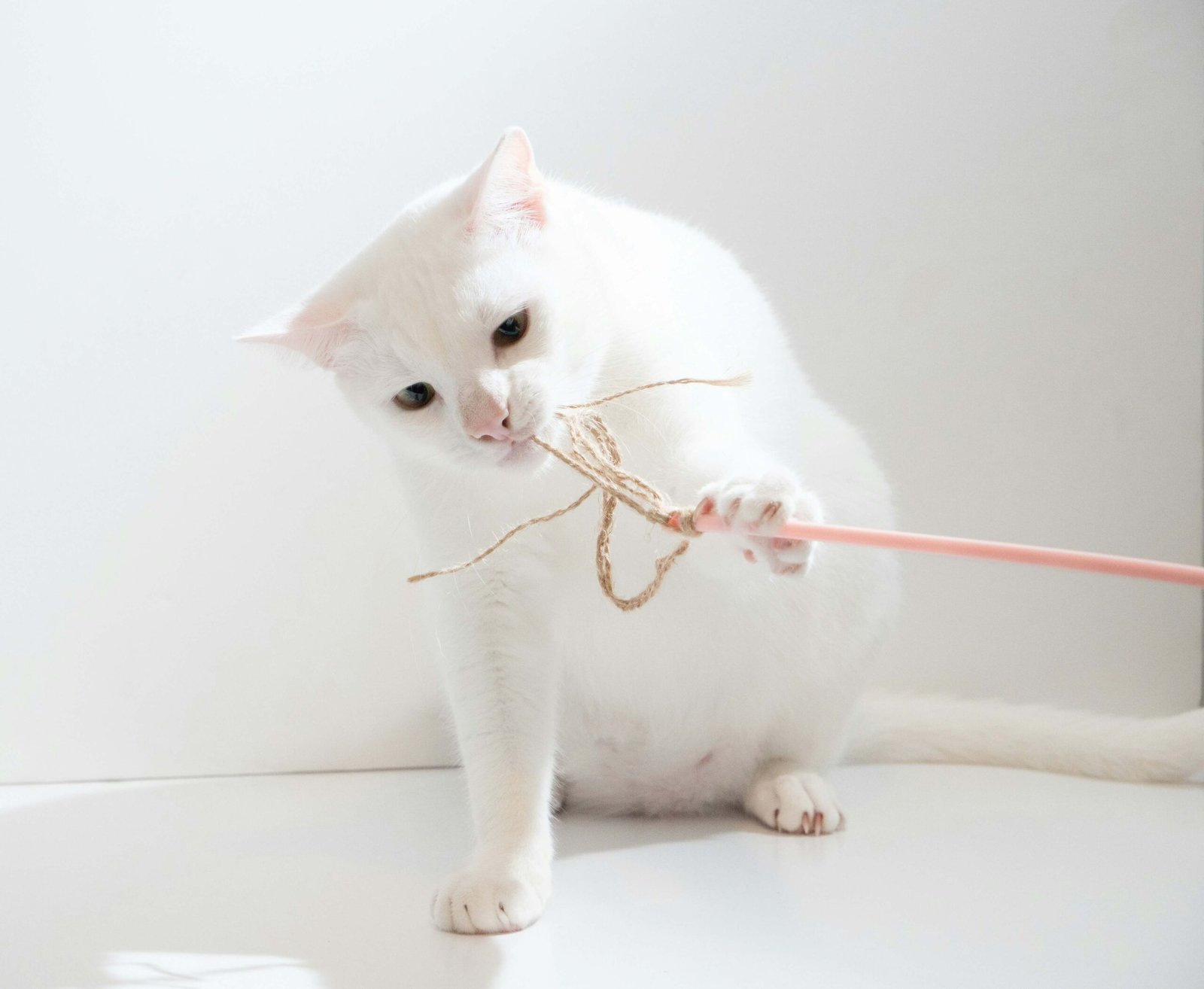

Understanding a Cats Broken Claw: Best 7 Health Tips!

Understanding a Cats Broken Claw: Best 7 Health Tips!

Understanding a Cats Broken Claw: A Guide for Concerned Pet Owners


Cats are naturally curious and agile creatures, often using their claws to explore, play, and defend themselves. However, accidents happen, and one common issue pet owners may encounter is a broken claw. While it may seem minor compared to other injuries, a broken claw can cause discomfort or even lead to infections if not addressed properly. In this blog post, we’ll delve into what you need to know about a cat’s broken claw that isn’t bleeding, including how to identify the problem, care for your furry friend, and prevent future incidents. Whether you’re a seasoned cat parent or new to feline care, this guide will equip you with practical advice to ensure your cat stays happy and healthy.

Signs Your Cat May Have a Broken Claw


If your cat has a broken claw, it’s essential to recognize the signs early to provide timely care. Here are some key indicators that your feline companion might be dealing with this issue:

 
  • Limping or Favoring a Paw : Cats are masters at hiding pain, but limping or avoiding putting weight on a specific paw is a strong sign something is wrong.

     
  • Excessive Licking of the Paw : Cats often lick areas of discomfort, so pay attention if your cat is obsessively grooming one paw.

     
  • Swelling or Redness Around the Claw : Even if the claw isn’t bleeding, inflammation or discoloration near the affected area could indicate an injury.

     
  • Reluctance to Jump or Play : If your usually active cat suddenly seems hesitant to engage in physical activities, it could signal pain from a broken claw.

     
  • Visible Damage to the Claw : Inspect your cat’s paws carefully. A cracked, split, or missing claw is a clear sign of trouble.


If you notice any of these symptoms, it’s crucial to take action promptly to prevent complications. Early intervention can make all the difference in your cat’s recovery process.

How to Care for a Broken Claw at Home


While veterinary care is always recommended for serious injuries, there are steps you can take at home to comfort your cat and minimize discomfort. Here’s what you should do if you suspect your cat has a broken claw:

 
  • Stay Calm and Reassure Your Cat : Cats are sensitive to their owner’s emotions. Approach your pet gently and speak in soothing tones to keep them calm.

     
  • Examine the Paw Carefully : Gently check the injured paw for signs of damage. Be cautious, as cats may react defensively if they’re in pain.

     
  • Clean the Area with Warm Water : Use lukewarm water and a soft cloth to clean around the affected claw. Avoid using harsh chemicals or soap.

     
  • Trim Any Loose or Damaged Parts : If part of the claw is hanging loose, use sterilized clippers to trim it carefully. Do not attempt this if your cat is too agitated.

     
  • Monitor for Signs of Infection : Keep an eye out for swelling, pus, or unusual behavior. If you notice these signs, consult a vet immediately.


By taking these steps, you can help your cat feel more comfortable while preparing for professional care if needed. Remember, your calm demeanor and attentiveness can go a long way in easing your pet’s distress.

Understanding a Cats Broken Claw: Best 7 Health Tips!
Preventive Measures
Benefits
Regularly trim your cat’s claws
Reduces the risk of overgrowth and breakage
Provide scratching posts
Encourages natural claw maintenance
Check paws during grooming
Helps detect issues early
Keep floors free of sharp objects
Prevents accidental injuries
Schedule routine vet visits
Ensures overall health and timely interventions

When to Seek Veterinary Care for a Broken Claw


While some cases of broken claws can be managed at home, certain situations require immediate attention from a veterinarian. Here’s when you should prioritize professional care:

 
  • The Claw is Bleeding Heavily : Excessive bleeding indicates a deeper injury that needs expert treatment.

     
  • Your Cat is in Severe Pain : If your cat vocalizes in pain or shows extreme discomfort, it’s time to visit the vet.

     
  • There Are Signs of Infection : Swelling, pus, or a foul odor around the claw are red flags for infection.

     
  • The Claw is Completely Detached : A fully dislodged claw requires proper cleaning and care to prevent complications.

     
  • Your Cat Refuses to Eat or Move : These behaviors suggest significant pain or stress and warrant urgent medical attention.


Knowing when to seek help ensures your cat receives the best possible care. Trust your instincts—if something feels off, it’s better to err on the side of caution.

Preventing Future Claw Injuries in Cats


Prevention is always better than cure, especially when it comes to your cat’s well-being. Here are some proactive measures to reduce the risk of broken claws:

 
  • Invest in High-Quality Scratching Posts : Choose sturdy, varied-texture posts to satisfy your cat’s natural scratching instincts.

     
  • Schedule Routine Nail Trims : Regular trimming prevents overgrown claws, which are more prone to breaking.

     
  • Inspect Your Home for Hazards : Remove sharp objects and repair rough surfaces that could snag your cat’s claws.

     
  • Encourage Safe Play : Opt for toys that don’t put excessive strain on your cat’s paws or claws.

     
  • Maintain a Healthy Diet : Proper nutrition supports strong claws and overall health, reducing the likelihood of injuries.


By incorporating these practices into your routine, you can create a safer environment for your cat and minimize the risk of future incidents.

Common Causes of Broken Claws in Cats


Understanding the root causes of broken claws can help you take proactive steps to protect your cat. Here are some common reasons why cats might injure their claws:

 
  • Rough Play or Fighting : Cats that engage in aggressive play or territorial disputes with other animals may damage their claws.

     
  • Jumping from Heights : Landing awkwardly after a jump can put excessive pressure on a cat’s claws, leading to breaks.

     
  • Scratching on Hard Surfaces : Overly abrasive surfaces like concrete or rough wood can weaken claws over time.

     
  • Accidents While Exploring : Curious cats may snag their claws on loose wires, fabrics, or sharp objects during exploration.

     
  • Poor Claw Maintenance : Neglecting regular nail trims can result in overgrown claws that are more prone to breaking.


By identifying these potential risks, you can take steps to minimize hazards and create a safer environment for your cat. Prevention starts with awareness, and your efforts will pay off in your pet’s long-term health.

Signs of Stress in Cats Due to a Broken Claw


A broken claw doesn’t just cause physical discomfort—it can also lead to emotional stress for your cat. Here are some behavioral changes to watch for:

 
  • Increased Hiding : Cats often retreat to quiet spaces when they’re in pain or feeling vulnerable.

     
  • Changes in Eating Habits : A stressed or injured cat may eat less or avoid food altogether.

     
  • Aggression or Irritability : Pain can make even the friendliest cats lash out when touched or approached.

     
  • Excessive Vocalization : Unusual meowing or growling may indicate discomfort or distress.

     
  • Reduced Social Interaction : If your cat suddenly avoids cuddles or playtime, it could be a sign of stress.


Recognizing these signs early can help you address both the physical injury and the emotional toll it takes on your pet. A calm and supportive environment is key to helping your cat recover fully.

Tips for Keeping Your Cat Calm During Recovery


Recovery from a broken claw requires patience, especially if your cat is feeling anxious or restless. Here are some tips to keep your feline friend calm and comfortable:

 
  • Create a Cozy Resting Spot : Provide a soft bed or blanket in a quiet area where your cat can relax undisturbed.

     
  • Offer Gentle Affection : Stroke your cat softly and speak in soothing tones to reassure them during recovery.

     
  • Limit Physical Activity : Discourage jumping or strenuous play to prevent further injury while healing.

     
  • Use Pheromone Diffusers : Products like Feliway mimic natural calming scents and can help reduce stress.

     
  • Provide Mental Stimulation : Interactive toys or puzzle feeders can keep your cat entertained without straining their paws.


By prioritizing your cat’s comfort and emotional well-being, you’ll support a smoother recovery process. Remember, a happy cat heals faster, so shower them with love and care during this time.

FAQ

Can a cat’s broken claw heal on its own?

In some cases, minor breaks can heal naturally, but monitoring for signs of infection or complications is crucial.

A damaged claw typically regenerates within a few weeks to months, depending on the severity of the injury.

Yes, cats often retreat when they’re in pain or feeling vulnerable. Give them space but monitor their condition closely.

Only if advised by a vet. Improper bandaging can cause further harm or discomfort.


No, human medications can be toxic to cats. Always consult a veterinarian before administering any treatment.

Caring for Your Feline Friend: A Commitment to Their Well-Being


A broken claw may seem like a small issue, but it highlights the importance of attentive pet care. By recognizing the signs, providing appropriate treatment, and taking preventive measures, you can ensure your cat remains healthy and happy. Remember, your bond with your pet is built on trust and care—qualities that shine brightest during challenging times. With patience and dedication, you’ll navigate this situation smoothly and strengthen your connection with your beloved feline companion.

Can I Give My Cat Midol? Best 7 Expert Tips!

Can I Give My Cat Midol? Best 7 Expert Tips! – Learn the risks, symptoms, and safe alternatives to keep your cat healthy and avoid toxic reactions.

Can I Give My Dog Midol? Best 7 Expert Tips!

Can I Give My Dog Midol? Best 7 Expert Tips! – Discover the risks, safe alternatives, and expert advice to keep your dog safe from accidental poisoning.

Maximum Weight for Cats on Planes: Best 7 Expert Tips!

Maximum Weight for Cats on Planes: Best 7 Expert Tips! – Learn airline policies, tips to stay compliant, and ensure safe travels for your feline friend.

Max Weight for Dogs on Planes: Best 7 Expert Tips!

Max Weight for Dogs on Planes: Best 7 Expert Tips! – Discover airline weight limits, safe travel tips, and solutions for flying with your dog stress-free.

Leave a Reply

Your email address will not be published. Required fields are marked *