
Understanding Types of Cat Eye Infections
Common Causes of Cat Eye Infections
- Bacterial Infections:
Bacteria like Chlamydophila felis or Bordetella bronchiseptica invade the eye, causing redness, swelling, and discharge. These infections are highly contagious among cats and require antibiotics for effective treatment. - Viral Infections:
Feline herpesvirus (FHV-1) and feline calicivirus are common culprits, especially in multi-cat households or shelters. These viruses weaken the immune system, making cats more susceptible to secondary bacterial infections. - Fungal Infections:
Although rare, fungal pathogens like Cryptococcus can affect the eyes, leading to inflammation, ulcers, or even vision loss. Outdoor cats or those with compromised immunity are at higher risk. - Environmental Irritants:
Dust, pollen, smoke, or chemicals can irritate the eyes, causing allergic reactions or mild infections. Cats with preexisting allergies are particularly vulnerable to these triggers. - Trauma or Injury:
Scratches from other animals, foreign objects, or self-inflicted injuries (e.g., excessive grooming) can introduce bacteria or fungi, resulting in painful infections that require immediate care.
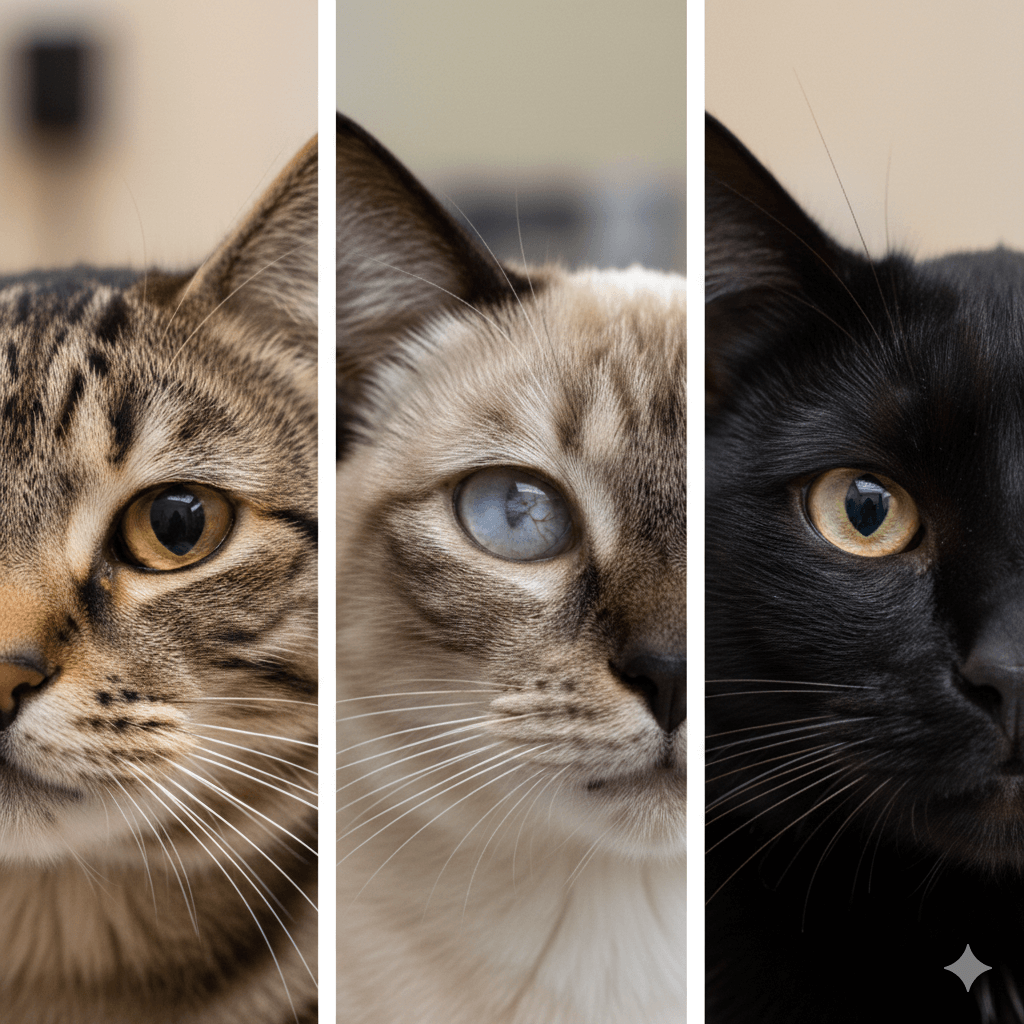
Symptoms of Different Cat Eye Infections
- Conjunctivitis (Pink Eye):
Redness, swelling, and watery discharge are hallmark signs. Cats may squint or rub their eyes frequently due to discomfort. - Corneal Ulcers:
Cloudy or bluish corneas, excessive tearing, and sensitivity to light suggest ulcers. These are often caused by trauma or viral infections and can lead to vision loss if untreated. - Uveitis:
Inflammation of the uvea (middle layer of the eye) causes pain, cloudy eyes, and constricted pupils. Uveitis is often linked to systemic diseases like FIV or FeLV. - Keratitis:
This condition involves inflammation of the cornea, leading to redness, swelling, and a hazy appearance. Keratitis can be infectious or non-infectious, depending on the cause. - Glaucoma:
Increased intraocular pressure results in bulging eyes, dilated pupils, and vision impairment. Glaucoma is a medical emergency requiring immediate veterinary intervention.
Check this guide 👉Causes of Cat Eye Infection: Best 7 Expert Tips!
Check this guide 👉Cat Eye Inflammation: Best 7 Expert Tips!
Check this guide 👉Understanding Cat Eyes Anatomy: Best 7 Expert Tips!
| Common Signs of Eye Infections | Recommended Actions |
|---|---|
| Redness and swelling around the eye | Rinse the eye gently with saline solution and monitor for improvement. |
| Watery or thick discharge from the eye | Contact your vet to rule out bacterial or viral infections. |
| Squinting or excessive blinking | Check for foreign objects and consult a vet if symptoms persist. |
| Cloudy or hazy appearance of the cornea | Seek immediate veterinary care to address potential ulcers or injuries. |
| Pawing or rubbing at the affected eye | Use an Elizabethan collar to prevent further irritation and schedule a vet visit. |
Bacterial Eye Infections in Cats
- Chlamydophila Felis:
This bacterium primarily affects the conjunctiva, causing chronic redness and thick, yellow discharge. Kittens and shelter cats are particularly at risk. - Staphylococcus or Streptococcus:
These bacteria can enter through scratches or wounds, leading to localized abscesses or widespread inflammation. - Mycoplasma:
A less common but serious pathogen, Mycoplasma causes severe conjunctivitis and respiratory symptoms, often requiring aggressive antibiotic therapy. - Secondary Infections Post-Virus:
Cats recovering from feline herpesvirus or calicivirus are prone to bacterial overgrowth, worsening eye symptoms and delaying recovery. - Antibiotic Resistance Concerns:
Overuse of antibiotics can lead to resistant strains, complicating treatment. Veterinarians often perform cultures to identify the most effective medication.
Viral Eye Infections in Cats
- Feline Herpesvirus (FHV-1):
This virus causes recurrent conjunctivitis, corneal ulcers, and nasal discharge. Stress or illness can trigger flare-ups, even in previously infected cats. - Feline Calicivirus:
Known for causing upper respiratory infections, this virus also affects the eyes, leading to conjunctivitis and oral ulcers. Vaccination is key to prevention. - Feline Immunodeficiency Virus (FIV):
While not directly an eye infection, FIV weakens immunity, predisposing cats to secondary eye infections like uveitis or keratitis. - Feline Leukemia Virus (FeLV):
Similar to FIV, FeLV increases susceptibility to ocular diseases, including glaucoma and retinal damage. Regular testing is crucial for early detection. - Treatment Challenges:
Antiviral medications and supportive care are essential, but viral infections often require long-term management to control symptoms effectively.
Fungal and Parasitic Eye Infections in Cats
- Cryptococcus Neoformans:
This fungus enters through inhalation, spreading to the eyes and causing granulomas or blindness. Outdoor cats face higher exposure risks. - Toxoplasmosis:
Caused by the Toxoplasma gondii parasite, this infection leads to uveitis, retinal damage, and neurological symptoms. Raw meat consumption is a primary risk factor. - Eye Worms (Thelazia):
Parasitic worms inhabit the conjunctival sac, causing irritation, redness, and excessive tearing. Manual removal or anthelmintic drugs are standard treatments. - Cuterebra Infestation:
Larvae migrate near the eyes, causing swelling, discharge, and secondary infections. Surgical removal is often necessary. - Ringworm Around the Eyes:
Though primarily a skin infection, ringworm can affect the periocular area, leading to hair loss, crusting, and discomfort.
Treatment Options for Cat Eye Infections
- Topical Antibiotics:
Ointments or drops containing antibiotics target bacterial infections, reducing inflammation and preventing secondary issues. - Antiviral Medications:
Drugs like famciclovir combat feline herpesvirus, alleviating symptoms and shortening infection duration. - Steroid Eye Drops:
Used cautiously, steroids reduce inflammation in cases of uveitis or severe allergic reactions. However, they must never be used without veterinary guidance. - Surgical Interventions:
Corneal ulcers or foreign bodies may require surgical repair to restore eye integrity and function. - Supportive Care Measures:
Warm compresses, saline rinses, and protective collars aid healing while minimizing discomfort during recovery.
Preventing Cat Eye Infections
- Regular Vaccinations:
Core vaccines protect against feline herpesvirus, calicivirus, and other contagious pathogens that cause eye infections. - Clean Environment:
Minimize exposure to dust, smoke, and chemicals that irritate the eyes. Regularly clean bedding and litter boxes to reduce contamination risks. - Proper Nutrition:
A balanced diet rich in vitamins A, C, and E supports immune function and maintains healthy tear production. - Routine Check-Ups:
Annual vet visits detect early signs of eye issues, allowing for timely intervention before conditions worsen. - Isolation of Sick Cats:
Separate infected cats from healthy ones to prevent the spread of contagious diseases, especially in multi-cat households.
“The most frequent cause by far, however, is infection with the herpesvirus, the calicivirus, or one of two bacteria—chlamydophila or mycoplasma.” — Thomas Kern, DVM
Frequently Asked Questions About Cat Eye Infections
What are the most common types of cat eye infections?
Conjunctivitis, corneal ulcers, and uveitis are among the most frequently diagnosed conditions, often caused by bacteria, viruses, or trauma.
How can I tell if my cat has an eye infection?
Signs include redness, swelling, discharge, squinting, or pawing at the eyes. Persistent symptoms warrant a vet visit for proper diagnosis.
Are cat eye infections contagious to other cats?
Yes, infections like feline herpesvirus and chlamydiosis are highly contagious. Isolating sick cats prevents transmission in multi-cat households.
Can I treat my cat’s eye infection at home?
Mild cases may improve with saline rinses, but prescription medications are often necessary. Avoid self-treatment without veterinary guidance to prevent complications.
When should I take my cat to the vet for an eye issue?
Seek immediate care if your cat shows signs of pain, vision loss, bulging eyes, or severe discharge. Early intervention improves outcomes significantly.
A Lifeline in Every Moment of Crisis

Is Rawhide Bad for Cats? Best 7 Expert Tips! – Discover the risks, safe alternatives, and expert advice to keep your feline friend healthy and happy.

Is Rawhide Bad for Dogs? Best 7 Expert Tips! – Discover the risks, benefits, and safer alternatives to rawhides for your dog’s chewing needs.

Understanding Anorexia in Cats: Best 7 Expert Tips! – Learn why cats stop eating, spot warning signs, and discover how to help your feline regain appetite safely.

Understanding Anorexia in Dogs: Best 7 Expert Tips! – Learn causes, symptoms, and solutions to help your dog regain appetite and stay healthy.