
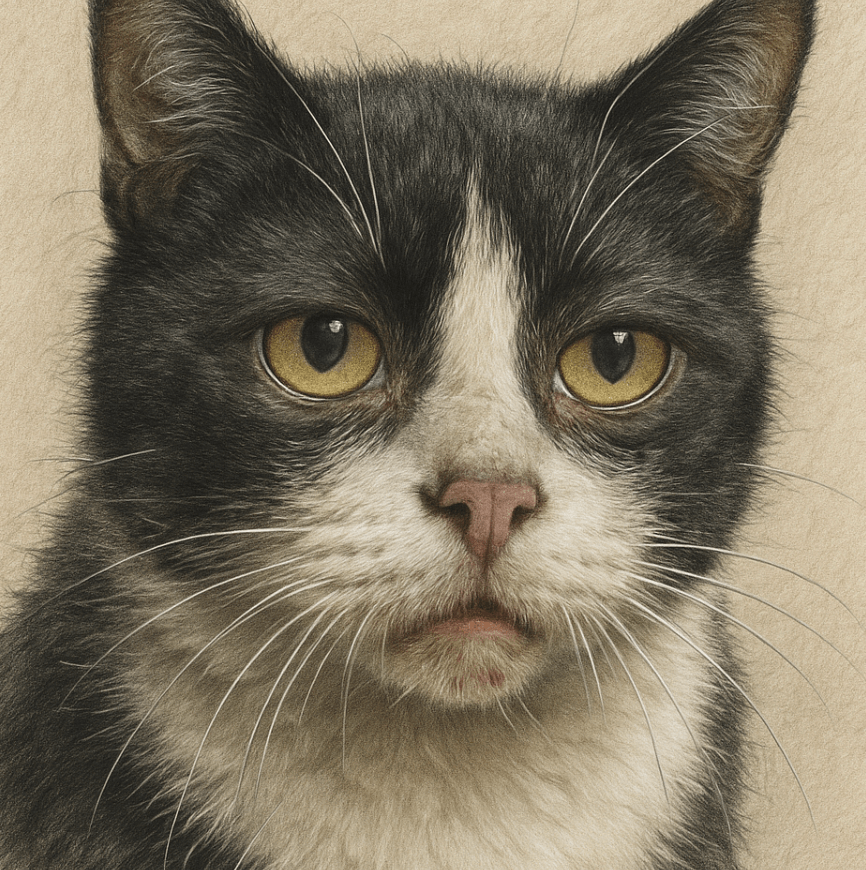

Tuxedo Cat Health Issues: What Every Owner Should Know
Tuxedo cats, with their striking black-and-white coats, are often admired for their elegant and sophisticated appearance. These feline companions are not a specific breed but rather a color pattern that can occur in various cat breeds. While tuxedo cats are generally healthy and robust, they may still be prone to certain health issues depending on their genetic background and lifestyle. Understanding potential health concerns is crucial for ensuring your tuxedo cat enjoys a long, happy, and healthy life. In this blog post, we’ll explore common health issues associated with tuxedo cats, tips for prevention, and how to provide the best care for your beloved pet.
Common Health Issues in Tuxedo Cats
While tuxedo cats are not inherently more prone to health problems than other cats, their genetic diversity means they may inherit conditions from their parent breeds. Here are some health issues that tuxedo cat owners should be aware of.
Dental Disease:
Like many cats, tuxedo cats are susceptible to periodontal disease, which can lead to tooth loss and systemic infections if untreated.Obesity:
Tuxedo cats with a sedentary lifestyle or overfed diet may develop obesity, increasing the risk of diabetes, arthritis, and heart disease.Kidney Disease:
Chronic kidney disease is common in older cats, including tuxedos, and requires vigilant monitoring and dietary management.Heart Conditions:
Hypertrophic cardiomyopathy (HCM), a thickening of the heart muscle, can occur in tuxedo cats, particularly if they have mixed-breed ancestry.Skin Allergies:
Some tuxedo cats may develop skin allergies due to environmental factors, food sensitivities, or flea bites.
Being aware of these potential issues allows you to take proactive steps in maintaining your tuxedo cat’s health and well-being.
Genetic Factors Influencing Tuxedo Cat Health
The unique coat pattern of tuxedo cats is determined by genetics, which can also influence their predisposition to certain health conditions. Understanding these factors helps you anticipate and address potential risks.
Mixed-Breed Diversity:
Tuxedo cats are often mixed-breed, inheriting traits from various parent breeds, which can increase genetic variability and susceptibility to inherited diseases.White Spotting Gene:
The gene responsible for their distinctive markings may also be linked to deafness in some cats, particularly those with white ears or faces.Breed-Specific Conditions:
If your tuxedo cat has ancestry from breeds like Maine Coons or Persians, they may inherit conditions such as polycystic kidney disease (PKD) or hip dysplasia.Shortened Lifespan Risks:
Certain genetic mutations can affect longevity, making regular vet check-ups essential for early detection of problems.Temperament and Stress:
Genetic factors can also influence temperament, with high-stress cats being more prone to stress-related illnesses like urinary tract infections.
By understanding these genetic influences, you can tailor your care approach to better suit your tuxedo cat’s unique needs.
Check this guide 👉Minuet Tuxedo Cat: Best 7 Expert Tips!
Check this guide 👉Tuxedo Bombay Cat: Best 7 Expert Tips!
Check this guide 👉Turkish Angora Tuxedo Cat: Best 7 Expert Tips!
Preventive Care Tips for Tuxedo Cats | Signs of Potential Health Issues |
|---|---|
Regular dental cleanings and brushing | Bad breath or difficulty eating |
Balanced diet and portion control | Sudden weight gain or loss |
Annual vet check-ups and blood tests | Increased thirst or urination |
Flea prevention and grooming routines | Excessive scratching or hair loss |
Interactive play to maintain fitness | Lethargy or changes in behavior |
Tips for Maintaining Your Tuxedo Cat’s Health
Providing proper care and attention is key to keeping your tuxedo cat healthy and thriving. Here are some practical tips to ensure their well-being.
Schedule Routine Vet Visits:
Annual or biannual check-ups help catch health issues early and keep vaccinations up to date.Monitor Their Diet:
Feed high-quality cat food tailored to their age, size, and activity level to prevent nutritional deficiencies.Promote Physical Activity:
Engage your cat with toys, climbing structures, and interactive play to prevent obesity and boredom.Maintain Oral Hygiene:
Brush their teeth regularly and provide dental treats or toys designed to reduce plaque buildup.Create a Stress-Free Environment:
Minimize stressors like loud noises or sudden changes in routine to support their mental and physical health.
These simple yet effective strategies can significantly enhance your tuxedo cat’s quality of life.
How to Spot Early Warning Signs of Health Issues
Early detection of health problems can make a significant difference in treatment outcomes for tuxedo cats. Keep an eye out for these warning signs that may indicate underlying issues.
Changes in Appetite:
A sudden refusal to eat or overeating could signal digestive or metabolic problems.Litter Box Habits:
Frequent urination, straining, or blood in urine may point to urinary tract infections or kidney disease.Unusual Vocalizations:
Excessive meowing or crying, especially at night, might indicate pain or discomfort.Mobility Issues:
Stiffness, limping, or reluctance to jump could be signs of arthritis or joint problems.Behavioral Shifts:
Withdrawal, aggression, or excessive grooming may suggest stress, pain, or illness.
Recognizing these signs early allows you to seek veterinary care promptly and address any concerns before they worsen.
Common Misconceptions About Tuxedo Cat Health
Several myths surround tuxedo cats and their health, leading to misunderstandings among pet owners. Clarifying these misconceptions ensures better care for your feline friend.
“Tuxedo Cats Are Immune to Health Problems”:
While they’re not more prone to issues, they’re still susceptible to common feline ailments like any other cat.“Their Coat Pattern Indicates Superior Health”:
Coat patterns don’t guarantee immunity to genetic or acquired health conditions.“Indoor Tuxedo Cats Don’t Need Vet Visits”:
Even indoor cats require regular check-ups to monitor their health and prevent illnesses.“Deafness Is Guaranteed in White-Faced Tuxedo Cats”:
While there’s an increased risk, not all white-faced tuxedo cats are deaf.“All Tuxedo Cats Have Similar Lifespans”:
Lifespan varies based on genetics, lifestyle, and care, so generalizations aren’t accurate.
Understanding these truths helps dispel myths and promotes informed pet ownership.
Nutritional Needs for Optimal Tuxedo Cat Health
Proper nutrition plays a vital role in maintaining your tuxedo cat’s overall health. Here are some dietary considerations to keep them in peak condition.
High-Quality Protein Sources:
Cats are obligate carnivores, so their diet should primarily consist of animal-based proteins like chicken, turkey, or fish.Controlled Calorie Intake:
Avoid overfeeding to prevent obesity, which can lead to a host of health problems.Hydration is Key:
Ensure fresh water is always available, and consider wet food to boost moisture intake.Avoid Toxic Foods:
Never feed your cat foods like chocolate, onions, garlic, or anything containing xylitol.Supplements When Needed:
Omega-3 fatty acids and probiotics can support skin, coat, and digestive health under veterinary guidance.
A balanced diet supports longevity and vitality in your tuxedo cat.
Fun Ways to Keep Your Tuxedo Cat Active and Healthy
Engaging your tuxedo cat in regular physical and mental activities is essential for their health and happiness. These ideas will keep them entertained while promoting fitness.
Interactive Toys:
Laser pointers, feather wands, and puzzle feeders stimulate their hunting instincts and keep them active.Climbing Structures:
Cat trees and shelves provide opportunities for climbing and exploration, satisfying their natural curiosity.Hide-and-Seek Games:
Hide treats or toys around the house to encourage problem-solving and movement.Window Perches:
Install a perch near a window so they can observe birds and outdoor activities safely.Scheduled Playtime:
Dedicate at least 15-20 minutes daily to interactive play, strengthening your bond and keeping them fit.
Incorporating these activities ensures your tuxedo cat stays physically and mentally stimulated.
Frequently Asked Questions About Tuxedo Cat Health Issues
Are tuxedo cats more prone to health problems than other cats?
No, tuxedo cats are not inherently more prone to health issues, but their mixed-breed genetics can vary widely.
Can tuxedo cats develop deafness?
Yes, cats with white ears or faces due to the white spotting gene may have an increased risk of deafness.
How can I prevent obesity in my tuxedo cat?
Provide a balanced diet, measure portions, and encourage daily exercise through play.
What should I do if my tuxedo cat stops eating?
Consult your veterinarian immediately, as prolonged appetite loss can lead to serious complications.
Do tuxedo cats require special grooming?
Not necessarily, but regular brushing helps reduce shedding and prevents hairballs.
Ensuring a Happy and Healthy Life for Your Tuxedo Cat
Tuxedo cats bring joy, elegance, and personality into our lives, making it essential to prioritize their health and well-being. By staying informed about potential health issues, practicing preventive care, and providing a loving environment, you can ensure your tuxedo cat thrives for years to come. Remember, every cat is unique, so tailoring your approach to their individual needs is key. With dedication and care, your tuxedo cat will remain a cherished companion, filling your home with warmth and affection.
Can I Give My Cat Midol? Best 7 Expert Tips! – Learn the risks, symptoms, and safe alternatives to keep your cat healthy and avoid toxic reactions.
Can I Give My Dog Midol? Best 7 Expert Tips! – Discover the risks, safe alternatives, and expert advice to keep your dog safe from accidental poisoning.

Maximum Weight for Cats on Planes: Best 7 Expert Tips! – Learn airline policies, tips to stay compliant, and ensure safe travels for your feline friend.

Max Weight for Dogs on Planes: Best 7 Expert Tips! – Discover airline weight limits, safe travel tips, and solutions for flying with your dog stress-free.