
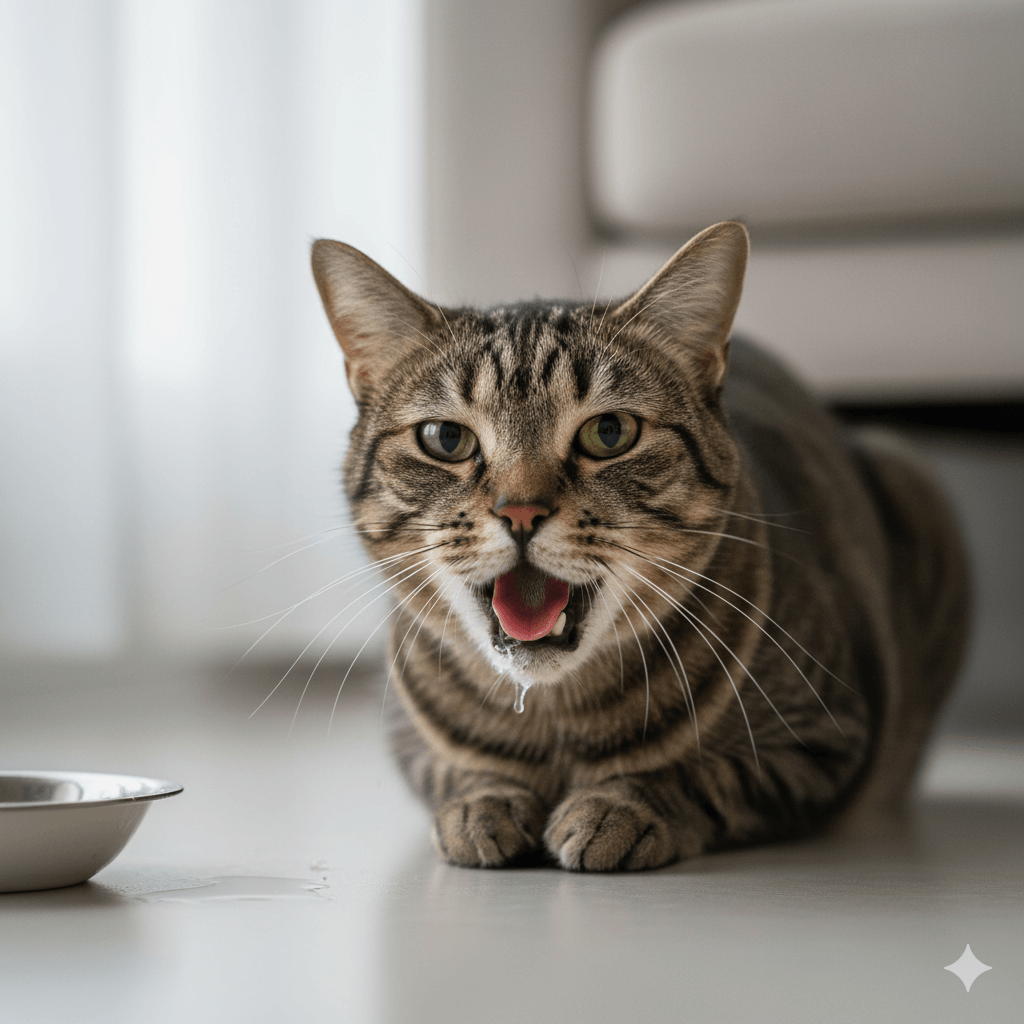

Understanding Trigeminal Neuritis Symptoms in Cats
If your cat suddenly can’t close their mouth, seems to struggle eating, or drools more than usual, they may be experiencing trigeminal neuritis—a rare but often reversible neurological condition. This disorder affects the trigeminal nerve, which controls jaw movement and facial sensation, and typically appears without warning. While alarming to witness, most cats recover fully with supportive care and time. Recognizing the early signs empowers you to respond calmly and seek appropriate veterinary guidance. Though not painful, the condition requires close monitoring to ensure your cat stays nourished and hydrated during recovery.
Common Signs Your Cat May Have Trigeminal Neuritis
Trigeminal neuritis in cats usually strikes rapidly and affects both sides of the face, leading to a distinctive set of symptoms centered around jaw function and facial control. Unlike stroke or trauma, it doesn’t cause weakness in limbs or changes in mental state—just sudden facial paralysis. Watch for these hallmark indicators:
- Inability to Close the Mouth:
Your cat’s jaw may hang open continuously, even at rest, because the muscles that control jaw closure are temporarily paralyzed. - Excessive Drooling:
Without proper mouth closure, saliva escapes freely, leading to noticeable wetness around the chin and chest. - Difficulty Eating or Drinking:
Cats may try to eat but drop food, take abnormally long to chew, or avoid meals altogether due to lack of jaw control. - Reduced Gag Reflex and Swallowing Issues:
Some cats struggle to swallow normally, which can increase the risk of aspiration or dehydration if not managed. - Normal Awareness and Mobility:
Despite the facial changes, your cat remains alert, responsive, and able to walk—key signs this is not a more serious neurological emergency.
These symptoms typically peak within 24 to 48 hours and do not worsen over time, offering reassurance that recovery is likely underway.
When to Seek Veterinary Care Immediately
While trigeminal neuritis is generally benign and self-limiting, other serious conditions can mimic its symptoms—such as facial trauma, tumors, or middle ear infections. It’s essential to rule out these possibilities with professional evaluation:
- Asymmetrical Facial Changes:
If only one side of the face is affected, this suggests a different issue like facial nerve paralysis or a mass. - Eye Abnormalities:
Inability to blink, a sunken eye, or unequal pupil size may indicate Horner’s syndrome or cranial nerve involvement beyond the trigeminal. - Fever, Lethargy, or Seizures:
These signs point to infection, inflammation, or central nervous system disease—not typical of trigeminal neuritis. - Weight Loss or Prolonged Refusal to Eat:
If your cat hasn’t eaten in over 48 hours, they risk developing hepatic lipidosis, a life-threatening liver condition. - History of Trauma or Tick Exposure:
Recent injury or tick bites (which can carry neurotoxins) warrant urgent diagnostics to exclude other causes.
A prompt vet visit ensures an accurate diagnosis and rules out conditions requiring immediate intervention.
Check this guide 👉Traumatized Cat Symptoms: Best 7 Expert Tips!
Check this guide 👉Cat Pollen Allergy Symptoms: Best 7 Expert Tips!
Check this guide 👉Cat Abdominal Pain Symptoms: Best 7 Expert Tips!
Typical Trigeminal Neuritis Signs | Red Flags Suggesting Other Conditions |
|---|---|
Symmetrical jaw drop | One-sided facial weakness |
Alert and interactive | Confusion or disorientation |
No limb weakness | Stumbling, circling, or falling |
Sudden onset but stable | Symptoms worsening over days |
Normal eye function | Inability to blink or abnormal eye position |
Causes and Risk Factors Behind Trigeminal Neuritis
The exact cause of trigeminal neuritis in cats remains unknown, but it’s believed to be an immune-mediated or inflammatory disorder affecting the nerve’s function. No infectious agent has been consistently identified, and it’s not considered contagious:
- Idiopathic Inflammation:
Most cases are “idiopathic,” meaning no clear trigger is found—though inflammation of the nerve is suspected. - Possible Immune Response:
Some veterinary neurologists theorize a post-viral or autoimmune reaction may temporarily disrupt nerve signaling. - Breed and Age Neutrality:
Unlike some neurological diseases, trigeminal neuritis affects all breeds and ages equally—though middle-aged cats may be slightly overrepresented. - No Known Environmental Triggers:
Diet, toxins, or household changes haven’t been linked to this condition, making prevention nearly impossible. - Rare Recurrence:
Most cats experience only one episode in their lifetime, with full recovery and no long-term nerve damage.
Although frustratingly mysterious, this condition’s benign nature and excellent prognosis offer comfort to worried owners.
At-Home Support During Recovery
Since there’s no specific cure, treatment focuses on supportive care while the nerve heals—usually over 2 to 3 weeks. Your role is to keep your cat comfortable, hydrated, and nourished:
- Offer Soft, Palatable Foods:
Blend wet food with water or low-sodium broth to create a slurry your cat can lap up without chewing. - Elevate Food and Water Bowls:
Raising bowls to head height reduces the effort needed to eat and may minimize spillage. - Gently Clean the Chin and Chest:
Wipe away drool several times a day to prevent skin irritation or bacterial dermatitis. - Assist with Hydration If Needed:
Use a syringe (without needle) to offer small amounts of water or electrolyte solution if drinking is difficult. - Minimize Stress and Handle Gently:
Avoid forcing the mouth closed or restraining the jaw—this won’t help and may cause distress.
Patience and consistency are your greatest tools; most cats begin improving within 7–10 days.
What to Expect at the Vet
Your veterinarian will perform a thorough neurological exam to confirm trigeminal neuritis and exclude other diagnoses. Diagnostic steps may include:
- Cranial Nerve Assessment:
Testing facial sensation, blinking, and jaw tone helps pinpoint which nerves are affected. - Imaging (if indicated):
MRI or CT scans may be recommended if asymmetry, progression, or other abnormalities are present. - Blood Work and Infection Screening:
General health panels rule out systemic illness, though results are typically normal in true trigeminal neuritis. - Tick and Toxin History Review:
Your vet will ask about recent outdoor access, tick exposure, or potential toxin ingestion. - Supportive Care Plan:
You’ll receive detailed instructions on feeding, hydration monitoring, and signs that warrant a recheck.
In classic cases, no medication is needed—time and care are the only treatments required.
Prognosis and Long-Term Outlook
The outlook for cats with trigeminal neuritis is excellent. Unlike nerve damage from trauma or tumors, this condition involves temporary dysfunction, not destruction, of the nerve:
- Full Recovery Is Typical:
Most cats regain complete jaw control within 2–3 weeks, with no residual weakness or complications. - No Chronic Pain or Disability:
Once healed, your cat returns to normal eating, grooming, and behavior without long-term effects. - Rare Need for Tube Feeding:
Only in severe cases where a cat refuses all intake for days might a temporary feeding tube be placed. - No Known Prevention Strategy:
Since the cause is unknown, there’s no vaccine or lifestyle change to prevent future episodes. - Reassurance Over Worry:
Though dramatic in appearance, this condition is not life-threatening and resolves on its own in nearly all cases.
This positive prognosis makes early recognition all the more valuable—it allows you to support your cat calmly through a temporary challenge.
Special Considerations for Senior or Medically Fragile Cats
While trigeminal neuritis itself isn’t more dangerous in older cats, their reduced reserves demand extra vigilance during recovery:
- Higher Risk of Dehydration:
Senior cats may drink less even when healthy; monitor water intake closely during illness. - Underlying Conditions May Complicate Care:
Kidney disease, dental pain, or hyperthyroidism can worsen appetite loss—address these concurrently. - Slower Recovery Possible:
While still likely to heal fully, older cats might take slightly longer to regain full function. - Increased Vulnerability to Secondary Issues:
Prolonged drooling can lead to chin acne or skin infections, especially in cats with poor grooming habits. - Nutritional Support Is Critical:
Ensure calorie intake to prevent muscle wasting or metabolic stress during the recovery window.
For these cats, more frequent check-ins with your vet may be wise during the first week.
Frequently Asked Questions About Trigeminal Neuritis Symptoms in Cats
Is trigeminal neuritis painful for cats?
No—cats remain bright and alert, showing no signs of pain despite the dramatic facial changes.
Can it happen more than once?
Recurrence is extremely rare; most cats experience only a single episode in their lifetime.
How long until my cat can eat normally again?
Many begin improving within 7 days, with full eating ability returning by 2–3 weeks in most cases.
Do I need to give medication?
Typically, no. Anti-inflammatories or steroids are not proven effective and are rarely prescribed.
Should I force my cat’s mouth closed?
Never—this won’t help and may cause stress or injury. The jaw will close again on its own as the nerve heals.
Supporting Your Cat Through Temporary Facial Paralysis
Seeing your cat with a permanently open mouth can be deeply unsettling—but with knowledge and compassion, you can guide them through this strange, temporary chapter. Trigeminal neuritis, while visually dramatic, is one of the more hopeful neurological diagnoses in feline medicine. Your steady presence, gentle feeding support, and attentive monitoring make all the difference in ensuring a smooth recovery. Trust that your cat’s body is already working to heal itself; your role is simply to provide comfort, nutrition, and love while nature takes its course. In a few short weeks, that familiar meow and tidy grooming routine will likely return—proof that even the most puzzling symptoms can resolve with time and care.
Understanding Bone Supplement for Cats: Best 7 Expert Tips! – Safe, vet-approved guidance for strong feline bones & balanced nutrition.
Bone Supplement for Dogs: Best 7 Expert Tips! – Expert guide to calcium, collagen & bone health for every life stage.
Understanding Can Cats Get Sunburn: Best 7 Expert Tips! – Protect your feline from UV damage with vet-backed prevention strategies.
How to Train a Seizure Alert Dog: Best 7 Expert Tips! – Learn expert-backed steps to nurture natural instincts into reliable, life-saving seizure alerts.


