
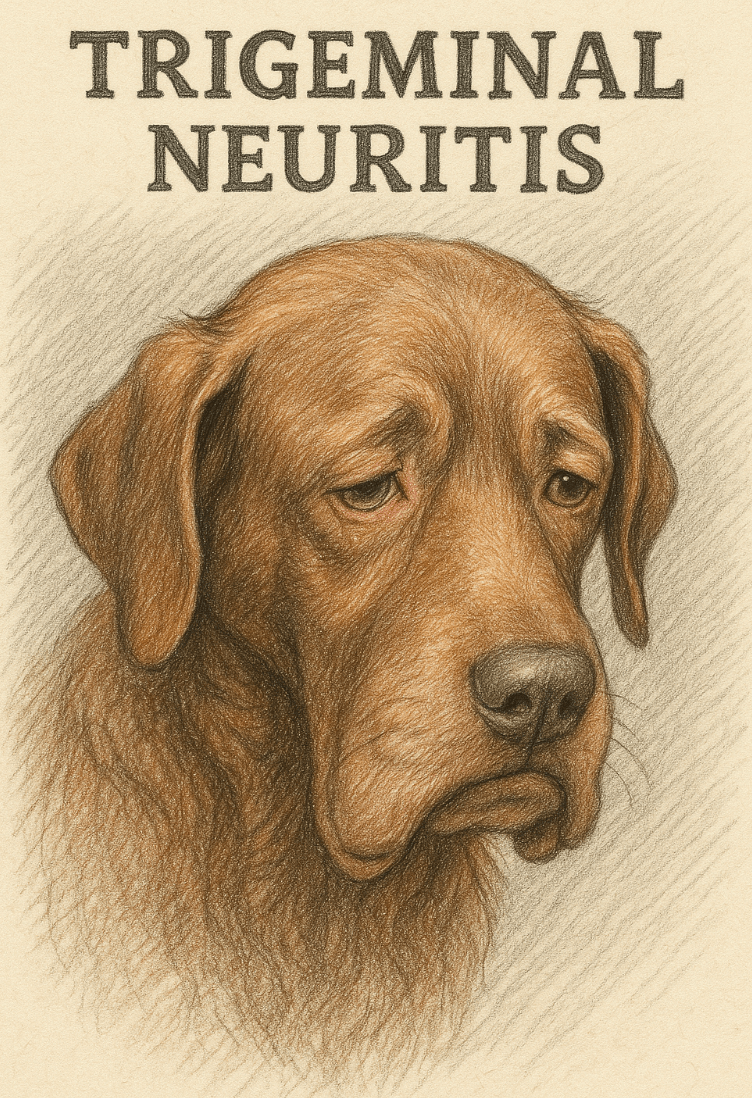

Trigeminal Neuritis in Dogs: What You Need to Know
Trigeminal neuritis, also known as mandibular paralysis or “dropped jaw syndrome,” is a rare but concerning condition that affects a dog’s ability to move their jaw properly. This neurological disorder targets the trigeminal nerve, which controls sensation and movement in the face and jaw. While it can be alarming for pet owners to witness their dog struggling to eat, drink, or even close their mouth, the good news is that trigeminal neuritis is often temporary and manageable with proper care.
In this blog post, we’ll explore the causes, symptoms, diagnosis, treatment, and long-term outlook for dogs affected by this condition. Whether you’re seeking answers or simply want to stay informed, this guide will provide you with everything you need to know about trigeminal neuritis in dogs.
Symptoms of Trigeminal Neuritis in Dogs
Recognizing the signs of trigeminal neuritis early can help ensure your dog receives timely care. The symptoms are distinctive and often appear suddenly, making them hard to miss.
Difficulty Eating or Drinking:
Dogs may struggle to pick up food or water due to weakened jaw muscles, leading to noticeable changes in their eating habits.Dropped Jaw Appearance:
The most iconic symptom is a slack or dropped jaw, where the dog’s mouth hangs open involuntarily.Facial Paralysis:
One side of the face may appear droopy or paralyzed, affecting the dog’s ability to blink or move facial muscles.Excessive Drooling:
Due to the inability to close their mouth properly, affected dogs often drool excessively.Pain-Free Condition:
Despite the alarming symptoms, trigeminal neuritis typically does not cause pain, which can sometimes make it harder to detect initially.
Understanding these symptoms allows pet owners to act quickly and seek veterinary assistance when needed.
Causes and Risk Factors of Trigeminal Neuritis
While the exact cause of trigeminal neuritis remains unclear, researchers believe it may stem from an autoimmune response. Here are some insights into potential triggers and risk factors.
Autoimmune Reaction:
The immune system mistakenly attacks the trigeminal nerve, causing inflammation and temporary paralysis.No Known Breed Predisposition:
Unlike many other conditions, trigeminal neuritis can occur in any breed, though larger breeds may be slightly more prone.Sudden Onset Without Warning:
There is no gradual progression; symptoms typically appear abruptly without prior illness or injury.Possible Environmental Triggers:
Some experts speculate that infections or exposure to certain toxins may trigger the condition, though evidence is limited.Age Factor:
Middle-aged to senior dogs are more commonly affected, though younger dogs are not immune.
While the exact cause remains unknown, understanding these factors helps veterinarians diagnose and treat the condition effectively.
Check this guide 👉Understanding Chemosis in Dogs: Best 7 Expert Tips!
Check this guide 👉Understanding Benign Tumors in Dogs: Best 7 Expert Tips!
Check this guide 👉Hemorrhagic Gastroenteritis in Dogs: Best 7 Tips!
Symptoms to Watch For | Steps for Managing Recovery |
|---|---|
Difficulty eating or drinking | Provide soft or blended food for easier consumption |
Dropped jaw appearance | Elevate food and water bowls for accessibility |
Excessive drooling | Keep the dog’s face clean to prevent skin irritation |
Facial paralysis | Monitor for secondary issues like eye dryness |
Sudden onset of symptoms | Consult a veterinarian immediately for diagnosis |
Diagnosing Trigeminal Neuritis in Dogs
Proper diagnosis is crucial to rule out other conditions with similar symptoms. Veterinarians follow a systematic approach to confirm trigeminal neuritis.
Physical Examination:
A thorough check of the dog’s jaw movement, facial symmetry, and reflexes helps identify abnormalities.Neurological Assessment:
Testing the dog’s cranial nerves provides insight into whether the trigeminal nerve is affected.Blood Tests:
Blood work rules out infections, metabolic disorders, or other systemic issues that could mimic the condition.Imaging Studies:
X-rays or MRIs may be used to exclude structural problems like tumors or fractures.Elimination of Other Causes:
Conditions such as tetanus, masticatory muscle myositis, or trauma must be ruled out before confirming trigeminal neuritis.
A precise diagnosis ensures appropriate treatment and reassurance for worried pet owners.
Treatment Options for Trigeminal Neuritis
While there is no specific cure for trigeminal neuritis, supportive care plays a vital role in helping dogs recover fully.
Rest and Observation:
Most cases resolve on their own within 2-4 weeks, so rest and minimal intervention are often recommended.Soft Diet Adjustments:
Offering mashed, blended, or liquid foods ensures the dog receives adequate nutrition despite difficulty chewing.Hydration Support:
If drinking is challenging, subcutaneous fluids may be administered to prevent dehydration.Medication (If Needed):
Anti-inflammatory drugs or corticosteroids may be prescribed in severe cases to reduce nerve swelling.Monitoring Progress:
Regular follow-ups with the vet ensure the dog is recovering as expected and address any complications promptly.
With patience and care, most dogs regain full function of their jaw and return to normal life.
Preventing Complications During Recovery
While trigeminal neuritis itself is not dangerous, certain complications can arise if the dog’s needs aren’t met during recovery. Here’s how to minimize risks.
Maintain Hygiene:
Clean the dog’s face regularly to prevent skin irritation from constant drooling.Prevent Dehydration:
Ensure the dog stays hydrated by offering water frequently or using a syringe for assisted drinking.Monitor Weight Loss:
Track your dog’s weight to ensure they’re receiving enough calories despite dietary adjustments.Protect Their Eyes:
If facial paralysis affects blinking, use lubricating eye drops to keep the eyes moist and healthy.Avoid Stressful Situations:
Keep the dog calm and comfortable to promote faster healing and reduce anxiety.
Taking these precautions ensures a smoother recovery process for your dog.
Signs Your Dog Is Improving
As your dog recovers from trigeminal neuritis, certain signs indicate progress. Watching for these milestones can provide peace of mind.
Improved Jaw Movement:
Gradual return of voluntary jaw control signals healing of the trigeminal nerve.Increased Appetite:
A growing interest in food suggests improved comfort and confidence while eating.Reduced Drooling:
Less drooling indicates better control over the mouth and jaw muscles.Normal Facial Expressions:
Symmetry in facial movements and expressions reflects restored nerve function.Return to Playful Behavior:
Renewed energy and enthusiasm for play demonstrate overall recovery and well-being.
Celebrating these small victories reassures you that your dog is on the path to full recovery.
Long-Term Care Tips After Recovery
Even after your dog has fully recovered from trigeminal neuritis, ongoing care and vigilance are essential to maintain their health and happiness.
Regular Vet Check-Ups:
Schedule routine visits to monitor your dog’s overall health and catch any issues early.Balanced Nutrition:
Continue feeding a high-quality diet to support muscle strength and immune function.Mental Stimulation:
Engage your dog in interactive games and activities to keep their mind sharp and spirits high.Watch for Recurrence:
Stay alert for any unusual symptoms that might suggest a relapse of the condition.Strengthen Bonding Time:
Spend quality time together through walks, play, and cuddles to reinforce trust and companionship.
By prioritizing these practices, you ensure your dog enjoys a vibrant, fulfilling life post-recovery.
Frequently Asked Questions About Trigeminal Neuritis in Dogs
Is trigeminal neuritis painful for dogs?
No, this condition is typically pain-free, though it can cause discomfort due to difficulty eating or drinking.
How long does recovery take?
Most dogs recover within 2-6 weeks, though individual timelines may vary based on severity.
Can it recur after recovery?
Recurrence is rare but possible; monitoring your dog’s health closely is advised.
Are certain breeds more susceptible?
While all breeds can be affected, larger breeds may experience it slightly more frequently.
What should I do if I notice symptoms?
Contact your veterinarian immediately for a thorough evaluation and guidance.
Supporting Your Dog Through Trigeminal Neuritis
Trigeminal neuritis may seem intimidating at first glance, but with proper care and patience, most dogs recover completely and return to their happy, active selves. By recognizing the symptoms early, working closely with your veterinarian, and providing supportive care during recovery, you can help your furry friend navigate this challenging time. Remember, your love and attention play a crucial role in their healing journey. With the right approach, trigeminal neuritis becomes just a temporary hurdle rather than a lasting concern.
Keeping Your Dog Safe This Summer: Best 7 Expert Tips! – Learn how to protect your pup from heatstroke, dehydration, and more this summer. Stay safe!

When Was Cat Food Invented? Best 7 Expert Tips! – Discover the history, key milestones, and evolution of cat food from scraps to scientifically balanced diets.

When Was Dog Food Invented? Best 7 Expert Tips! – Discover the origins, evolution, and milestones of dog food, and how it transformed pet nutrition over time.

Kintamani Dutch Shepherd Mix: Best 7 Expert Tips! – Discover the perfect blend of loyalty, agility, and charm with this unique hybrid. Learn expert care tips now!